


Have you ever thought that your smartphone might hold the secret to a healthier life? With so many downloads and a big boost in health app spending, these tools are really making their mark. They do more than count your steps or track your workouts – they send you friendly reminders and even let you chat live with your doctor.
Every day, more people are finding that digital health tools make staying active and healthy a lot easier. Picture the soft buzz of a reminder on your phone, gently nudging you to take a break or check your health. It’s like having a little wellness helper in your pocket.
In truth, as technology and everyday wellness come together, mobile health apps are lighting up the future. Your smartphone might just be the everyday partner you need to feel your best.
Mobile health app trends Fuel a Bright Future
In the digital world, downloads have been soaring. People have installed mobile health apps 3.6 billion times on iOS and Google Play, which is a 6% rise from last year and the best we've seen since January 2022. It’s clear that more and more folks trust these apps to boost their everyday wellness.
Then, by January 2025, spending on health and fitness apps jumped by 10% to hit $385 million. This uptick shows a strong market push and a growing love for digital health tools in modern healthcare. Gyms and fitness apps continue to shine, especially in the Gyms & Fitness subgenre that grew by 3% over the last year. In fact, seven out of the top ten most downloaded apps come from this group, proving that users appreciate easy workout routines, simple tracking, and a bit of motivational support.
Fitness rewards apps like Sweatcoin, CashWalk, and WeWard also play a big role in this success. They turn everyday steps into rewards, encouraging more people to stay active. Isn’t it cool how a simple reward can brighten your day? With trends like these, the future for mobile health apps definitely looks bright.
AI and 5G Driving Mobile Health App Trends
Agentic AI is changing the way we look after our health. Instead of waiting until you feel bad, these smart apps help spot potential issues before they become serious. They use methods like machine learning (computers learning from data), deep learning, and natural language processing to keep things running smoothly. Picture your app noticing a small change in your usual routine and kindly checking if you're feeling okay.
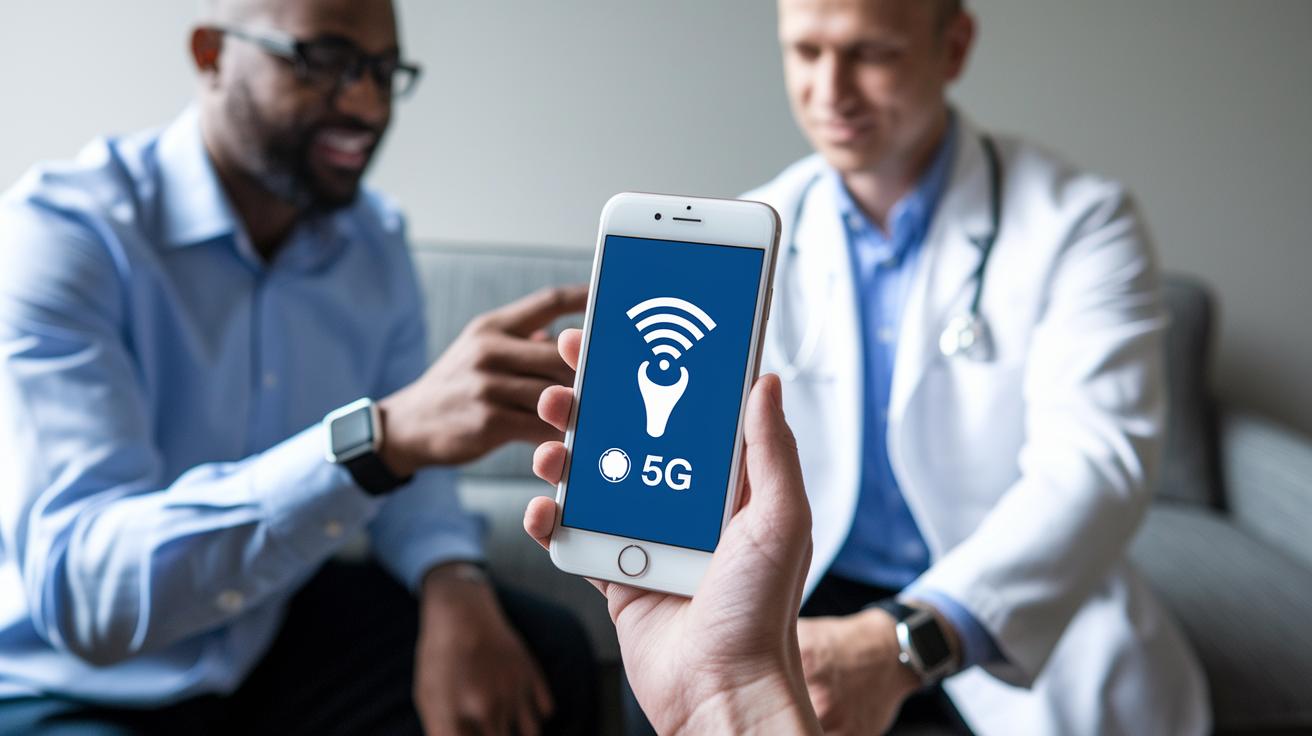
Then there's 5G. This fast network lets you have a live video chat with your doctor without any lag, almost like you’re in the same room. This smooth, real-time connection makes remote check-ups feel warm and personal.
Edge AI and federated learning take things a step further by handling data right on your device. This means your information stays private while you still get quick, personalized health tips. Imagine a voice assistant that instantly gets what you're saying and helps you out without sending your data far away.
By mixing smart automation with 5G speed, mobile health apps are becoming little helpers that keep an eye on your well-being. In truth, personalized health support is now always at your fingertips, ready to make a difference in your day.
Wearable Integration in Mobile Health App Trends
Medical wearables, like smartwatches and other connected gadgets, are totally changing the way we look after our health. They let us keep track of our body all day, not just during doctor's visits. Your wearable can give you real-time updates on your steps, sleep, and heart rate, and even buzz gently as a reminder to breathe deep when your day gets a bit crazy.
These smart sensors work hard to watch your vital signs nonstop, so any potential issues get spotted early. In fact, using these devices has cut hospital readmissions by 15% and boosted how well patients stick to their care plans by 25%. Check out the impact here: Impact of Wearable Tech on Health Management.
Fitness trackers and smartwatches bridge the gap between your everyday movements and professional care. They collect precise health data, giving a clear picture of how your body works at any moment. This constant stream of info helps doctors monitor you remotely and fine-tune your care without missing a beat.
It’s like having a friendly helper who's always on call, making sure your well-being is on track. With these cool advancements, wearables push mobile health apps beyond just a screen experience and pave the way for better health outcomes with real-time remote monitoring.
Enhancing Mobile Health App Trends with Gamification and UX

Imagine turning your everyday health routine into a fun game. By adding elements like points, badges, leaderboards, and little challenges, mobile health apps give your daily habits an exciting twist. These playful touches not only make tracking your progress feel enjoyable but also help you stick to a healthier routine.
Think about popular apps like Sweatcoin, CashWalk, and WeWard. They take simple activities, whether it’s counting steps or tracking a workout, and reward you for it. For example, the Fitness Tracker App shows how earning points or virtual prizes can boost your motivation and encourage a bit of friendly competition along the way.
A smart, intuitive design means you can find what you need without any hassle. Clear visuals and quick performance create a smooth experience, making the app feel like a cozy, lively space ready to support you every day. Plus, by listening to user feedback and making regular updates, these apps keep evolving just like your health journey.
Data Security and Compliance in Mobile Health App Trends
Today’s mobile health apps really stand out by keeping your personal health info secure. They work hard to protect your private details with top-notch security measures while making health support easy to access. For instance, they use techniques like federated learning and Edge AI, basically processing data right on your phone, to lower the risk of large-scale breaches. This smart setup not only keeps your data safe but also boosts your overall privacy.
These apps also bring your electronic health records into the cloud, letting them sync quickly and securely. Secure APIs act like private pathways, and AI-powered analytics help doctors make better decisions. The systems stick to strict healthcare rules and invest heavily in cybersecurity, blocking any unauthorized access. They follow HIPAA guidelines to protect patient confidentiality and meet legal standards.
By blending advanced encryption with firm policies, these mobile platforms significantly reduce risks while safeguarding sensitive patient information. Regular tech checks make sure all security measures stay current. In simple terms, every bit of data you share is handled with great care, whether it’s on your device or in the cloud.
Day after day, these apps work to meet healthcare rules and strengthen cybersecurity. With ongoing improvements in data safety and privacy, you can trust that your care is supported by reliable, secure technology. Isn’t it amazing how such innovative safeguards empower patients every single day?
Emerging Technologies in Mobile Health App Trends

Innovative ideas are changing how we think about mobile health apps. For example, augmented reality and virtual reality help doctors practice surgeries and give patients hands-on rehab experiences. Imagine stepping into a virtual operating room to learn a new procedure, it almost feels as real as the actual thing.
Digital therapies are also making a big impact. These tools use constant, friendly data checks to help manage conditions like diabetes by tracking blood sugar without any pain. It’s like having a smart assistant quietly looking after you throughout the day.
Then there’s a new wave of devices from the Internet of Medical Things. They monitor your vital signs in real time and even link with your prescriptions. Think of a fitness tracker that not only counts your steps but also reminds you when to take your medicine, a neat way to keep on top of your health.
And let’s not forget about neural interfaces. These devices let people communicate directly from their brain, with some even supporting up to 125,000 words for those with ALS. It’s like your mind is talking straight to your device, making complex ideas simple to share.
All of these breakthroughs do more than just update our tech; they are reshaping how we care for ourselves. Every tap on your screen is a step toward a smarter, friendlier, and healthier tomorrow.
Telemedicine and Virtual Care in Mobile Health App Trends
Imagine talking with your doctor face to face using your phone. Telemedicine apps are changing health care by letting you chat with your doctor from home. With cloud-based access to your electronic health records (that means your doctor can pull up your history easily), your clinician can review your records during a live high-definition video call. These secure video visits, explained here: How Do Video Consultations Work for Telemedicine, make a remote diagnosis feel clear and straightforward.
5G networks are a big part of this change. They help support smooth video calls, so your remote checks or follow-ups feel like an in-person visit. New trends in mobile health now include voice-activated assistants that answer about 30% of routine patient questions. This speeds up service, lowers wait times, and helps ease the load for busy healthcare workers.
Telehealth integration brings all these smart features together in one simple experience. You get quick access to your medical records and care no matter where you are. With a mix of secure video calls, cloud-based data, and smart AI chatbots, telemedicine apps are making health care feel personal and immediate. Overall, this upgrade makes health care more accessible and effective for everyone.
Final Words
In the action, we saw how mobile health app trends are making waves. The post touched on market growth, AI advances, wearables, and smart design features that keep health management in reach. It also highlighted strong data protection and emerging tools like AR/VR and neural interfaces. Each segment underscored the power of mobile health solutions, paving the way for more secure, interactive, and personalized care. The future looks bright, and it’s exciting to see these trends making health management easier every day.
FAQ
Q: What are the current trends in mobile health apps?
A: Mobile health app trends show steady growth in downloads and revenue, with apps using AI, 5G, and wearables to boost remote monitoring and telehealth, making care more proactive and accessible.
Q: What do healthcare mobile apps for patients offer?
A: Healthcare mobile apps for patients provide remote care, appointment scheduling, and vital sign tracking, making it easy to manage health records, monitor fitness, and even connect with clinicians during virtual visits.
Q: What are examples of mobile health applications?
A: Examples of mobile health applications include telemedicine platforms for live consultations, remote monitoring tools tracking vital signs, fitness apps with rewards, and digital therapeutics that guide users through personalized care plans.
Q: How are mobile medical devices used in nursing?
A: Mobile medical devices in nursing help track patient vitals and support real-time data sharing, which lowers hospital readmission rates and allows nursing teams to deliver immediate, effective care at the bedside.
Q: What are the benefits and drawbacks of mobile devices in healthcare?
A: Mobile devices in healthcare offer better patient engagement and quick access to data but come with challenges like potential data security risks and occasional technical glitches that require careful oversight.
Q: Are mobile health clinics becoming more common?
A: There is a growing trend in mobile health clinics as they bring essential services directly to communities, especially where traditional healthcare is less accessible, ultimately complementing digital health tools.
Q: What does the future hold for healthcare apps?
A: The future of healthcare apps looks promising, with emerging technologies like AI, enhanced wearables, and faster connectivity expected to provide even more proactive care, ease of use, and personalized health management.