


Have you ever wondered if an online doctor visit is truly safe? Modern video doctor platforms follow strict health privacy rules to keep your information safe, just like a trusted nurse would. They use secure video chats and clear promises to guard your private details, much like a friend who always looks out for you. Today, we'll look at how these secure systems work and why so many patients feel comfortable using them.
Core Requirements for HIPAA Compliant Video Consultation Platforms
Telemedicine platforms need to follow clear rules that protect patients' sensitive information. They sign a Business Associate Agreement (BAA), which means they promise to handle Protected Health Information (PHI) with real care. This isn’t just ticking a box, it builds the trust patients need to feel safe. Plus, these platforms earn certifications to prove they keep data secure.
Key technical and administrative safeguards include:
- End-to-end encryption for video, audio, and chat. This creates secure sessions that block unwanted access.
- Multi-layered security steps like access controls and role-based permissions, so only the right people see the data.
- Integration with EMR/EHR systems, which helps update patient records smoothly and safely.
- Audit-ready logs and reporting tools that make compliance checks easier and track every access.
- Automated patient workflow management with secure online forms and appointment reminders that help simplify the patient experience.
Together, these features make sure that video consultations meet HIPAA standards, protecting patient communications during virtual visits. Health professionals can confidently use the platform for day-to-day operations, knowing that every step, from recording patient details to scheduling calls, is automated and secure. For more details on how these processes work, check out how video consultations work for telemedicine (https://ourmobilehealth.com?p=97).
Key Security Features of Compliant Telemedicine Video Platforms

Digital health video calls must have strong security to protect patient details and earn trust. These systems meet HIPAA rules and give real peace of mind. One mid-sized clinic even said, "Seeing our system verify a user's identity felt like a gentle reminder from a favorite app."
- End-to-end encryption for video, audio, and chat keeps every bit of your conversation safe.
- Two-factor authentication and single sign-on verify your identity before you get in.
- Secure waiting rooms with virtual lobby controls stop uninvited guests.
- Role-based access and simple user checks ensure only the right people see private info.
- Secure real-time messaging lets you continue the conversation safely.
- Automatic session timeouts and audit logs help spot any unusual activity fast.
Together, these features build reliable virtual consultations that keep patient details secure while meeting both compliance standards and user expectations.
HIPAA compliant video consultation platforms: Safe & Secure
Looking for a secure way to connect with patients online? Here’s a quick look at top video consultation platforms that mix safe communication with useful features for virtual care. This friendly guide helps healthcare providers find the right certified video service that fits their practice.
| Platform | Key Features | Pricing Model |
|---|---|---|
| Curogram | Blends telemedicine and video with secure texting that meets HIPAA rules | Subscription-based with different plan levels |
| Zoom for Healthcare | Works on many devices and offers group tools for larger practices | Flexible pricing for small offices or big institutions |
| Doxy.me | Has a free plan with unlimited video calls and a custom waiting area | Freemium model with paid options for HD video and group chats |
| VSee | Great for areas with slow internet and offers an easy-to-use interface | Pay-as-you-use pricing that works for any size practice |
| SimplePractice | Packs in strong business tools like automatic billing and integrated notes | Subscription service tailored to practice needs |
Choosing the right platform is all about matching its features with what your practice truly needs. If you need a robust option that gives you both telemedicine and built-in messaging, Curogram might be the perfect match. For those who work in larger teams, Zoom for Healthcare can really boost group collaboration. Solo practitioners might love Doxy.me for its simplicity. And if you’re working where internet can be spotty, VSee could be a lifesaver. Lastly, if you’re looking for extra help with busy administrative tasks, SimplePractice offers helpful tools to manage your workflow.
Taking the time to pick the right service means smoother, safer virtual care that keeps patient information secure while making online visits hassle-free.
EHR Integration and Workflow Optimization in HIPAA Platforms

Making sure patient information flows smoothly between video visits and clinical systems is really important for keeping records safe and up-to-date. Deep integration with your EHR helps update charts as soon as the consultation ends, so no detail is missed. It even moves secure online forms into the right record automatically and keeps appointment schedules in sync. In short, these connected systems help keep telehealth sessions secure while following HIPAA rules.
Patient Scheduling and Intake
Booking an appointment becomes a breeze when the video platform and EHR work together. When you change a booking, that update shows up right away everywhere. Plus, forms filled out before a visit get added to your record automatically. This smart process cuts down on extra work and helps avoid mistakes that can happen with manual entries.
Automated Documentation
New AI tools now help by taking notes and even generating treatment plans during live consultations. The system updates your charts on the spot during the video call, so clinicians don’t have to rush to enter details later. This means they have more time to care for you, while your records stay accurate and current.
Pricing, Scalability, and Deployment Options for HIPAA Video Tools
Telehealth options come with pricing plans that fit different practice sizes and budgets. For example, Doxy.me offers a free option that lets you hold unlimited video calls, while their paid plans charge for HD or group calls. Other services like Zoom for Healthcare and Amwell use subscriptions that change based on how many users you have and which features are included. This means that whether you run a small office or a large institution, there is flexibility for everyone. Plus, many of these platforms have online appointment systems that make scheduling and form submission much easier. It’s important to think not just about the monthly fee but also about the overall cost when choosing these secure teleconference tools.
When looking at how to set up your system, you can choose between cloud-hosted and on-premise options. Cloud services offer secure consultations that can easily grow with your needs, especially if you sometimes see more patients than expected. On the other hand, larger institutions might prefer on-premise systems so that they can control their data and customize their set-up in more detail. However, smaller practices might see higher subscription fees with services like HIPAA Video or TheraPlatform, which can affect their ability to scale. Taking a closer look at these choices helps you balance your technical needs with your budget, ensuring you keep care secure and compliant.
Case Studies: Real-World Use of HIPAA Compliant Video Platforms
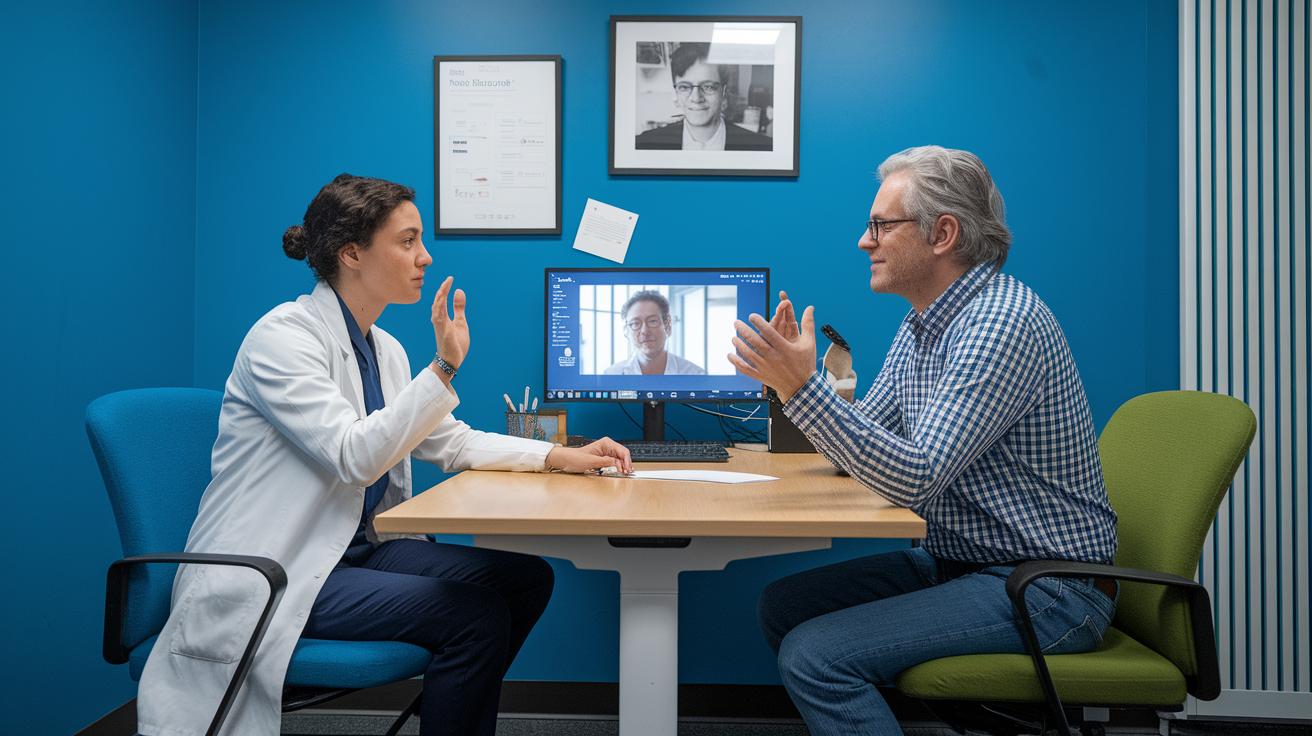
Different care settings find real value in video platforms that keep health calls safe. Whether you’re working solo or with a large team, these tools help make remote health visits secure and engaging. It’s like having a friendly assistant that makes everything run smoother.
For example, therapists in private practice using Doxy.me for unlimited video calls have seen how appointments flow better. This means fewer delays and happier patients.
Group practices using Zoom for sessions with several providers find that it makes staff training easier and helps them decide quickly during live chats.
Digital health startups that use Curogram for a mix of texting and video have noticed that communication is much more straightforward. It supports new ways of care that feel fresh and effective.
Also, programs that manage chronic conditions often use Healthie. With features like workflow automation and secure messages, they spend less time on paperwork and more time caring for patients.
These stories show that choosing the right video platform depends on your practice size, the kind of care you offer, and your setup. When you pick a tool with the right features, like built-in messaging and unlimited calls, you can offer care that is secure, efficient, and truly patient-focused.
Future Trends in HIPAA Compliant Video Consultation Platforms
Healthcare tech is always growing, and keeping up matters. Providers and developers need to update their tools to protect patient information while making virtual meetings smooth. It’s all about blending safe care with modern technology so that online visits feel secure and practical.
New AI tools are on the rise. They can help by translating in real time and even filling in charts automatically, which means fewer admin tasks for busy clinicians. Plus, services will soon work better with digital health records by adding smart features that spot trends in patient care. Group therapy and sessions with several participants are also getting a makeover. They are being designed to follow strict privacy rules while supporting teamwork among different care providers. And don’t worry about slow internet in rural areas, smart tweaks for low-speed connections mean more people can join virtual visits.
Changes in rules and policies are on the horizon too. New guidelines will ask vendors to step up their security game with better encryption, easier ways to check who is logging in, and systems that talk easily with each other. This means that as telehealth grows, our technology will be ready to support safe, smooth virtual care.
Final Words
In the action, we explored how HIPAA compliant video consultation platforms meet legal and technical standards. We covered secure features like real-time encrypted sessions, and detailed how these tools integrate with EHR systems while simplifying patient scheduling and automated documentation.
We also highlighted various platforms and cost options through real-world examples and future trends. Every insight works together to make managing your health care through trusted digital solutions straightforward and secure. Enjoy the benefits of hassle-free, mobile-first health care solutions.