


Have you ever thought about how smart health tools can change your care? With more gadgets and easy-to-use health apps, tech is stepping in to help you feel better every day.
Imagine a watch that gives you a little buzz to remind you to take a breather, or an app that keeps an eye on your heart rate as you go about your day. These kinds of tools help people get the care they need and make life a bit smoother for our doctors too.
In this post, we’ll chat about how simple, everyday tech is making care more accessible and friendly for everyone.
Digital Health Innovation Defined: Scope and Impact

Digital health innovation means using the latest tech to make healthcare better for everyone. It covers tools like health information systems, wearable devices, mobile apps, online doctor visits, and personalized treatments. Providers use these new tools to change care delivery, while patients can take charge of their health with ease. For example, a smartwatch can track your heartbeat and give you a gentle buzz when it’s time to take a small break.
These digital tools rely on smart data analysis and user-friendly designs to improve how treatments are planned and services are run. Imagine opening an app and instantly seeing your recent steps or sleep hours. This simple action makes health information personal and useful, serving everyone from busy professionals to family caregivers.
Telemedicine has also made a big impact. With live video chats, you can talk to your doctor without leaving your home. Picture booking an online appointment and then seeing your doctor appear on your screen minutes later to discuss your health. This easy access saves time and lightens the workload for clinics.
Wearable devices such as fitness bands and smartwatches are key players too. They keep track of important signs all day and send that data to your doctor. This lets healthcare providers spot trends quickly and respond when needed. In short, digital health innovation brings simple, effective technology right to your fingertips.
Understanding Digital Health Innovation Fuels Better Care
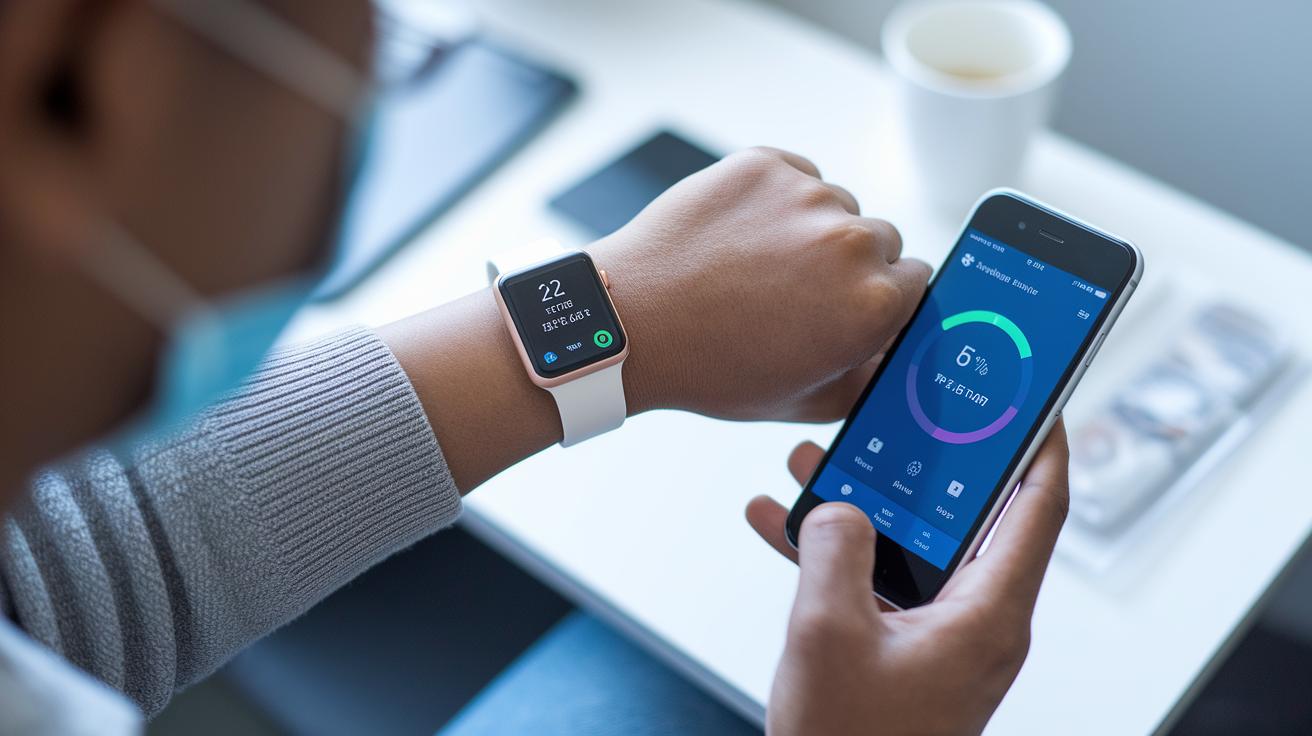
Technology breakthroughs have made healthcare easier and more organized. Back in the early 2000s, many clinics began using electronic health records. This step made storing and finding information much simpler.
Then in 2010, smartphones gave birth to health apps that let you track your wellness. Imagine a quick reminder buzzing on your phone, a small change with a big impact.
Soon after, around 2015, wearable devices like smartwatches became popular. These gadgets continuously check your vital signs and activity levels. They provide extra insights for both patients and doctors.
By 2023, health systems rolled out Digital Front Door strategies. These efforts mix improved record systems with patient portals so care teams can keep a closer eye on health trends and needs.
| Time Period | Milestone |
|---|---|
| Early 2000s | Adoption of electronic health records |
| 2010 | Growth of mobile health apps |
| 2015 | Rise of consumer wearables |
| 2023 | Rollout of Digital Front Door strategies |
Each breakthrough built on earlier advancements to create a journey where digital health steadily improves care every day.
Telemedicine Advancements and Virtual Care Breakthroughs
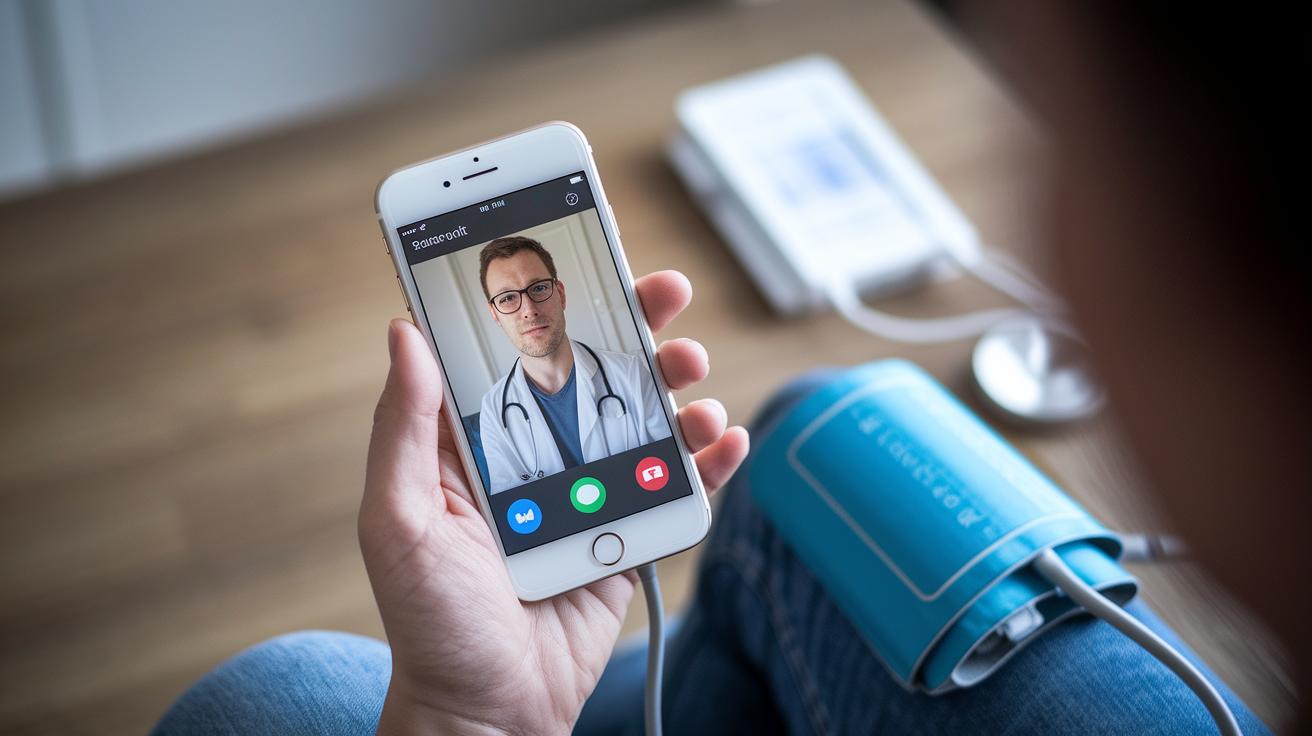
Real-time video consultations give you the feeling of sitting right down with your doctor, even if you're in the comfort of your own home. Imagine quickly hopping on a live call when you need urgent help. Curious how it all works? Check it out here.
Store-and-forward exchanges add even more ease. They let you send images and medical details, which experts can review later at a time that fits your busy day. It’s a relaxed, yet efficient way to get professional feedback.
Remote diagnostic tools let you measure key health signs right at home. Picture using a simple device to check your blood pressure or temperature and sending the data straight to your care team. It’s like having a little clinic in your living room.
Mobile triage apps guide you through checking your symptoms, offering advice on whether a doctor’s visit is necessary. And when it comes to lab work, virtual pathology means experts can review digital slides quickly online. Together with smart teletriage systems that sort cases for online care, these tools help cut down on crowded waiting rooms.
All these innovations come together to boost access and convenience, making digital tools true partners in your health journey.
Remote Patient Monitoring and Wearable Analytics Tools
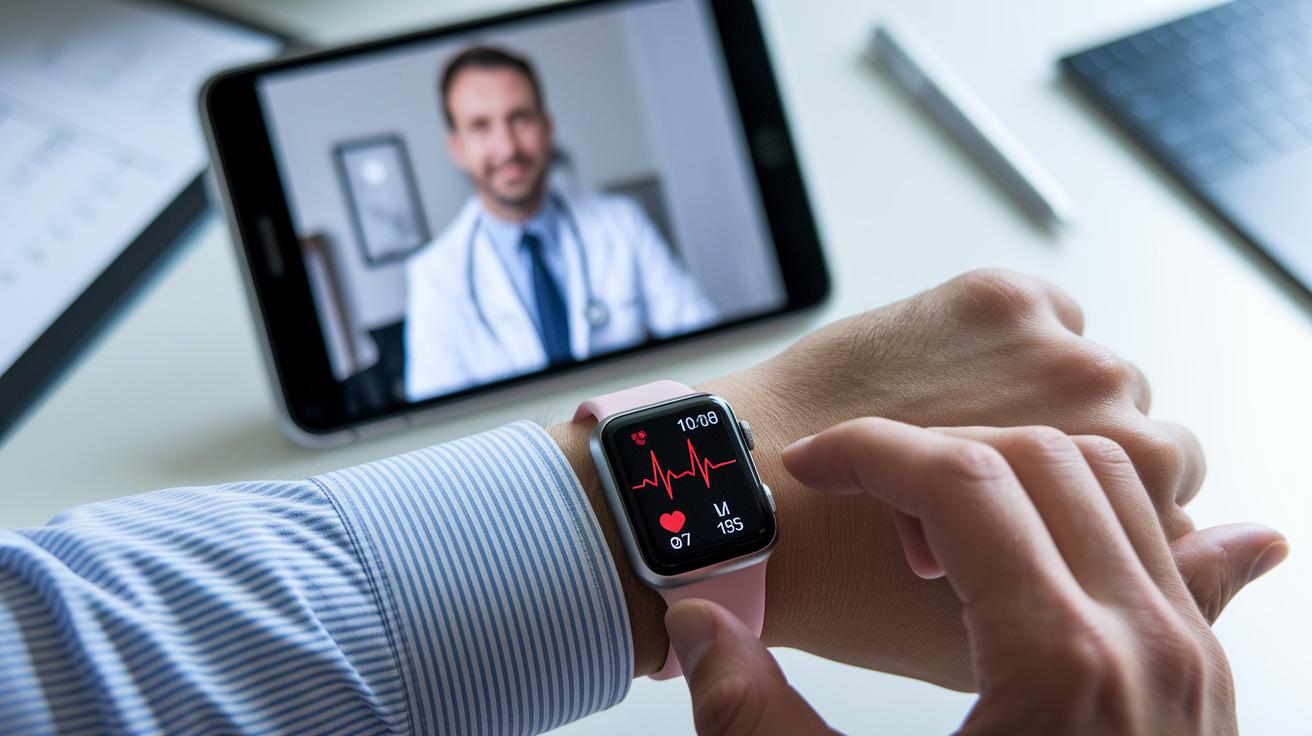
Wearable devices like Fitbits and smartwatches track your heart rate, sleep patterns, and daily steps throughout the day. They use tiny sensors to watch your numbers and send that information straight to your healthcare team. Imagine your watch giving your doctor a quick heads-up if it notices any changes in your heart rate. It’s a simple way to stay connected to the people who care about your well-being.
Your health data gets added to your electronic records, making it easy for your doctor to see if something isn’t quite right. When your numbers change unexpectedly, your care team can reach out fast to help prevent any problems from growing. For example, measuring blood pressure at home now plays a big part in new care plans for conditions like hypertension and diabetes. It works much like having a friendly helper who is always on the lookout for you.
Everyday sensor networks and smart devices send updates on your health all the time, building a clear picture of how you’re doing. This constant flow of information lets your care team notice trends and take action before a small issue becomes a big one. You might even discover for yourself the benefits of steady health monitoring if you take a closer look.
Real-time monitoring makes it much easier for healthcare providers to spot early warning signs. By keeping an eye on the details that matter, wearable analytics help support home-care models that manage conditions in a really effective way. This means your care team can step in with help exactly when you need it most.
AI Diagnostic Solutions and Machine Learning in Clinical Support

AI algorithms are really changing how doctors spot problems in imaging tests. They look at X-rays, CT scans, and MRIs to find details that might slip past the human eye. Imagine a doctor reviewing a chest CT scan and the system points out a tiny area of concern. It’s like having a wise partner who gives a quick nudge when something seems off.
Next, predictive analytics models go a step further. They help forecast if a patient might get worse or need to come back to the hospital. Machine learning even suggests treatment options based on solid data, offering what feels like a reliable second opinion. It’s a bit like having a smart friend who always backs up your decisions with facts.
Then there are new surgical aids that show just how powerful these digital tools can be. Tools like augmented-reality overlays and robotic help guide surgeons during operations, adding precision when every second counts. It makes you wonder how technology and care can work hand in hand to make surgery safer.
Finally, when these AI diagnostic solutions join forces with systems like biomedical informatics, the benefits multiply. They connect smoothly with health records to turn raw data into clear, practical insights. In truth, it creates a system where technology and clinical know-how work side by side to really improve how patients are looked after.
Patient Engagement Solutions through Mobile Apps and Virtual Platforms

Digital health is changing care so it feels more personal and interactive. Now, mobile apps and virtual platforms let you access care plans like pregnancy guidance or new-parent programs, reaching a lot of expectant mothers and young families. Imagine getting a friendly nudge on your phone that says, "Time for your daily mindfulness check-in!" It’s these small, gentle reminders that help build lasting healthy habits.
The Scout tool for teens truly stands out, offering free lessons on behavioral health in partnership with local groups. Picture a teenager using fun, interactive tools on their phone to learn simple ways to manage stress. These virtual therapy options work well for both teens and adults, making mental health support available wherever you are.
In-app reminders and two-way messaging play a big role, too. A quick text popping up on your screen can help keep you on track with your treatment plan. Many users say these messages feel like a caring friend checking in at just the right moment.
Overall, blending interactive digital tools with easy communication means you get a type of care that meets you exactly where you are. This modern way of doing things not only boosts engagement but also leads to better health outcomes.
Addressing Barriers in Digital Health Adoption

Small practices often face tough challenges when trying to add digital health tools. With tight budgets, it can be hard to invest in the latest systems. On top of that, rules from agencies like the FDA and HIPAA add extra layers of cost and complexity, making it even tougher for clinics to keep up without stretching their resources too thin.
Technical issues also add to the struggle. Many systems, for example, don’t easily share information with one another, which can mess up patient care. Data security becomes super important in these situations. Have you ever thought about using blockchain for record security? It offers a tamper-resistant way to manage data that many find attractive.
So, what can clinics do? Start by using designs that put both patients and clinicians first. Next, bring in smart design ideas that help create more intuitive digital solutions. And don’t forget about learning, the right online courses can help everyone stay up to date and build their digital health skills.
By taking steps to cut costs, simplify regulations, fix system problems, and protect data, digital health tools can reach more practices. Each of these actions helps create a more connected, efficient, and personal health care system.
Final Words
In the action, the blog took us through how digital health works, from devices that track daily activity to video consults that bring expert care to your fingertips. We saw how telemedicine, remote monitoring, AI diagnostics, and patient engagement apps shape better care. Each section builds on the idea of understanding digital health innovation in simple, everyday terms. The blog shows that digital health is transforming care by making it more personal, secure, and accessible. It’s a bright step forward for everyone seeking smarter, mobile-first health solutions.