


Have you ever wondered why your gut health affects your energy every day? Your digestive system works like a well-tuned engine, turning what you eat into fuel for your body.
In this article, you'll find five easy tips that help your gut do its job while keeping you feeling good. These tips include eating more fiber-rich foods, practicing mindful eating (that's paying full attention to your food), and getting regular movement.
Small changes like these can really boost your overall well-being. Next, take these ideas and see how they can lead you to a more balanced, energized life. Isn't it amazing how little adjustments can make such a big difference?
Holistic Digestive Wellness: Foundational Gut Health Strategies

Digestive health is all about how your body breaks down food, absorbs nutrients, and keeps your gut bacteria happy and balanced. It helps you feel energized and keeps everything running smoothly. Imagine it like a smooth-running machine that transforms your meals into the energy you need.
When your gut germs are in balance, it truly lifts your overall well-being. They give a boost to your immune system, help you absorb vital nutrients, and keep your digestion on track. Picture them as a team working quietly behind the scenes, making sure you feel good every day.
Next, let's dive into some practical tips for keeping your gut in tip-top shape. You’ll find advice on enjoying a diet full of fiber and whole foods, adding beneficial supplements, practicing mindful eating, moving regularly while getting enough sleep, using natural herbal supports, and planning simple recipes. Just a few small changes can brighten your daily life.
Dietary Approaches for Digestive Wellness: Fiber and Whole Foods

Fiber is like your digestive system's best buddy, helping your body process food with ease. Soluble fiber mixes with water to create a soft gel that makes stool gentle to pass, while insoluble fiber adds bulk so food moves along nicely. Aim for about 25 to 35 grams each day. Even a small portion of oats, beans, or fruits can make your meal both tasty and good for your gut.
Whole foods mean eating ingredients in their pure, natural state with no extra chemicals added in. When you pile on fresh greens, crisp carrots, bright bell peppers, and juicy tomatoes, you're gifting your body antioxidants and key nutrients that keep digestion smooth. Picture a refreshing salad or a warm bowl of roasted veggies teamed up with lean protein, they satisfy your hunger and pack in vitamins and minerals for a strong gut.
And if you have sensitivities, swapping out a few ingredients can really help. Try gluten-free options like rice or quinoa bread instead of traditional wheat. Dairy alternatives such as almond or oat milk blend perfectly into cereals and smoothies. Even a simple switch to coconut yogurt can boost comfort and help keep your gut balanced. Each small change makes your digestive process a little smoother and meal times feel more joyful.
Probiotics & Prebiotics: Boosting Digestive Health Naturally
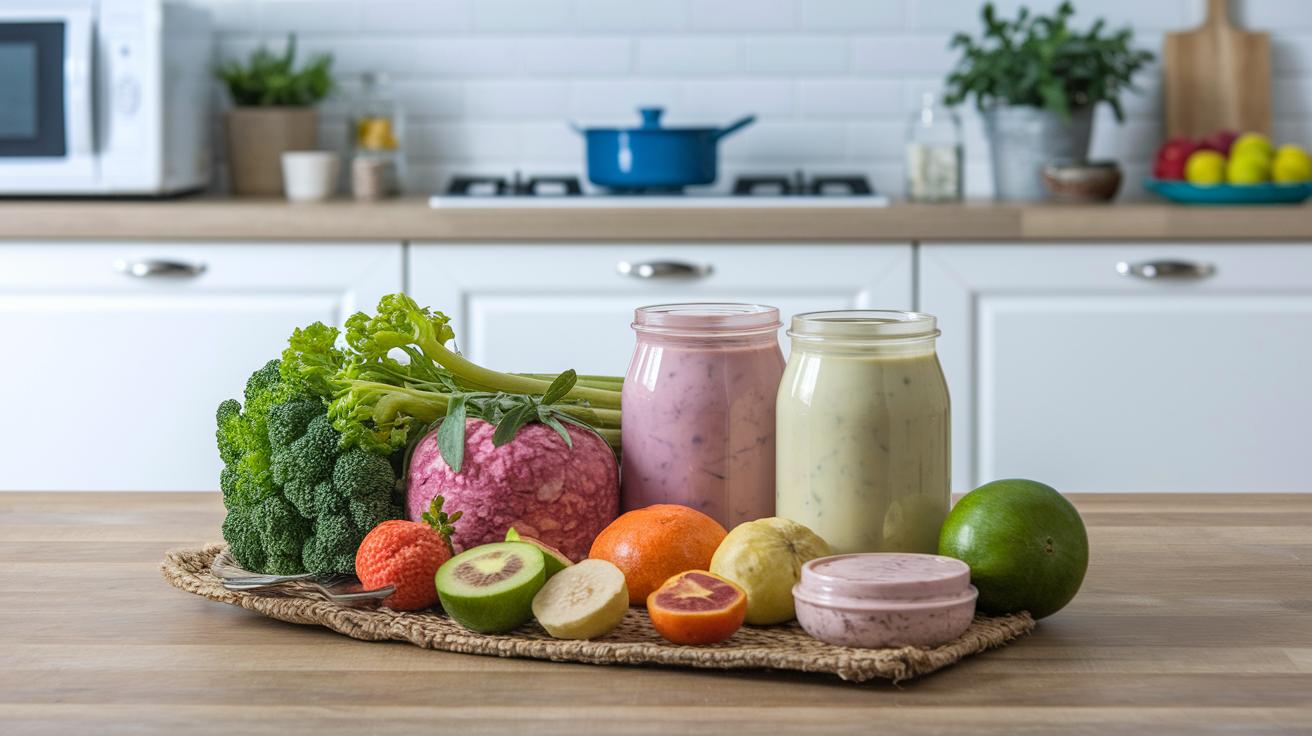
Probiotics are live bacteria that can help keep your tummy happy. They come in different amounts and mixes that work to keep your gut balanced. Prebiotic foods, think onions, garlic, and oats, act like fuel for these good bugs. These fibers wake up the microbes in your belly, keeping everything running smoothly. If you aren’t eating many live cultures, a probiotic supplement might be a smart boost. And a few extra prebiotic foods in your meals can keep that gut ecosystem thriving.
One easy way to look after your gut is by planning weekly meals with some fermented foods in the mix. Try adding plain yogurt, kefir, or kimchi a few times a week for a natural dose of good bacteria. Mixing up your choices by trying different fermented veggies or drinks can also make your meals more exciting. For more ideas, you might want to check out gut health foods. A steady meal plan that includes these nutritious picks can help you feel more comfortable and energized every day.
Mindful Eating and Stress Reduction for Digestive Wellness

Our brain and gut are in a constant chat. When you're stressed, your body releases tension hormones that can mess with digestion and make it tougher to grab all the good nutrients from your food. When your mind is overloaded, even a small meal can seem like a big task for your tummy. Using mindful eating habits can help soothe your gut and ease discomfort, bringing harmony back to your digestion. In truth, a calm mind really does help your stomach feel better.
Try these simple tips to help you enjoy your meals:
- Deep breathes before meals: Take a few slow, relaxed breaths, imagine you're gently filling a balloon. This little pause can really set a calm tone for your meal.
- Eat without distractions: Turn off your devices and let yourself savor each flavor and texture your meal offers.
- A brief gut-focused meditation: Spend just a minute to relax, listen to your body, and get ready to nourish yourself.
- Wind down in the evening: Create a quiet routine before bed to let your body and mind shake off the day's stress, helping you sleep better.
A good night's sleep does wonders for your body, helping it recover and digest food properly. By practicing these calming techniques regularly, you give your digestive system a chance to absorb nutrients and reset, leading to smoother, balanced days.
Hydration, Movement, and Rest: Lifestyle for Digestive Health

Staying hydrated is key to making your digestion work well. Aim for about 8 to 10 cups of water every day, and throw in some herbal teas to help soften your stool. Think of water as the oil that keeps your body's engine running smoothly. Even a few extra sips can really boost how comfortable and regular you feel.
Getting a bit of gentle movement in your day is just as important. A short walk or a few light yoga stretches can wake up your gut and help things move along naturally. When you move, your body nudges your digestion into gear, so why not take a moment to get up and stretch?
Resting well also plays a big part. Aim for 7 to 9 hours of sleep each night to give your body time to recharge and work its magic. And by cutting back on added sugars, you'll keep your digestive system in better balance.
Herbal Remedies and Spices to Support Digestive Health

Step into a calm space with herbal teas that help soothe both your tummy and your mood. A warm cup of peppermint tea, brewed for three to five minutes, can ease an upset stomach and make you feel a bit brighter. Chamomile tea does the same, with a gentle aroma that relaxes both body and mind. Stick to two or three cups each day so your digestion stays happy and balanced.
Ginger is fantastic for easing nausea, while turmeric works as a natural helper for your gut. Try grating a little fresh ginger into some warm water, or sprinkle a bit of turmeric on steamed vegetables to add a subtle kick to your meal. Even a pinch mixed into your soup goes a long way.
For more tasty ideas and easy steps on how to use these spices, check out medicinal herbs list and uses.
Gut-Friendly Recipes and Meal Planning for Digestive Wellness

Start your day with three hearty meals that care for your gut. Picture this: creamy overnight oats soaked in almond milk, tossed with chia seeds, rolled oats, and fresh berries; a warm lentil-veggie bowl where tender lentils mix with roasted carrots, spinach, and colorful bell peppers; and a delicious plate of baked salmon partnered with greens that deliver healthy fats, vitamins, and fiber. These dishes help your digestion run smoothly and keep your energy steady throughout your busy day.
Looking for a quick, tasty boost? Try out a couple of smoothie ideas. First, whip up a blend of ripe banana, fresh spinach, a scoop of Greek yogurt, and a splash of almond milk. This creamy drink comes packed with fiber and probiotics. Or, give a berry-kefir smoothie a go by mixing mixed berries with kefir and a handful of oats, adding a fun texture. Both options offer a refreshing way to naturally support your gut health.
Need an even simpler approach to planning your meals? Focus on easy food pairing rules. Instead of loading up on heavy starches, combine proteins with non-starchy vegetables to ease digestion and boost nutrient absorption. Experiment with these simple tips until you find what works best for you. For extra guidance, check out our personalized wellness routines guide for step-by-step instructions on crafting your very own gut-friendly meal plan.
Final Words
in the action, we explored a range of ways to keep your gut thriving. We covered the basics of digestive health, added practical dietary ideas, and looked at live cultures from probiotics and prebiotics. The post also shared mindful eating habits, lifestyle tweaks, gentle herbal supports, and even creative recipe tips. These wellness tips for digestive health are here to help you feel great every day. Embrace these easy methods and look forward to smoother, happier digestion.
FAQ
How to improve gut health naturally
Improving gut health naturally means eating foods rich in fiber and fermented options, staying hydrated, moving your body daily, and practicing relaxation techniques to support smooth digestion and overall well-being.
How to keep stomach healthy and clean
Keeping your stomach healthy and clean involves choosing whole foods, drinking enough water, and avoiding overly processed items. These choices help support proper digestion and reduce discomfort.
10 ways to keep your digestive system healthy
Ten ways to support your digestive system include eating fiber-rich foods, drinking plenty of water, staying active, managing stress, and including both probiotics and prebiotic foods in your meals to promote balanced digestion.
Worst foods for gut health
The foods that hurt gut health the most are those loaded with refined sugars, processed fats, and artificial additives. Cutting these out can help maintain a balanced gut and reduce irritation.
Gut health supplements
Gut health supplements add beneficial bacteria and prebiotic fibers into your diet. Choosing well-reviewed options and consulting a health provider can support a balanced microbiome for better digestion.
10 signs of an unhealthy gut
Ten signs of an unhealthy gut include bloating, irregular bowel movements, excessive gas, fatigue, skin flare-ups, and mood swings. Recognizing these signals early can prompt steps to restore gut balance.
What to drink after a meal to help digestion
Drinking warm water or a gentle herbal tea after a meal aids digestion by calming the stomach and helping break down food, which can lead to a more comfortable digestive process.
What is digestive health
Digestive health is the body’s process of breaking down food, absorbing nutrients, and maintaining balanced gut bacteria. A healthy digestive system supports regular bowel movements, strong immunity, and overall wellness.