


Ever wonder why some online doctor visits just don’t feel right? Virtual care is growing fast, but simple, clear talk is still key. When a doctor explains things plainly and checks in with you, it really feels like you’re chatting with someone who cares about how you feel.
This post shows how easy, honest conversation can turn a virtual appointment into a calm, reassuring experience. When your doctor uses clear, everyday language, your online visit becomes a place where you feel safe, informed, and truly heard.
Delivering Clear Communication in Virtual Doctor Visits

Virtual visits let patients and doctors connect through video on phones, tablets, or laptops. Imagine your doctor starting a chat with, "Did you know over 76% of U.S. hospitals already use telehealth to care for patients?" Such clear info is key, especially when you miss the usual face-to-face signals.
Telehealth can happen over video calls, emails, texts, or even phone calls. State programs and private insurers back these tools, showing they’re trusted by many. In a virtual world, doctors have to stick to the same high standards as in person. They often get legal and IT advice to keep everything secure, private, and up to date.
Effective telemedicine talk isn’t just about tech, it’s about closing the distance. When a provider explains a treatment plan in simple terms and checks in along the way, patients feel more at ease and involved. Next, if you’re curious about how these video consultations work, take a look at "How Do Video Consultations Work for Telemedicine." In the end, clear and friendly communication helps both patients and doctors feel confident every time they connect.
Building Digital Rapport for Remote Patient Interactions

Start your virtual conversation by asking simple, direct questions that invite real sharing. For example, you might say, "What changes have you noticed since starting your treatment?" This makes patients feel truly heard and encourages them to open up.
Before each session, take a moment to review their records. It’s a small step that shows you care about their history and sets a trusting tone right from the start.
When you’re video chatting, set your camera at eye level so it feels like you’re making genuine eye contact. It might feel a little strange at first, but it sends a clear message: I see you, and I care.
Choose a quiet, secure spot for your digital chats to help patients feel safe. A little practice beforehand can smooth out any distracting habits, like fidgeting or looking away now and then.
Keep your tone warm and your language clear. For instance, you could say, "Let’s chat about how your day has been." These personal touches go a long way in building a caring, patient-focused connection online.
Addressing Telehealth Communication Challenges in Virtual Doctor Visits
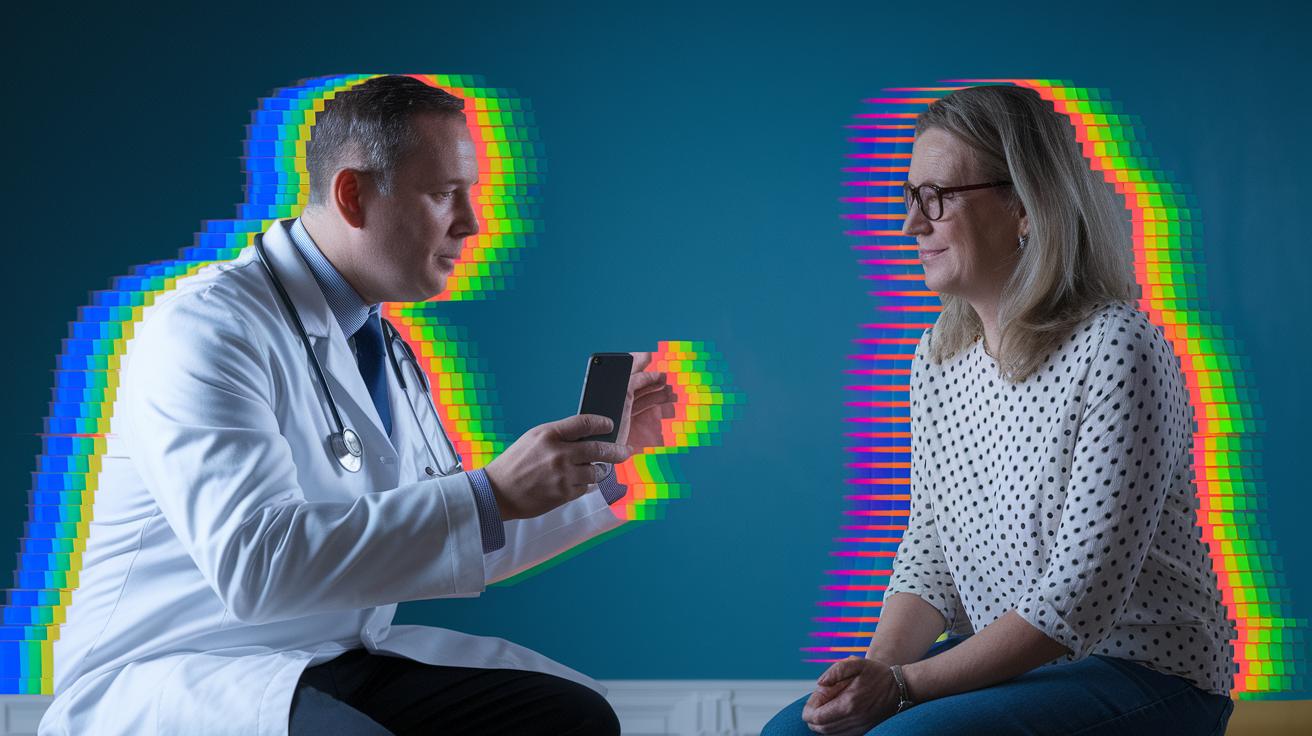
Sometimes in a virtual visit, simple technical glitches like a slow connection or odd video and audio issues can get in the way. These hiccups might cause awkward pauses or even make you miss important details. And without clear body language, it can be hard to tell if everyone understands what’s going on.
Privacy is super important too. Doctors need to use secure, HIPAA-approved systems and work in quiet, private spaces to keep your information safe, especially when discussing sensitive issues.
Language differences or hearing difficulties can add another layer of challenge. In these cases, using video tools that offer interpretation can really help. It might also be a good idea to plan ahead with some telehealth strategies. For example:
| Step | Action |
|---|---|
| 1 | Check your equipment and internet connection before the visit |
| 2 | Have a backup plan if tech problems occur |
| 3 | Schedule a pre-visit tech check with patients |
| 4 | Consult IT and legal experts for security tips |
Taking these simple steps can help ease technical issues, overcome the lack of nonverbal cues, protect privacy, and bridge language gaps. In the end, it makes virtual visits a smoother, more effective experience for everyone.
Webside Manner Techniques to Improve Virtual Consultations
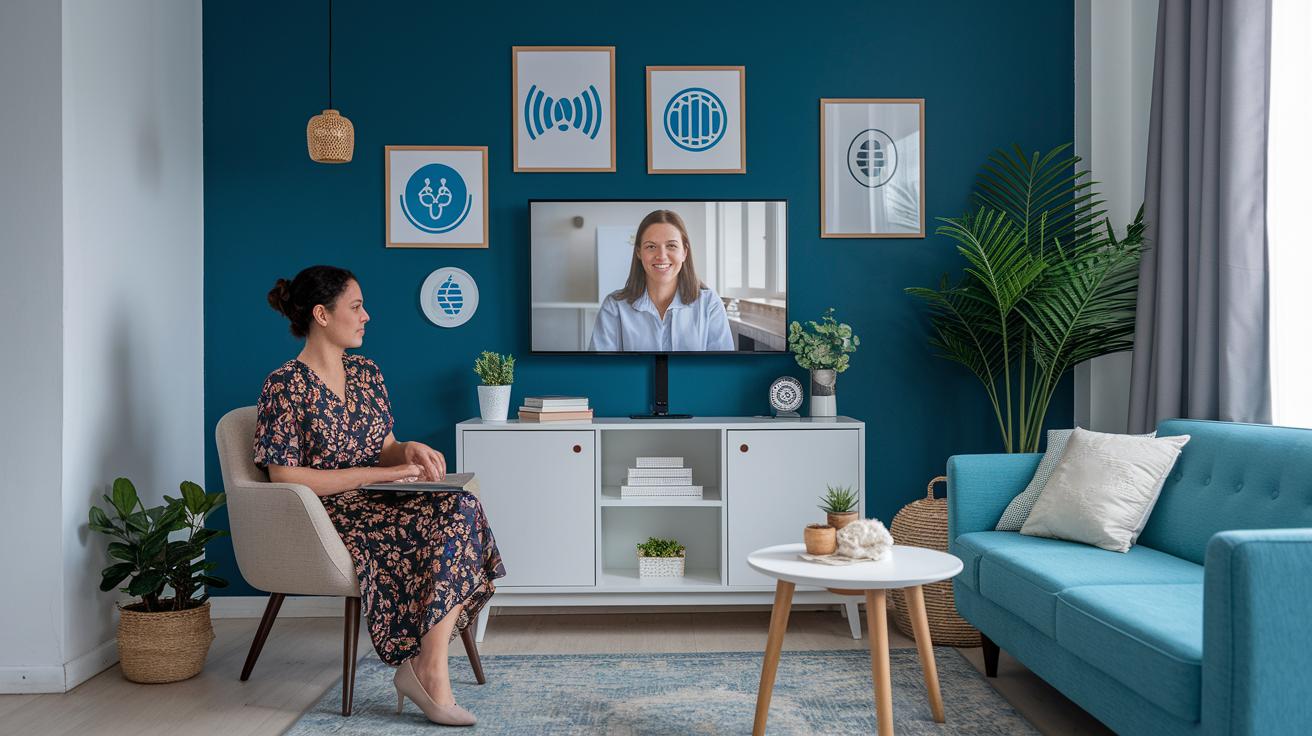
For health providers looking to boost their digital presence, combining a sharp, professional look with smart multi-platform use can really set your consultations apart. Try to adjust your approach based on your patients’ age, culture, and needs. This little tweak can make every interaction feel more personal and caring.
- Keep eye contact natural by placing your camera at eye level. When the camera is at this height, it feels like a real face-to-face talk. This small shift can work wonders.
- Dress neatly and professionally by following a clear dress code that honors cultural traditions and the clinical setting. Think of it as dressing for a key business meeting, it shows you value both your brand and your patient’s care.
- Use simple, everyday language so everyone understands, especially those not familiar with digital health tools. Describe each step in clear terms, much like explaining how to use a phone’s camera.
- Set clear consultation guidelines right from the start. Explain the session structure, how long it will last, and what the follow-up will look like. For instance, you might say, "Today we’ll go over your progress, plan what comes next, and I’ll answer any questions you have."
- Manage your chats across devices by choosing up to three main communication channels. Turn off extra notifications to keep your focus on the talk at hand.
- Personalize your conversation by reviewing patient records in advance. This helps you adjust your tone to fit different age groups and backgrounds. For example, with a senior patient, you might speak slowly and clearly, much like a friendly chat over coffee.
- Set up a clean digital background with good lighting and a plain setting to keep the focus on your conversation. Think of your background as a stage that reinforces your role as a trusted expert.
- Ask open-ended, thoughtful questions to invite your patients to share more about their health. For example, you could ask, "Can you tell me more about how you’re feeling lately?" so they feel comfortable opening up.
These simple tips can make your online consultations friendly and effective, helping every patient feel understood and well cared for.
Technology Solutions for Enhancing Telemedicine Dialogue
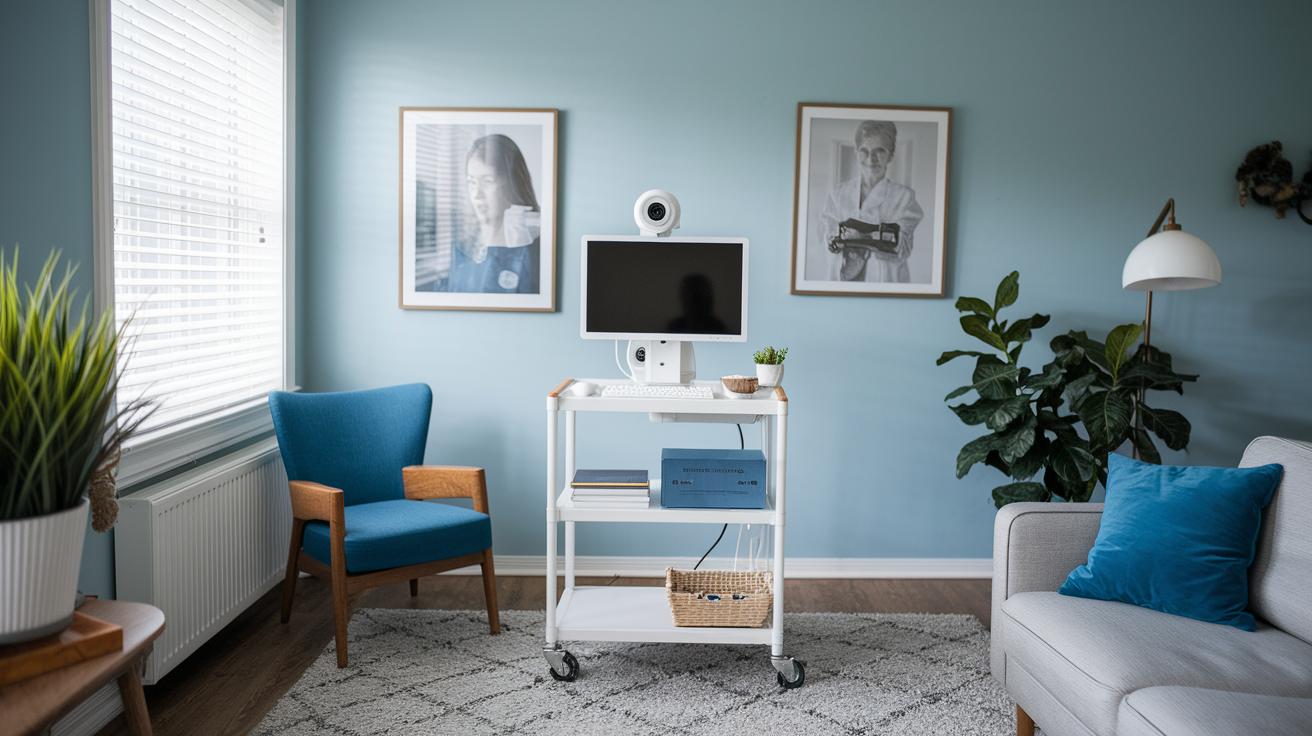
Our telehealth hardware has really evolved. Telehealth carts now mix crisp cameras, clear microphones, and vibrant monitors to create a nearly face-to-face chat right in your living room. They give your virtual doctor visits a personal touch. Plus, built-in video remote interpreting tools offer quick language help, making it easier for everyone, whether you speak a different language or need sign interpretation.
Keeping virtual visits simple makes all the difference. Limiting these chats to just three platforms cuts down on confusion and keeps things clear. Providers who get to know these specialized tools quickly feel more at ease. They know exactly how to switch devices, solve connectivity issues fast, and have backup plans ready. When technology works well, the conversation stays smooth and natural, which is key for great care.
Embracing these smart telehealth tools leads straight to better remote care and builds trust in the virtual process. They truly empower providers to connect with confidence and offer the kind of care that makes you feel supported every day.
Measuring and Optimizing Virtual Visit Communication for Better Patient Outcomes

Talking clearly during telehealth visits makes a big difference. When patients feel listened to, they stick to their plans and feel happier with their care. After each session, a quick survey, like asking "Did you feel heard during our consultation?" lets us know if our words truly reached them.
Next, it helps to keep track of a few key things. For instance, are patients following up on the treatment we suggested? Are we answering their questions well? And does each session last just the right amount of time? Keeping an eye on these details is like tuning a radio until the sound is just right.
Then, using simple improvement techniques, ideas inspired by models like those from IHI, we can look at our feedback and make small changes over time. Checking in after visits shows us patterns and lets us adjust our speaking style, so our digital care feels even more caring and effective. Regular reviews ensure that every call or video chat meets patient needs and stays safe, creating a friendly cycle of feedback, learning, and better health for everyone.
Final Words
In the action of improving virtual doctor visits through effective communication, we dug into clear, human chat techniques that replace face-to-face cues. We shared steps for building digital rapport, handling technical bumps, and boosting patient trust with friendly, straightforward guidance.
By keeping the conversation warm and clear, our discussion shows that digital consultations can feel personalized and secure. It’s a reminder that each small step in communication makes a big difference in patient care. Stay positive and keep connecting with care.