
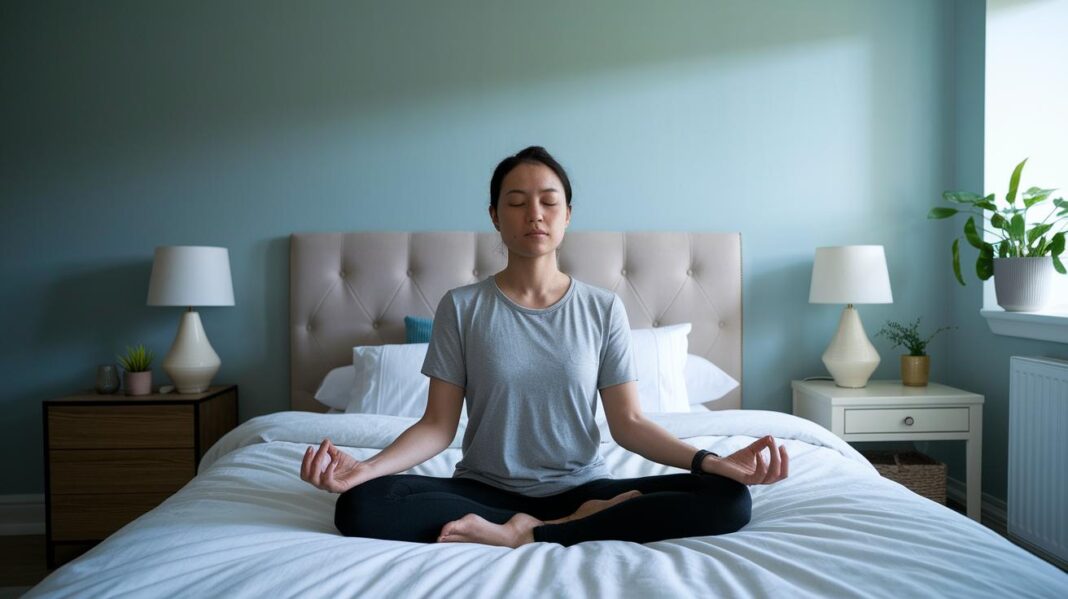

Have you ever wondered why you might be tossing and turning at night? Research shows that not getting enough good sleep can leave you feeling foggy and slow the next day. It turns out that simple wellness tweaks can make a big difference.
Try setting up a relaxing bedtime routine and creating a super comfy space in your room. These small changes can help you sleep better and give you a boost for the day ahead.
Curious to see how these little steps can lead to sweeter dreams and a brighter, more energetic day?
Top Wellness Tips To Improve Your Sleep Tonight

You already know how important good sleep is. Yet, for many of us, snagging 7–8 hours a night feels almost out of reach. Studies tell us that missing sleep can hurt memory, cut down your focus, and slow your reaction times, kind of like trying to work on autopilot. So, sticking to simple sleep habits is key. Start by arranging a calming, dim space free from screens and distractions. Then, ease into bedtime with a little stretching or some soft tunes to help your body settle down.
Another trick? Keeping a regular sleep schedule, even on weekends. Set a steady bedtime and wake-up time to help your internal clock get on track. When night falls, try reading a book, scribbling in your journal, or enjoying a warm cup of decaf tea. These little habits remind your brain that it’s time to wind down. Such consistent steps build the perfect environment for a refreshing night’s sleep.
And here’s the best part: these tips not only improve your sleep quality but also boost your energy for the day ahead. By setting up routines, adjusting meal times, and reducing late-night screen time, you’re making a solid choice for your health. Why not start tonight? Your body and mind will be all the happier for it.
Designing Your Sleep Sanctuary With Environment Optimization

Ever thought about turning your bedroom into a cozy sleep haven? A few gentle tweaks can set the stage for a night of deep, refreshing rest. Start by keeping your room dark and cool; aim for a temperature between 60 and 67°F. This little adjustment helps to create a calm space for tranquil sleep.
Clearing out screens and clutter invites a sense of peace. It’s like giving your mind a chance to unwind without distractions. Imagine the soft fall of darkness when you close blackout curtains at bedtime. Add in a white noise machine that offers a gentle hum, and you’ve got a perfect recipe for a soothing night. Sometimes, the smallest changes make the biggest impact.
Here's a simple guide to enhance your sleep space:
- Use blackout curtains to keep unwanted light outside.
- Set your thermostat between 60 and 67°F to maintain a cool, comfy room.
- Remove digital devices and clutter for an inviting, relaxed space.
- Consider a white noise machine or soft ambient sounds to cover background noise.
Crafting a Consistent Bedtime Routine for Restful Nights

Every night, set aside a special hour to shift from your busy day into a calm, peaceful state. This is your time to let go of the day's stress and ease into sleep. Instead of merely dimming the lights or jotting thoughts down, try adding a few deep breaths or a gentle reading session. For example, you might say, "I take five deep breaths to release the tension," and really feel the calm wash over you.
- Dedicate a full 60 minutes just for winding down.
- Dim the lights and switch off or put away screens so your eyes can relax.
- Spend about ten minutes on mindful breathing or some quiet reflection.
- Move your body with gentle stretches or easy yoga to help you unwind.
- Finish with a warm, caffeine-free drink to soothe both your mind and body.
Relaxation Techniques and Mindfulness Practices Before Bed

At night, your mind might still be racing even though you’re ready to sleep. Try a simple exercise like the 4-7-8 deep breathing technique. You breathe in for 4 seconds, hold that breath for 7 seconds, and then slowly exhale for 8 seconds. This gentle rhythm helps lower your heart rate and tells your body it’s time to wind down.
Mindfulness meditation can also ease you into a calm state. Imagine playing soft ambient sounds or simply putting on gentle music to turn your room into a cozy, quiet retreat. For more tips, check out some wellness ideas for effective relaxation. Even just a few mindful moments can shift your focus away from daily stress and welcome a peaceful night.
Mixing deep breathing with other calming practices can be a great way to get ready for sleep. For example, progressive muscle relaxation has you tense and then relax different muscle groups over about 15 minutes. Doing these exercises together helps you notice physical sensations and lets go of lingering tension before bed.
Guided Imagery
Spend 5 to 10 minutes picturing a calm scene, like a quiet beach or a soft green meadow. Visualize gentle waves, a cool breeze, and the soft sound of rustling leaves. It’s a little mental escape that can really soothe your mind.
Progressive Muscle Relaxation
Start at your toes and slowly work your way up. Tense each muscle group for a few seconds and then relax it completely. Move from your legs to your abdomen, chest, arms, and finally your face. This simple routine can help ease tension from head to toe.
Nutrition and Beverage Choices That Support Sleep

Evenings are a great time to pick foods that help your body wind down. Try eating a light meal a few hours before bed so your body can relax easily. Avoid heavy or spicy foods that might keep your stomach busy when you should be resting. Also, after 2 PM, think about skipping caffeine so you aren’t too wired at bedtime. A handy trick is to switch to calming herbal teas like chamomile or valerian-root. These warm drinks gently soothe your body and set a peaceful mood for the night.
Staying hydrated is important, but try to cut back on liquids in the hour before bed so you don’t end up making too many trips to the bathroom. Small changes like this help your body settle into a balanced state for sleep. And if you feel a little hungry close to bedtime, choose a small, light snack that won’t keep you awake. These simple adjustments give your system the best chance to relax naturally, paving the way for a night full of sweet dreams.
Timing Exercise for Optimal Sleep Benefits

Exercising during the day can lift your mood and keep your body clock on track. But once evening rolls in, it's best to switch to calm and gentle movements.
Evening stretching or a few minutes of yoga can really help ease stress and set the stage for a good night's sleep. Try a bit of relaxing yoga or some simple stretches as your day winds down. It can soothe tired muscles and whisper to your body that it's time to chill out. Just remember, steer clear of any heavy workouts at least two hours before bedtime so your heart can slow down naturally.
This friendly, balanced approach helps keep your rhythm steady while still letting your body enjoy the benefits of movement. Choosing low-key exercises at the right time can go a long way in getting both your mind and body ready for a peaceful sleep.
Monitoring Sleep Patterns with Technology and Data

Have you ever wondered how well you really sleep? Sleep tracking apps and wearable monitors make it super easy to find out. They keep track of how long you sleep, the different phases you go through, and even if you wake up during the night. Over about a week or two, this info starts showing patterns and points out where you might want to tweak your routine. Even a small change, like shifting your bedtime by 15 minutes, could help you settle into a better rhythm.
Using these sleep analysis tools means you’re not just guessing about your rest. You’re looking at real numbers to guide your health choices. Many devices even have gentle alarms that wake you up during light sleep phases, so you feel less groggy in the morning. For more on how device-based monitoring works, check out wearable tech for health (https://ourmobilehealth.com?p=324).
Here are a few friendly tips to get the best data from your devices:
- Track your sleep for at least a week to see clear patterns.
- Look at your sleep stages and any times you wake up to spot things that might be affecting your sleep.
- Try adjusting your bedtime in small steps until you find what feels right.
- Consider using a gentle alarm to make waking up easier.
These simple, data-based steps can help you fine-tune your sleep routine and boost your overall wellness.
Final Words
In the action to improve sleep tonight, simple changes to your environment, routine, and lifestyle stand out. We touched on creating a cozy sleep space, setting a regular bedtime, unwinding with mindful practices, choosing sleep-friendly foods, timing exercise right, and using tech to track your sleep. These wellness tips for better sleep help make every night a little more restful and every day brighter. A few thoughtful tweaks can really transform your rest and overall well-being.
FAQ
How can I naturally improve my sleep quality?
The approach to naturally improving your sleep includes establishing a consistent bedtime routine, creating a cool, dark room free of screens, and engaging in calming activities like journaling and gentle stretching.
How can I sleep fast in 5 minutes?
The method to sleep fast in five minutes involves quieting your mind with deep breathing and relaxing your body in a dim, comfortable space that signals it’s time to rest.
What diet supports better sleep?
The diet for better sleep emphasizes lighter, balanced meals paired with foods like bananas and cherries, along with herbal teas, to help your body relax and prepare for a more restorative sleep.
How can I increase deep sleep naturally?
Increasing deep sleep naturally means adopting calming activities before bed, keeping your room cool and dark, and avoiding heavy meals or high-intensity exercise close to bedtime so your body can rest deeply.
How can I sleep better when feeling anxious?
Sleeping better with anxiety involves creating a calm environment with minimal distractions, practicing gentle breathing or stretching exercises, and following a regular, reassuring pre-sleep routine to soothe your mind.
How can I sleep through the night without waking up?
Sleeping through the night without interruption often requires a consistent sleep schedule, reduced late-night screen time, and an optimized sleep environment that is cool, dark, and quiet to support uninterrupted sleep.
What is the 3 3 3 rule for sleep?
The 3 3 3 rule for sleep involves turning off screens three hours before bed, spending three minutes on a relaxation technique, and noting three positive thoughts, all to help ease your mind for sleep.
What is the 10 5 3 2 1 rule for sleep?
The 10 5 3 2 1 rule for sleep outlines a timed wind-down routine that allocates ten minutes for winding down, five deep breaths, three minutes of gentle relaxation, two moments of quiet reflection, and one final minute of calmness before sleep.