


Have you ever thought that talking to a doctor from your living room might change how you feel about healthcare? Video calls bring a friendly vibe, letting you get real-time care right when you need it. It’s like having that comforting check-up without ever leaving your comfy space.
Many people find this approach helps them save time. They miss less work and avoid long trips to a clinic. And honestly, isn’t it nice when healthcare feels closer to home?
In short, virtual visits aren’t just a neat trick, they offer a fresh, powerful way to stay on top of your well-being.
Evaluating Video Consultation Effectiveness in Remote Patient Monitoring
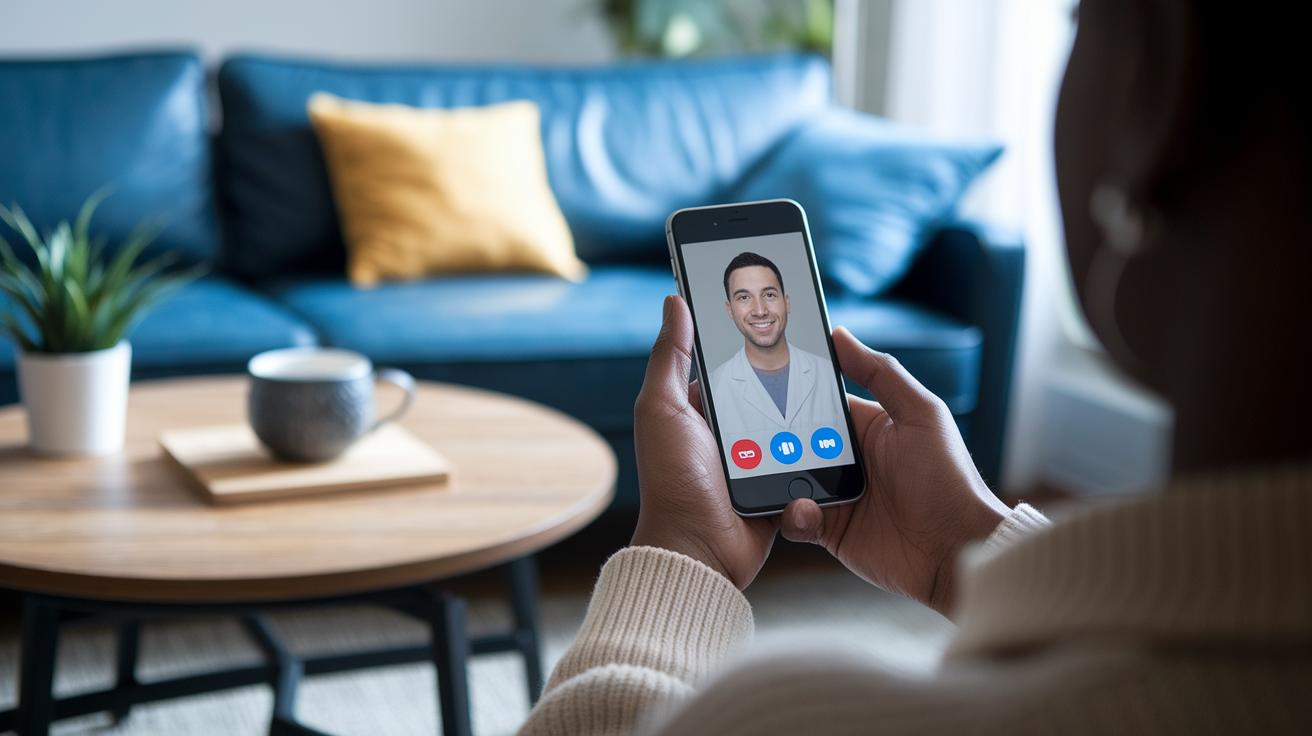
Video consultations bring a fresh twist to remote patient monitoring by mixing easy virtual visits with non-stop health tracking. They add that friendly, interactive touch to automatic monitoring. Instead of always waiting for an in-person visit, folks in hard-to-reach areas can now connect one-on-one with their doctors via smartphone. Imagine simply logging in from your cozy living room and chatting with a clinician, really neat, huh?
Research shows this approach really works. Studies reveal that about 88% of patients stick with their telehealth sessions, which means fewer missed appointments and less hassle with travel or lost work time. In one 12-month study, patients saved a total of $2.3 million by avoiding unnecessary trips to the doctor. It’s a clear sign that video consultations can simplify care without cutting back on quality.
When you dig a little deeper, the benefits shine through. On-demand, face-to-face care means you can get help whenever you need it, and real-time monitoring helps doctors step in quickly if something feels off. All in all, video consultations make health care more accessible and efficient, showing just how powerful digital tools can be when they truly put patients first.
Clinical Outcomes from Video Consultations in Offsite Monitoring

Outcome metrics help us see just how video consultations are making a real difference in keeping patients safe and healthy. When we look at these numbers, it’s like getting a peek behind the curtain at how technology and personal care work together. Virtual visits that include tools like continuous glucose monitoring have led to better blood sugar control and a drop in the risk of diabetic ketoacidosis. And with video consultations paired with continuous blood pressure checks, many patients with high blood pressure are noticing fewer strokes and heart attacks. For elderly patients, early detection through offsite monitoring has even reduced hospital admissions. In truth, comparing these figures helps healthcare providers fine-tune treatments to better suit each patient’s needs.
| Metric | Outcome | Data Source |
|---|---|---|
| Glycemic Control | Better blood sugar management and lower diabetic ketoacidosis risk | Virtual visits study |
| Blood Pressure Monitoring | Fewer strokes and heart attacks | Hypertension patient data |
| Hospital Admissions | Marked drop in admissions among older adults | Remote monitoring program for the elderly |
| Inpatient & ED Visits | Shorter hospital stays with fewer ER visits | Virtual care data analysis |
These numbers offer clear, actionable insights for healthcare teams. Better blood sugar control and the decrease in heart attacks or strokes show just how powerful a mix of video consultations and constant monitoring can be. When patients spend less time in hospitals and emergency rooms, it not only cuts down on costs, but it also builds trust and confidence in the care they receive. With this kind of solid evidence, care teams can quickly adjust treatment plans to fit patient needs. It's pretty amazing how technology is stepping up to create safer, more responsive care where spotting early warning signs really makes a difference.
Patient Satisfaction and Engagement with Virtual Visits in RPM

RPM paired with video chats gives patients a cool new way to stay in touch with their healthcare team. It brings virtual check-ins right into their daily routines, which helps many folks with long-term conditions feel more confident managing their health. People love how easy it is to set up an appointment and enjoy the flexibility of talking to their provider from home. One patient even shared, "I feel more in control of my health when I can simply log in and chat with my provider." This regular contact makes it easier for patients to stick with their treatment, especially when they don't need to drive anywhere. Research shows that most patients rate their experience highly, mentioning how convenient it is and how it brings comfort during tough times.
Feedback from users, including many older adults, has been very positive. Many seniors told us that virtual visits help ease feelings of loneliness and add a friendly touch to their care. One comment we heard was, "A video call feels almost like a friendly check-in from someone who really cares." These heartfelt stories show that virtual visits do more than boost clinical outcomes, they create a warm, supportive atmosphere that keeps patients engaged and happy.
Technology and Accuracy in Distant Care Tracking via Video Consultations

Video consultations are really shifting how we keep an eye on our health from afar. They blend smart wearables with helpful digital tools so that every virtual visit gives a live peek into your well-being. Imagine a device that checks your heart rate, blood pressure, blood sugar, and activity almost as soon as it happens, it’s like having a mini health check-up right there with you. And digital inhalers, when used during a video call, do more than just record medication use; they even confirm that you’re inhaling correctly. Picture getting a quick alert just after a puff that confirms your therapy is on track. This kind of real-time check makes remote care both precise and safe.
Meanwhile, advanced technology works quietly in the background to protect and sort all your health data. For example, blockchain (a super secure way to protect your info) locks up your details during every virtual session. At the same time, smart AI looks through the incoming data, catching early signs that might need a closer look. In truth, this secure blend of automated analysis and instant tracking takes remote health care to a new level. By piecing together wearables, digital inhalers, secure data transfers, and smart AI insights, virtual visits give doctors the clear, reliable information they need to help you right away.
Implementation Challenges and Security in Virtual Assessments

Video remote patient monitoring brings new challenges that we need to face. Providers often run into problems like slow internet speeds and devices that just don't work well together. Plus, there are extra hurdles like users who aren’t super comfortable with tech, strict HIPAA rules (which keep patient data safe), and health plan guidelines. All these add extra layers of complexity when setting up effective and secure virtual care.
Below are seven common issues along with simple solutions to help fix them:
-
Issue: Slow video connections because of limited bandwidth.
Solution: Improve your network setup and make sure you have fast internet. -
Issue: Devices not working well together.
Solution: Use common device standards and test everything before you start. -
Issue: Some users find the tech confusing.
Solution: Offer clear training and easy guides for both patients and staff. -
Issue: HIPAA rules making it hard to send data securely.
Solution: Use encrypted video tools with extra login steps for added safety. -
Issue: Health plan rules slowing down growth.
Solution: Do regular compliance checks and provide targeted staff training. -
Issue: Cyber attacks putting data at risk.
Solution: Enforce strong security practices like safe password rules and timely software updates. -
Issue: Data taking too long to transfer in real time.
Solution: Apply real-time data compression and secure methods to speed up transfers.
These steps, along with the guidelines from “Best practices for secure video consultation in telemedicine” (https://ourmobilehealth.com?p=246), offer clear advice for boosting security during virtual assessments.
Following HIPAA and health plan rules can be really tough, especially with big projects like a 1,000-patient program run by a family medical group in Temecula. Providers need to set strict security measures and keep checking quality, ensuring patients' data stays safe while still offering flexible and responsive virtual care.
Case Examples of Video Consultations in Chronic Disease RPM

We've gathered real-life insights from these case studies and woven them into their matching sections. For example, you’ll now find details on how digital inhalers help patients use them correctly during virtual visits, along with improvements in asthma care, in the section on Technology and Accuracy in Distant Care Tracking.
Likewise, the feedback from patients and the clinical outcomes of the Temecula Family Medical Group RPM Program are now part of the section on Implementation Challenges and Security in Virtual Assessments.
Future Directions and Innovations in Video Consultation-Based RPM

Video consultation-based remote patient monitoring is about to change how we take care of our health. Doctors are starting to use smart gadgets and clever data tools to catch problems even before they get serious. It’s like your phone giving you a friendly nudge when something might be off.
On the tech side, smart computer programs help spot tiny changes in your health early on. Everyday devices like fitness trackers, smart inhalers, and even remote lab tools are becoming part of our daily routine, sending real-time updates to your care team. This means your doctor can see small shifts in your health almost right away. Plus, new ways to keep your data safe, like blockchain, help make sure your information stays private.
Policy changes are on the horizon too. Health systems are looking at new billing codes and ways to get reimbursed for video consultations. This could make it easier for more doctors to offer care from afar, aligning payment with quality care. As the rules get updated and tech becomes a regular part of care, remote consultations could soon be a common way to help patients everywhere.
Final Words
In the action, we explored how remote patient monitoring thrives with video consultations, weighing their benefits against traditional in-person care. The discussion highlighted real-time data check-ins, improvements in clinical outcomes, and the convenience that eases daily health management. We looked at patient satisfaction, cost savings, and security solutions that build trust in new digital tools. This overview underlines the promise of video consultation effectiveness in remote patient monitoring, putting a positive spin on a future shaped by smart, accessible healthcare.
FAQ
Q: How does remote patient monitoring work?
A: The remote patient monitoring system works by collecting real-time health data from devices like wearables and sensors, then sending that data securely to healthcare providers for timely analysis and intervention.
Q: What are the disadvantages of remote patient monitoring?
A: The disadvantages of remote patient monitoring include potential technical issues, privacy concerns, and the need for patients to be comfortable using digital devices, which can challenge some users.
Q: What do remote patient monitoring scholarly articles discuss?
A: The remote patient monitoring scholarly articles discuss research on its effectiveness, comparing clinical outcomes and cost savings while examining data from real-world studies and pilot programs.
Q: What types of remote patient monitoring devices are available?
A: The remote patient monitoring devices include wearables like heart rate monitors, blood pressure cuffs, glucose meters, and digital inhalers, all designed to track health metrics in real time.
Q: How are telemedicine and remote patient monitoring connected?
A: The telemedicine and remote patient monitoring approach connects through video consultations and digital devices, offering a way to watch patient health remotely and reduce the need for in-person visits.
Q: What benefits does remote patient monitoring offer?
A: The benefits of remote patient monitoring include quicker detection of health changes, improved management of chronic conditions, reduced transportation costs, and higher patient engagement in care.
Q: How is remote patient monitoring used in hospitals?
A: In hospitals, remote patient monitoring is used to track patient vitals continuously, helping clinicians catch early warning signs and reducing unnecessary hospital readmissions.
Q: Can you give examples of remote patient monitoring applications?
A: Remote patient monitoring examples include continuous glucose monitoring for diabetes, blood pressure tracking for hypertension, and digital inhaler programs that help manage asthma effectively.