
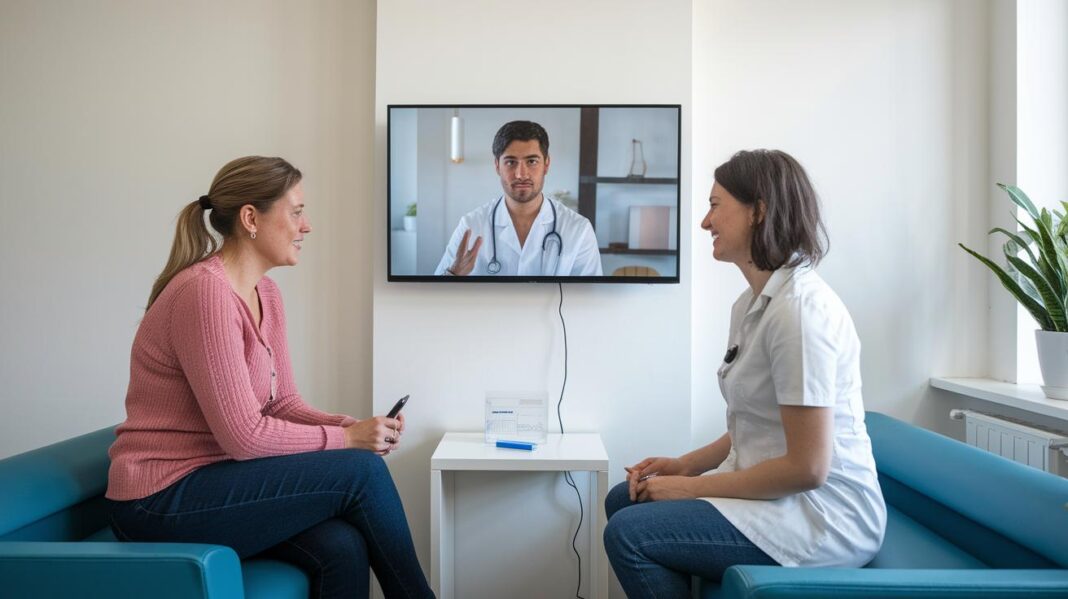

Have you ever wondered if a video call could replace your visit to the doctor? Telehealth is quickly changing how we handle medical care. With remote checkups, live health tracking (monitoring your health from far away), and smart tools that help figure out what’s going on, expert advice comes straight to your home.
Imagine having a doctor ready to help whenever you need it, like having one in your pocket. Today, we’re looking at how these new telehealth breakthroughs are lighting up modern medicine and making quality treatment easier to reach than ever before.
Breakthrough Telehealth Technology Innovations Transforming Care

Telehealth has quickly become a key part of today’s primary healthcare. What began as a backup option turned into a vital service, especially after COVID-19 showed how much it could help in rural and under-served areas. Now, video check-ups and remote visits offer same-day or next-day care. This means someone far away can get advice from a specialist without a long trip, making care feel immediate and accessible.
New tech tools are reshaping how we get care. Remote monitoring systems now gather important health details, like taking your blood pressure several times a week, to help adjust treatments on the fly. And AI-powered diagnostic tools aid doctors in spotting health risks and reviewing images automatically. Robotics-supported surgery is also stepping in, so some procedures need less of a surgeon’s physical presence. Mobile health wearables keep you connected by offering ongoing insights into your well-being, whether you’re managing a chronic condition or dealing with mental health challenges. Even behavioral health apps are lending a hand with early intervention support, turning daily data into simple, actionable steps.
Access to care has never been easier either. Quick scheduling options let patients connect with nurse practitioners via video visits, often the same day or next day. Programs like MedStar eVisit provide help around the clock for non-emergency issues, so support is always within reach. This smart blend of advanced technology and simpler appointment methods makes healthcare feel modern, responsive, and personal.
Cutting-Edge Telehealth Remote Patient Monitoring Systems
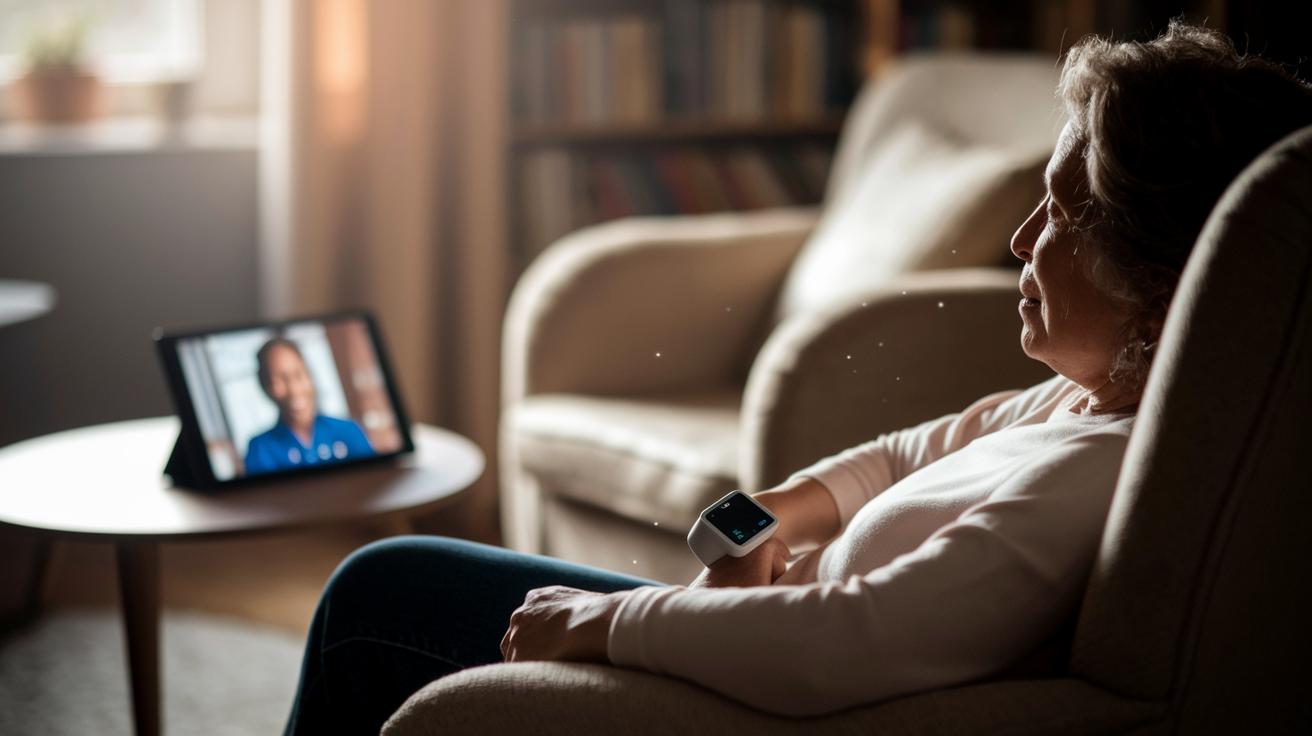
Telehealth makes getting care simpler by mixing everyday check-ups with quick video chats. It helps you stay on top of your health without extra hassle. The table below shows how different devices work and how often you might use them, giving you clear examples to connect with our earlier talk.
| Device | Function | Recommended Monitoring Frequency |
|---|---|---|
| Wearable Monitor | Follows your heart rate, blood pressure, and activity levels | Multiple times daily |
| Sensor-Based Diagnostic Tool | Checks your blood oxygen and glucose levels | At least 4 times weekly |
| Mobile Diagnostic Device | Records live images and vital signs | Weekly evaluations |
A study from MedStar Health Urgent Care shows that a specialist can join a video call in under two minutes if needed. With guidelines like daily wearable updates and sensor checks four times a week, these examples show how modern monitoring helps doctors quickly adjust care when required.
Telehealth AI-Powered Diagnostics and Decision Support
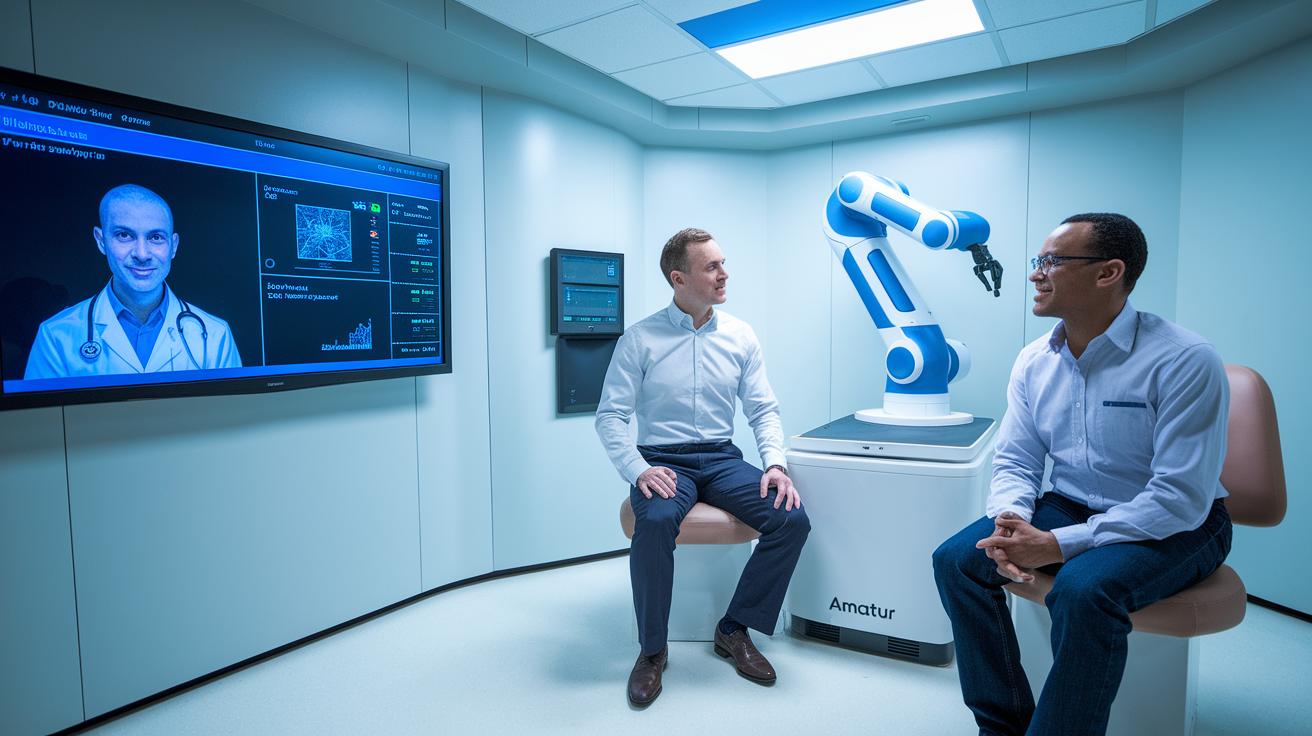
AI is really shaking things up for doctors. It looks at images, checks health data, and sorts through symptoms automatically. This means tests and scans are done in seconds, helping spot problems early. In telehealth, these smart tools trim down waiting times so remote visits feel quicker and more on point. Plus, when combined with robotics-assisted consultations and virtual triage systems, doctors get a clear picture even before the video call starts.
These AI features pack a punch for helping clinicians make smart choices. Here are some of the key perks:
- They scan medical pictures fast to catch unusual signs.
- They predict risks so warnings are sent out early.
- Their symptom checkers quickly flag urgent cases.
- They spot hidden patterns in data to reveal trends.
- Their virtual triage systems help streamline patient referrals.
Altogether, these tools build a strong support system that doctors can count on. With data and real-time updates, every diagnosis is more precise. This makes telehealth not only easy to access but also super responsive to your needs.
Telehealth Video Consultation Software and Platform Innovations
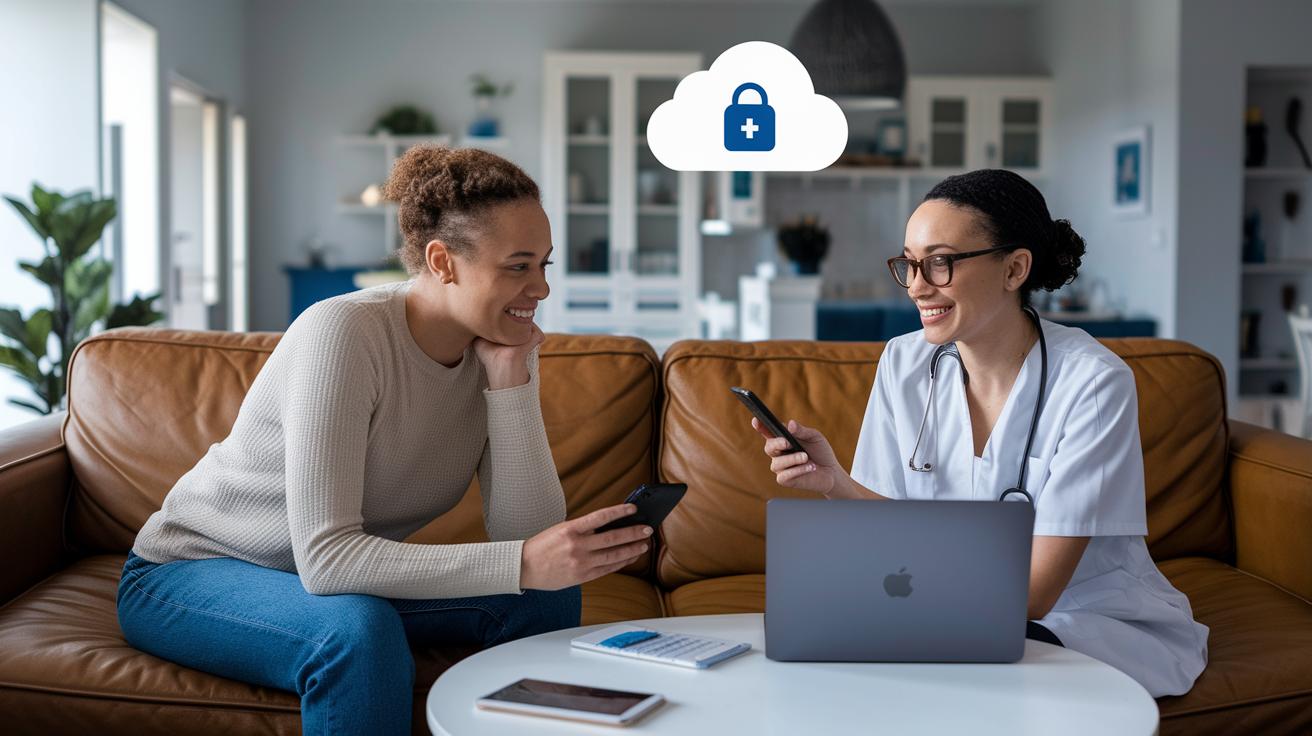
Booking a video visit has never been easier. Patients can quickly schedule same-day or next-day appointments with nurse practitioners using smooth, automated workflows. It’s as simple as tapping a button and getting an instant confirmation, it really feels like having a healthcare helper right in your pocket.
Your health information stays safe during these digital visits, too. Top-notch security, including end-to-end encryption, protects every call from potential breaches. And since the platforms follow HIPAA guidelines, your personal data remains private, kind of like sending a secret note that only you and your doctor can read.
The user experience is designed with you in mind. High-definition video makes consultations feel almost like you’re in the same room with your doctor. The easy-to-use design means joining a session is quick and stress-free, even in a pinch. This efficient blend of security, clarity, and personal touch is changing the way we think about telehealth.
Telehealth Cloud-Based Platforms and EHR Integration
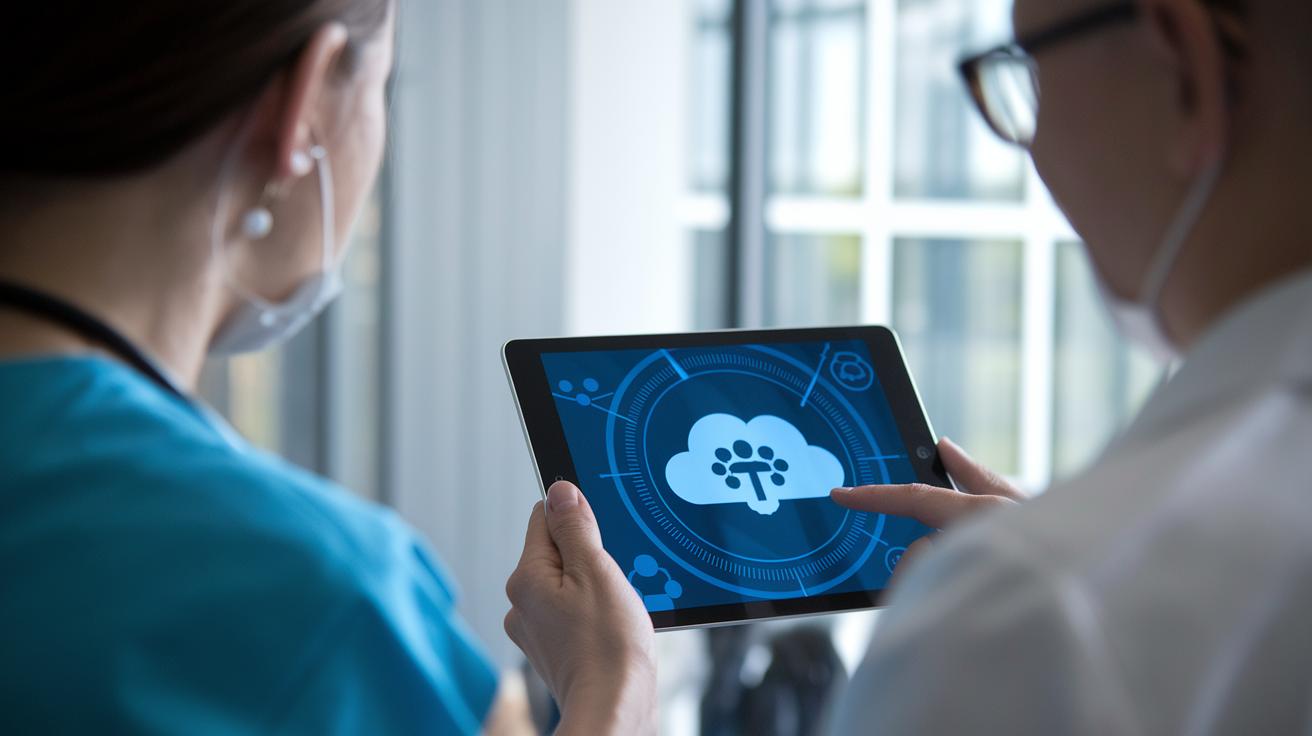
Cloud platforms help connect remote care with in-person visits by letting everyone share the same patient record. This means every provider can see the most up-to-date details, no matter where they are. Linking different systems makes treatments run smoothly, with the patient always in the spotlight.
Data races easily between devices and doctors. For example, information from wearable gadgets or mobile tools gets to the cloud in real time. So, when a nurse updates details during a telehealth call, the record shows it right away. This live sharing cuts delays and keeps patient histories fresh for any clinical review.
Tech rules let health devices talk to each other through the cloud. No matter if the data is from a sensor or a mobile monitor, strict standards make sure every bit of information fits perfectly into the big picture. This secure pathway keeps records complete without adding extra work for busy healthcare teams.
When care is combined in one place, cloud platforms and EHR systems provide a real picture of a patient’s health. Doctors can change treatment plans quickly and check updates easily because all the information is together. In short, this smooth connection supports ongoing care that stays true to each patient’s needs.
Telehealth Clinical Hardware Breakthroughs and Remote Diagnosis Tools

AR/VR in telehealth is opening up a whole new way to help both doctors and patients. These tools let doctors step into a simulated space where they can see and interact with a patient's body. Imagine a consult through AR, where a doctor virtually examines the area needing surgery before anything begins. This makes everyone feel more ready and relaxed when it really counts.
Portable imaging devices are another exciting breakthrough. They capture live images and vital signs so doctors can review them right away. Picture yourself at home and getting a clear scan of a concern, quick, simple, and effective in catching issues early.
Robotic systems are stepping up too. With these devices, doctors can assist or even perform procedures from afar using computer-guided precision tools. This means patients in remote areas can receive care when they need it, even if a specialist isn’t nearby.
Telehealth Regulatory, Privacy, and Cybersecurity Trends
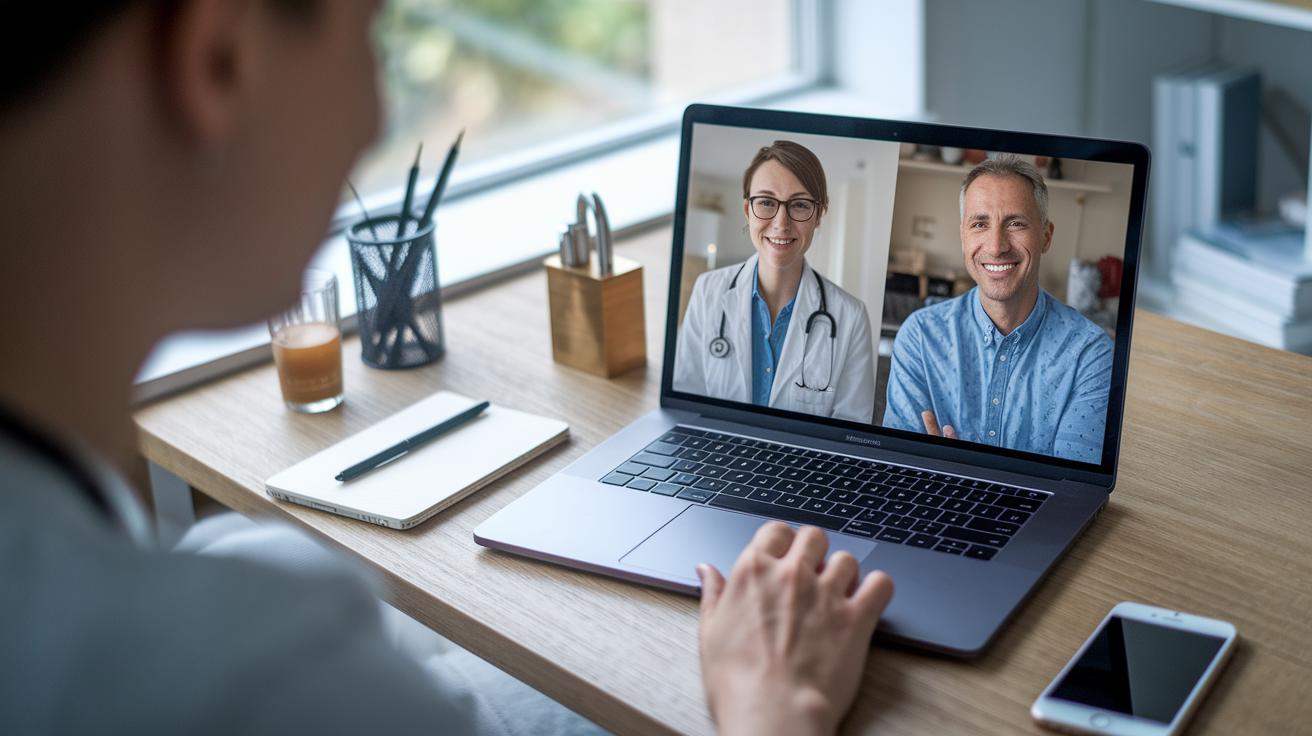
Rules and standards set the stage for keeping patient info safe in telehealth. Health laws like HIPAA (a rule that guides how personal data is handled) and new privacy rules help providers secure your details. Market research, even that found in "health care market research" (https://healthandwealth101.com?p=995), shows that clear rules build trust between patients and professionals.
Clear guidelines make digital care smoother for everyone. They explain how medical records get shared safely and make sure each part of your care follows legal rules. When every provider sticks to the same standards, patients feel more secure during remote sessions.
Solid cybersecurity acts like a safety net for sensitive health data. Tools such as firewalls, encrypted data transfers, and regular system checks quietly work to keep breaches at bay. This means that every video call and data upload stays well-protected from threats.
Ethics also play a big role in digital healthcare. Providers work hard to balance new innovations with deep respect for your rights, ensuring technology never compromises your privacy or fairness. This thoughtful blend of clear rules, robust security, and ethical care makes digital healthcare both trustworthy and respectful.
Final Words
In the action, we covered how digital healthcare now brings care to your fingertips. We talked about advances in remote monitoring, AI-driven diagnostics, efficient video consultation platforms, integrated health data systems, and breakthrough clinical tools. Telehealth technology innovations are reshaping how we manage health, making services more accessible and secure. Quick, personalized care is now a tap away, and every step helps bring a bit more ease and reassurance to your daily routine. The future of healthcare feels bright and within reach.
FAQ
What is telehealth?
The telehealth refers to digital health care delivery using virtual consultations and remote monitoring, which helps patients access care outside traditional settings while keeping interactions secure and effective.
What are some telehealth technology examples?
The telehealth technology examples include video visits, remote patient monitoring devices, wearables for tracking health, and AI-powered diagnostics that make health assessments easier and more timely.
How does telemedicine impact access to care?
The telemedicine impact on access to care involves quick video consultations, 24/7 urgent care platforms, and remote diagnostic tools that overcome geographical and timing barriers, ensuring effective and safe care.
What recent telehealth innovations are discussed in healthcare articles?
The telehealth innovations highlighted include AI-driven screenings, robotics-assisted surgical tools, and advanced remote monitoring systems that provide faster diagnosis and improve chronic disease management.
How has telehealth transformed primary care delivery?
The telehealth transformation into primary care delivery means digital platforms now offer same-day or next-day access to healthcare professionals, expanding care reach and supporting early intervention in remote areas.