

Have you ever thought about whether your health information is safe every time you tap on your mobile health app? Your medical history and treatment plans need solid protection because even one small flaw could make you question your care.
Imagine your data is guarded by strong locks, like careful encryption and extra checks, protecting it just like a treasured keepsake. In this post, we look at the best ways to keep patient information secure while making sure your digital care stays smart and reliable.
Essential Strategies for Securing Patient Data in Mobile Health Apps
Mobile health apps hold very personal details like medical histories, treatment plans, and prescriptions. When patients share their own health information, it becomes more at risk if not handled carefully. Losing control of this data can hurt trust and affect the quality of care. Following rules like HIPAA isn’t just ticking a box, it truly helps protect sensitive records.
Strong protection in these apps comes from a few simple ideas. First, strong encryption locks data up into secure codes while it’s sent or stored, using common protocols like HTTPS and SSL along with reliable algorithms. Next, features such as two-factor authentication and biometric checks (like fingerprint scans or face recognition) ensure that only the right person gets access. Data also travels through secure channels between devices and servers. Plus, regular security audits and risk assessments help spot any problems early, while minimizing stored data means less risk overall.
Using a layered approach to security is essential. Think of it as building several small walls instead of one big barrier. Even if one layer weakens, the other checks stand ready to keep the information safe. By combining these methods, the system can better guard against breaches and create a secure home for all that sensitive data.
Encryption Protocol Standards for Mobile Health Data Security

Keeping patient data safe is a top priority. Mobile health apps use strong codes to lock away sensitive information when it’s saved or sent. They use methods like AES-256 to protect stored data, TLS to keep data secure as it travels online, and RSA for safe communication. Digital signatures, message authentication codes, and checksums are all in place to make sure the data isn’t changed along the way.
| Encryption Method | Use Case |
|---|---|
| AES-256 | Protecting stored data |
| RSA | Securing data exchanges |
| TLS | Encrypting data in transit |
| Digital Signatures | Verifying data integrity and authenticity |
Good key management is also essential. This means creating keys using strong, random methods, changing them on a regular schedule, and canceling them if something suspicious happens. If a key is ever exposed, the short time it’s active helps limit any harm.
Regular checks of these key processes ensure that older methods are updated as new and better ones come along. In truth, this layered approach helps mobile health apps keep patient data secure against new threats. With ongoing reviews and proactive checks, developers can build a strong defense that not only protects data but also earns patients’ trust.
Strong Authentication and Digital Identity Safeguards in Mobile Health Apps
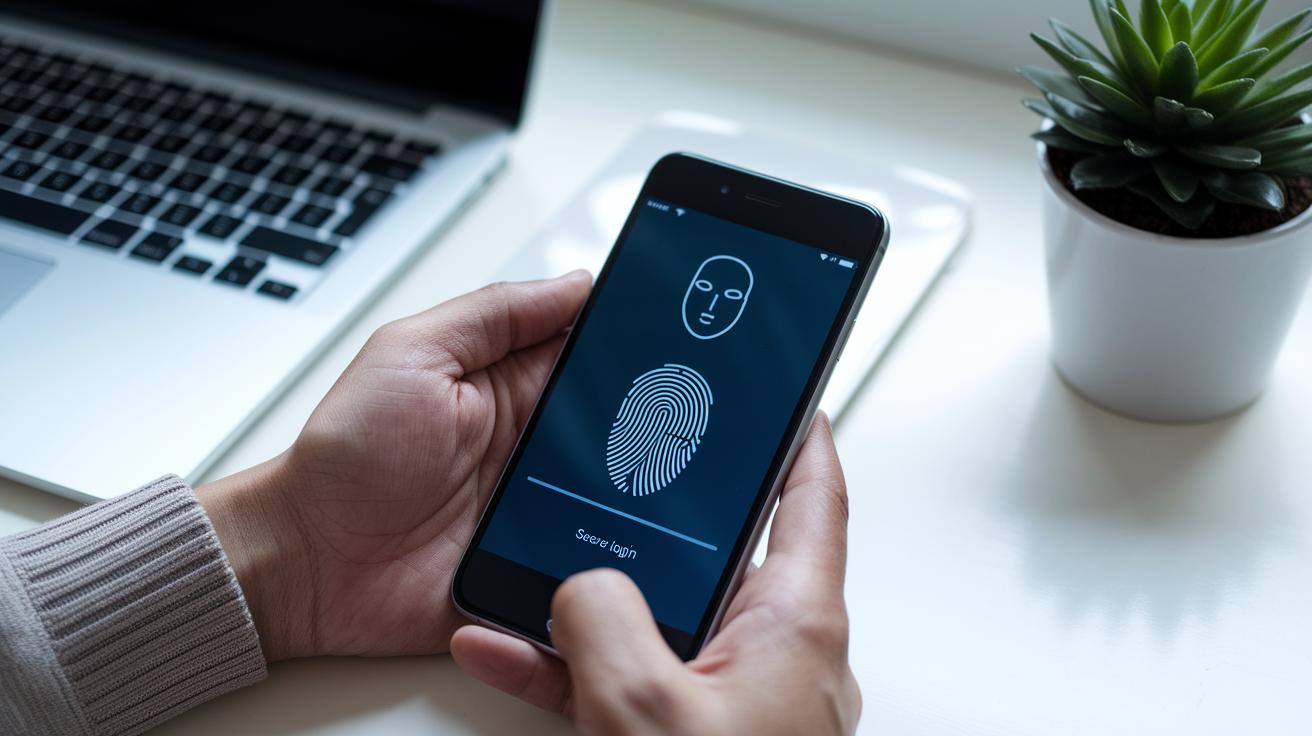
It’s really important that only the right people see your sensitive health information on mobile health apps. We use multi-factor checks to make sure it’s truly you logging in. For example, you might get a one-time code sent via text, or use your fingerprint or even facial recognition. This simple step helps build a safe barrier against anyone trying to sneak in. When the app verifies who you are, it assigns you just the right access, cutting down the chances of a data breach.
Here’s how we keep things secure:
- Use two-factor authentication with SMS or one-time codes.
- Set up biometric checks like fingerprint or face verification.
- Encrypt your login details so they’re safe from prying eyes.
- Stick to strict, role-based access controls.
- Regularly review and audit our access policies.
Keeping your credentials secure means we’re always updating our methods as threats change. Each time you log in, the app makes sure it’s really you behind that password. This extra care protects your privacy and preserves your data’s safety. With strong encryption and regular security checks, we ensure that only the verified users see your vital health records, creating an overall environment you can trust.
Compliance with HIPAA and Global Privacy Regulations for Mobile Health Apps

Keeping our mobile health apps safe and trustworthy means following essential rules that protect patient data. When we use careful security steps, we build trust and respect both national and global privacy laws.
HIPAA Requirements
In the U.S., HIPAA means that health apps must use strong security methods like tight encryption (a special code to protect data), setting who can see the information, and watching over everything constantly. These measures work like a digital lock on sensitive patient records. Regular checks and risk reviews help ensure everything is secure.
Also, HIPAA requires that any outside partner signs a business agreement to promise they handle data carefully. Clear operation rules and regular cybersecurity training for everyone add extra layers of safety. This way, we keep our patient data well protected and follow the law.
International Regulations
Worldwide rules such as GDPR in Europe or PIPEDA in Canada require apps to respect user privacy and act quickly if something goes wrong. Mobile health apps must be clear about the data they collect, how they keep it, and who they share it with. Getting explicit permission from users is a key part of these guidelines.
As these global rules change, developers need to update privacy policies and practices. Keeping up with these standards not only meets legal requirements but also builds confidence with patients. In short, thanks to these careful practices, mobile health apps can support secure and transparent care for everyone.
Secure Transmission Frameworks and API Security in Mobile Health Apps

Mobile health apps need strong safety measures to keep patients' private information secure when it travels over networks. They use methods like HTTPS/SSL, which scrambles data so that anyone trying to peek at it gets nothing meaningful. API endpoints also check each request with token-based authentication and verify all inputs. So every time information moves from your device to a server, it does so behind layers of protection, making it really hard for someone to break in or mess with the data.
Make sure to use HTTPS/SSL for all transfers.
Make API endpoints check tokens.
Double-check inputs so nothing harmful slips through.
Add firewalls to block unwanted traffic.
Use session encryption to protect active sessions.
Regularly check APIs for weaknesses with testing.
Systems like application firewalls and tools that stop intrusions work all the time to keep data flowing safely. Regular updates and security reviews help make sure that digital paths stay secure, protecting the privacy and accuracy of patient details.
Vulnerability Assessment, Incident Response, and Audit Trails for Mobile Health Security

Mobile health apps carry sensitive patient details, so it’s crucial to watch for weak spots and fix issues fast. Strong scanning tools and intrusion checks help hold risks at bay while detailed audit records keep track of every change. Regular scans not only reveal areas that need improvement but also nurture a steady commitment to keeping patient data safe.
Automating Vulnerability Scans
We set up automated scans on a regular schedule to catch any gaps before they become problems. These scans work a bit like a health check-up for your app, using simple tests that inspect code, interfaces, and settings. They run quietly in the background, alerting us when something unusual pops up so we can jump in and fix it quickly.
Incident Response Workflow
When something odd happens, we act fast. Immediately, our incident response team gets notified so they can dig into the logs and trace what went wrong. Next, we isolate affected systems, update patches, and adjust access controls to block further issues. Detailed audit logs are key here, they give us a step-by-step account of every event, helping us learn and strengthen our defenses even more.
Case Studies: Learning from Mobile Health Data Breaches and Best Practices

Mobile health apps sometimes stumble when their tech fixes aren’t strong enough. These incidents have shown us how important it is to have real countermeasures in place for data breaches. They also urge the industry to act fast, report issues properly, and back up data securely.
- One app ran into trouble because its encryption was too weak. The lesson? Improve the encryption and make sure software updates are regular so similar breaches can be stopped.
- Another app was compromised thanks to open API endpoints (the connection points that let apps chat with each other), which malicious users exploited. The key here is to add strong access checks like token verification and tight controls.
- A misconfigured server made it hard to spot a breach quickly, putting patient records at risk. The takeaway is that fast detection, prompt reporting (in line with data breach notification guidelines), and reliable backups are absolutely essential.
Every case here proves that no single layer of protection will do the job. Strong encryption, careful monitoring of API access, and quick fixes can really boost overall safety. Mobile health apps should regularly check for weak spots using security audits, quick patch updates, and scalable backup systems. These steps not only help recover from breaches faster but also build patient trust through clear and proactive safety measures. When you stack up your defenses, the system stays strong, even when one safeguard might falter.
Emerging Best Practices and Future Trends in Mobile Health App Security

Mobile health apps are key to modern care, and new ideas are changing how we keep your data safe. Developers are now leaning on smart solutions that make your experience smoother while boosting security. For example, cloud vaulting gives you one safe spot with encrypted storage and strict rules so your info stays private. IoT medical devices are also getting better with regular updates, which helps block any sneaky hackers.
Privacy tools, like homomorphic encryption (a way to work with data without showing it) and differential privacy (adding tiny bits of noise to protect details), are raising the bar for keeping patient info safe. Telemedicine systems are now built from the ground up with security in mind, mixing care with strong data protection. Soon, a strong mobile defense will mix these smart practices to keep threats at bay.
- Embrace cloud vaulting with encrypted storage and tight access rules.
- Keep IoT devices safe with regular firmware updates.
- Use privacy tools like homomorphic encryption and differential privacy.
- Design telemedicine systems with security built in from the start.
- Boost mobile security with layered strategies and proactive threat checks.
Final Words
In the action, we saw how mobile health apps secure sensitive patient information through robust encryption and strict authentication. Small steps like these reinforce safe data handling across every level.
We outlined methods from HIPAA compliance to secure transmission frameworks. These efforts build an integrated approach for securing patient data in mobile health apps.
Moving forward, there’s plenty of promise in digital health, and every measure taken helps make secure care a reality.
FAQ
Frequently Asked Questions
How do you secure patient data in mobile health apps across different devices and years?
The securing patient data in mobile health apps on iPhone, Android, and in recent years relies on strong encryption, robust authentication, regular audits, and strict compliance with HIPAA standards to keep patient information safe.
How does mHealth support public health initiatives and disease outbreak monitoring?
The mHealth supports public health efforts by collecting real-time data, sending rapid alerts, and helping officials track disease outbreaks to respond quickly and effectively.
What key factors ensure privacy, security, and confidentiality in healthcare mobile apps?
The privacy, security, and confidentiality in healthcare apps are maintained through data encryption, controlled access, ongoing risk assessments, and adherence to legal and ethical guidelines to protect patient data.
Do mHealth data present greater challenges to data security and integrity, and why?
The mHealth data present greater challenges because they involve multiple access points, frequent data exchanges, and varying regulatory needs, which require comprehensive, layered security measures.
What ethical and privacy concerns arise with using mHealth and RPM technologies?
The ethical and privacy concerns with mHealth and remote monitoring involve proper consent management, secure data sharing, protection against breaches, and transparency in how patient data is handled.
How can you protect and secure health information when using a mobile device?
The protection of health information on a mobile device involves using robust encryption, strong authentication methods, timely software updates, and educating users on secure practices for data safety.
Can apps be HIPAA compliant?
The HIPAA compliance of apps is achieved by following strict standards, including data encryption, strict access controls, thorough audit trails, and regular security testing to meet legal requirements.
How do some apps safeguard data on mobile devices?
The apps safeguard data on mobile devices by implementing layered encryption, multi-factor authentication, secure API protocols, and continuous monitoring to thwart unauthorized access and maintain data integrity.