
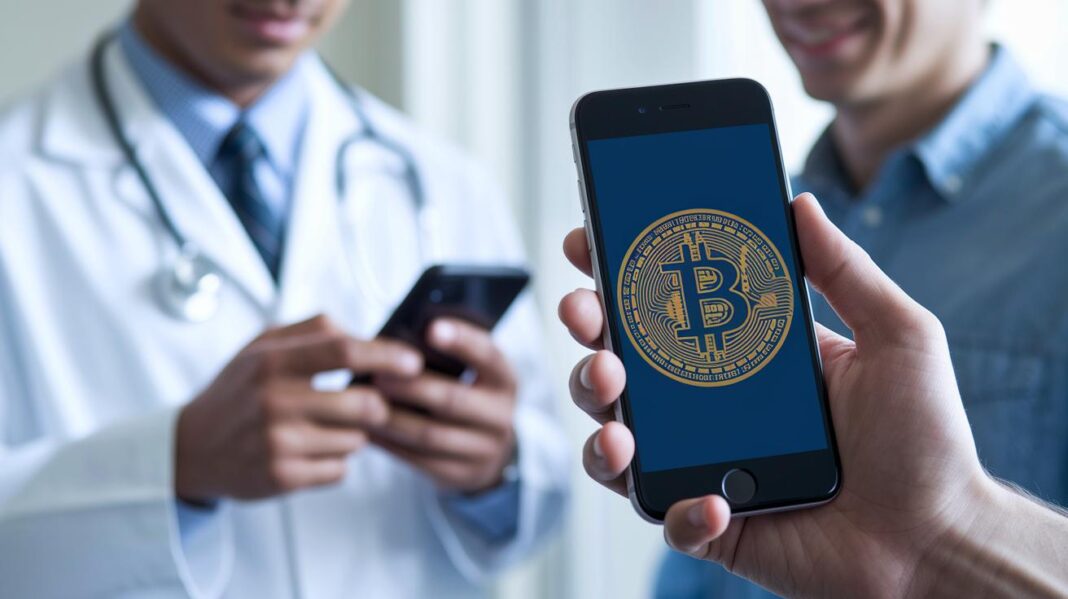

Ever wonder if your mobile health record is really safe? Data breaches seem to be increasing, and keeping your health details secure is now more important than ever.
Imagine blockchain as a super-safe digital vault. It makes it almost impossible for anyone to change your records. This smart technology not only protects your private information but also helps build trust between you and your doctor, turning a weak point into a strong, secure link.
How Blockchain Secures Mobile Health Records

Mobile health records can be very vulnerable. Apps that store patient information sometimes let unauthorized users sneak in, and there were 6,355 breaches in healthcare from 2005 to 2021. Recent years even saw a sharp increase in these issues, making it hard to keep patient monitoring steady.
Blockchain technology is changing that. It links pieces of data across many computers in a secure, time-ordered chain. In simple terms, tampering with or deleting records becomes nearly impossible.
For mobile health apps that help manage chronic conditions, this security boost is a game changer. Think of it like a digital vault that safely guards your sensitive health details. If you ever wondered how these technologies improve care, check out the advantages of mobile health technology.
| Security Feature |
|---|
| Advanced encryption |
| Decentralized storage |
| Immutability |
| Granular access control |
| Transparent audit trails |
This strong security framework ensures that only authorized users can access patient records. It dramatically lowers the risk of data being altered or lost. The blend of blockchain's tamper-proof structure with mobile apps' flexible monitoring helps both patients and providers feel more secure about digital health solutions.
Blockchain Fundamentals for Secure Mobile Health Data

Blockchain works like a digital diary where every transaction is recorded permanently. Each block gets its own unique code that links it to the one before, so if someone tries to change the past, it’s immediately obvious. This setup keeps patient records safe and trustworthy, protecting digital health information from unwanted tampering.
Smart contracts are like little self-running agreements. They automatically make sure health data is shared only when the right conditions are met. Plus, a system of multiple computers has to agree on any new entry, which speeds up how data is checked and kept secure. On top of that, spreading data across several spots means there’s no single weak link. In truth, this method builds a sturdy shield around your mobile health records while keeping your privacy intact.
Key Use Cases of Blockchain in Mobile Record Encryption
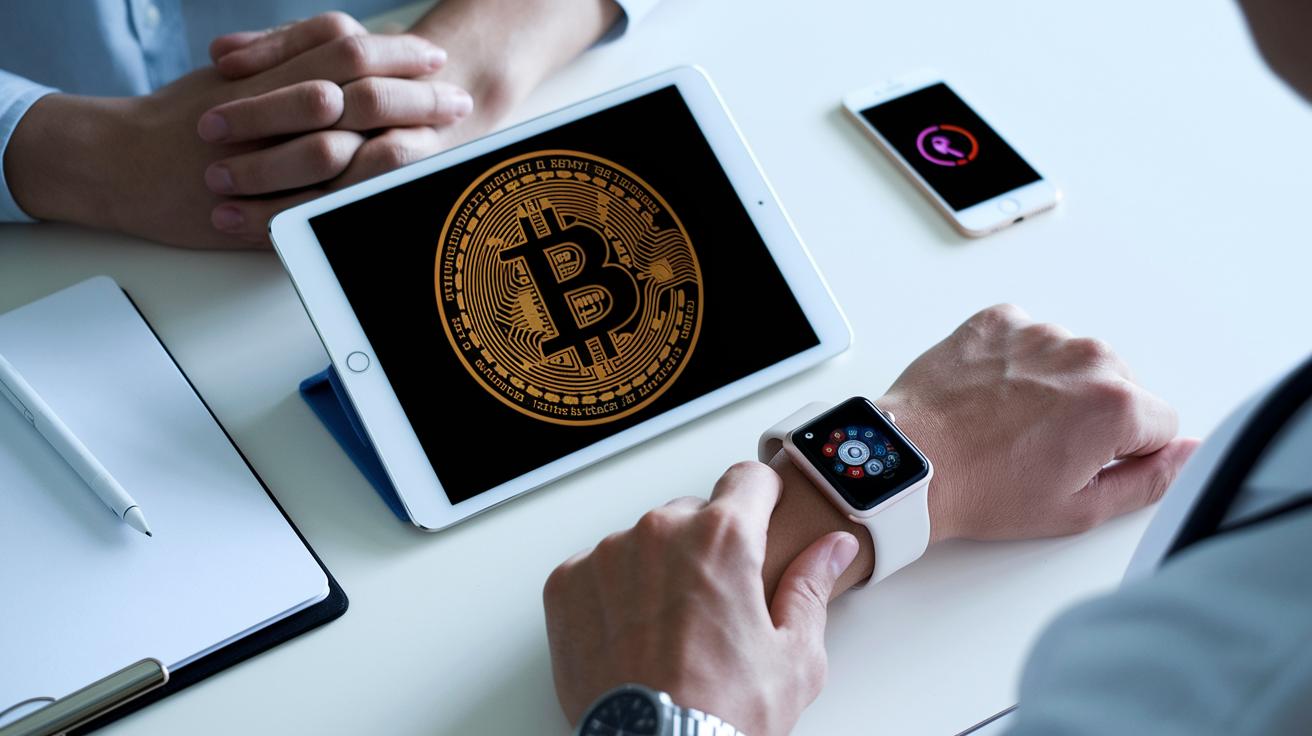
Blockchain is making our mobile health records safer by using smart techniques to lock down data and build trust. As more devices start sharing health info, from your fitness tracker to remote sensors, blockchain steps in to scramble the data and keep it untouchable. It shields personal data from wearables while allowing smooth, secure sharing between patients and healthcare pros.
Take a look at these six real-world examples that show how blockchain makes a difference:
- IoMT data encryption – It wraps up data from wearables and sensors so your health details stay private in real-time.
- Patient-controlled EHR access – Patients get to decide who can see their records by setting clear access rules.
- HIE interoperability – It opens up easy, reliable ways for different health systems to swap records without messy paperwork.
- Pharmaceutical traceability – It tracks every step of a drug’s journey, cutting down on fake meds and boosting safety.
- Telehealth-session logging – It nails down appointment notes and chat details on a permanent record, protecting virtual visits.
- Remote monitoring logs – It keeps a secure log of vital signs from home monitoring to help doctors follow your care closely.
Together, these uses make mobile health apps not only stronger against cyber threats but also better at giving the right people access at the right time. By locking up sensitive info with blockchain, both doctors and patients enjoy smoother, error-free care that builds real confidence in digital health solutions.
Technical and Regulatory Considerations for Blockchain-Based mHealth Security

Blockchain technology in mobile health is built to keep your data safe with a smart, secure design. It mixes a decentralized ledger with strong encryption to lock down sensitive information. The system uses advanced cryptographic tools to create trusted links across many network nodes, meaning patient records are well protected. Each piece of data is scrambled uniquely at every step so that only people with the right credentials can see it. This secure design not only keeps unauthorized users out but also helps health systems stay strong even when handling lots of data.
Here are some key rules that shape this secure world:
- HIPAA security rules: These guidelines set strict rules for keeping patient health information safe; check out more about data privacy laws at this link: https://ourmobilehealth.com?p=210.
- GDPR data-subject rights: These rules ensure patients maintain control and know exactly how their health data is used.
- ISO27001 certification: This standard shows that a system has strong information security management to protect digital data.
- GCP guidelines: These protocols make sure clinical research and digital record keeping follow trusted, secure methods.
Mobile identity verification is another big piece of the puzzle. With multi-factor authentication, the system double-checks each user’s identity before letting them access private records. And every step, every transaction, is carefully logged. These logs work like a detailed ledger, tracking all activities so any odd behavior can be spotted quickly. This means that if anything unusual happens, the right people get alerted fast, allowing them to act immediately. Together, these technical safeguards and strict rules build a trusted framework that helps patients feel secure about their health information.
Comparing Blockchain to Traditional mHealth Security Systems

Traditional mobile health security usually puts all records on one central server. This means that if someone breaches that one server, all the information is at risk. It also needs manual fixes for security gaps, which makes it less strong over time. Plus, when everything sits in one spot, one little flaw can wreck data trustworthiness and make it hard to control who gets in or track changes.
| Security Aspect | Traditional Approach | Blockchain Approach |
|---|---|---|
| Data Integrity | Needs manual fixes and can be tampered with | Records are fixed and verified by cryptography |
| Access Control | Centralized with one single point of login | Uses many nodes to manage detailed access |
| Auditability | Depends on occasional manual checks | Offers clear, automatic audit records |
Overall, blockchain brings a fresh approach. It gets rid of that one weak link by using automatic checks, fixed records, and a better system for letting only the right people in. This means clinical records get a boost in security and reliability.
Challenges and Limitations of Implementing Blockchain in Mobile Health Records

Blockchain can seem like a big idea for mobile health records, but there are a few bumps along the way. Data from phones, wearables, and other health record systems can pile up and make things slow, especially on networks that use proof-of-work. It’s a bit like trying to run a marathon in a sprint, there’s just too much to handle.
Older electronic health record systems often have trouble working with new blockchain setups. This mix-up can cause real headaches when getting different systems to talk to each other. Plus, while the unchangeable nature of blockchain keeps patient data safe, it also means that correcting mistakes takes extra effort. And let’s not forget the heavy price tag, high computer power and tech infrastructure costs can be tough for many healthcare providers.
Switching to blockchain isn’t just a tech upgrade; it means rethinking everyday work routines. For many, the change can feel a bit overwhelming. Starting with small, pilot projects can really help. It’s like taking a short test drive before committing to a new car. You get to learn, adjust, and make sure everything runs smoothly.
| Challenge | What It Means |
|---|---|
| Scalability | Handling huge amounts of data can overwhelm blockchain systems based on proof-of-work. |
| Interoperability | Older health records don’t easily sync with modern blockchain networks. |
| Immutability vs Updates | Once info is recorded, fixing mistakes becomes a tough, complicated process. |
| High Costs | The need for powerful computing and new infrastructure can be very expensive. |
| User Adoption Complexity | New systems demand big changes in daily work, which means a steep learning curve for staff. |
Taking it step by step can help ease the transition. By testing the waters with small, focused projects, healthcare providers can learn what works best and adjust gradually. This way, the path toward a secure and reliable mobile health record system becomes much smoother, and a bit less daunting.
Future Trends: Integration of Blockchain with AI and IoT for Enhanced mHealth Security

Blockchain and AI are joining forces to bring smarter health predictions right to your mobile device. Smart computer programs sift through large amounts of patient info while blockchain locks every record to keep things safe. This mix helps health systems catch trends and forecast outcomes much more reliably. For example, new AI tools in healthcare are guiding better, data-based decisions without ever risking security.
IoT gadgets, like wearables and medical sensors, are now streaming encrypted data directly to secure ledgers. These devices feed real-time health details into blockchain networks, making data transfers quicker and more trustworthy. Soon, automatic consent tools and evolving smart contracts will handle who sees your data, adding extra strength to the whole system. Innovations in remote care are already smoothing out the way we access health services from afar.
The future looks bright for secure, automated mobile care. By blending blockchain, AI, and IoT, we are stepping into a new era of health management where technology and care work hand in hand, making your health journey safer and smarter.
Final Words
In the action, the blog post explored mobile health record vulnerabilities and detailed how blockchain keeps data safe. We covered everything from mobile encryption to how decentralized ledgers block unwanted access, all while shining light on blockchain’s core security functions.
The role of blockchain in securing mobile health records shines through its advanced encryption, decentralized storage, and immutable logs. This secure setup paves the way for better care, giving both patients and providers solid peace of mind.