
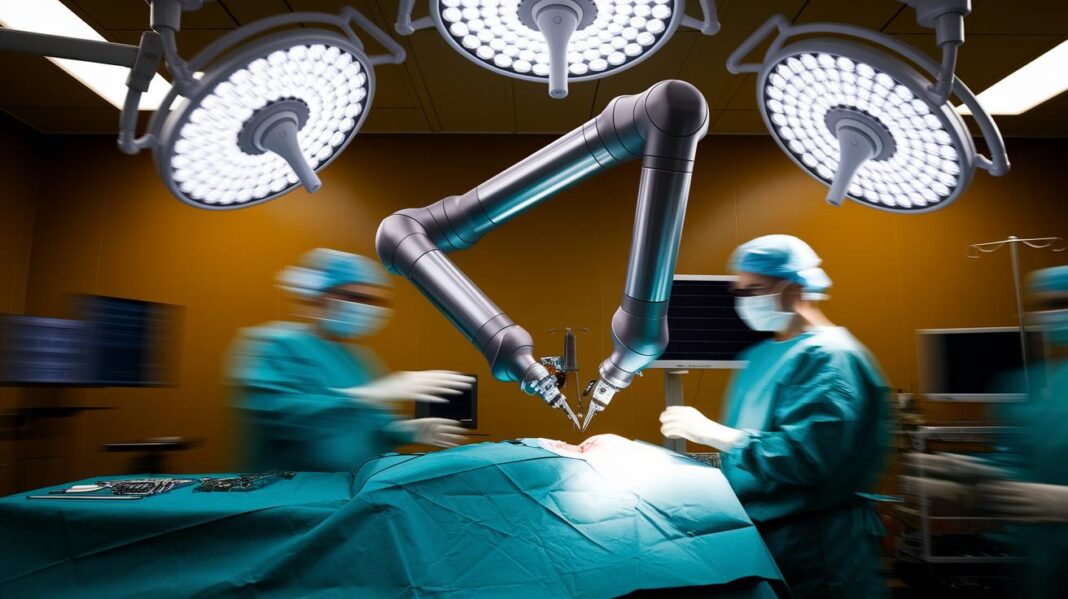

Ever wondered if a machine could change how we care for our health? Robots are already popping into hospitals, helping out with surgeries and taking over everyday tasks. This means doctors have more time for the tough cases.
They work like a gentle nudge in the right direction. Surgical robots, for example, help with very precise cuts, and smart cleaning devices make sure everything stays clean. It’s amazing to see technology and care coming together to make life better for everyone.
Healthcare Robotics: Current Applications and Impact
Robotic systems are making a big difference in hospitals today. They help doctors work with more precision, like when using the da Vinci Surgical System, and keep patient spaces safe and clean with gadgets such as the Xenex Germ-Zapping Robot.
These smart machines also smooth out daily routines in hospitals. They assist in surgery, clean rooms, and even offer a friendly touch through tools like the PARO Therapeutic Robot.
In busy hospital settings, robots take care of everyday, repetitive tasks so that healthcare workers can focus on more complex cases. For example, a mobile robot called TUG moves care supplies and can travel more than 50 miles in a typical 200-bed facility. Plus, remote systems have tackled long-distance procedures, like a brain stimulation performed over a 5G connection spanning nearly 1,900 miles in 2019.
- Surgical-assistance robots
- Disinfection robots
- Logistics and transport robots
- Therapeutic companion robots
- Remote intervention systems
The rise of advanced healthcare robotics is changing patient care and boosting efficiency. These systems cut down on manual work and reduce simple mistakes, allowing doctors and nurses to spend more time on cases that truly need their expertise. This smart use of technology makes hospital procedures quicker and improves overall outcomes.
Robotic-Assisted Surgery: Precision and Minimally Invasive Techniques
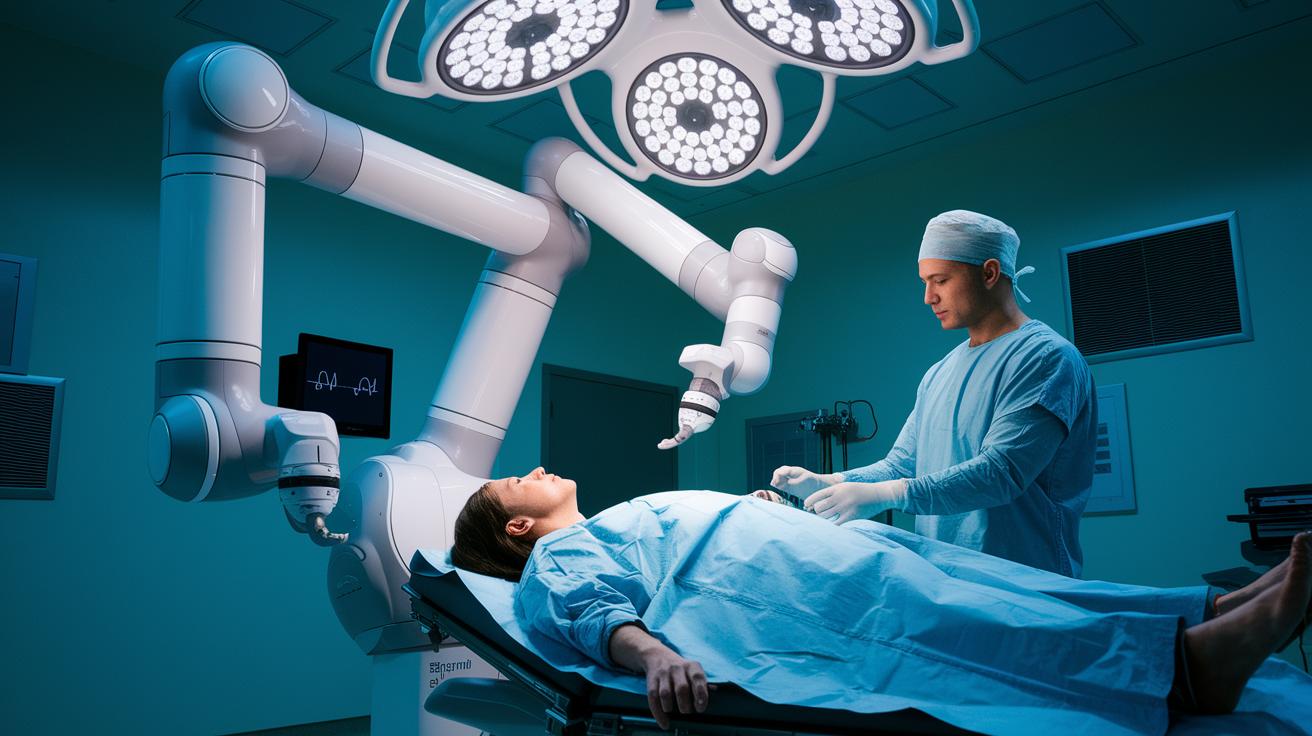
Robotic-assisted surgery is changing the game in healthcare. It helps doctors be more precise and makes errors less likely. Take the da Vinci Surgical System, for example. It gives surgeons extra control and a bright, clear 3D view, which makes tough procedures feel more manageable.
These systems are used in many surgeries, like prostate and uterus operations, knee or hip replacements, and even removing tumors. They fill an important need, especially when over 250,000 people in the U.S. lose their lives each year because of medical mistakes.
This smart technology makes surgeries gentler on the body, so patients can often recover faster. It feels like a breath of fresh air knowing that less-invasive procedures can lead to less pain and a speedier return to everyday life.
This exciting field brings together clever tools and next-level surgical systems. It is truly transforming how doctors work with the human body, treating delicate areas with great care.
| System Name | Main Function | Common Procedures |
|---|---|---|
| da Vinci Surgical System | Extra control and a clear 3D view | Prostatectomy, hysterectomy, knee & hip replacements, tumor removal |
| CyberKnife Radiation System | Adjusts radiation with precise, sub-millimeter accuracy | Tumor ablation and focused cancer treatments |
These advances not only cut down on human error but also make treatments more steady and exact. And as this smart surgery tech keeps evolving, health tech companies are raising the bar to ensure tomorrow’s procedures are safer, quicker, and more effective for everyone.
Robotics for Hospital Logistics and Infection Control
Hospitals are turning to helpful robots to ease everyday tasks. For instance, a TUG robot from Aethon Inc. can roam over 53 miles in a 200-bed facility each day. It carries supplies, meals, and medical equipment between different areas – letting busy staff focus more on patients.
Another neat innovation uses special UV light to clean rooms quickly. The Xenex Germ-Zapping Robot sprays pulsed xenon UV light to sanitize patient rooms. This fast approach cuts down the chance of infections and keeps everyone a bit safer.
Even our pharmacies and labs are getting in on the action. Automated pharmacy tools help manage stock smoothly, while lab robots take over sample processing. This means fewer mistakes and more time for complex tasks.
Therapeutic Robotics and Rehabilitation Support
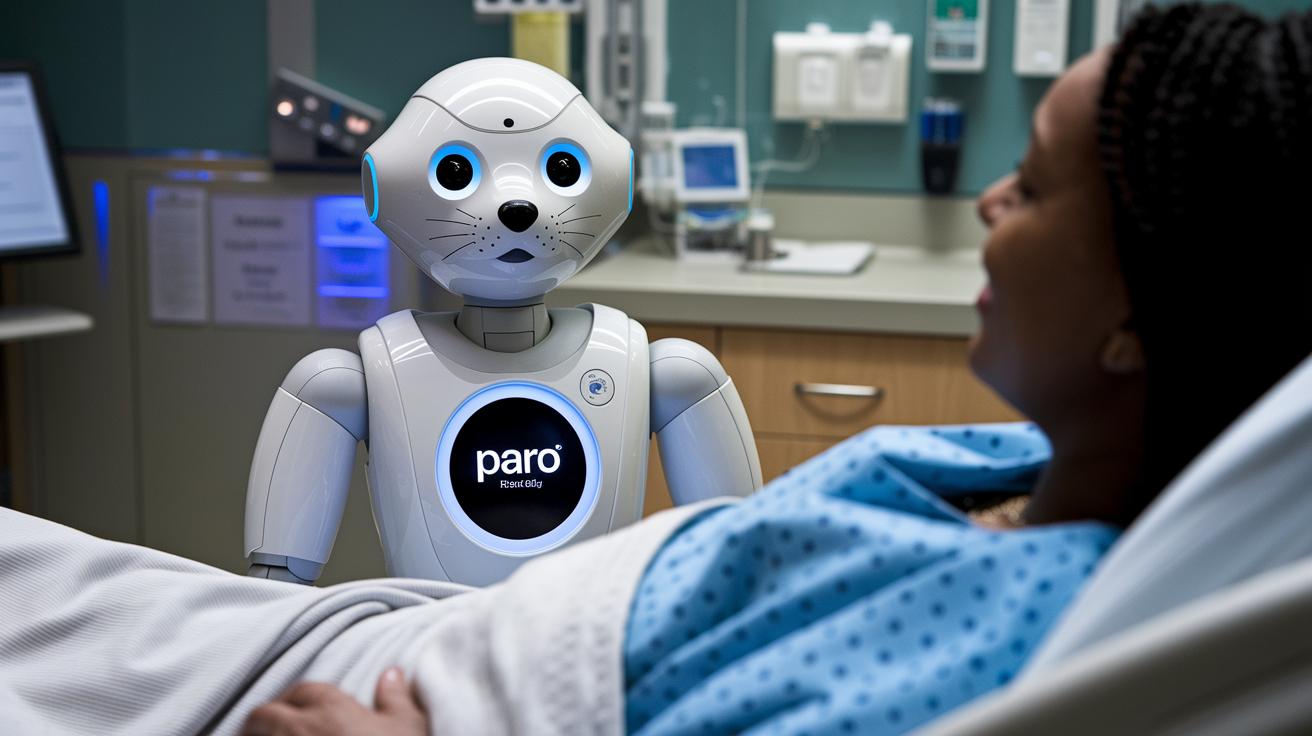
Companion robots bring a warm, gentle comfort to patients. Take the PARO Therapeutic Robot, for example. It looks like a young harbor seal and offers caring support that can lift spirits and ease feelings of loneliness. This friendly gadget helps patients feel less isolated during treatment.
Active rehabilitative devices make a big difference during recovery. These smart tools guide patients through repeated exercises, gently tracking each movement and adjusting routines with smart, AI-driven tips. It’s like having a caring coach right at home, ensuring exercises are safe and effective.
The benefits are clear. Patients enjoy improved mobility, quicker recovery, and a renewed sense of well-being. With these helpful robots monitoring progress closely, healthcare teams can fine-tune plans to support everyday activities and boost overall quality of life.
Remote and Telerobotic Systems in Healthcare Delivery
Surgical units operated from afar use safe, fast networks like 5G so doctors can work with true precision. Low latency means commands travel nearly instantly. Picture it like a crystal-clear call where every word matters, a brief pause, as quick as a blink, can make all the difference.
These speedy networks also power care units that mix smart computer help with live remote care. They blend technical accuracy with real-time intervention.
High-speed connections and strong security let expert care reach beyond big hospitals. This setup not only supports delicate procedures, it also opens the door for quick emergency responses and critical care in areas that need it most. Imagine a small rural clinic lighting up with a digital alert, showing that help is just moments away.
Efficiency Gains through Healthcare Robotics
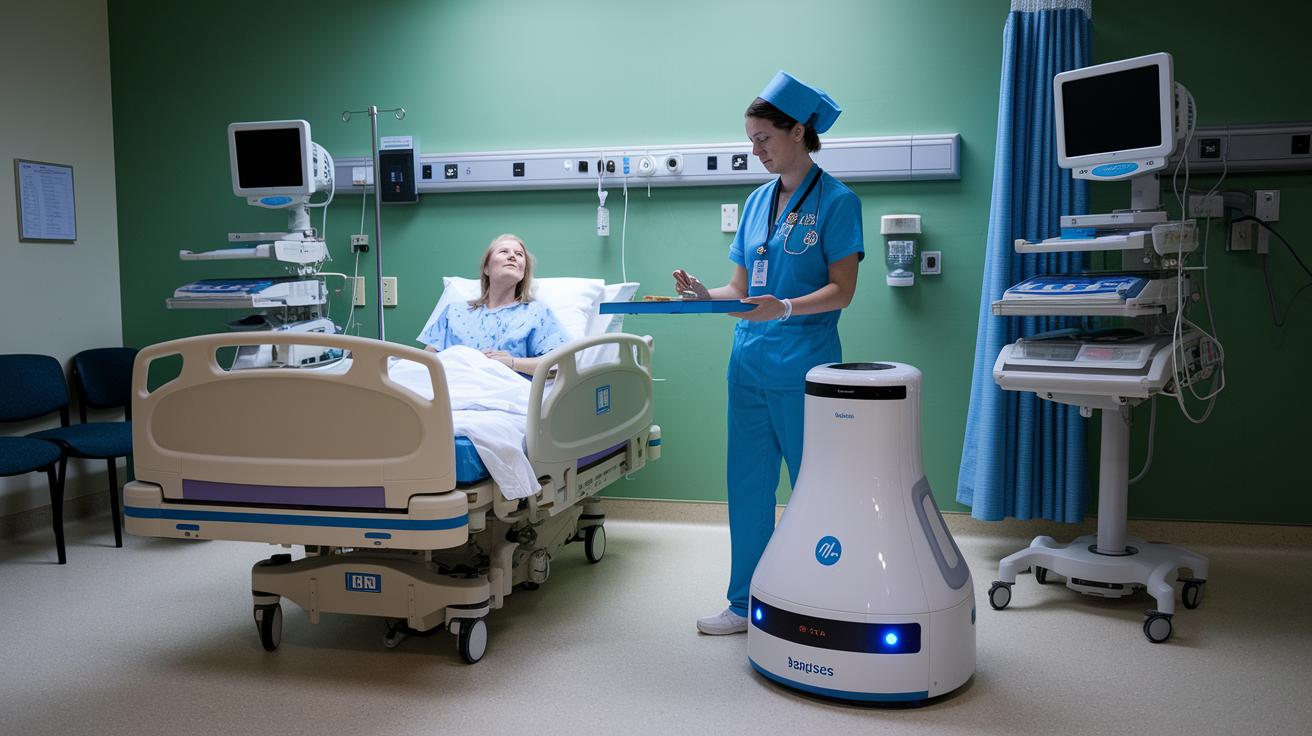
Healthcare robotics helps lighten the load for clinical teams by taking over everyday tasks. Robots handle jobs like cleaning instruments and tracking routine check-ups, which means doctors can spend more time on tougher cases and personalized care. This smart use of tech shortens procedure times, cuts down on mistakes, and helps patients recover faster. In short, everyone benefits from using these tools.
Automated monitors keep an eye on patients' vital signs all day and night. They lessen the need for manual chart reviews, letting care teams catch any changes quickly. These systems work smoothly with existing equipment so that all data stays current. Plus, workflow tools simplify tasks like supply delivery and lab work. With all these innovations, clinicians can focus more on the challenging parts of patient care, leading to better outcomes and a more responsive health system.
Regulatory, Safety, and Ethical Aspects of Medical Robotics
Regulation in medical robotics is essential to keep patients safe and to encourage smart, secure innovation. A lot of people worry about letting a machine handle their care, so clear rules help build trust. Experts make sure every device gets thorough testing, careful risk checks, and ongoing monitoring. In truth, laws and guidelines, like quality management standards, work to ensure that each machine performs safely and as it should.
- Building patient confidence
- Training care teams
- Guaranteeing device safety and reliability
There are still challenges to face. Some patients remain skeptical, and healthcare teams need to learn how to work with these advanced tools. Manufacturers must keep updating their processes, studying every change to meet the latest guidelines. This steady review helps doctors and patients feel safe when new systems join clinical care.
In short, as medical robotics evolves, so do the rules and safety checks. Every new step in technology is met with strict standards, giving everyone that extra bit of peace of mind.
Emerging Trends and Future Innovations in Medical Robotics
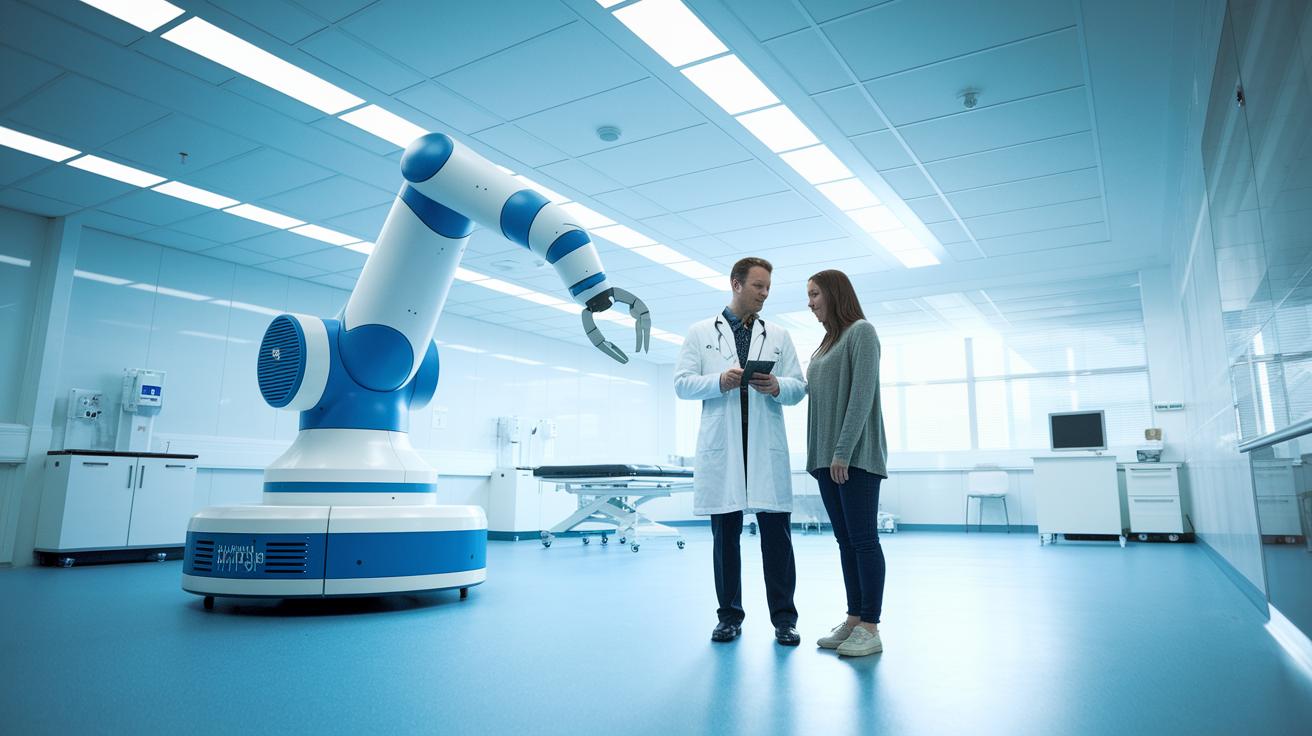
Lab and diagnostic automation is shaking up healthcare. Smart devices now handle routine tests and maintenance tasks, like checking samples or cleaning equipment. Imagine a system that takes care of laboratory work or even removes plaque while you relax at home. This kind of innovation speeds up testing, cuts down mistakes, and lets doctors focus on the trickier parts of care.
Next, advanced surgical units and hands-on training tools are making it easier for doctors to get support during operations. New surgical consoles come with improved visuals and smoother controls to boost precision. Meanwhile, simulation training gives healthcare professionals a safe space to practice before they move to real surgeries. It’s a smart mix that changes the way doctors learn and work.
AI tools are also stepping in to help patients in real time. These clever systems can guide a biopsy, deliver medication accurately, and even check in with you during recovery. Picture a gentle digital helper asking, "How are you feeling today?" That friendly touch makes healthcare feel more personal and supportive.
Finally, more investment in biomedical engineering is powering these breakthroughs. With more funding and upcoming clinical trials, new device prototypes promise better outcomes and care that fits your needs. It’s all about making sure our health tools keep pace with what patients and providers need today.
Final Words
In the action, healthcare robotics is making care easier and more efficient. Robotic systems assist in surgeries, manage hospital tasks, provide therapy, and even let experts care remotely. These smart tools help cut procedure times and improve accuracy while keeping patients safe.
Every step, from surgical robots to remote systems, shows how robotics in healthcare brings better outcomes and a brighter, more connected future. The progress inspires confidence and positive change in care settings everywhere.
FAQ
Q: Robotics in healthcare examples
A: The robotics in healthcare examples include the da Vinci Surgical System for precision surgery, TUG robots for hospital logistics, and PARO for therapy, each showcasing clear benefits in diverse clinical settings.
Q: Robotics in healthcare research paper
A: The robotics in healthcare research paper explores advanced systems, patient outcome improvements, and workflow enhancements by presenting data, case analyses, and insights into safety protocols and efficiency gains.
Q: Robotics in healthcare PPT
A: The robotics in healthcare PPT highlights key applications, technical details, and efficiency benefits, covering case studies and real-world examples that illustrate how robotic technologies are transforming clinical operations.
Q: Robotics in healthcare PDF
A: The robotics in healthcare PDF offers a detailed overview of technological insights, study findings, and application examples across surgical, logistics, and therapy uses, providing a comprehensive resource for clinical innovators.
Q: Benefits of robotics in healthcare
A: The benefits of robotics in healthcare involve enhanced surgical precision, minimized infection risks, improved logistics, and supportive therapy options, leading to better patient outcomes and reduced workload for clinical staff.
Q: Robotics in healthcare articles
A: The robotics in healthcare articles present current applications, case studies, technological advancements, and regulatory insights, collectively highlighting how robotic systems are reshaping patient care and hospital efficiency.
Q: Robotics in healthcare 2022
A: The robotics in healthcare 2022 discussions focus on technological updates, expanded clinical applications, and system improvements that boost surgical outcomes, streamline hospital processes, and support emerging healthcare trends.
Q: Importance of robotics in healthcare
A: The importance of robotics in healthcare lies in reducing human error, enhancing precision, streamlining operations, and providing minimally invasive treatment options, which altogether contribute to superior patient experiences and care quality.
Q: What are two examples of how robots are used in healthcare?
A: The two examples of how robots are used in healthcare are surgical-assistance robots like the da Vinci system and disinfection robots like Xenex, both critical in enhancing treatment safety and procedural efficiency.
Q: How has robotics changed healthcare?
A: The way robotics has changed healthcare includes improving surgical precision, reducing procedure times, streamlining logistics, and enabling remote interventions, all of which work together to boost clinical outcomes and care delivery.
Q: How many robots are in healthcare?
A: The healthcare field now deploys hundreds of robots across hospitals and clinics for tasks like surgery assistance, material transport, and room sterilization, with numbers steadily increasing as technology advances.
Q: What are the big 4 of robotics?
A: The big 4 of robotics in healthcare are surgical-assistance robots, disinfection robots, logistics and transport robots, and therapeutic companion robots, each playing a vital role in enhancing overall clinical efficiency.