


Have you ever thought that just a few mindful minutes could change your whole day? Picture taking a short pause during a busy moment to feel calm and happy. Mindfulness tips can help you live in the now, whether you're scribbling in a journal or just taking a slow, deep breath.
These small moments can build a steady sense of peace and help make your focus sharper. In our fast-paced lives, even a tiny break can bring lasting calm and add a little extra brightness to your everyday routine.
mindfulness wellness tips: Spark Calm and Joy

Mindfulness wellness means choosing to focus on the here and now, whether you're relaxing at home, busy at work, or moving about on your day. It’s about using simple, everyday practices to notice your thoughts and surroundings. This gentle attention helps you feel more calm, even when life feels hectic. Think of it as a short, mindful break that recharges you so that you can act with clear care and compassion.
Try small habits like jotting down a few thoughts in a journal or taking a deep, calming breath. These little actions can build a strong foundation over time. When you record your feelings or simply pay attention to your day, you start to see tiny changes in your mood and focus. Over a couple of weeks, you might notice patterns like stress triggers or moments of joy that spark creative ideas. It all adds up to a fresher, more balanced way of handling challenges.
Embracing these mindful moments can really reduce stress and help you keep your emotions in check. Soon, you might feel a calmer mood and a steadier way of facing each day. With regular mindful practices, you learn to enjoy even the small, peaceful moments, and that can lead to a happier, more balanced life.
Deep Breathing Exercises: Mindfulness Wellness Tips for Stress Reduction
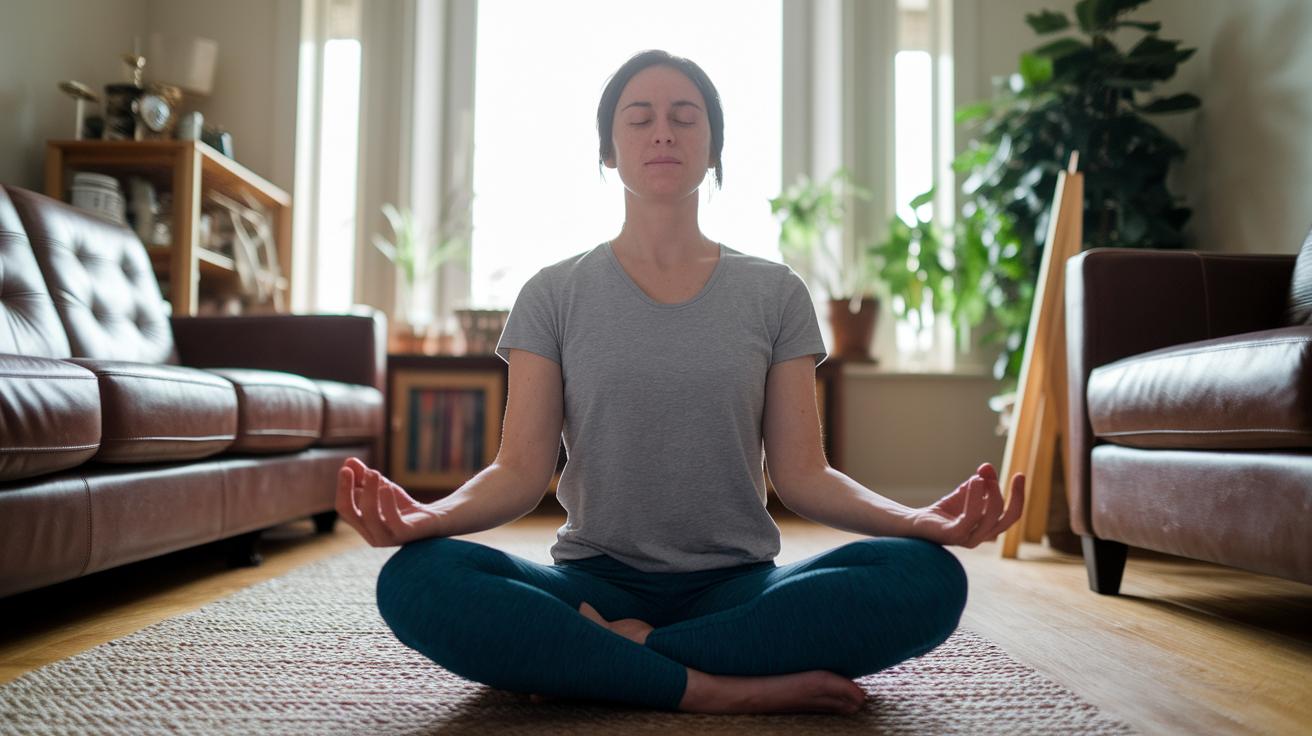
Taking control of your breath can melt away tension and quiet a racing mind. When you focus on your breathing, you signal your body to slow down and relax. This simple act calms your nerves and brings sharp focus to your day. Research into mindfulness meditation (a way to keep things balanced) shows that controlled breathing helps even out your emotions, making stressful moments a bit easier to handle.
Here are a few techniques you might enjoy trying:
- 3-Minute Breathing Space: Take a quick break to reconnect with the here and now.
- Deep Belly Breaths: Try 8-10 deep breaths before meals to shift from rushed eating to a calm state.
- Box Breathing: Inhale, hold, exhale, and hold for 4 seconds each to create a steady rhythm.
- 4-7-8 Breathing: Inhale for 4 seconds, hold for 7 seconds, and exhale for 8 seconds to ease tension.
- Mindful Breath Observation: Spend 1-2 minutes quietly noticing each inhale and exhale to boost your focus.
Mixing these exercises into your routine can turn hectic moments into little pockets of calm. Try setting aside a few minutes during a break or before your next meal. A simple breathing reset might just be the pause you need to turn a stressful day around.
Daily Awareness Routines: Mindfulness Wellness Tips to Cultivate Presence

Start your day by taking a quiet moment before grabbing your phone. Notice how the soft morning light and gentle chirping of birds make you feel calm and centered. Even if you're in a rush, try pausing for a few seconds; let nature wake you up first.
When it’s time to eat, turn every bite into a mini celebration of your senses. Before you dig in, take 8 to 10 slow, deep belly breaths. Feel your chest rise and fall, and let the delicious aroma and texture of your food capture your attention. It might sound simple, but it helps set a mindful tone for your meal, even on busy days.
Throughout your day, give yourself a quick minute to check in with your body. When things get hectic, pause for about 60 seconds to notice any tension or stress. Feel the warmth in your hands or the steady beat of your heart. These little breaks can really help you reconnect and stay present.
Zen Meditation Sessions: Mindfulness Wellness Tips for Cognitive Balance

Meditation is like a mini-vacation for your brain. It gives you a simple way to balance both your mind and body. Even if your day is hectic, just a few minutes can help ease your muscle tension, clear away stressful thoughts, and sharpen your focus. It's a gentle pause that leaves you feeling connected and at peace.
Imagine the soft buzz of a reminder that it's time to breathe. That's the power of these zen meditations. They let you drift into a state where calm and clarity wash over you, like a soothing wave. Isn't it amazing how a simple practice can bring such inner balance?
| Meditation Technique | Duration | Primary Benefit |
|---|---|---|
| Body Scan | 10 minutes | Releases muscle tension and boosts awareness |
| Raisin Exercise | 5 minutes | Helps you live in the moment |
| 3-Minute Breathing Space | 3 minutes | Keeps your focus anchored fast |
| Observer Meditation | Varies | Helps you detach from overwhelming thoughts |
Mixing these mindful practices into your day can truly transform your mental space. They offer brief, calming breaks that sharpen your focus and lift your mood throughout the day. Give them a try, you might just find that extra spark of calm you've been looking for.
Self-Kindness Insights: Mindfulness Wellness Tips for Emotional Equilibrium

Self-kindness is all about giving yourself the same care you offer to your friends and family. When you take time to be gentle with yourself, stress starts to melt away and tough moments become easier to handle. A bit of meditation can calm down that inner critic and help you feel more accepting. It’s like building a soft, strong cushion inside you that supports you when times get hard.
Try adding little habits that remind you of your own worth. For example, whispering “I am enough” can be a sweet boost on a cloudy day. Keeping a journal for a few months might show you how much you’re growing in handling emotions. These simple practices help you tap into your inner strength and keep a sunny outlook, even when life feels overwhelming.
Making space for these habits each day can steady your emotions. In the morning, take a quiet moment to reflect, maybe scribble a few thoughts as you sip your coffee. And throughout the day, give yourself gentle pauses to really feel your emotions. For more friendly tips on balancing your well-being, visit integrated wellness routines for balanced living.
Advanced Mindful Practices: Pathways to Inner Discovery with Wellness Tips

DBT wise mind modules use "what" and "how" skills to help you stay in the moment. They guide you to notice your experiences without judging them. And you know what? Some group mindfulness classes, like those created by Fleming and Kocovski in 2007, lower anxiety nearly as well as CBT. With over 500 positive psychology exercises at your fingertips, you can try out new ways to explore who you are.
Taking quiet time for thoughtful questions and silent reflection can spark real personal growth. It’s like giving yourself a moment to ask, "What's really going on inside?" As you set aside time to really think about your day, you'll start to see little shifts in your mind. These moments help you connect deeper with yourself and build a steady path toward lasting emotional insight.
Final Words
In the action of exploring practical mindfulness wellness tips, we've covered simple techniques that bring clarity and calm into daily routines. Small practices like journaling and deep breaths build lasting balance, while guided meditations help manage stress and inspire self-kindness.
Each method we discussed reinforces the power of staying present and attentive. Enjoy every mindful moment as you continue to embrace these wellness tips and watch your overall well-being flourish.
FAQ
What is mindfulness and which techniques help practice it?
The concept of mindfulness means paying gentle attention to the present moment through techniques like meditation, deep breathing, and journaling, helping you become more aware and connected to your thoughts and feelings.
How can I practice mindfulness in daily life?
The idea of practicing mindfulness daily involves integrating simple exercises such as deep belly breathing, mindful pauses, or brief journaling sessions into your routine, which can help clear your mind and ease stress.
What benefits does mindfulness offer?
The benefits of mindfulness include reducing stress, enhancing emotional balance, and increasing mental clarity while fostering a calm, focused, and compassionate approach to daily challenges.
What frameworks are used to explain mindfulness practices, such as the 7 C’s, 5 R’s, 5 basics, and 3 C’s?
The frameworks like the 7 C’s, 5 R’s, 5 basics, and 3 C’s break down mindfulness into clear sets of guidelines that encourage reflection, intentional response, and consistent practice for better mental and emotional health.