


Ever wonder if a video call could really be a stand-in for a doctor's visit? Video chats let your care team check on you in real time while still keeping a friendly human touch. They look at things like how long your call lasts, whether you keep your appointments, and even ask what you think about the whole experience. This mix of clear numbers and your personal feedback helps them figure out what works best and what could be improved. In short, remote health might not just be a quick fix, it could be a lasting way to care for yourself.
Video Consultation Success Metrics: Core KPIs for Healthcare
Measuring how well video consultations work means looking at both the tech side and the care side. Doctors and care teams check numbers like how long each call lasts and how often patients keep their appointments, while also making sure patients truly understand their care plans. This mix of data and real feedback helps everyone see what's working and what might need a little tweak.
Good tech setup is a big deal in telehealth. Before a meeting starts, it’s smart to test your network, whether you’re on WiFi or using a wired connection, along with the image quality and sound (a good headset can really boost the audio). Using systems like EMR or CRM (which help keep track of appointments and patient records) makes it easier to capture all the details smoothly.
Here are seven key performance indicators to keep an eye on:
- Session reliability: The percentage of calls that finish without any interruptions.
- Network stability: How steady the connection stays during the session.
- Audio-visual quality: How clear the video and sound are.
- Patient adherence: The rate at which patients follow up on appointments and treatment plans.
- Appointment cancellation frequency: How often sessions are canceled or rescheduled.
- Average session duration: The typical length of each consultation.
- Patient satisfaction: How patients rate their experience and engagement after the call.
At the end of each session, summing up the main points and making sure the patient understands helps lock in these metrics. Keeping track of these numbers gives teams useful insights to fine-tune their telemedicine services, ensuring that virtual care works hand in hand with traditional visits.
Measuring Patient Outcomes and Clinical Impact in Video Consultations

Video check-ins are a friendly addition to in-person visits. Sure, you might need a face-to-face exam for some decisions, but remote care makes it easy to keep an eye on progress over time. It’s about noticing how quickly symptoms fade, how well patients stick to their meds, and the regularity of follow-up calls. These little markers let doctors see if outcomes from virtual visits match those of traditional care. For example, a doctor might notice that a patient using video talks about feeling better sooner, thanks to clear and quick communication. Really, it shows how keeping track of results can influence care choices.
Next, comparing remote care with in-person visits means checking symptoms at the start and watching how they change during treatment. Doctors record details like whether you take your medicine on time and how often you visit. By using simple surveys or follow-up calls, care teams can get a clear picture of the impact video visits have on your health.
Then there’s EMR documentation, which is key in this whole process. It helps with everything from coding to billing, and keeps a steady record of your progress. Every consultation is noted down so providers can review how outcomes evolve over time. They might even line up these notes with results from in-person visits to get even more clarity on what’s working best.
Operational Efficiency and Cost Analysis of Remote Video Sessions
Keeping track of how long each video call lasts and how efficiently staff time is used is key to knowing if things are running smoothly. Clinics can gather this information through their CRM or EMR billing tools, which automatically note things like cancellations, repeat visits, and how long each session runs. This simple method lets teams quickly spot where small tweaks could save both time and money.
When it comes to costs, comparing traditional in-person care with remote sessions is a smart move. Facilities can crunch the numbers on expenses like overhead and facility costs that drop when using video consultations. For example, needing less physical space means lower costs for providers, all while continuing to deliver good care. And by keeping an eye on return on investment, it’s easier to see how telecare practices boost overall efficiency.
Mixing cost analysis with data from automated billing and resource use gives a clear look at telecare performance. By checking out details like session lengths, how well staff time is used, and cancellation rates, healthcare teams can fine-tune their operations, find ways to cut costs, and back up their telemedicine efforts. In short, this clear-cut, data-driven method helps balance both smooth operations and financial benefits as we move toward more remote video sessions.
Assessing Technology Performance and Reliability in Video Consultations

Before you jump on a video call, it's important to make sure everything is working well. A quick check of your internet speed, video quality, and sound can save you a lot of hassle. Using a headset with a built-in mic is a big help, and a little test run before the call can ensure a smooth start. Even a brief silence might mean something needs a quick fix.
Next, it's smart to keep an eye on how reliable your platform is. This means looking at things like how long the system works without hiccups, how often errors pop up, if calls disconnect unexpectedly, any delays in the connection, and how fast the screen loads. Automated tools can gather these numbers in real-time during your session. That way, if a call drops more often than it should, the tech team can spot the problem and fix it right away.
| Metric | What It Means | How We Check It |
|---|---|---|
| System Uptime | How long the system runs smoothly | Automated checks |
| Error Rate | How often errors occur during calls | Review of logs and reports |
| Dropped Calls | How many calls end unexpectedly | Real-time session tracking |
| Audio-Visual Quality | The clear look and sound of your call | User feedback and performance tests |
By keeping these simple checks and reviews in place, video consultations can run smoother and help keep your digital health platform secure and user-friendly.
Patient Satisfaction and Engagement Analytics in Virtual Visits
When you start a video visit, there's usually a friendly hello that sets the stage for the call. Your provider explains who they are and what you'll talk about. This simple introduction helps you feel at ease and builds trust that your concerns matter.
After the call, many offices ask for your feedback to understand how you felt about your care. They use quick surveys, easy interviews, and simple score tools to gather your thoughts. These methods collect both numbers and your own words, which helps everyone see what’s working and what could be better. Often, a follow-up survey is sent out right away so your impressions are still fresh.
Doctors also keep an eye on how you engage during the call. They notice little cues like your response speed, smiles, or nods that show you’re comfortable. They even look at whether you schedule another appointment, which tells them if you're staying engaged. Putting these observations together with your survey feedback gives a complete picture of your experience, helping to make future visits even better.
Data-driven Analysis and Continuous Improvement in Digital Care
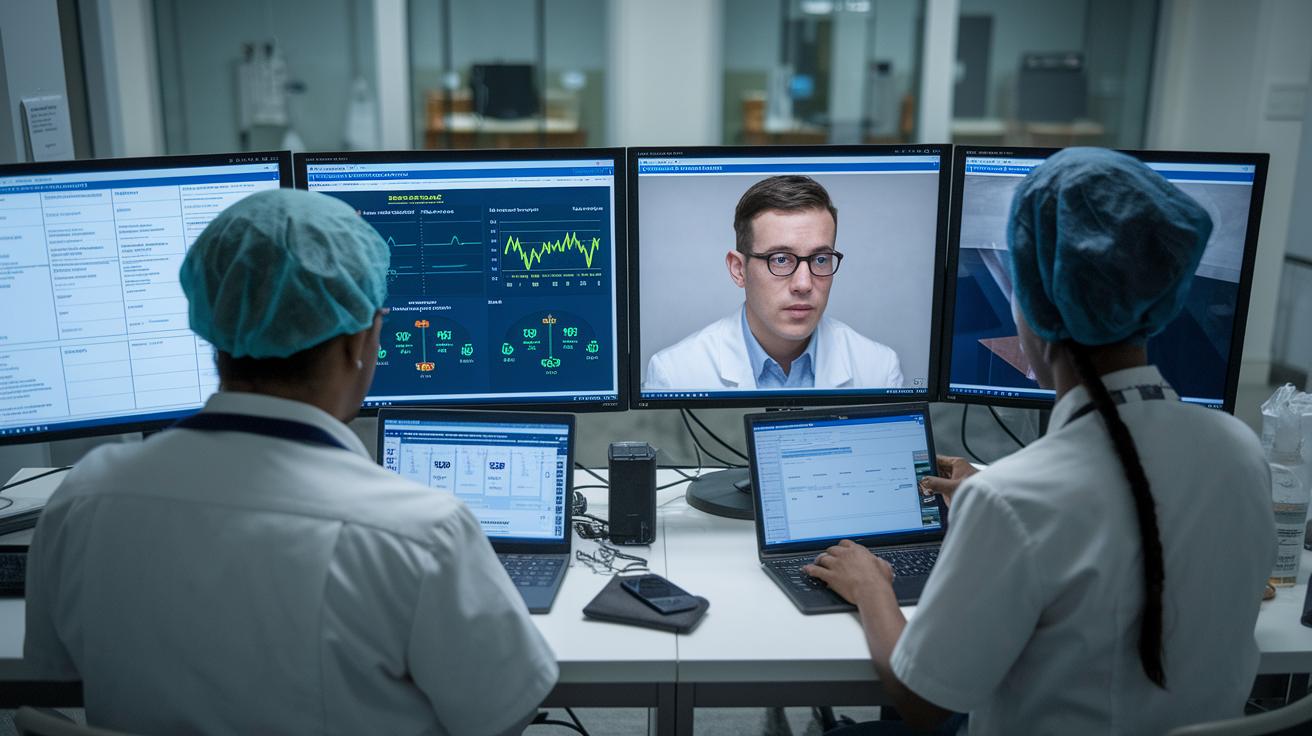
Setting up dashboards in your EMR or business intelligence tools helps pull all your telehealth numbers into one clear view. With just one glance, you see session details, patient comments, and call stats arranged neatly. Picture your clinic's video check-ins as a digital scoreboard that shows how things are going. This straightforward view lets you track appointment feedback side-by-side with encounter data so you can spot trends and know where to make small changes.
Regular reviews and quick team talks lie at the heart of this method. After a busy day, a brief feedback session can show what’s working and what might need tweaking. For instance, one team member might say, "Let’s try a new introduction script next week so patients can feel more at ease." Using a simple Plan-Do-Study-Act cycle, you can test little changes, check the results, and adjust your methods or tech settings accordingly.
A clear framework keeps your service analytics on track. This involves:
- Collecting and checking key performance data every day
- Talking over findings during team debriefs
- Changing consultations based on real appointment feedback
- Training staff with new tips from follow-up insights
Follow these steps, and you'll gradually refine your video consultation practices. In truth, it's a smooth and supportive way to make digital care better for everyone involved.
Benchmarking and Best Practices for Video Consultation Success
Industry standards suggest aiming for patient satisfaction rates between 85 and 90%, maintaining platform uptime above 99%, and keeping average session durations within 12 to 15 minutes. These numbers act as a guide for measuring how well a video consultation service performs as a supplement to traditional in-person care.
Meeting these benchmarks starts with creating a clear framework for quality control. Standardized documentation is key, recording details of every session allows for ongoing review and consistent care delivery. Privacy safeguards protect patient information and build trust, while comprehensive user training ensures that both healthcare professionals and patients feel comfortable with the digital process. For example, a clinic might collect feedback after each call and review how closely sessions adhere to set guidelines.
Following best practices means setting clear performance targets and regularly reviewing them against industry benchmarks. Key strategies include:
- Establishing clear documentation protocols
- Implementing strict privacy measures
- Providing regular training on platform use
- Encouraging feedback to fine-tune session quality
Adopting these practices not only bolsters the virtual care success rate but also strengthens the overall service standard, helping healthcare organizations position their video consultation offerings alongside traditional models of care.
Case Studies: Telemedicine Performance Tracking in Action
Case Study 1: Multi-location System Monitoring
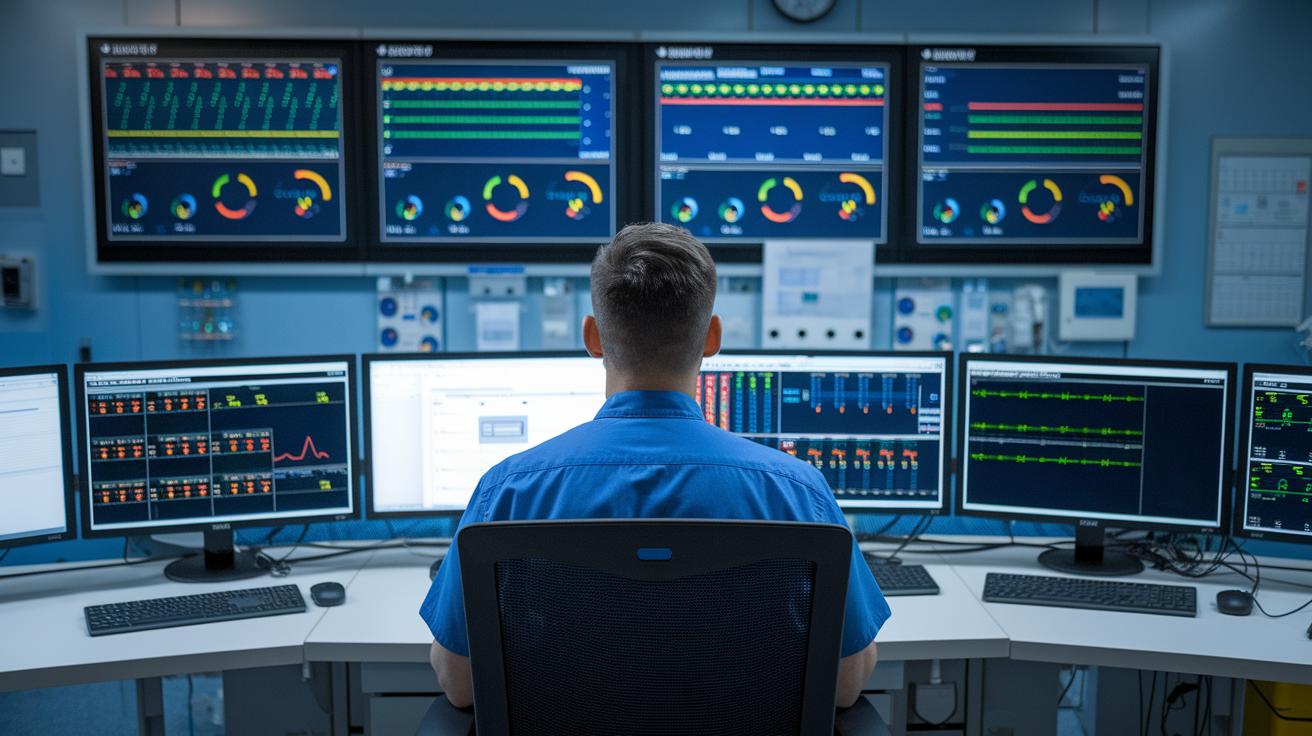
A health system spanning several locations used smart real-time dashboards to keep track of its video visits. They saw that 92% of calls went off without a hitch. Patients reported high satisfaction, 88% in fact, because the team could fix issues right away. One busy afternoon, the dashboard showed a slight increase in dropped calls. So the tech team quickly adjusted the network settings. This fast action helped keep care running smoothly at all clinics, and patients felt assured knowing their video visits stayed clear and steady.
Case Study 2: Chronic Care Engagement Analytics
Another group focused on helping patients with chronic conditions improved their follow-up care by using engagement data. They noticed that some patients missed follow-up visits and decided to change how they communicated. By checking how patients acted and what issues arose, they tweaked appointment reminders to be friendlier. Soon, follow-up visit rates went up by 15% and no-shows dropped by 25%. For example, a clinician reviewed the reports after several check-ins and changed the reminder style. All this detailed feedback helped the team improve outreach and care plans.
Both of these stories show how using real-time tracking and patient behavior insights can really help. With clear data and quick fixes, health systems can better meet the needs of today’s patients while keeping care smooth and reliable.
Final Words
In the action, the blog post broke down core KPIs to keep track of video consultation performance. It covered everything from technical readiness and patient outcomes to cost analysis and data-driven improvements. We saw clear steps and practical examples that make tracking healthcare progress simple and relatable.
By focusing on measuring the success of video consultations in healthcare, the article leaves you with a positive view of digital care's potential. The future of secure, efficient care is bright.
FAQ
What is the impact of telemedicine on healthcare?
The impact of telemedicine on healthcare is seen in how it enhances patient access, speeds up care delivery, and streamlines treatment management through remote and secure digital consultations.
How does telehealth increase access to healthcare?
Telehealth increases access by offering virtual appointments that save travel time and reduce wait periods, making it easier for patients to get advice and care wherever they are.
What do recent telehealth articles indicate about its use and future trends?
Recent telehealth articles indicate that digital care is expanding rapidly, driven by improved tech tools and usage trends that are expected to shape care delivery and patient management into 2025.
What benefits and positive impressions do providers and scholarly sources report about telehealth?
The benefits and positive impressions reported include higher patient satisfaction, efficient scheduling, and effective care coordination, with scholarly sources supporting telehealth as a reliable way to deliver care.
How are video consultation success and patient outcomes measured in telemedicine?
Video consultation success and patient outcomes are measured based on KPIs like session quality, technical readiness, and treatment follow-up rates, which help compare digital visits with in-person care.