
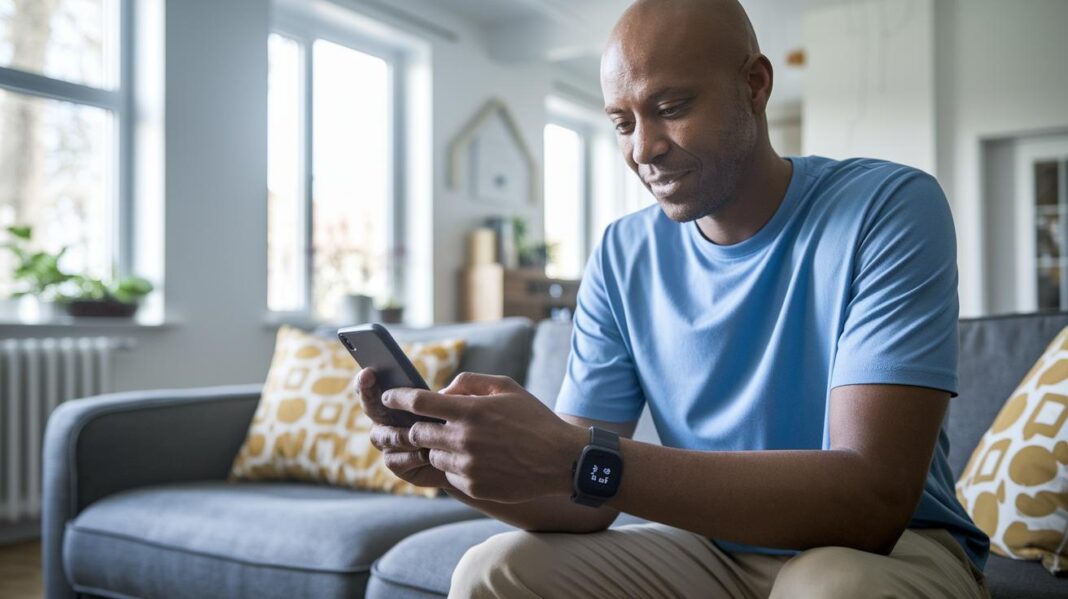

Have you ever thought that a small device could keep an eye on your heart like a caring friend? It might sound a bit surprising, but technology is getting personal. Imagine a gadget that gently checks your heartbeat and sends a quiet alert if something changes.
This smart tool uses a system called IoT, which means connecting devices so they can share health info for your benefit. Your phone might give you a soft nudge when it notices a difference, and your doctor could see the update almost right away.
It’s a new twist on care that brings help closer than ever. No matter where you are, getting a little extra attention to your health is now as simple as a tap on your screen.
Executive Summary: Key Takeaways of IoT in Mobile Healthcare Devices
IoT in mobile health devices is changing the game for care. These smart tools keep an eye on your vital signs all day long. They work like a helpful friend, recording your heart rate or blood pressure as they happen. And when something seems off, your care team can jump on it right away. Imagine getting a little nudge on your phone that reminds you to take your medicine, simple but effective.
Next, these devices take security seriously. They use strong encryption and strict rules to keep your health data safe from prying eyes. This means both you and your doctor can share important details without worry. Plus, new trends like AI-powered checks and better connectivity are making these devices even smarter. In truth, this technology is paving the way for quicker, more personalized care that benefits everyone, whether you’re at home, in a clinic, or anywhere in between.
Major Benefits of IoT-Enabled Mobile Healthcare Devices

These smart devices make care settings work smoother and faster. They send real-time information from patient rooms, emergency departments, operating rooms, and intensive care units. This means that when a patient’s condition changes suddenly, clinicians can act quickly.
They also boost telemedicine by bringing everyday health tracking into clinical care. Imagine a digital health diary that records sleep, nutrition, and weight, it gives both patients and providers a clear picture of wellness trends. Have you ever noticed how helpful it is when tech keeps you updated on your health?
- Real-time monitoring: Wireless gadgets continuously capture vital signs across different care settings.
- Better remote diagnostics: Tools like digital stethoscopes provide precise data (think of them as high-tech, friendly helpers).
- Improved medication routines: Smart pillboxes send timely reminders and log when you take your meds.
- Enhanced telemedicine: Portable devices let patients have video consults and stay connected with their doctors.
- Actionable insights: Cloud-based analytics turn everyday data into clear, useful information for timely decisions.
When these benefits come together, patient outcomes improve. Continuous monitoring and smart alerts help clinical staff step in faster, while digital health diaries combined with smart analytics offer both doctors and patients clear, actionable insights. In truth, this integrated approach leads to better care and supports quicker recovery.
IoT Functionalities Transforming Mobile Healthcare Devices
IoT functionalities are reshaping mobile health devices in ways that might surprise you. They let gadgets connect and process information faster and more reliably than we once thought possible. Tiny sensors in smart wearables now track vital signs around the clock, almost like a gentle nudge to keep you informed about how you're doing.
Imagine a portable device that checks your heart and other key signs, then uses on-site edge computing to process the information instantly. When something changes, it sends out an alert right away. Next, cloud-based trend analysis gathers data over time to spot patterns in your health. It's a neat way to see the bigger picture and catch issues early.
On top of that, AI-driven tools work quietly in the background to detect any irregularities almost instantly. This means your care team gets real-time feedback, allowing them to tweak treatments as needed. It’s similar to having a friendly, behind-the-scenes assistant who keeps a close watch on your well-being.
| Functionality | Example Device | Primary Benefit |
|---|---|---|
| Multi-sensor vital-sign capture | Wearable patch | Continuous monitoring |
| Low-latency edge computing | Portable ECG monitor | Instant on-device alerts |
| Cloud-based trend analysis | Smartwatch | Aggregated data insights |
| AI-driven anomaly detection | Digital stethoscope | Early abnormality alerts |
| Real-time therapeutic feedback | Remote monitoring device | Immediate care adjustments |
These advanced features work hand in hand to change how clinics care for patients. With critical information available right when it’s needed, doctors can respond quickly, even in moments when every second counts. This smart mix of sensor technology, wearable devices, and quick computing builds a care system that's both efficient and deeply patient-focused. Isn't it amazing how technology can help make healthcare more responsive and personal?
Security and Privacy in IoT-Driven Mobile Healthcare Devices

IoT-powered mobile health devices can really boost patient care, but they come with a few risks too. If systems aren’t kept up to date, sensitive data might slip through due to outdated firmware or feeble login details. Imagine a smart pillbox that, if not properly cared for, could accidentally share private patient notes. Plus, using third-party cloud services that aren’t as secure or having too many devices connected might open back doors to cyber attacks.
To tackle these challenges, we need sharp safety steps. End-to-end encryption keeps your data locked up tight during transmission, like a secret between friends. Regular security patches act as fresh locks on your digital door, while strong device checks cut out any unwanted visitors. Routine reviews ensure every device is up to date with the latest security measures, making each one a dependable partner in care.
Healthcare providers also need to follow strict rules like HIPAA and GDPR. These guidelines ask for smart data protections and careful privacy habits, almost like having a trusted guard at the door. Frequent audits help spot any weak spots fast, which keeps patient info safe and builds trust in our tech tools.
Interoperability Breakthroughs in IoT-Powered Mobile Healthcare Devices
FHIR and HL7 standards let devices like wearables, electronic health records, lab systems, and telehealth platforms easily exchange data. This means they all speak the same language, helping to bridge information gaps and build a reliable network for patient care.
Some clinical portals now pull data from smartwatches, implants, and mobile apps into one simple system. It’s like having one big, friendly hub where doctors can find all the details they need without any hassle.
Flexible system integration is a real game changer. Hospitals use connected health devices to bring together different systems across emergency rooms, intensive care units, and patient rooms. In simple terms, every device sends real-time data into one neat network, making clinical work smoother and patient care more precise. This breakthrough helps medical teams coordinate better and keeps the focus firmly on the patient.
Real-World Applications of IoT in Mobile Healthcare Devices

IoT-powered mobile health devices are really changing how we get care. They help connect patients with their healthcare team in real time, making it much easier to keep an eye on health and act quickly when needed. It’s like having a caring companion who’s always there.
For example, in caring for seniors from a distance, wearables check vital signs like heartbeats and movement non-stop. More than 56 million US adults aged 65 and older use these devices. When something isn’t quite right, caregivers get an instant alert. This steady watch helps seniors stay safe and feel independent at home.
Imagine an emergency alert system on your mobile device that shouts for help the moment it’s needed. That’s what these devices do. They send out immediate warnings to emergency responders, making sure help arrives fast during a crisis.
Smart pillboxes also make a big impact. They remind patients when to take their medicine and record each dose. This way, staying on track is simple, and doctors get useful details to adjust care plans.
And then there are digital stethoscopes paired with high-definition cameras. They let doctors examine patients almost like they were in person. Thanks to connectivity services like MetTel SingleSIM, which works with over 650 carriers around the globe, no vital detail slips by. It keeps everyone well-connected and in the loop.
Future Trends for IoT in Mobile Healthcare Devices
Next-gen IoT in mobile health is really changing how we look after our well-being. Smart devices now combine sensors with clever computing to keep an eye on your health any time. Think about AI-powered wearables and even sensors you can swallow, they’re helping doctors catch issues before symptoms show up. And thanks to ever-improving network connections, these devices stay online all the time.
AI plays a big role here. Wearables using AI can sift through your data as it comes in, giving early alerts when something might be off. This means your doctor can tweak treatments sooner rather than later. It feels almost like your personal health guardian is watching over you.
Blockchain technology is joining the mix too. It creates health records that nobody can tamper with, so your information stays safe and reliable. This extra layer of security makes sure that every bit of your health data is exactly what your doctor needs.
Adaptive monitoring is another cool trend. These systems adjust how they collect data based on you and your changing needs. They offer personalized insights that help optimize your care. Together, these advances paint an exciting picture of the future of mobile healthcare devices.
Final Words
In the action, IoT integration powers mobile healthcare devices with real-time monitoring, smart reminders, and data security measures that keep patient information safe. These technologies support improved care delivery and seamless communication across various systems.
The impact of IoT on mobile healthcare devices is clear in everyday improvements, better patient adherence, enhanced analytics, and secure, widely connected networks. It’s a bright step forward for personal care that makes managing health a simpler, more positive experience.
FAQ
What does an IoT-based health monitoring system project report or IoT in healthcare PDF cover?
The IoT-based report details design, implementation, benefits, and challenges of integrating real-time vital monitoring, automated alerts, and robust security measures to improve patient care with connected health devices.
What are the benefits of IoT in healthcare?
The benefits of IoT in healthcare include continuous real-time patient monitoring, automated medication reminders, and advanced analytics that support better clinical decisions and improved overall care.
What does an IoT in healthcare ppt typically include?
The IoT in healthcare ppt usually highlights key innovations like remote monitoring systems, data security strategies, and device integration features that lead to enhanced patient outcomes and simplified clinical workflows.
What do IoT healthcare projects focus on?
IoT healthcare projects focus on developing practical solutions such as remote patient monitoring, smart devices, and telemedicine advancements that streamline health management and support personalized, safe care.
What are healthcare IoT devices?
Healthcare IoT devices refer to tools like wearable monitors, smart pillboxes, digital stethoscopes, and connected monitors that deliver real-time data, timely alerts, and accurate remote diagnostics in clinical settings.
What challenges does IoT face in healthcare?
IoT in healthcare faces challenges like securing patient data, ensuring device interoperability, managing regular firmware updates, and meeting strict regulatory standards while maintaining robust encryption and compliance.
What insights does a review of IoT applications in healthcare offer?
A review of IoT applications in healthcare explores how connected devices, wearable technology, and AI-driven analytics improve remote care, enhance medication adherence, and enable real-time monitoring across diverse clinical environments.