


Ever wonder if someone might be snooping on your video calls? Even big names like IBM have had problems with weak settings and ended up losing millions. Without a strong password and good tools like waiting rooms and encryption (a way to scramble your data so hackers can't read it), your private calls could be at risk. A few simple tweaks can keep your data safe and build trust. This means you can enjoy your conversation, relaxed and sure that your information is well protected.
Essential Video Consultation Security Measures
Video calls can easily attract hackers if you don't have the proper safety measures in place. Without features like end-to-end encryption (which keeps your data locked between sender and receiver), strong passwords, and protection against malware, your secret information could be at risk. Even big companies are not immune, IBM, for example, had a breach costing $4.8 million back in 2024.
Intruders or disruptive acts like a "Zoom bombing" can really mess up both clinical meetings and private chats. That’s why it’s so important to use secure settings and verify every participant. In truth, keeping your video calls safe isn’t just about fancy tech settings; it’s about protecting people’s personal details and building trust.
- Turn on waiting rooms or lobbies so you can screen who joins.
- Use a strong, unique meeting ID and password, ideally 9–10 digits.
- Activate end-to-end encryption wherever possible.
- Enable two-factor authentication to double-check identities.
- Keep all your software and apps updated to fix any security gaps.
- Limit screen sharing and file transfers to the host only.
- Consider using apps that automatically enforce encryption by default.
These steps are the building blocks for a solid security setup, keeping your calls private and trusted. Stick to these measures every day to lower any risks and enjoy safe, uninterrupted sessions.
Selecting a Secure Teleconference Platform
Many well-known apps like Zoom, Microsoft Teams, and Google Meet offer end-to-end encryption, but you have to switch it on yourself. That means if you don’t take a moment to update the settings, your call might not be as secure as you think. On the other hand, apps like Signal and Wickr protect every call automatically, so your private chats stay private. Think of it as choosing between a door you have to lock yourself and one that's already securely bolted.
Access settings can vary a lot between different platforms. Some video services let people join just by clicking a link, which might let in uninvited guests. Meanwhile, more secure options include features like waiting rooms and password-protected sessions. These extra steps let you personally approve who joins your call, keeping unwanted visitors out. It’s a simple way to shut the door on potential hackers.
If you need extra assurance with certified security, look for platforms that meet rules like HIPAA and GDPR. These certifications mean the service follows strict privacy guidelines so your video chats are safe and secure. For those who want to see certified options, check out HIPAA compliant video consultation platforms.
Configuring Meeting Controls to Prevent Intrusions
Enable Waiting Rooms or Lobbies
Platforms like Zoom and Teams do more than just open your meeting. They let you add a warm, personal touch in the waiting room. You can easily set up custom images and welcome messages so guests feel at ease before the session starts. And in Microsoft Teams, you can even pre-approve contacts to keep things running smoothly. For example, in Zoom settings, activate the waiting room and add a message like "Your session will begin once the host verifies your entry."
Use Strong, Unique Passwords and IDs
Keeping your meeting secure is simple when you use strong, unique passwords. Many platforms now offer to create these secure credentials automatically. Zoom, for instance, can auto-refresh your meeting password for recurring calls, and Google Meet uses system-generated IDs that expire after a set time. This approach helps keep your meetings private. So when you schedule a session in Zoom, opt for the auto-generated password option to protect every call.
Lock Meetings and Control Share Permissions
Today's meeting tools give you more control over who can do what. Microsoft Teams now lets you limit screen sharing to certain roles and disable file transfers if needed. Locking your meeting right after key participants join has been shown to stop unwanted guests. If you run into trouble, just check that your settings carry over after software updates. In Teams, for instance, once the call starts, go to meeting options and select "Only allow presenters to share" to prevent unapproved screen sharing.
Implementing Advanced Authentication and Network Safeguards

Boost the safety of your video calls by adding an extra layer of identity check. Use two-factor authentication like SMS, authenticator apps, or security tokens (little gadgets that make one-time codes) to confirm that it's really you logging in. And when you're on public Wi-Fi, a trusted VPN scrambles your data so prying eyes stay out, kind of like double-locking your front door when you leave.
Also, keep all your devices secure with a solid firewall and updated antivirus software. A strong firewall stops unwanted visitors, while current antivirus tools catch and block harmful programs. If you use remote desktop or other similar services, set up clear rules and device-trust policies to limit access. These steps work together to create a safe space for your consultations, keeping hackers and unauthorized users far away.
Keeping Software and Systems Up-to-Date
Keeping your software and systems updated is one of the best ways to protect your video calls from hackers. Regular updates fix weak spots that bad actors could use to get in, so your digital meetings stay safe and sound.
Most software makers release updates every month or quarter. So, try to install these new patches as soon as you can. Turning on automatic updates for your video apps and security tools makes this easier and helps avoid mistakes. This simple, proactive step stops you from running old software that hackers might attack during your meeting.
Even basic tools that watch for strange activity can be very helpful. They can spot odd login tries or unexpected changes, giving you a heads-up when something’s not right. Setting up breach alerts means that the right people get notified fast, allowing them to step in quickly and keep your data secure.
Ensuring Data Encryption and Compliance During Consultations
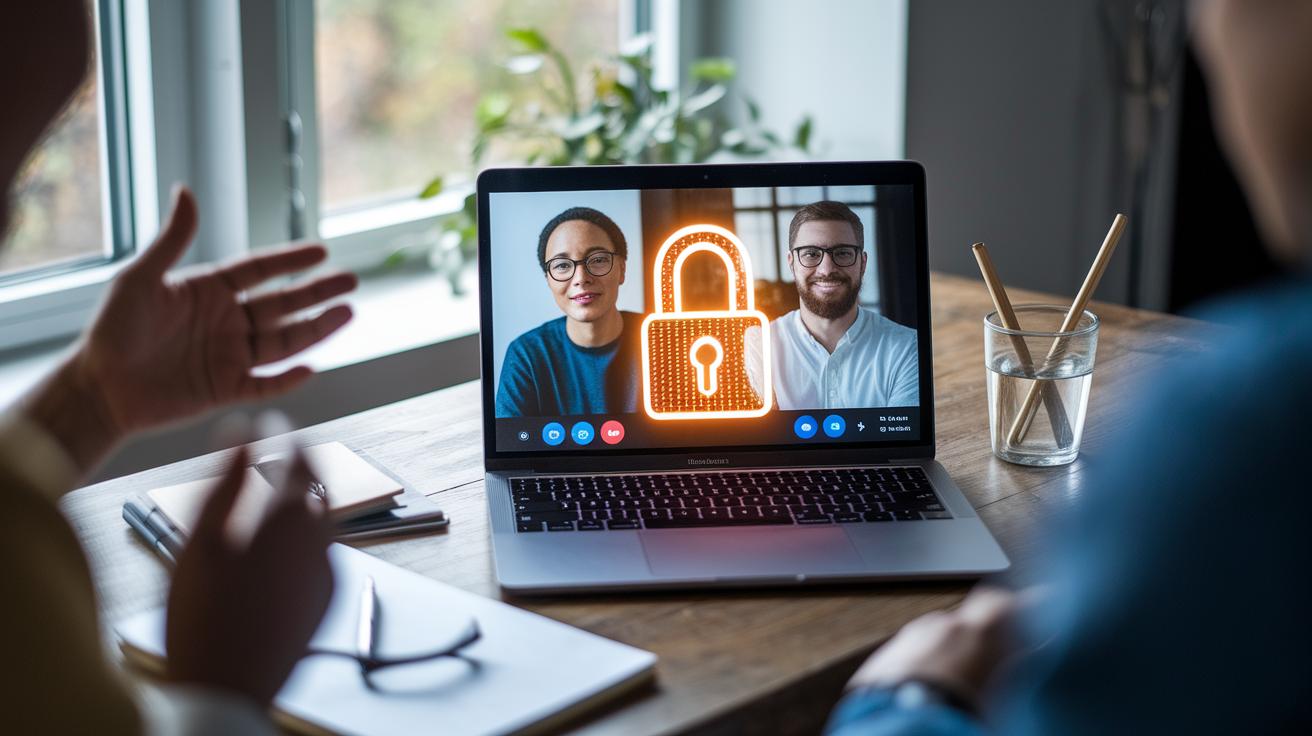
When you're on a video call, keeping your data secure while it travels from your device to the service is really important. We use secure protocols like TLS v1.2 or higher to lock your video stream tight, so even if someone tries to snoop, they only see scrambled info. You might even see a little note saying "Encryption Active," which means every bit of data is safely coded during its journey.
After your call ends, protecting your information doesn't stop. Stored recordings, logs, and other data are kept safe with strong methods like AES-256. Think of it like a locked safe that only you or someone you trust can open, so your private details always stay private.
We also stick to rules set by privacy laws like HIPAA and GDPR. This means handling patient consent correctly, notifying about any breaches quickly, and keeping data only as long as needed. In doing so, we build trust and keep your digital consultation well-guarded against any unwanted access.
Troubleshooting and Responding to Security Incidents
Sometimes, small missteps lead to security issues. You might see problems from things like leaving encryption off, using old or shared links, having weak passwords, or even poor screen sharing settings. If you don't have real-time alerts set up, unusual actions can slip by unnoticed. That’s why it’s important to have a clear plan: change your passwords, remove visitors who don’t belong, and let your IT team know when something feels off.
- Check your session logs often to notice any strange join attempts or unexpected file transfers.
- Reset any compromised credentials right away and use strong, new passwords.
- Turn off screen sharing when it isn’t needed to keep settings as safe as possible.
- Contact IT immediately if you see any unusual activity.
- Remove anyone who shouldn’t be there and secure the session as soon as you can.
- Keep a record of everything so you can learn and improve your process.
After an incident, take some time to review your security rules. Update your procedures and remind everyone how to stay protected. This careful follow-up makes your digital risk management stronger and keeps your system better guarded against future threats.
Final Words
In the action, we explored key steps for protecting video consultations. We discussed setting up waiting rooms, using strong passwords and IDs, locking meetings, and adding extra layers like two-factor authentication.
We also highlighted the need for regular updates, effective encryption, and strict access control. These practical measures show how to secure your video consultation session from hackers, making your digital healthcare experience safer and more reliable. Stay proactive and keep your sessions secure.
FAQ
Q: What is Secure Video Teleconference (SVTC)?
A: Secure Video Teleconference (SVTC) refers to using video calls with strong encryption, robust access controls, and identity verification to keep sensitive discussions, like telehealth sessions, private and protected.
Q: What is remote monitoring in telehealth?
A: Remote monitoring in telehealth is a process where patients use digital tools and devices to track their health from afar, allowing clinicians to review data and adjust treatments without in-person visits.
Q: How do telehealth privacy and security concerns impact video consultations?
A: Telehealth privacy and security concerns impact video consultations by exposing users to risks like data breaches and unauthorized access. Using encryption, strong passwords, and waiting rooms helps protect patient information.
Q: How secure is video conferencing for sensitive care?
A: Video conferencing security for sensitive care depends on features like end-to-end encryption and meeting controls. Activating these settings helps shield sessions from intrusions and protects confidential health data.
Q: How can I participate in video conferencing in a safe way?
A: Participating safely means joining via secure links, using unique meeting IDs and passwords, and ensuring your device and software are updated. These precautions lower the risk of unauthorized access.
Q: What are the security risks of telemedicine?
A: The security risks of telemedicine include issues like poor encryption, weak passwords, and unsecured data storage. Addressing these risks with strong authentication, meeting controls, and regular software updates is essential.
Q: How do you build a therapeutic relationship during a telehealth session?
A: Building a strong therapeutic relationship can start with clear communication in a secure environment. Using private video calls and effective digital tools helps patients feel safe and understood during sessions.
Q: How does telehealth relate to patient safety?
A: Telehealth enhances patient safety by enabling remote monitoring, immediate communication, and access to care. However, maintaining robust privacy and security measures is crucial to protect patient data and build trust.