
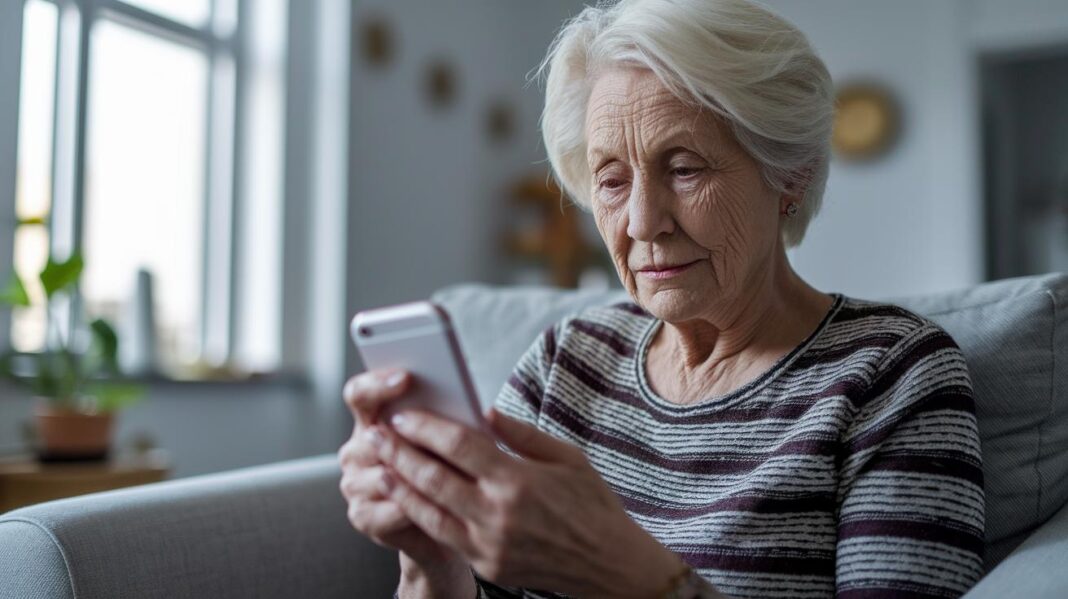

Have you ever noticed how your phone can change your healthcare experience? Mobile health tools let you reach a doctor or check your health from almost anywhere. Imagine getting a friendly reminder on your device or having a virtual visit with your doctor, even if you live far away. Today, we’re going to explore how these simple tools can make a big difference for those who need care the most. It’s amazing how technology is filling in the gaps in our health system.
How Mobile Health Technology Improves Healthcare Accessibility in Remote and Underserved Areas
Mobile health technology puts healthcare right in your pocket. With smartphones, tablets, and even wearable gadgets, you can get care wherever you are. It means you can receive remote check-ups, video chats with your doctor, and access your health records without taking a long trip. Imagine a small clinic in a far-off town using a simple tablet. It helps doctors quickly find your records and even teaches you how to manage your condition. Pretty neat, right?
Telehealth visits come to the rescue for many who live in underserved areas. A quick video call lets you talk to your provider, cutting down on long waits and hard travel. Sometimes, you even get a gentle text message reminding you to check your blood pressure. It’s an easy way to stay connected and care for yourself without any fuss.
Mobile health is only getting better. New advances like AI (a type of smart computer help) and augmented reality could soon offer personalized care that predicts and prevents issues before they become a problem. Tablets now play a big role in both patient care and office tasks, making everything run smoother. Curious for more details? Check out the advantages on OurMobileHealth.com. This blend of technology is steadily bringing better healthcare to those who need it most.
Telemedicine Integration in Mobile Health Enhancing Healthcare Accessibility
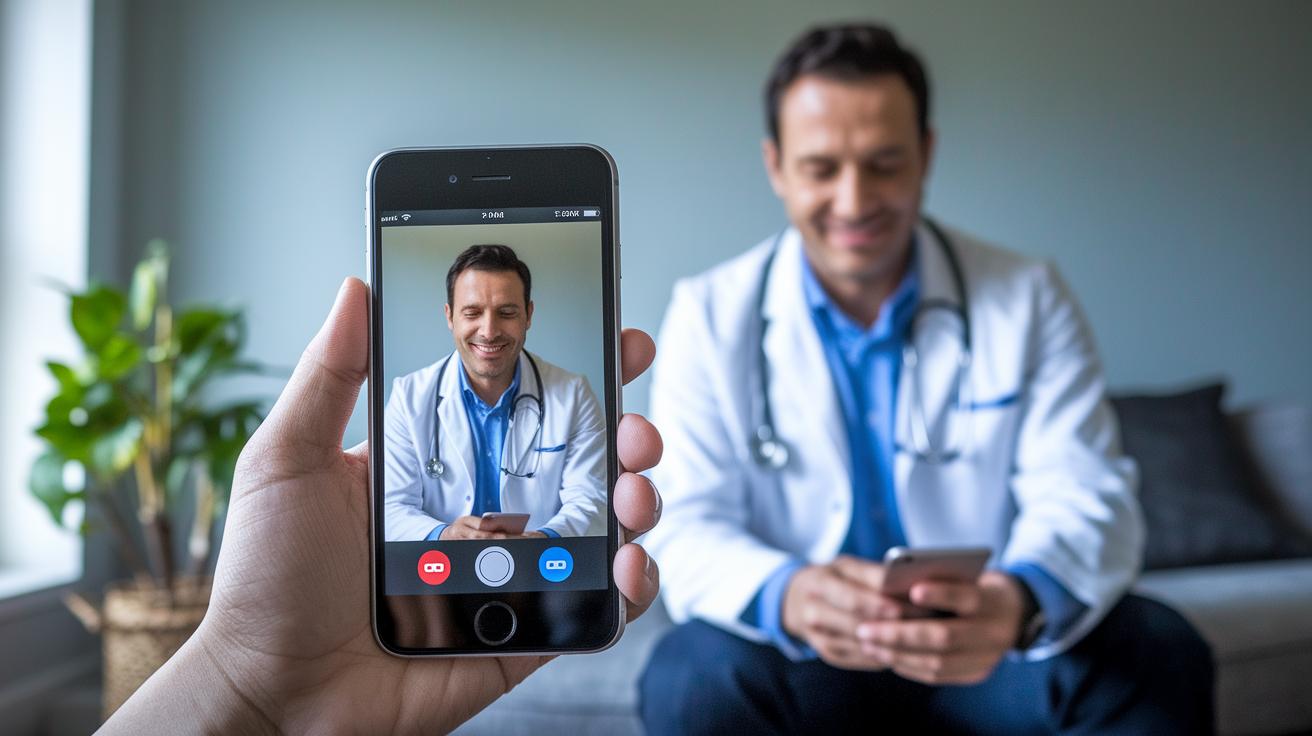
Since COVID hit, mobile telemedicine has really taken off. It now lets people in far-off or underserved places get care right from their phones. Video calls, easy appointment booking, safe messaging, and auto follow-ups help cut down on in-person visits. Just a tap on your device lets you check in with your doctor while they easily keep track of your care. Want to know more about how video consults work? Check out how do video consultations work for telemedicine.
- Real-time virtual consultations
- Automated appointment reminders
- Secure messaging features
- Streamlined follow-up scheduling
Bringing these telemedicine features to your mobile makes it easier for patients and doctors to talk with each other. Simple alerts and user-friendly screens help you stick to your care plan, even if you're far from a clinic. In truth, mixing virtual visits with smooth scheduling tools is reshaping how we access healthcare, quality care is just a tap away.
Remote Patient Monitoring Through Mobile Health Devices for Expanded Access
Remote Patient Monitoring uses smart gadgets like blood pressure cuffs, glucose meters, and wearable sensors to keep an eye on your health all day. These devices send your numbers over a network of medical tools, kind of like a team working together, so your doctor can check your health in real time. It's super helpful for managing long-term conditions, especially if seeing a doctor in person is tough. Just imagine a sensor that tracks your glucose levels non-stop and lets your care team know right away if something seems off. It really feels like having a personal health guardian by your side. You might even want to explore some wearable health trends to see how these advancements are making home care smarter.
At-home telemonitoring makes follow-up visits a lot easier and can help reduce hospital readmissions. With portable sensors, you can monitor your well-being no matter where you are. And if there's a sudden change, doctors can step in quickly, which often leads to better health outcomes. This constant stream of information not only makes health monitoring more efficient but also gives you and your family peace of mind, knowing that help is just a quick data alert away.
Integrating Mobile Health with Electronic Health Records to Improve Accessibility
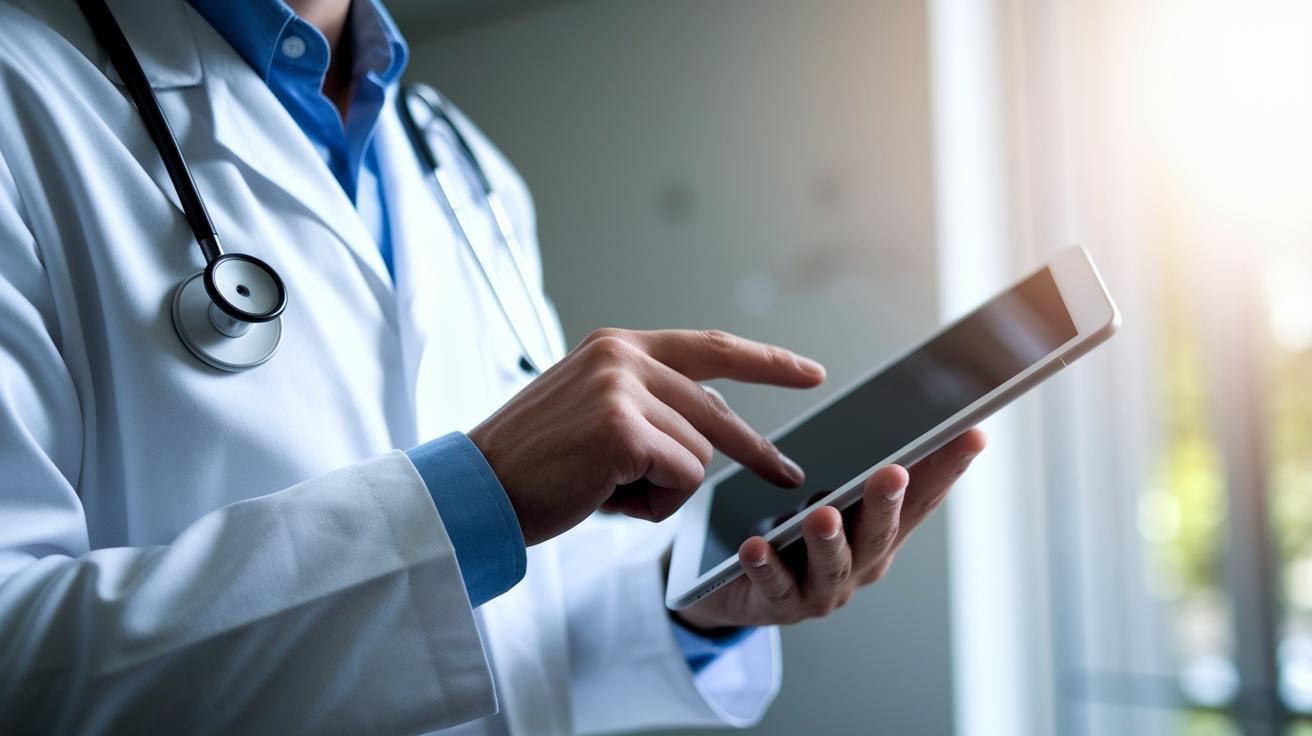
Doctors can now check, update, and review patient info straight from their smartphones or tablets. This shift ditches heavy paper charts in favor of secure digital records. With these cloud-based systems, updating patient details is quicker, and mistakes happen less often. Imagine a doctor using an easy app to verify a patient's medications rather than flipping through paper files. It saves time and helps in making faster, smarter care decisions.
Better access to EHRs also makes it easier for patients and care teams to stay connected. Everyone gets the most recent details, which cuts down on extra paperwork and duplicated efforts. This smooth, digital bridge helps teams work together better, letting healthcare pros concentrate on decisions that make real differences in patient care.
Mobile Health Applications and Portable Diagnostics Driving Patient Engagement
Mobile health apps make it easy to stay on top of your wellness. They help you follow your treatment plan at home by sending friendly reminders like, "Time for your blood pressure check." This means you get clear steps for everyday care without any fuss.
Portable gadgets take your care further. Tools such as a smartphone ECG or a digital stethoscope let you run simple tests wherever you are. It’s like having a mini clinic in your pocket, so even if you’re far from your doctor, you can check your heart or listen to your lungs easily.
In truth, using these apps and gadgets together makes health care feel more connected. They support quick tests and give immediate insights, which means you can feel confident about your health, no matter where you are.
Next, take a look at these top portable gadgets designed to bring health checks right to your fingertips:
- Smartphone ECG: It tracks your heart rate and rhythm in real time.
- Handheld Ultrasound: It provides quick images for a speedy checkup.
- Digital Stethoscope: It amplifies sounds from your body to help spot any irregularities.
- Smart Pill Bottle: It monitors your medicine intake and sends helpful alerts.
- AI-Powered Diagnostic Tool: It reviews symptoms and images to catch early signs of health issues.
Addressing Data Security and Privacy in Mobile Health for Accessible Care
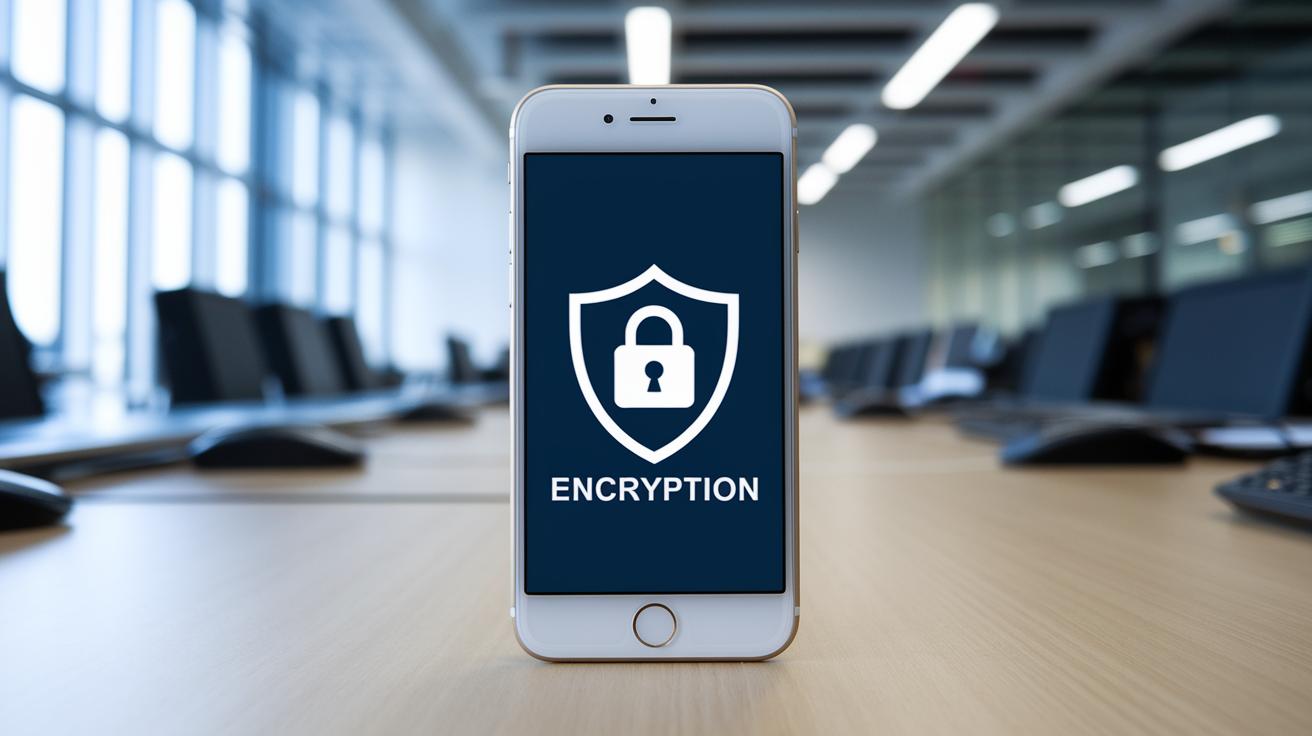
Keeping health information safe on your mobile device is really important. Mobile apps that store your health details can sometimes be at risk for unauthorized access. To help with this, we use Mobile Device Management tools that set up security rules automatically and use strong encryption. This means your data stays private even when you're checking your information remotely. Plus, secure patient portals add another layer of protection.
Following strict rules builds trust between you and your healthcare provider. We stick with communication methods that fully match HIPAA guidelines to protect every touchpoint. By keeping health details safe and private, we make digital care more reliable. Providers and tech teams work together regularly to update security measures, so your digital interactions remain secure. This careful approach helps us make mobile healthcare safe and accessible for everyone.
Future Trends in Mobile Health Technology Shaping Healthcare Accessibility
Mobile health is on the brink of a big change in the way we get care. AI-powered tools and digital therapy apps are already hinting at a future where care is personal, aware, and even preventive. It feels like your phone could soon give you a nudge before a small issue turns into something more serious.
The arrival of 5G means that video calls with your doctor will be crystal clear, and tons of medical devices can connect effortlessly. Faster data transfer makes remote check-ups and quick actions totally achievable, even in areas that have always been left out. This shift is tearing down old walls, making healthcare more immediate and tailored to your unique needs.
New tools like augmented reality and machine learning are set to make access to good healthcare as easy as pie. They mix perfectly with other mobile tech to build a smart network that spots issues left and right. Think of it like a friendly neighborhood watch, but for your health.
As more devices join the Internet of Medical Things, even folks in far-off places will get fast, data-driven care. This future promises a world where everyone benefits from a reliable, responsive touchpoint for their well-being. Isn't it amazing to imagine healthcare that finally fits everyone's life?
Final Words
In the action of our discussion, we explored how mobile health technology improves healthcare accessibility by integrating telemedicine, remote monitoring, EHR systems, and interactive diagnostic tools. These elements bring care closer to people in remote areas, reduce wait times, and offer secure pathways to vital information.
The article highlighted promising future trends like AI and 5G that further simplify care management. Positive advancements like these pave the way for a brighter, more connected healthcare experience for everyone.
FAQ
What recent articles explore telehealth use in health care?
A recent article on telehealth use in health care discusses how mobile platforms enable remote consultations, efficient data sharing, and innovative trends like AI integration to improve patient care.
What are some examples of mobile health technology?
Mobile health technology examples include smartphones for telehealth consultations, tablets for accessing electronic records, wearable devices for remote monitoring, and mobile apps that provide patient education and appointment scheduling.
How does telehealth increase access to healthcare?
Telehealth increases access to healthcare by offering video consultations, reducing travel time, and delivering continuous remote monitoring, which benefits patients in remote or underserved communities.
How does telemedicine impact overall healthcare?
Telemedicine improves overall healthcare by reducing in-person visits, enhancing provider communication, and supporting chronic care management through real-time monitoring and timely interventions.
What unethical uses of smartphones in healthcare exist?
Some unethical uses of smartphones in healthcare include breaches of patient privacy, unauthorized data sharing, and misuse of sensitive information when adequate security measures are not in place.
How is telehealth expected to evolve by 2025?
Telehealth is expected to evolve by 2025 with greater integration of AI, improved video consultation quality, enhanced remote monitoring, and broader access that helps reduce care disparities.
How can telehealth improve continuity of care?
Telehealth improves continuity of care by making it easier for patients and providers to stay in touch, schedule follow-ups, and monitor health conditions continuously, leading to more coordinated and consistent care.
What insights exist on telemedicine’s impact on healthcare accessibility?
A comprehensive review on telemedicine impact shows that mobile platforms enhance accessibility by streamlining virtual consultations, integrating with electronic health records, and improving both patient engagement and overall care coordination.