


Have you ever wished you could skip the long wait at the doctor’s office and just have a quick video chat? It’s a lot like ordering your favorite meal online, easy and fast. In fact, 81 out of 100 patients love this new way to get care.
Imagine squeezing in a check-up during a work break or getting a gentle reminder on your phone to help you stay on track. Virtual doctor visits are changing the way we get care, making it simple and accessible for everyone.
Virtual Consultation Models Transforming Patient Care
Virtual consultation models are truly changing how patients get care. Now, you can reach your doctor no matter where you are. In fact, 81% of patients say they’re really pleased with this approach. Just like ordering your favorite meal online, you get health advice that’s fast, reliable, and convenient.
These models help break down distance barriers, making care accessible for everyone. Imagine scheduling a video consultation during a brief work break and getting answers as quickly as you send a text. It’s a refreshing change from long, stressful trips to the doctor’s office.
Remote monitoring further boosts this method. Your doctor can check in on your progress in real time, which is especially handy if you’re managing a long-term condition. It’s like getting a gentle nudge from your phone to look after your health.
Then there’s hybrid telemedicine, a mix of online chats and occasional in-person visits. This approach came into play during COVID-19 and has now become a trusted way to provide complete care. By cutting down on wait times and travel costs, it makes health care both personal and practical for today’s busy lives.
Enhancing Patient Engagement through Virtual Consultations

Virtual consultations are quickly becoming a game-changer for patients. They help fix the frustration of awkward appointment times that often stop people from getting the care they need. For example, about 33% of people say timing issues keep them from booking appointments, and 22% say their doctors don’t offer virtual services. Interestingly, nearly one in four would even switch providers just to get virtual care.
By using digital tools like remote diagnostic solutions (which let you share your health data from home), health platforms make it easy to connect with your doctor without leaving your cozy living room. This flexible way of meeting means you can fit a check-up into your busy day without missing a beat. And think about it, virtual visits can cut travel, work time lost, and parking fees, reducing your out-of-pocket costs by roughly one-third.
When scheduling troubles are ironed out and costs drop, you feel a little more in charge of your own health. Virtual care is truly making proactive health management feel real and accessible.
Addressing Reimbursement and Provider Adoption in Virtual Care
Many health systems are facing hurdles when trying to grow virtual care. Clinicians often seem less enthusiastic because virtual visits are billed under lower-paid codes, which squeeze operating margins. In fact, 27% of systems missed their margin targets over the past three years. So, even with strong consumer interest, executives sometimes restrict digital health services, leading to steady usage numbers since 2022.
Providers worry that the current reimbursement model doesn’t fully capture the value of virtual consultations. This concern leaves many clinicians hesitant to embrace these platforms completely. At the same time, organizations struggle to match their goals with what patients really want. Focusing on secure data sharing and clear e-health compliance can help build trust in these new care models.
To truly modernize healthcare, we need to tackle these financial and operational challenges head-on. By updating reimbursement practices and creating supportive environments for both in-person and online care, virtual care can become much stronger. Leaders and policymakers must work hand in hand to design fair financial incentives and flexible policies that cater to both clinical needs and the growing demand for dependable digital care.
Looking forward, smart investments in virtual care require clear policy changes, better reimbursement methods, and upgraded technical infrastructure. This will not only invite more provider participation but also improve patient outcomes in a meaningful way.
Technology and Infrastructure Needs for Seamless Virtual Consultations
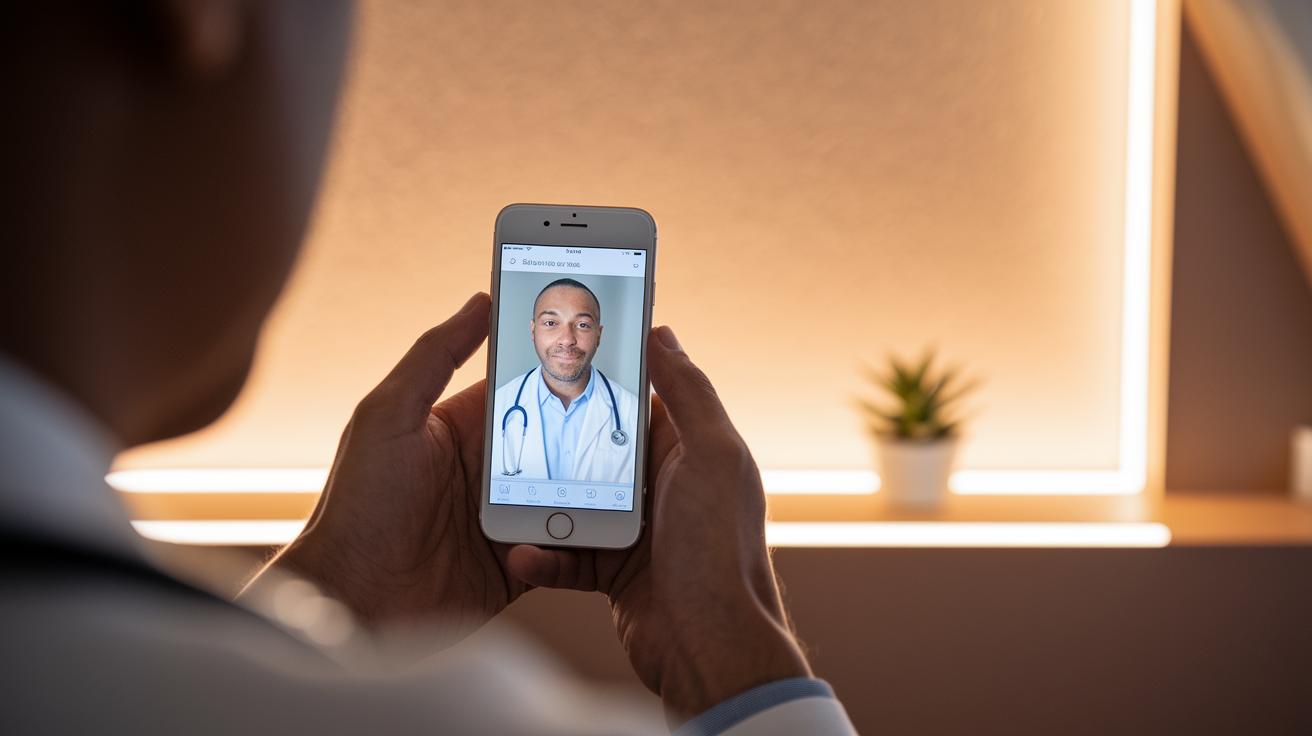
Having clear, high-definition video calls is essential. It makes remote visits feel just as warm and real as a face-to-face meeting. A strong mobile health system brings top-notch hardware and smart software together, so doctors get a clear look at patients while keeping every detail secure.
Next, systems should let you send safe messages and smoothly update electronic health records. This keeps patient details moving effortlessly between steps, saving time and building trust. And platforms that quickly screen symptoms can really help figure out what a patient needs during a virtual appointment.
Privacy is a must. Every platform should use encryption that meets HIPAA rules, keeping all conversations and data secure. With these high tech demands, companies often spend between $1M and $10M or more to set everything up. This kind of investment builds strong networks that handle crisp video and maintain top-level data security without skipping a beat.
The COVID-19 pandemic really pushed us to scale up online tools fast. Health systems have improved their digital setups so that even during tough times like lockdowns, care stays reliable. With secure and well-integrated technology, virtual consultations become a smooth, dependable part of everyday health care.
Putting money into these key areas lays a foundation that can grow and adapt. It helps make patient care better in a world where digital connections play a bigger role in our lives.
A strong network and frequent updates keep everything running smoothly, even as more people use these services.
Integrating Hybrid Telemedicine with Remote Monitoring for Continuity of Care
Hybrid telemedicine mixes video calls, secure texts, and face-to-face visits to help you get the care you need wherever you may be. It keeps your treatment plan moving along smoothly. When you choose this blend, you enjoy instant live chats with your doctor and scheduled check-ups that bring a personal touch.
Everyday devices like wearables and smart sensors send live updates about how you're doing. Your doctor can see changes in your heart rate or your activity level as they happen. This means any sudden shifts in your condition are noticed early, and your care plan can be adjusted right away. It's like having a constant, friendly reminder that someone is looking out for you.
This approach is especially helpful for those living in rural areas, people who have trouble getting around, or busy professionals on the go. Automated follow-ups and digital care tips make sure you're supported long after your first visit. Regular check-ups and alerts keep your plan active and help prevent any breaks in your care. In truth, sharing real-time updates builds trust and helps you stay ahead of any health bumps along the way.
Evaluating Outcomes: Quality Metrics in Virtual Consultation Models

When we look at virtual consultation programs, clear numbers that show true outcomes are a must. For example, 81% of patients say they had a good experience. Tracking review metrics like missed appointments or the time it takes to reach a diagnosis helps us sharpen our approach to care.
Patient comments are gold, too. Imagine asking, "How did your digital visit compare to a regular appointment?" Such simple surveys catch feelings and help us see how engaged patients are. This honest feedback guides us in making care even better.
Then, there’s the money side. By keeping an eye on savings from lower facility costs and fewer travel expenses, health providers can see the economic benefits of virtual care. Add in clinical details like readmission rates or how well treatment plans are followed, and you get a complete picture of care effectiveness. All these quality numbers allow providers to fine-tune their services to truly meet patient needs.
Innovations and Future Trends in Virtual Consultation Models
New breakthroughs are constantly changing the way we connect with healthcare remotely. Smart tools, like chatbots that offer AI diagnostic support (think of them as helpful digital assistants) and predictive analytics that hint at possible issues, help clinicians zero in on problems quickly. Even machine learning, where systems get smarter with every patient interaction, suggests better follow-up actions over time. And then there’s cloud-enabled care, which lets patient details travel securely between doctors and patients, ensuring that the right data is available when it matters most.
Wearable devices also bring a fresh twist by delivering continuous streams of data. With every sensor reading, doctors can adjust treatment plans on the fly, making care more personal and timely. Experts now wonder, have you ever thought about using virtual reality for rehabilitation? Soon, interactive VR exercises might help patients recover in ways that feel almost real. Next, as digital health innovations evolve, we’re seeing new designs that keep patients at the forefront of care while also simplifying operations with smart automation and analytics.
Final Words
In the action of exploring virtual consultations, we saw how they break down barriers, cut wait times, and boost patient involvement. We touched on flexible scheduling and cost savings while noting the importance of secure tech and smooth follow-ups. We even reviewed key quality metrics and fresh innovations quietly shaping the future. Each step shows promise in enhancing patient care through virtual consultation models. The shift feels both reassuring and exciting, promising a future where care is truly accessible and patient-driven.
FAQ
What is the impact of telemedicine on healthcare?
The impact of telemedicine on healthcare is seen in improved access, reduced wait times, and enhanced patient satisfaction. Virtual appointments remove geographical limits and support timely follow-ups through remote monitoring.
How does telehealth increase access to healthcare?
The way telehealth increases access to healthcare is by eliminating the need to travel and offering flexible scheduling options. This means patients can see providers more easily, regardless of their location.
What are the benefits of virtual consultations?
The benefits of virtual consultations include saving time, reducing travel hassles, and increasing convenience. They also support quick follow-ups and improve overall patient satisfaction by making care more accessible.
What are the positive impressions of telehealth from providers?
The positive impressions of telehealth from providers are shown through improved scheduling flexibility, better no-show management, and enhanced continuity of care, which contribute to a smoother patient-provider connection.
How can telemedicine improve patient care?
The way telemedicine improves patient care involves timely consultations, effective remote monitoring, and personalized follow-ups, which together promote a steady and consistent patient-provider relationship.
What are the 4 C’s of patient centered care?
The 4 C’s of patient centered care are compassion, communication, collaboration, and customization. These elements guide providers in creating supportive, personalized care experiences that truly address patient needs.
What is the impact of virtual consultations on the quality of primary care?
The impact of virtual consultations on primary care quality is seen in improved appointment adherence, reduced wait times, and increased patient satisfaction, which contribute to more efficient and effective overall care.
What are the benefits of applying models to a consultation?
The benefits of applying models to consultations include structured care delivery, enhanced patient engagement, and consistent treatment protocols that streamline decision-making and integrate both virtual and in-person care.