


Have you ever noticed how different states seem to have their own rules for protecting your data? Instead of one huge law, every state creates its own clear guidelines so you and local businesses know exactly what to expect. This local approach helps you feel more at ease, knowing your information is cared for with great attention. In truth, even though the privacy rules change from state to state, you can trust that your personal data is handled carefully and with precision.
Data Privacy Act Sparks Confidence In Compliance
Did you know there isn’t one federal privacy law in the U.S.? Instead, privacy matters are handled by a mix of state laws that try to fit local needs. For a quick intro to data privacy, check out what is data privacy on our site. States set up their own rules, one might enforce strict consumer data protection while another uses different safeguards. This means both customers and businesses need to know the rules that apply in their own area.
State laws are now the backbone of personal data protection, replacing the old idea of a single national law. Many of these acts provide clear instructions for handling your data and give you more control over your own information. Here are some important laws that form today’s privacy framework:
- California Privacy Rights Act (effective 1/1/2023)
- Virginia Consumer Data Protection Act (effective 3/2/2021)
- Colorado Privacy Act (approved 6/2020, effective 7/1/2023)
- Texas Data Privacy and Security Act (signed 6/18/2023)
- EU General Data Protection Regulation (effective 5/25/2018)
At the heart of these laws is the idea that there are controllers and processors. Controllers decide why and how your personal data is used. Processors work on behalf of controllers, handling the data according to set rules. Personal data is defined very broadly to mean any information that can be linked to you, even if it starts out off as pseudonymous details but then connects with other data. This wide definition helps ensure all types of data are covered, building a trust-worthy framework that helps users and businesses feel more secure.
State-Specific Compliance Mandates in the Data Privacy Act
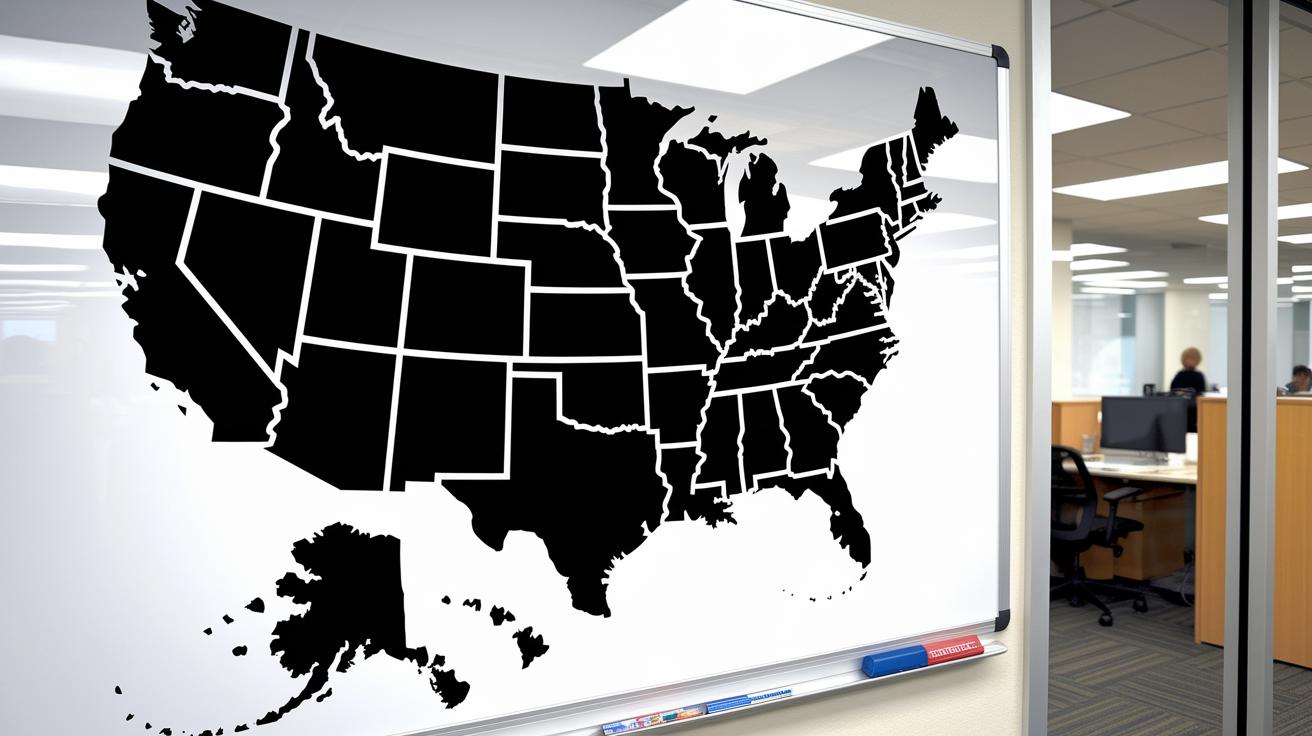
States have their own unique privacy rules made to tackle local concerns and keep consumers safe from region-specific risks. They build these rules into the broader U.S. patchwork of data privacy measures. Often, these laws focus on protecting sensitive information from kids, giving people more control over their own data, and setting strict deadlines for breach notifications.
Texas Data Privacy and Security Act
Texas' law is broad and applies to nearly every business operating in the state, regardless of size or the volume of data handled. Starting January 1, 2025, consumers will have clear rights to opt out. Businesses get a 30-day window to fix any issues before fines, up to $7,500 per violation, kick in. There are a few exceptions, like data protected under HIPAA or covered by GLBA and FERPA. Enforcement is handled by the Texas Attorney General, who can require businesses to make quick fixes.
Connecticut and Minnesota Acts
Connecticut’s Data Privacy Act, which kicked in on July 1, 2023, is all about keeping sensitive and teen data safe. Although it doesn’t let people sue directly, it relies on the state Attorney General to enforce its rules. Meanwhile, Minnesota’s Consumer Data Privacy Act goes even further. It allows individuals to take legal action if their data is breached and has set timelines to notify consumers quickly. Like Nebraska’s rules on deletion, data portability, and profiling opt-out rights, Minnesota demands extra care when handling personal data. Together, these state laws bring clear guidelines and strong consumer rights to families everywhere.
International and European Frameworks Related to the Data Privacy Act
Europe has set strong rules to keep our information safe. Under GDPR, organizations need to get your clear permission before using your data. And if something goes wrong, they have just 72 hours to report it. If they don’t follow the rules, fines can be really steep, up to €20 million or even 4% of their global revenue.
Then there’s the Digital Services Act, which started on November 16, 2022. This law guides how online content should be managed. On top of that, the Digital Markets Act makes sure digital companies play fair with one another. And more recently, the EU AI Act, approved on June 16, 2023, tells companies using high-risk AI systems exactly what they must do to protect you. All these rules work together to give you clear privacy protections.
Canada, too, has its own set of guidelines through PIPEDA. Here, if a data breach happens, organizations must report it within 30 days. If they slip up, fines can go as high as CAD 100,000 for each incident. These rules help keep your data safe, even when it crosses borders. Imagine every data transfer undergoing a quick check to ensure your information is securely handled in Canada and beyond.
In the end, having these rules in place helps everyone trust the systems that connect us. It makes sure that even as technology links us together, your privacy stays protected every step of the way.
Consumer Rights and Business Obligations under the Data Privacy Act

Consumers now have clear rights that let them take charge of their own personal information. With these rights in place, you can feel confident knowing you can check how your data is managed. It means you can verify that your details are handled the right way and kept safe.
Here are six important rights you should know:
- Right to confirm data processing
- Right to access your personal data
- Right to correct any mistakes
- Right to ask for deletion (often called the "right to be forgotten")
- Right to move your data to another service (data portability)
- Right to opt out of targeted ads
At the same time, businesses have a few key responsibilities. Companies need to provide clear privacy notices and perform regular checks to spot any risks early. They’re also required to respond to requests for your data details while making sure their digital systems are secure. When businesses follow these practices, it builds trust and keeps everyone’s interests protected.
Implementation and Compliance Strategies for the Data Privacy Act
Modern technology makes keeping your data private easier than ever. Today, many companies use automated systems to handle tasks like data requests (DSAR processes) and managing customer consent. These systems work in over 50 countries and take over jobs that used to be done by hand. For example, automatic data searches help cut down on mistakes, and simple risk-check guides lead businesses through each step. This way, using alternative tracking methods (that is, non-cookie identifiers) becomes a lot smoother and builds trust with customers.
Strong privacy starts with clear rules. Companies are now setting up solid security policies that act like the backbone of their system. They keep an eye on their work with regular internal checks and schedules for risk reviews to meet legal standards. In creating these policies, they look for possible issues and decide on smart fixes ahead of time. New tools even let businesses see changes in rules almost as soon as they happen, so they can adjust quickly while keeping accurate records.
Keeping everyone in the loop is key. Ongoing training sessions help employees know how to handle privacy requests and spot new issues as they arise. Regular checks of internal controls and scheduled audits make sure the privacy plan stays strong and legal. These steps build a resilient system that not only meets the current rules but can also adapt easily when new data privacy regulations come into play.
Enforcement Bodies and Penalties under the Data Privacy Act

State-level enforcement is key to making sure companies keep your data safe. For instance, the Texas Attorney General can step in and demand a company fix any issues within 30 days, or else face fines of up to $7,500 for every violation. This shows that local regulators are serious about protecting your personal information.
Federal agencies also play a big part in keeping privacy standards high. For example, a new rule from the DOJ will limit mass transfers of sensitive data starting 4/8/2025. If companies don’t follow the rule, they might face more enforcement actions. Then there’s the FTC. Their updates to COPPA, coming into effect on 6/23/2025 with a compliance deadline of April 22, 2026, set clear expectations for companies handling children’s data. And in another notable case, the Arkansas Attorney General sued GM on 2/26/2025 for collecting and selling data the wrong way, showing that breaking these rules can lead to serious legal trouble.
Future Trends and Updates in the Data Privacy Act Landscape
The United States is steadily updating its approach to data privacy, and it’s pretty exciting to see these changes in action. For example, on September 23, 2025, California’s Privacy Protection Agency wrapped up new rules on the CCPA. These rules cover everything from how automated decisions are made and how risks are checked to ensuring cybersecurity audits are in place. At the same time, other states are sketching out guidelines for AI privacy, addressing things like algorithmic profiling and decisions made by machines. This all signals that digital rights are evolving and that there’s a clear timeline for tech companies to get in line with new rules.
Across the Atlantic, the EU AI Act is gearing up to impact high-risk systems in areas like healthcare, finance, and employment. Enforcement is expected to kick off by late 2025 or early 2026. This means organizations need to start planning now so their systems are ready for these changes while keeping up with modern cybersecurity standards.
It’s a fascinating time for both digital rights and tech regulation. Isn’t it interesting how new laws can reshape the way we protect our digital lives?
Final Words
In the action, we explored key aspects of protecting personal data through a mix of state laws, international rules, and consumer rights. We highlighted different mandates, from state-level acts to global guidelines, and broke down simple strategies to keep data secure.
We also looked at how businesses and individuals can work together under the data privacy act to safeguard information. This practical and clear approach leaves you confident about stepping into a secure digital world with a smile.
FAQ
What is the Data Privacy Act?
The Data Privacy Act sets rules for handling personal information and protects individual rights by defining data processing responsibilities for both private and public sectors.
What is the RA 10173 Data Privacy Act?
The RA 10173 Data Privacy Act refers to the Philippines’ law that protects personal data, defining how organizations must process and safeguard personal information.
What is the Data Privacy Act in the Philippines?
The Data Privacy Act in the Philippines provides a legal framework to safeguard personal information, outlining rights and responsibilities for public and private organizations handling such data.
What is a Data Privacy Act PDF?
A Data Privacy Act PDF is a document that contains the complete text of the law, offering detailed definitions, guidelines, and responsibilities related to the protection of personal data.
What is the Texas Data Privacy and Security Act?
The Texas Data Privacy and Security Act establishes rules for handling personal data in Texas, setting consumer rights and outlining measures for compliance including specifics on exemptions and penalties.
What is the Texas Data Privacy and Security Act 2025?
The Texas Data Privacy and Security Act 2025 introduces provisions where consumer agents gain opt-out rights starting in 2025 and includes a cure period for businesses before penalties kick in.
What is the American Data Privacy and Protection Act?
The American Data Privacy and Protection Act is a proposed framework for federal personal data protection in the United States, aiming to fill the gaps left by the current patchwork of state laws.
What is a Texas Data Privacy and Security Act PDF?
A Texas Data Privacy and Security Act PDF is a downloadable document containing the law’s full text, explaining its guidelines on personal data protection, state exemptions, and penalties for non-compliance.
What is the Data Protection Act?
The Data Protection Act sets standards for processing personal data by ensuring transparency, accuracy, and accountability, while protecting individual privacy and specifying penalties for breaches.
What is an example of a violation of the Privacy Act?
An example of a violation of the Privacy Act is sharing personal information without consent, which breaches the law’s guidelines and may lead to legal actions or financial penalties.
What are the 5 principles of the Data Protection Act?
The 5 principles of the Data Protection Act include maintaining lawfulness, fairness, and transparency, purpose limitation, data minimization, accuracy, and accountability in the handling of personal data.