


Have you ever wondered if your phone can really guide your health care? Your smartphone lets you check your blood pressure, weight, and more with just a few taps. And there are apps that even let you share this information with your doctor easily. Next, we compare a few platforms that mix real medical advice with day-to-day health tracking. We ask which one truly puts your care first, keeping you informed every step of the way. Let’s take a closer look at how these tools make managing your health feel personal and effortless.
Evaluating Mobile Health Platforms for Patient Care
Mobile health platforms help you keep track of your health using your smartphone or tablet. In 2021, about 85% of Americans had a smartphone, making it easier than ever to monitor your daily habits and vital signs. Imagine an app that guides you step by step, first, open your device; next, record your blood pressure; then, enjoy the smooth feeling of staying on top of your health. It’s simple, straightforward, and shows just how useful mobile health can be. For more details, check out the advantages of mobile health technology.
On the other hand, telehealth blends modern technology with real medical care. It includes live video chats, methods where information gets sent later to your doctor, and remote patient monitoring (which means your health data is collected from devices at home). Think about an RPM system like CareSimple’s, recognized with Epic Toolbox for 2025, that gathers info from devices such as blood pressure monitors, weight trackers, and glucose meters. This method makes it easier for your clinician to keep a close eye on your health.
In truth, mobile health is all about quick, independent checks, while telehealth brings in personal clinical feedback. Choosing a digital tool means you want an easy-to-use app together with strong, real-time data support. When patient care apps are designed intuitively and deliver accurate information, you feel much more in control. This balanced combination shows how modern platforms are working hard to meet today’s health needs.
Comparison of Core Features in Mobile Health Platforms
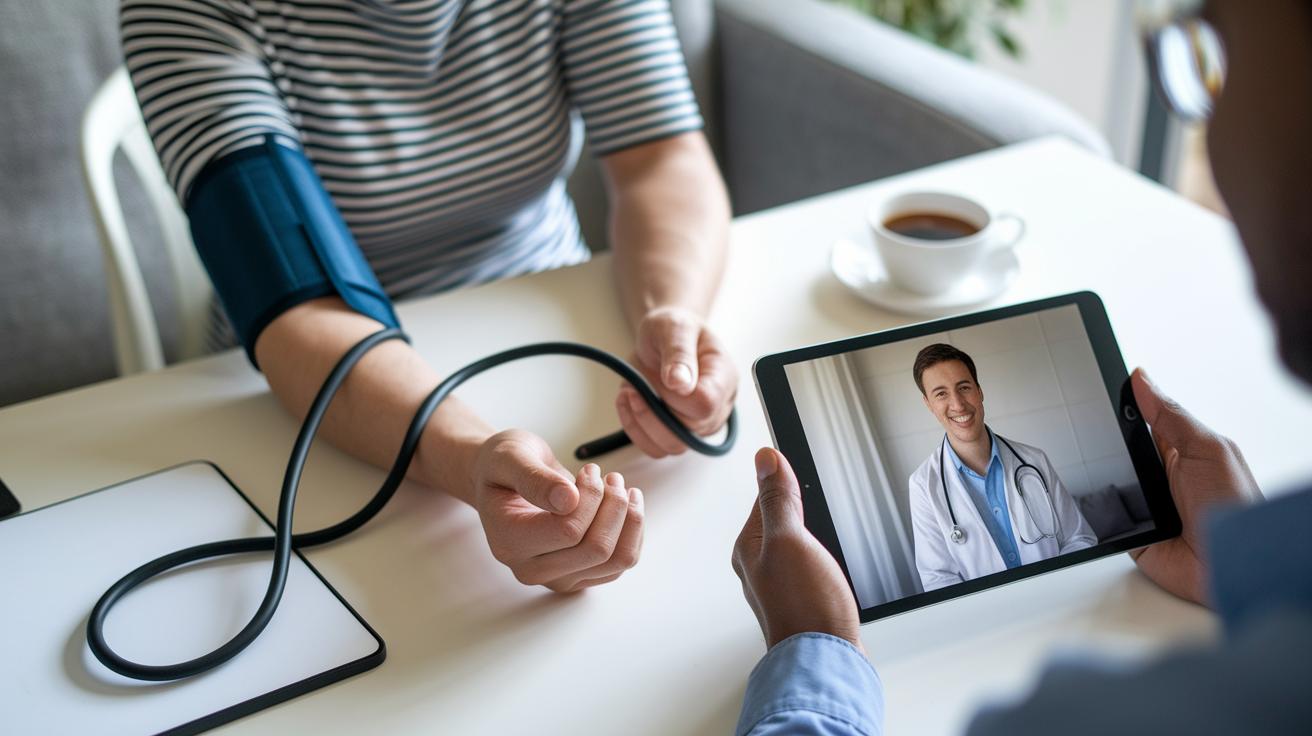
Remote patient monitoring is all about capturing your vital signs right at home and sending that information directly to your care team. For example, with CareSimple’s RPM engine, your blood pressure readings, weight measurements, and glucose levels are collected and shared almost immediately. Imagine taking a quick reading and knowing that your clinician has the details they need to help keep you on track. This smart, connected way to monitor your health is really key in managing your well-being.
Telemedicine interfaces bring your doctor’s office right to your living room. You can chat live over video or even send health details for later review if the internet speed isn’t great. I remember how during the COVID surge, a simple video call saved so much time and worry. It’s like skipping a long drive and getting advice when you need it, truly flexible care for all kinds of needs.
Care coordination applications work like a personal assistant in your health journey. These tools help arrange appointments, track medications, and send you gentle alerts if anything doesn’t look right. It’s a bit like having a little helper who keeps your treatment plan organized and easy to follow. This setup makes both you and your care providers feel more confident in managing your health.
App-based treatment tracking makes self-monitoring fun and engaging. Think of it as writing in an eDiary where you track your sleep, meals, and weight goals. Imagine jotting down your daily habits in an app that gives you soft nudges to keep going. This interactive approach makes tracking your progress feel both simple and enjoyable.
Usability and User Experience Assessment for Patient Care Apps
mHealth solutions focus on giving you a friendly, personalized experience. These apps use simple menus and clear layouts so checking your health is easy. Think of an app that immediately shows your daily stats on the first screen, you can see them quickly and understand them without any fuss.
Patient care apps on your phone are built to be super user-friendly. They let you manage your own care with ease. Because of this smart design, you usually don’t need extra gadgets, unlike some telehealth tools that require special devices. The clean, simple icons guide you step by step, much like following markers on a walking trail.
New design trends mean signing up is a breeze. Imagine starting without messy forms or overwhelming menus; it feels like the app knows exactly what you need. A steady color scheme and clear labels add a comforting touch that makes things feel familiar.
These little design choices make keeping track of your health fast and smooth. In truth, mHealth platforms blend modern tech with an inviting, intuitive design that makes you feel right at home.
Security and Privacy Standards in Mobile Health Platforms
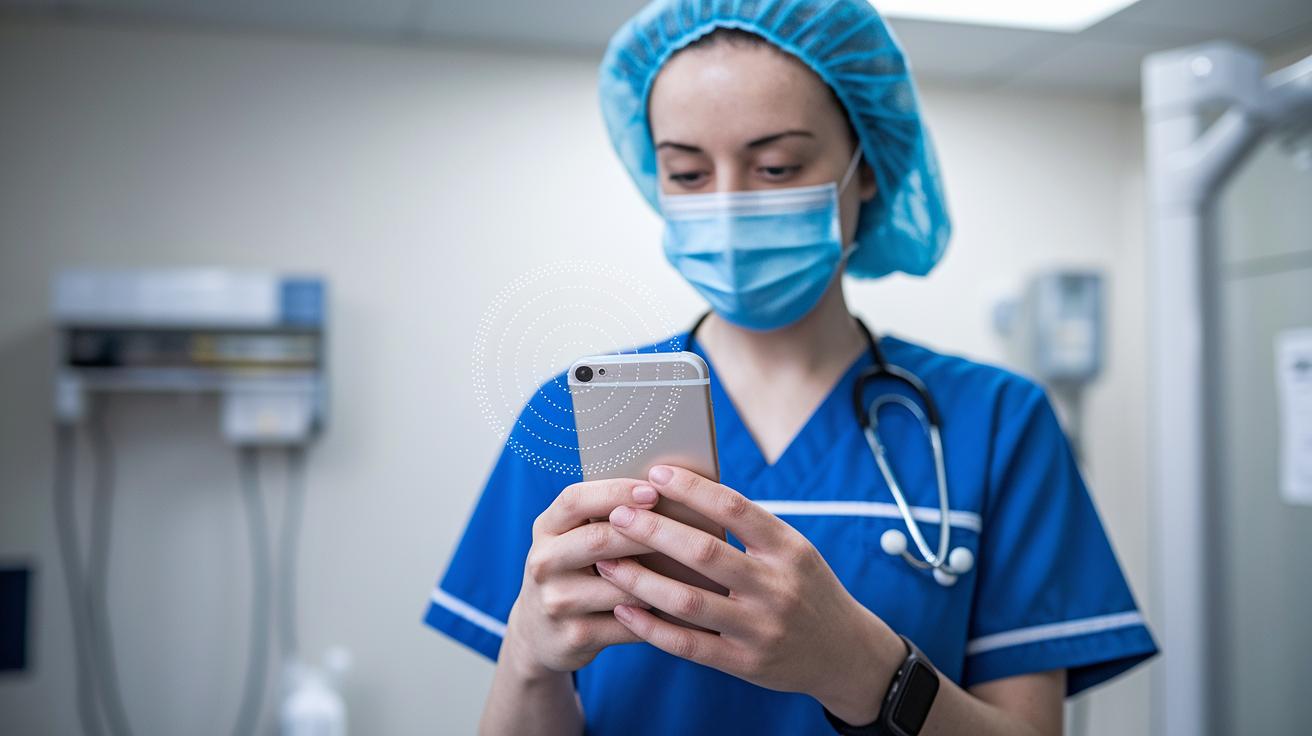
Mobile health platforms work hard to keep your information safe. Many of these systems follow rules like HIPAA, GDPR, GCP, and ISO27001 so you know your health details are in good hands. Think of it like a secure vault where only the right people can get in.
They use smart encryption to protect your data both when it sits on a device and when it travels to another device. This means that even if someone tries to grab your info, it stays scrambled and unreadable. Plus, only team members with the right permissions can view certain details. All of these safety measures go together to build a strong shield around your personal data and help you trust modern health apps.
Interoperability and Integration Capability Analysis
Mobile health apps are made to work easily with other systems, so your health details end up exactly where they need to be. They connect with electronic record systems like Epic, Cerner, and MyChart, letting you view all your information in one simple spot. This smooth connection means no extra hassle for you.
Many platforms also use secure tools to sync data from devices like Fitbit and Google Fit. Imagine your daily steps, heart rate, and sleep patterns blending right into your medical records. It’s like having a full picture of your health right at a glance.
Cloud-based services add another layer to this ease. Some platforms use AI-powered data sharing, think services like Google Cloud, to speed up syncing and keep your information safe. This setup means your records update in real time, keeping everything secure.
By linking hospitals, wearables, and other services, these platforms create one complete record for you. This unified approach makes care coordination both effortless and efficient.
Performance Metrics and Clinical Outcomes Comparison
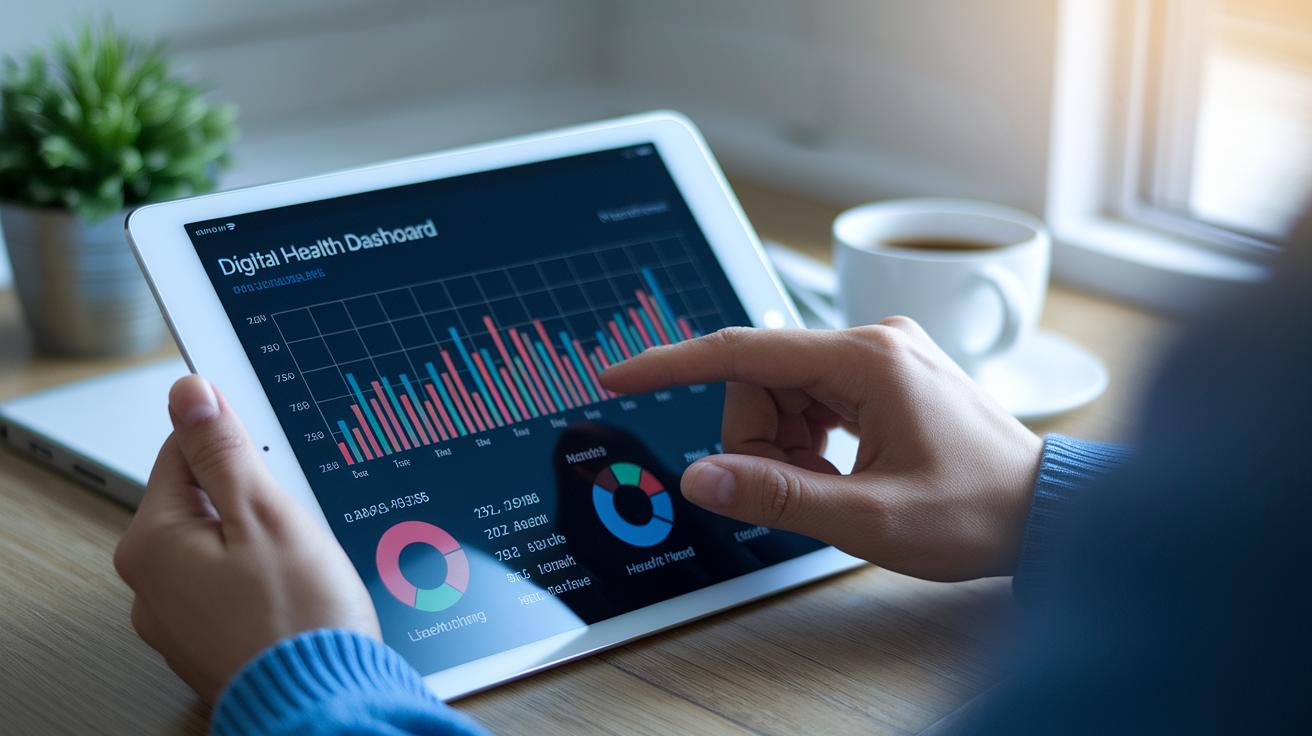
Digital health platforms are showing real benefits. Omada Health, for example, helps users shed 4–5% of their weight in just 16 weeks. This quick change shows how mHealth tools can make a big impact. Huma gives continuous updates on biomarkers, which helps virtual trials run more smoothly. And coming soon, CMS is set to roll out new rules in 2026 that will make remote patient monitoring even stronger. Propeller Health also reports high levels of respiratory adherence, leading to better chronic care management.
These numbers open a clear window into how well these systems work. They do more than just record data, they help boost patient care and satisfaction. When comparing platforms, it’s useful to consider weight loss percentages, continuous biomarker tracking, new regulatory milestones, and how well patients stick to their treatment plans. Each clue helps care providers pick solutions that fit patient needs.
| Platform | Metric | Result | Study Period |
|---|---|---|---|
| Omada Health | Weight Loss Percentage | 4–5% reduction | 16 weeks |
| Huma | Biomarker Capture | Continuous monitoring | Ongoing |
| CMS | RPM Regulatory Flexibility | Anticipated enhancements | Expected 2026 |
| Propeller Health | Respiratory Adherence | Improved patient response | Recent study |
All these performance measures show how digital health tools are designed to boost patient care. They help ensure that patients get consistent, quality care and keep both patients and providers confident in their health choices.
Cost-Effectiveness and Pricing Model Comparison
Looking at mobile health platforms, we check upfront costs, subscription plans, and long-term returns on investment. Back in 2020, telemedicine pulled in 4.2 billion dollars, while mHealth apps received 1.8 billion dollars. These figures point to different market paths for each solution. Some platforms let you use basic features for free, while others charge a monthly or yearly fee for advanced functions like syncing health data with wearables.
Imagine an app that starts off free and then gives you premium health insights for a small monthly fee. It’s a lot like upgrading your favorite game to enjoy extra features. Free-to-use apps make it simple for anyone to keep track of their health, while enterprise solutions that integrate with hospital systems or remote patient monitoring (keeping an eye on patients from a distance) often prove their worth by boosting efficiency and lowering long-term costs.
At first glance, higher subscription fees can feel steep. But over time, fewer hospital visits and smoother patient care may save you money. These pricing models offer both individuals and institutions flexible choices to fit different health needs and budgets.
Vendor Support, Technical Stability, and Update Frequency

When you use a mobile health app, you need to feel secure, knowing the vendor truly stands behind their work. A lot of companies promise great service. They often provide written agreements that explain how quickly help will come, whether by phone, email, or live chat. Imagine reaching out and hearing someone say, “We’re on it,” when your app behaves oddly.
Regular updates keep your app humming along nicely. Most vendors set a monthly routine for adding new features and fixing bugs. And if something unexpected happens, they have an emergency patch ready to go, so a small glitch is swiftly fixed before it becomes a big problem.
The teams behind the apps also help guide you on important rules like HIPAA and GDPR. They make sure your data is well-protected under strict privacy laws. Often, you’ll see regular check-ins and training sessions that make handling tech troubles a bit easier.
- Vendor support is all about quick, clear help when you need it.
- Reliable customer service means staying in touch every step of the way.
- Regular software updates keep your app fresh and safe.
This blend of thoughtful support and steady updates means your digital health experience stays secure and smooth.
Patient Engagement Technology and Communication Applications
Mobile platforms now use smart messaging systems that help patients stick to their routines by sending push notifications, SMS reminders, and email alerts. They work like a friendly nudge, imagine getting a gentle alert saying, "It’s time for your daily health check." It’s a simple, caring way to keep you connected with your health without feeling overwhelming.
eDiary tools add another layer of support. These apps let you easily log things like sleep, food, and exercise. Picture an app that pops up asking, "How did you sleep last night?" and then shares a few handy tips based on your answer. It feels more like a conversation with a friend than a boring daily log.
AI-powered educational modules make the whole experience even better by giving you personalized advice and interactive content. When patients get content tailored just for them, it boosts both understanding and confidence in managing their conditions. These modules might suggest, "Try a short walk now to get a burst of energy," making health tips feel timely and personal.
There’s also a neat comparison between in-app messaging and third-party chat tools. In-app messaging keeps everything in one secure spot, making it straightforward to follow the conversation. On the other hand, chat integrations sometimes offer a more lively back-and-forth. Reviews often highlight how these messages make care feel continuous, rating them based on quick responses, clear messages, and ease of use.
Overall, these features, from handy notifications to engaging eDiaries and smart messaging, give patients the boost they need to feel informed and motivated every step of the way.
Case Studies and Comparative Effectiveness in Patient Care

At Huma, using sensors to track small changes in a patient's health during cancer treatment really makes a difference. These sensors pick up subtle signs that might hint at how the treatment is working. This real-time info lets doctors adjust care quickly, cutting down delays and keeping patients more involved in their own journey.
Omada Health mixes simple lifestyle changes with digital coaching to help with weight loss. People enrolled in the program have lost around 4 to 5 percent of their weight in just 16 weeks. This clear, measurable success shows that an app-based approach can help overcome the usual challenges of sticking to healthy habits.
Epic Systems made a smooth shift to telehealth in a regional hospital, bringing digital tools into a more traditional setting. By improving the way appointments are scheduled and how patients and their doctors communicate, wait times have dropped significantly. Together, in-person care and virtual visits create a more efficient experience for everyone involved.
Teladoc is stepping up its game by expanding into mental health consultations. Their mix of virtual appointments and real mental health support tackles the growing need for accessible care. This kind of service helps reduce the stigma around mental health and makes it easier for folks to get the help they need.
MyChart shows that easy-to-use design can boost patient engagement. The portal offers clear views of lab results, straightforward appointment management, and simple communication with care teams. Feedback from users emphasizes that a friendly, accessible interface really matters when it comes to better health outcomes.
- Huma: Biomarker-driven health tracking in cancer treatment
- Omada Health: Effective digital weight-loss support
- Epic Systems: Smooth telehealth integration in hospitals
- Teladoc: Virtual mental health consultations reducing stigma
- MyChart: Simple patient portal that boosts care engagement
Final Words
In the action, this post showcased a solid comparison of mobile health platforms for patient care. We broke down everyday features like ease-of-use, live support, and secure data tools side by side with telemedicine. Each section shed light on key areas, you can see how pricing, device integration, and care engagement all factor in. The discussion painted a vivid picture of how these platforms work together to support a smoother path to wellness. Remember, the right technology can really brighten your health experience.
FAQ
What are healthcare mobile apps for patients?
The question regarding healthcare mobile apps for patients points to tools that help track health data, schedule appointments, and monitor conditions—all aimed at simplifying care while making health management more accessible.
What are the disadvantages of mobile health apps?
The disadvantages of mobile health apps include data privacy concerns, potential user interface challenges, and dependency on reliable connectivity, meaning users must weigh these issues against the convenience these tools offer.
What is the impact of telemedicine on healthcare?
The impact of telemedicine on healthcare is seen in improved access to consultations, quicker diagnoses, and reduced travel time. It allows health professionals to offer care remotely, expanding service reach.
What benefits does telemedicine offer to patients?
The benefits of telemedicine for patients include receiving timely consultations, enjoying the convenience of remote care, and enhanced chronic condition management, which collectively help maintain consistent follow-up without the need for in-person visits.
What technology should telemedicine platforms use to shield patient information?
The technology telemedicine platforms should use involves advanced encryption and role-based access controls that protect data during both storage and transmission, aligning with compliance standards like HIPAA and GDPR.
How do mobile devices and apps benefit healthcare professionals?
The benefits for healthcare professionals using mobile devices and apps include quick access to patient records, enhanced communication, and smoother workflow management, all of which support more informed and timely clinical decisions.
What are mobile medical devices?
The term mobile medical devices refers to portable health tools like digital blood pressure monitors, glucose meters, and pulse oximeters that capture vital health data, thereby supporting remote patient monitoring and immediate care adjustments.
What types of apps are available for healthcare professionals?
Apps for healthcare professionals are designed to aid in clinical decision-making, care coordination, and easy access to medical guidelines, helping improve workflow efficiency while supporting evidence-based patient management.