
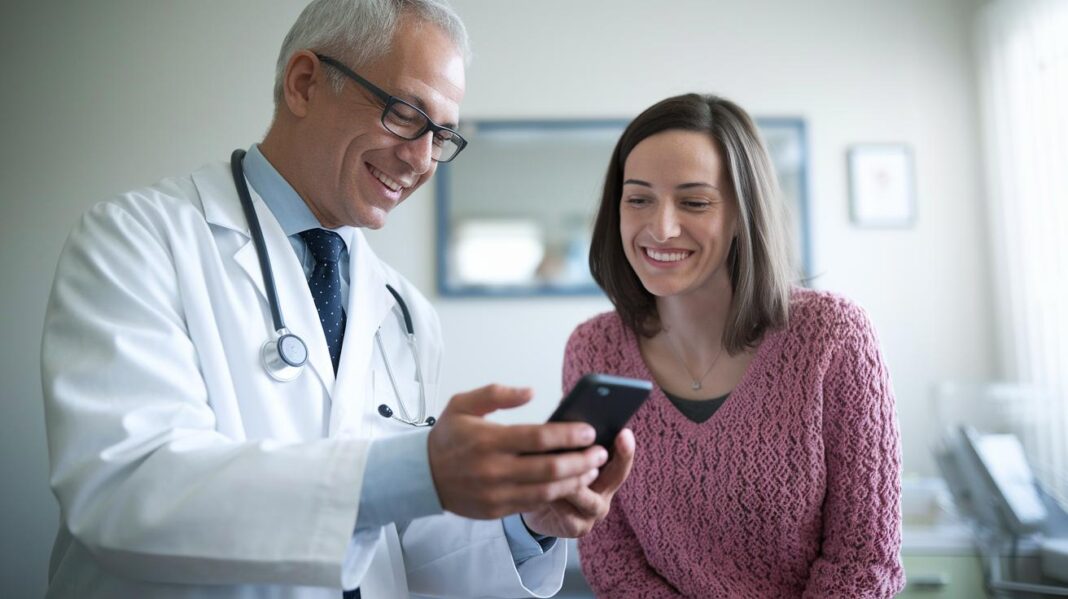

Ever thought your phone could be your best health buddy? Mobile health puts care right in your pocket. It makes it super easy to check your daily steps, set up appointments, and even chat with a doctor when you need help. And the best part? This shift from clinics to your mobile device means that cost-effective, quality care is always within reach, anytime you need it.
Core Advantages of Mobile Health Technology
Mobile health tech is changing the way we get care. Today, smartphones and wearable devices let you keep an eye on your health anytime, not just at the clinic. In fact, 85% of Americans have a smartphone, with nearly all young adults and most people in their 30s and 40s carrying one. Think of it like having a friendly reminder in your pocket, tracking everything from your meals to your daily steps.
During challenging times, like the recent global health crisis, mobile health really came through. Virtual doctor visits shot up by 154% in March 2020 compared to the previous year. About 30% of all visits in the first half of 2020 were online, with many focusing on mental health. Programs such as the Mayo Clinic Telestroke, active since 2007 and helping over 1,500 patients each year, show just how fast and easy remote care can be.
Mobile health makes care simpler and more effective by moving things right to your mobile device. You can get better results without long waits or trips to the doctor.
- Increased accessibility
- Real-time health monitoring
- Cost-effective care delivery
- Enhanced patient-provider communication
- Streamlined data management
Enhanced Accessibility and Reach with Mobile Health Technology

Mobile health technology lets you get care wherever you are. Nearly all adults aged 30–49 own a smartphone, and 96% of those aged 18–29 have one too. This means you can check lab results, view your medical records, schedule appointments, and even chat with your doctor without coming into a clinic. It’s a simple way to get care without long waits or unnecessary travel.
Using mobile health tools, you can access secure care no matter where you live. Whether you're in a busy city or a small rural town, virtual consultations bring expert advice straight to your phone. This not only saves time but also makes sure that everyone gets the care they need.
Remote monitoring tools add another layer of support by sending important health updates in real time. Doctors can quickly respond if something changes, allowing you to manage your health easily from home. In short, care comes directly to you, making health management more personal and stress-free.
Real-Time Monitoring and Advanced Medical Tracking in mHealth
Today’s mobile health tools rely on cloud computing and the Internet of Things. Devices like smartwatches and fitness trackers use handy sensors to keep an eye on your health around the clock. They measure things like your heart rate, ECG, blood pressure, and even glucose levels as you go about your day. Apps can quickly alert you when something's off, just imagine a friendly nudge that helps you catch an issue before it becomes a bigger problem. This real-time watchfulness helps both patients and doctors take action fast, making care feel both personal and immediate.
| Device Type | Function | Data Captured |
|---|---|---|
| Smartwatch | Vital sign monitoring | Heart rate, ECG |
| Fitness Tracker | Activity tracking | Steps, calorie burn |
| Medical Sensor | Condition tracking | Glucose, blood pressure |
With advanced medical tracking, your care team can make decisions based on the very latest data. You feel closer to your treatment when you know what's happening in real time, almost like your device is there cheering you on. And for your provider, catching changes early means adjustments can be made on the fly. Think of it as getting a quick text from your health team, reminding you to check in when needed. Mobile health brings together smart sensors and digital tools to make your care smarter and more responsive.
Cost-Effective Care Systems Powered by Mobile Health Technology

Custom healthcare apps cut costs for both providers and patients. A clinic that moved to a digital system saw its facility bills drop every year, freeing up money to care for patients even better. One app made things simpler by handling appointment scheduling and checking health signs remotely.
These apps also act like early warning systems for chronic conditions. A timely alert, for instance, one that warns when blood sugar goes off track, can stop a problem from becoming an emergency. One study found that patients who had regular remote check-ups needed fewer hospital stays, which saved a lot of money.
Mobile health tools help doctors and clinics run things more smoothly by keeping all patient information in one easy-to-use spot. This lets providers check on patients from afar, cutting down on extra trips and building costs. One small practice found that using digital tools made it easier for their team to work together and lowered supply costs, letting them focus more on great patient care.
Improved Communication and Patient Engagement via Mobile Health Technology
Mobile apps have truly changed how doctors and patients interact. They let you send secure messages, join video calls, and even get medication reminders right when you need them. This simple approach helps you stay on top of your health and easily share updates during virtual visits.
Telemedicine Breakthroughs
Virtual care has become a real game changer. It brings the feel of an in-person visit right into your home. For instance, data from the Mayo Clinic Telestroke program shows that remote care can lead to better health outcomes. It lets doctors review test results, plan treatments, and address urgent issues quickly, all thanks to user-friendly technology.
Virtual Consultation Methods
To make virtual visits successful, using video calls, messaging, and mobile triage tools plays a big part. Video calls offer clear visuals and sound, making conversations warm and personal. Asynchronous messaging allows both patients and doctors to respond thoughtfully without feeling rushed. Mobile triage tools help by quickly sorting questions and directing them to the right care provider.
By using these simple strategies, mobile health tools create a smooth, real-time dialogue between patients and their care teams, making health care more engaging and personalized.
Secure Data Management and Integrated Health Records through mHealth Technology

Cloud-based mHealth systems work like a digital safe for your health details. They use encrypted transfers, think of it as an extra lock on your information, and store your records in one secure place. The system follows strict HIPAA rules, handling every piece of data with genuine care. Imagine your phone as a virtual vault that only lets your trusted care team see what matters. This modern setup makes managing records a breeze while keeping your privacy in check.
IoT devices add another helpful layer by sending live health data straight into your electronic records. This smart mix means less room for mistakes from manual data entry and a smoother, more connected system overall. With updates happening automatically, both you and your healthcare providers enjoy a tighter and more dependable digital care experience.
Innovations and Future Trends in Mobile Health Technology
Emerging AI (that is, computer smarts) and big data analysis (looking at lots of health details) are shifting how we predict and prevent diseases. These clever tools sift through heaps of data, giving care teams a chance to spot potential issues before they get worse. New sensor devices and connected wearables help check our health in real time, and the Internet of Medical Things (where everyday gadgets share health info) makes it easier to keep an eye on vital signs from afar. Thanks to these breakthroughs, mobile health is paving the way for more personal and proactive care.
Looking forward, telehealth is getting even better by pulling different mobile tools into one easy-to-use system. Mobile apps now blend cloud-based records with on-the-go check-ups, making care simple and quick to access. And as telemedicine teams up with mobile technology, we’re seeing more tailor-made treatment plans and smarter remote care. This transformation turns mobile health from just a way to talk into a full-on diagnostic powerhouse, sparking hope for a future where care is more connected and effective for everyone.
Final Words
In the action, mobile health technology is reshaping our approach to wellness by putting vital care right in our hands. We explored how digital tools help manage health outside traditional settings, making support more immediate and personalized.
• Increased accessibility
• Real-time health monitoring
• Cost-effective care delivery
• Enhanced patient-provider communication
• Streamlined data management
Embracing these advantages of mobile health technology means moving toward a future where care is easy, proactive, and ultimately uplifting for everyone.
FAQ
Frequently Asked Questions
Q: What are the advantages and disadvantages of mobile health technology?
A: The advantages of mobile health technology include increased accessibility, real-time monitoring, and cost-effective care delivery. In contrast, disadvantages can involve privacy concerns and inconsistent app quality.
Q: What examples of mobile health technology show its use by healthcare professionals?
A: Mobile health technology examples include telehealth apps, wearables, and symptom tracking tools. These tools help healthcare professionals with patient monitoring, appointment scheduling, and timely interventions in real-life situations.
Q: What are the disadvantages of mobile health apps?
A: The disadvantages of mobile health apps include limited functionality, data security risks, and the potential spread of misinformation, which may negatively affect patient care and trust.
Q: What unethical uses of smartphones in healthcare exist?
A: Unethical smartphone use in healthcare involves breaches of patient privacy, misuse of personal health data, and exploitation of apps for profit without adequate ethical oversight, which undermines trust and safety.
Q: Where can I download mHealth apps or find a list of mHealth apps?
A: mHealth apps can be downloaded from major app stores, where curated lists provide validated options, offering users a secure and straightforward way to access reliable digital health solutions.