


Have you ever wondered who keeps an eye on your personal details when you sign up online or open a bank account? When we talk about information privacy, it’s not just about rules. It’s about creating a safe space for your data, like a clear window that shows what’s inside.
In this blog, we chat about smart ways to care for your data. We explain how these practices build trust, protect your secrets, and lead to secure solutions. Pretty neat, right?
Get ready to discover how strong privacy measures work for you every day.
Fundamentals of Information Privacy
Information privacy helps manage the way both personal and business data is gathered, used, and stored. It covers everything from your medical records and bank details to employee information. Think of it as a set of guidelines making sure your data is treated with care. For instance, when you sign up for a newsletter, these rules ensure your email stays safe and isn’t shared without your permission.
On the other hand, data protection is all about keeping your information secure once it’s collected. It uses tools like secure storage, regular backups, and tight access controls to create a safety net. Picture a secure vault where all your data is locked up safely; that is what data protection does by preventing accidental loss or tampering.
The key ideas behind information privacy are transparency, consent, and minimization. Transparency means you can see clearly how your data is collected and used, imagine a clear glass window revealing everything inside. Consent is about getting your say before your information is used, just like asking if it’s okay to borrow something. Meanwhile, minimization focuses on gathering only what’s truly necessary, much like packing only the essentials for a short trip. Trusted frameworks like the FIPPs and OECD guidelines support these principles, ensuring that personal and corporate data stays secure and builds trust.
Historical Milestones in Information Privacy

Privacy laws have come a long way. Early legal acts tried to protect your personal information at a time when little was known about data security. For instance, the 1710 British Post Office Act was one of the first laws aimed at keeping mail private. Later, in 1782, the U.S. Postal Ordinance set up simple rules to keep mail secrets safe. These acts laid the groundwork for later rules that would try to balance new technologies with our right to privacy.
Next came the 1840 Census Confidentiality Pledge in the United States. This promise showed a strong commitment to keeping personal data safe. In 1889, the government made it clear that leaking census data was a serious offense. Then, an influential article in the 1890 Harvard Law Review sparked a lot of discussion about privacy and new camera technologies. A big milestone was California SB 1386. Introduced in February 2002 and coming into force in July 2003, it pushed many organizations to adopt strong privacy measures and reshaped data protection laws.
| Legislation | Year | Jurisdiction | Key Provision |
|---|---|---|---|
| British Post Office Act | 1710 | Britain | Established early mail privacy guidelines |
| U.S. Postal Ordinance | 1782 | United States | Set confidentiality rules for mail handling |
| Census Confidentiality Pledge | 1840 | United States | Ensured secrecy of personal census data |
| California SB 1386 | 2002/2003 | California, USA | Mandated organization-wide privacy measures |
Key Privacy Legislation: Global and U.S. Regulations
Almost 100 countries now have laws in place that tell companies how to handle your personal info. It’s like having a set of simple rules to keep you safe every day. These laws guide organizations on how to collect, process, and store sensitive data. For example, places like Europe and the U.S. require clear consent and careful data management. Modern companies need to stay on top of these rules. Doing so not only builds trust but also creates a safer digital world.
- EU General Data Protection Regulation (GDPR) – Started in 2018, it sets firm guidelines on consent and data handling.
- California Consumer Privacy Act (CCPA) – Rolled out in 2020, it gives people the right to see, change, or delete their personal data.
- U.S. Health Insurance Portability and Accountability Act (HIPAA) – Dating back to 1996, it creates strong rules to keep health information private.
- South Africa’s Protection of Personal Information Act (POPI/A) – Introduced in 2014, it focuses on protecting personal info in many sectors.
- Brazil’s Lei Geral de Proteção de Dados (LGPD) – Launched in 2020, it follows many of GDPR’s ideas by putting control and transparency in consumers’ hands.
- Australia’s Privacy Act – Established in 1988, it offers a federal system to manage privacy for both government and private organizations.
Staying in line with these laws is key for any group that handles sensitive info. It not only helps protect your rights but also cuts down on legal risks. In truth, reviewing and updating data practices regularly shows care and builds a strong foundation of trust in our connected world.
Information Privacy: Empowering Secure Data Solutions
Digital security is about blending smart techniques and processes to keep your data safe. Think of it like a layered shield protecting what matters most. We use simple encryption methods to stop unauthorized access and modern backup strategies to guard your sensitive information at every step.
Systems often rely on symmetric encryption for quick data handling and asymmetric encryption to add extra security during key exchanges. In plain language, these methods work together to protect your data while it's being moved or stored. Plus, advanced data leak prevention involves setting clear rules, keeping an eye on user actions, and fixing issues fast. It all adds up to a secure way to keep both your data moving and resting safe.
| Technology | Feature | Benefit |
|---|---|---|
| Encryption and DLP | Merges symmetric and asymmetric encryption with real-time data leak prevention and user monitoring | Keeps your data private and stops unauthorized sharing |
| Secure Storage and Backup | Utilizes modern storage with redundancy, precise access controls, snapshots, replication, and load balancing | Guarantees high data availability and quick recovery |
| Access and Endpoint Security | Uses multi-factor authentication, role-based controls, centralized identity checks, antivirus, patch updates, and secure data deletion | Prevents unauthorized access and shields your devices from cyber threats |
By mixing these technologies with smart policies, organizations create a strong framework that protects data every step of the way. Whether it's strict encryption or all-around endpoint safety, these methods help keep everything compliant and build trust among users. It's all about making sure personal and business data stay secure and reliable.
Challenges in Digital Privacy and Risk Mitigation

These days, keeping our data safe is tougher than ever. Cyber threats keep changing, and hackers are always finding new ways to break into systems. When organizations share information, the risks grow because attackers are constantly looking for weak spots. Old threats mix with new ones, so it’s important to act fast and understand each risk.
New challenges like smart computer programs that track behavior and weaknesses in mobile devices add extra puzzles to solve. That’s why teams need to keep a close eye on things with continuous monitoring and regular risk checks.
- Malware-based hacking – Keep running check-ups and use up-to-date anti-malware tools.
- Denial-of-service attacks – Use strong network filters and watch your traffic in real time.
- Phishing scams – Offer regular training and stick to strict rules about sharing data.
- Network sniffing – Use strong encryption (a way to scramble your data) and secure channels.
- Identity spoofing – Use extra steps like multi-factor authentication and review access often.
A good plan mixes privacy impact checks with quick alerts when things seem off. Organizations need to act fast when unusual activity pops up, follow rules, and keep security policies fresh. This steady approach not only cuts the risk of privacy breaches but also builds trust by showing a real commitment to protecting our information.
Protecting Health Data Confidentiality and Personal Privacy

Keeping your medical records safe goes beyond ticking boxes, it’s about mixing smart policies and tech safeguards to protect your information every day. Hospitals and clinics follow HIPAA’s 1996 guidelines by using clear administrative rules, secure physical spaces, and strong technical measures. They train their staff well, lock away sensitive files, and use encryption to keep digital records secure. All these checks work together so that your personal health details stay out of the wrong hands. Leaders like Chief Privacy Officers regularly review and update these protections, guided by straightforward practices to lower risks for everyone.
At the same time, organizations know that if something does go wrong, quick action is the key. They set up clear timelines to notify you of any breach and specify penalty levels to keep everyone on track. This proactive approach not only stops unauthorized access in its tracks but also builds a real sense of trust by showing that your information is handled with the utmost care. Regular policy updates ensure that both your privacy and the integrity of healthcare data are always protected.
HIPAA Compliance
Under HIPAA, the rules are crystal clear on how to keep your health information secure. They outline steps to follow if a breach happens, providers must report problems promptly and face penalties if they don’t meet the standards. This system helps keep everyone accountable and your data safe.
Best Practices for Clinical Data
Securing clinical data means keeping things simple and effective. Using strong administrative controls, encrypting your electronic records (turning your data into secure code), and keeping detailed logs are all key steps. These practices work together to build a safe and secure system that supports your privacy at every turn.
Implementing Privacy by Design and Ethical Data Handling
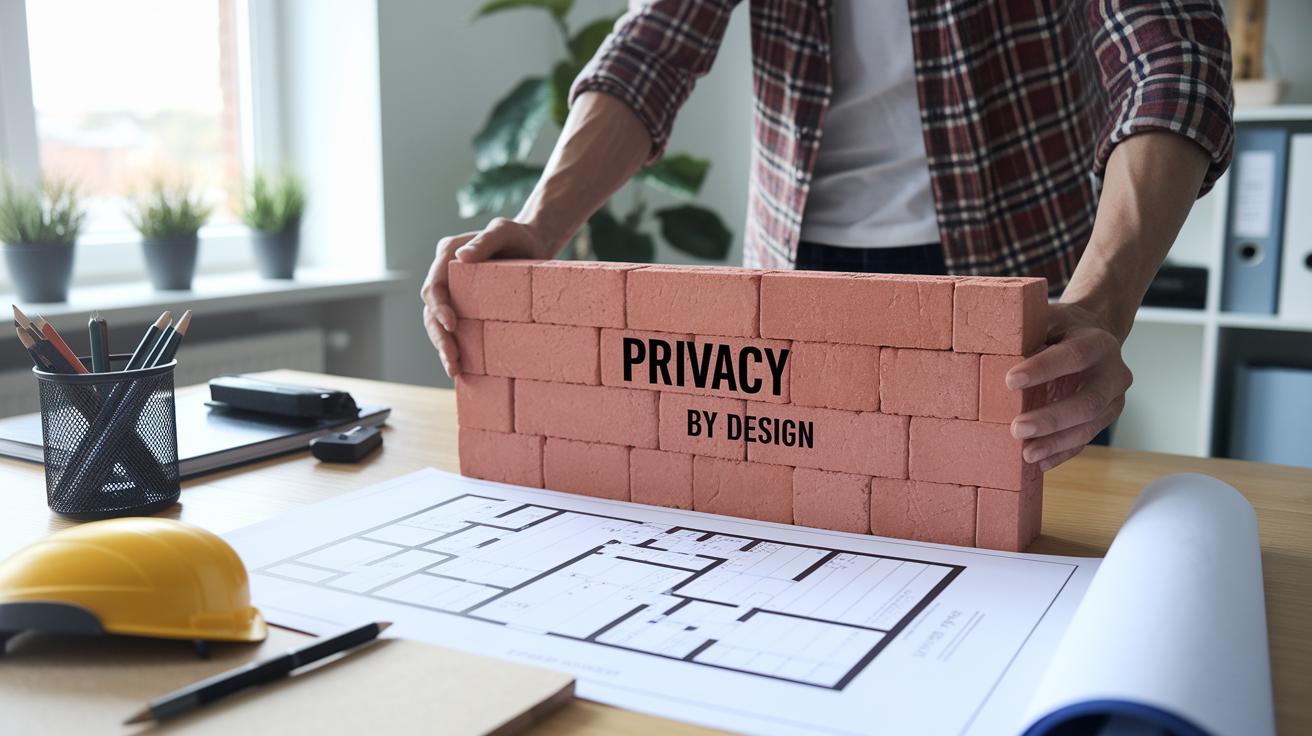
When it comes to handling personal data, building your system with privacy in mind from the very start just makes sense. Instead of adding privacy later like an extra feature, you weave it into every step of your design, much like constructing a safe home brick by brick, each piece a promise to respect your data.
By planning for privacy early, you set up strong protective measures that guide how data is collected, used, and stored. It means every choice is made with care and clarity, ensuring that the process stays true to your values. Have you ever noticed how planning ahead can smooth out so many bumps later on?
- Proactive privacy – Looking ahead to handle potential privacy issues before they even pop up.
- Data minimization – Gathering only the information that's absolutely necessary.
- User control – Giving you simple options to manage what happens with your data.
- End-to-end security – Keeping information safe from the moment it's collected until it's no longer needed.
- Visibility and transparency – Offering clear, regular updates and check-ins about data practices.
When privacy is a core part of your design, trust naturally grows. People feel empowered, knowing their information is not only respected but handled with ongoing care, from start to finish.
Privacy Compliance Audits and Impact Assessment Procedures

Privacy compliance audits give you a clear look at how well a company meets privacy rules. They check policies, test controls, spot gaps, and wrap everything up in a neat report. In simple terms, these audits show where data handling might be falling short and where changes are needed to stick with the law. Meanwhile, privacy impact assessments dive into how data is managed to find risks and see how they might hurt privacy.
Here’s a simple way to do it:
- List out all the ways you process data and handle information.
- Check for any privacy risks that come with these steps.
- Write down clear measures to ease those risks.
- Ask your team for feedback to help fine-tune things.
Regular reviews are key. When you run audits and assessments often, you stay current with changing rules and keep your privacy practices strong and ready for new challenges.
Final Words
In the action, we explored the basics of information privacy and its impact on data handling and protection. We looked at milestones, key laws, and trusted tech that keep health data safe. We also touched on how privacy by design and regular audits build people’s trust.
The discussion makes it clear that a strong focus on information privacy isn’t just about rules, it’s about feeling secure and connected. Stay positive and engaged on your path to better digital health.
FAQ
What do you mean by information privacy?
The term information privacy means managing how personal and organizational data is gathered, used, and shared, focusing on user consent and data minimization to build trust and maintain confidentiality.
What is data privacy?
The term data privacy focuses on keeping personal information safe from misuse by maintaining its confidentiality, integrity, and secure handling during collection, storage, and sharing.
Can you give an example of information privacy?
The example of information privacy appears when a mobile health app collects health data only after receiving user consent and uses it strictly for personalized care while enforcing strong security controls.
What are some reliable sources for learning about information privacy?
Reliable sources include detailed Wikipedia articles and comprehensive PDFs that compile research, guidelines, and examples on privacy laws and best practices for managing data.
What does information privacy law refer to?
The term information privacy law refers to legal frameworks that govern the collection, handling, and use of personal data, demanding organizations comply with regulations like GDPR and CCPA to protect users.
What are the 5 types of privacy?
The five types of privacy typically include informational, bodily, territorial, communication, and association privacy, each addressing different aspects of protecting personal space and data.
How is information privacy applied in computers?
In computer systems, information privacy involves securing digital data through encryption, strict access controls, and regular privacy impact assessments, ensuring that sensitive information remains confidential.