


Ever think a small device on your wrist could change how you care for your health?
Wearable tech shows you your heart rate, sleep routines, and movement live, almost like a gentle nudge reminding you to check in on yourself.
It really is more than just a step counter.
Imagine it as a smart buddy that helps you better understand your body and boost your well-being.
How Wearable Tech for Health Empowers Real-Time Monitoring
Wearable tech for health means smart gadgets you can wear that keep an eye on your vital signs all day. They use sensors like accelerometers, gyroscopes, optical heart rate monitors, and GPS to gather live data. They started off as simple step counters but have now grown into devices that track your heart rate, blood pressure, sleep habits, and even blood oxygen levels. Imagine your tracker giving you a quick alert when it notices something unusual, it’s like a gentle nudge from your body to take a break.
These modern health monitors and fitness trackers are true game-changers in keeping you on top of your well-being. They work around the clock, sending readings straight to your mobile app so you can easily see how active you are and how your body is doing overall. I once caught my breath during a jog because my tracker showed a spike in my heart rate; it really helped me adjust my pace right then and there. Moments like these show how real-time updates can make a big difference in your day.
And there’s more. When these devices connect with the Internet of Medical Things, they link up with healthcare professionals and electronic systems. This helps manage chronic conditions and keeps your fitness tracking spot on by feeding data straight into robust tracking tools. With wearable tech revenue expected to reach nearly $69.2 billion by 2028, it’s clear we’re moving toward a future where smarter, simpler ways to look after our health are right at our fingertips.
Wearable tech for health: Boosting Wellness

Have you ever thought about how a tiny gadget on your wrist can help keep you well? Wearable devices come in many shapes and sizes, each with its own sensors that catch important signals from your body. They can feel like a mini command center right at your fingertips, even woven into your clothes sometimes.
Fitness trackers are common examples. They come with step counters, accelerometers (little sensors that sense motion), and heart rate sensors that give you instant feedback during a workout. Smartwatches, on the other hand, add touchscreens and ECG sensors (which check your heart’s rhythm) to blend exercise tracking with trusted health info.
Then, there are digital medical devices such as wearable ECG and glucose monitors. These tools collect clinical-grade data to help manage conditions like heart problems and diabetes. And isn’t it cool that some smart clothing now has tiny textile-based sensors that monitor your posture and movement? It’s as if your clothes are looking out for you. There are even implantable devices that offer continuous care by keeping close tabs on your health.
In fact, hospital-grade wearables, such as adhesive patches and wristbands, mix temperature probes, pulse oximeters, and FDA-approved modules to provide real-time data for patient care.
| Device Type | Primary Sensors | Typical Use Cases |
|---|---|---|
| Fitness Trackers | Accelerometers, step counters, optical heart rate sensors | Activity and exercise tracking |
| Smartwatches | ECG sensors, touchscreen, Bluetooth/LTE | Heart monitoring and notifications |
| Clinical Devices | ECG monitors, glucose sensors | Chronic condition management |
| Smart Clothing | Textile-based biosensors | Posture and movement insights |
| Implantables | Invasive sensors | Continuous health monitoring |
These smart gadgets bring personal health insights right to your fingertips. They mix everyday activity tracking with important medical data to help boost your overall wellness, making it easier for you to stay healthy every day.
Key Benefits of Wearable Tech for Health in Personal Wellness
Wearable tech lets you peek at your health stats whenever you need to. Smart fitness trackers and portable monitors work around the clock, offering instant updates that feel like having a friendly doctor on call. They even team up with your electronic health records, giving you early alerts about things like irregular heartbeats or sudden sugar spikes. One recent case showed that this early detection improved by 20%, sparing users from hospital trips for conditions like high blood pressure and diabetes.
Remote monitoring also gives you a boost in confidence. One user said, "A simple alert on my phone made all the difference in managing my blood pressure." It feels like that small nudge can change everything. Plus, studies note that proactive care with wearable tech can cut healthcare costs by about 15%. It’s all about catching issues early and feeling more in control of your health.
Integration and Data Management in Wearable Tech for Health
Connectivity Technologies
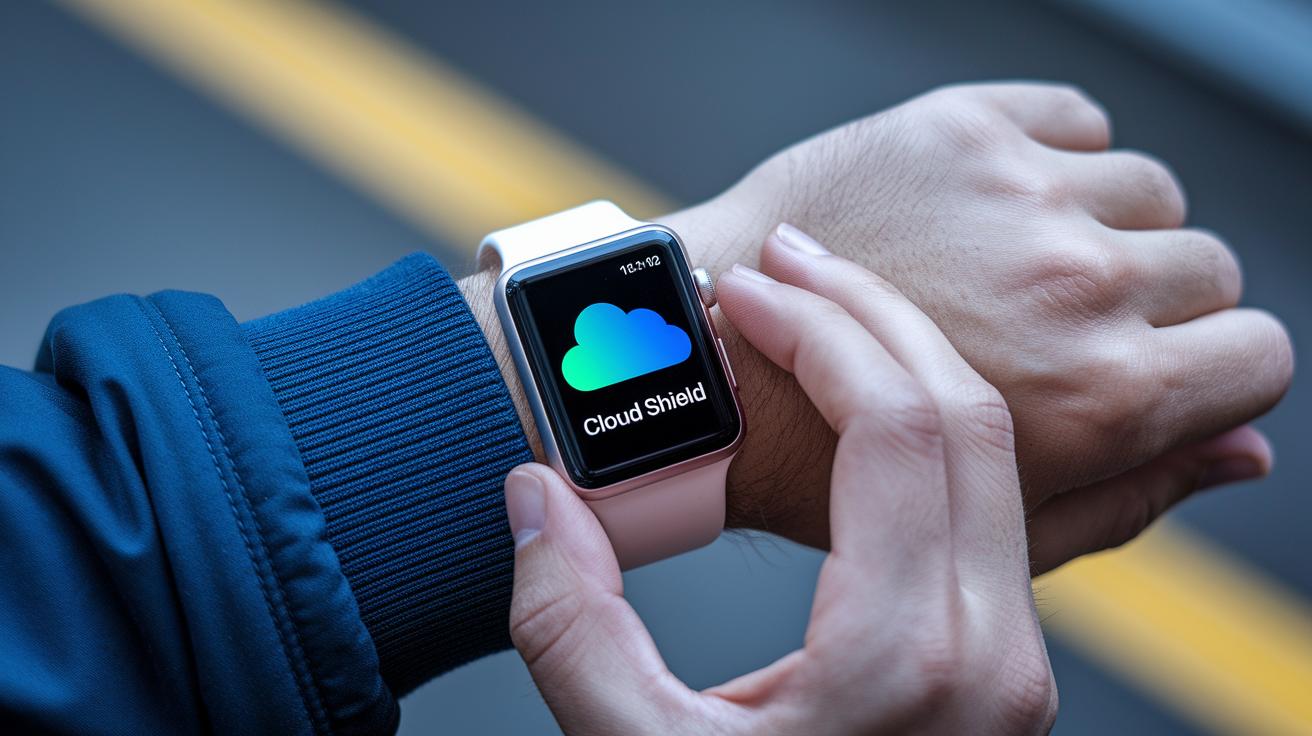
Wearable devices use everyday connections like Bluetooth, Wi-Fi, LTE, or NFC to send data right from the device to your mobile health apps and cloud systems. It’s like a quick chat between your device and your phone, ensuring you always see your latest health stats.
EHR and Cloud Integration
Your wearable tech data smoothly flows into electronic health records and cloud systems. First, readings sync with your mobile app, and then the info moves to clinical systems almost instantly. This means your doctor can check your most recent numbers during visits, helping spot issues early with data-driven insights.
Security and Compliance
Protecting your health data means sticking to strict rules. These devices follow HIPAA and FDA guidelines to safeguard your personal information. They use secure digital solutions to maintain privacy, ensuring that both your data and your health stay safe while keeping you connected to your care team.
Advanced Sensor Solutions and Analytics in Wearable Tech for Health
These days, wearable tech does a lot more than just count your steps. It now keeps a close eye on your health using smart sensors and simple data insights. Devices like pulse oximeters, continuous glucose monitors, and wearable ECG sensors collect key details about your heart rate, sleep patterns, and stress levels so you can really get a feel for your overall well-being.
And thanks to machine learning – that is, computers learning from data – these gadgets can even alert you before a problem arises. They might warn you about a potential heart issue or let you know if you’re starting to react to an allergen. In truth, receiving these personalized alerts can help you make a change before things get worse.
On top of that, mobile biofeedback systems offer friendly, real-time coaching. Imagine your device gently nudging you to take a breather or suggesting a short walk when its sensors pick up unusual readings. It’s like having a caring guide with you all day.
In the end, this approach shifts wearable tech from basic tracking to proactive care. It empowers you to take charge of your daily health by turning raw data into useful advice. Smart wearables keep you one step ahead, making everyday wellness both simple and personal.
Clinical Monitoring Tools and Emerging Medical Wearables for Health

Hospitals now use smart patches and wristbands that come with temperature probes, pulse oximeters, and ECG sensors approved by the FDA. These devices provide constant readings so doctors can keep an eye on patients without interrupting their comfort. They also include non-invasive tools that check blood pressure and oxygen levels without the need for clunky cuffs or wires.
New medical gadgets are stepping into everyday treatment, too. For example, smart inhalers help people manage breathing problems by keeping track of usage and spotting early warning signs. There are also devices that alert family members or doctors if unusual movements occur during a seizure. Plus, implantable glucose sensors give ongoing feedback for folks with diabetes, cutting down on painful finger pricks.
Researchers are even exploring wearable neuromodulation. With tiny implantable electrodes, these next-generation tools aim to ease neurological disorders by sending small electrical signals to the right parts of the brain.
Key innovations include:
- FDA-cleared smart patches and wristbands
- Non-invasive tools for tracking vital signs
- Devices like smart inhalers and seizure-alert wearables
- Implantable sensors and exciting neuromodulation advancements
These clinical tools and emerging wearables are changing the way patients are monitored in hospitals and clinics, making care smoother and more comfortable.
Future Trends and Innovation in Wearable Tech for Health
Wearable tech is moving ahead in a way that almost feels like science fiction. Soon, devices will use artificial intelligence (AI, which is a smart computer system) to study your health data and send you quick alerts when something doesn’t seem right. Imagine your tracker giving you a friendly nudge if it senses small changes that might need a closer look.
Next, these gadgets will go beyond monitoring your basic vital signs. They will learn your daily routine and offer personalized health insights. For example, if your heart rhythm changes, your device might gently remind you to take it easy or even suggest talking to a doctor.
Smart clothing is another exciting development. Picture your favorite outfit made with tiny sensors built into the fabric that check your vital signs without any extra effort. Even implantable devices, like small tools placed inside your body, are set to help with heart and brain health monitoring.
Here are some trends we expect to see soon:
- AI-driven wearables that give real-time health alerts
- Smart clothing with hidden sensors for effortless monitoring
- Implantable devices that track your health around the clock
- Enhanced IoT (Internet of Things, meaning connected devices) solutions for safe and broad patient monitoring
These innovations promise to make personal health tracking simpler, more connected, and incredibly supportive for your everyday life.
Final Words
In the action of exploring how wearable tech for health supports real-time tracking, we’ve seen a range of devices, from simple fitness trackers to advanced clinical monitors. Each segment emphasized sensors counting steps, checking heart rates, and syncing data securely. We talked about benefits for daily wellness and the exciting future where AI and smart clothing shape healthcare. This approach makes managing your health simpler and more connected with wearable tech for health.
FAQ
What are some top wearable health devices and examples?
Top wearable devices include smartwatches, fitness trackers, wearable ECG monitors, and portable blood pressure monitors. These gadgets continuously track vital signs and activity for real-time insights.
What does a wearable tech for health PDF typically include?
A wearable tech for health PDF typically offers an overview of device categories, sensor functions, benefits, and integration methods to help understand real-time health monitoring capabilities.
What does the future hold for wearable technology in healthcare?
The future of wearable technology in healthcare features advanced AI-driven sensors, smart clothing, and implantable devices. These innovations aim to provide predictive analytics and proactive health management.
What are the drawbacks of wearable technology in healthcare?
The drawbacks of wearable technology in healthcare include potential data accuracy issues, limited battery life, privacy concerns, and challenges with integrating data into existing health systems.
What were the trends for wearable tech in health in 2022?
Wearable tech in 2022 saw enhancements in sensor accuracy, better device integration, and wider adoption of smart fitness trackers and portable health monitors, making continuous tracking more common.
How does wearable technology benefit healthcare?
Wearable technology benefits healthcare by offering continuous monitoring, early alerts to health changes, improved chronic condition management, and data-driven insights that encourage timely and effective care.
What is wearable tech in healthcare?
Wearable tech in healthcare refers to devices like smartwatches and fitness trackers that monitor health metrics such as heart rate, blood pressure, and activity levels, providing users real-time feedback.
What is considered the best wearable device for health?
The best wearable device for health depends on individual needs but often includes advanced smartwatches and medical-grade monitors known for accurate real-time tracking and effective integration with health apps.
Does wearable technology actually improve health?
Wearable technology improves health by empowering users with continuous real-time data, helping manage chronic conditions, and offering timely alerts that support proactive health measures.
What are five examples of IoT devices used in healthcare?
Five examples of IoT devices in healthcare include wearable fitness trackers, smartwatches, remote patient monitors, connected ECG devices, and digital blood pressure monitors, all of which support continuous health tracking.