


Have you ever realized that bouncing back after having a baby is about more than just taking it easy? Your body and mind ask for a bit of extra TLC once your little one arrives, and it’s okay to give yourself that care.
Think about catching a few extra winks in quick, refreshing naps, savoring nourishing meals, and slowly stepping into gentle movement at a pace that feels right for you. Each tiny moment of self-kindness adds up, creating a steady journey toward feeling revitalized.
This guide is packed with simple, friendly advice to help you nurture yourself during those early days. Remember, every small gesture counts when it comes to rebuilding strength and reclaiming your well-being.
Understanding Core Wellness Tips for Postpartum Recovery
After having your baby, your body and mind need some extra care. A thoughtful self-care routine helps you recover physically, emotionally, and mentally. You might want to start with a handy guide like the "Self-care Routine for Women" to build your plan. This basic method covers 10 simple tips: making time for rest, enjoying nourishing meals, following a tailored plan for physical healing, using mindful practices to balance your feelings, accepting help from loved ones, and treating yourself kindly every day.
Some moms find the 5-5-5 rule really useful. In simple terms, spend 5 days mostly resting in bed, allow another 5 days with a bit more activity while still taking it easy, and then gradually ease into 5 days of gentle movement around your home. In those first 1 or 2 weeks, you might feel soreness and notice natural discharge as your body starts its healing work. By the third week, you could sense emotional changes as hormones adjust, so be kind to yourself during these shifts. Most moms have a postpartum checkup at around 6 weeks, which marks an important milestone on your recovery journey.
Here are some strategies to keep in mind:
- Grab as much sleep as you can, even if it comes in little bursts.
- Focus on a balanced diet that gives your body energy and helps repair tissues.
- Begin with gentle exercises like short walks and simple stretches when you’re ready.
- Use mindfulness tools, such as jotting down your thoughts or practicing slow breathing, to ease mood ups and downs.
- Reach out to friends, family, or professionals whenever you need extra support.
Every step in this roadmap is a reason to celebrate. Embracing these self-care tips not only supports your recovery but also builds your strength and renews your spirit as you transition into this new chapter.
Nutrition Guidelines for Postpartum Recovery Wellness
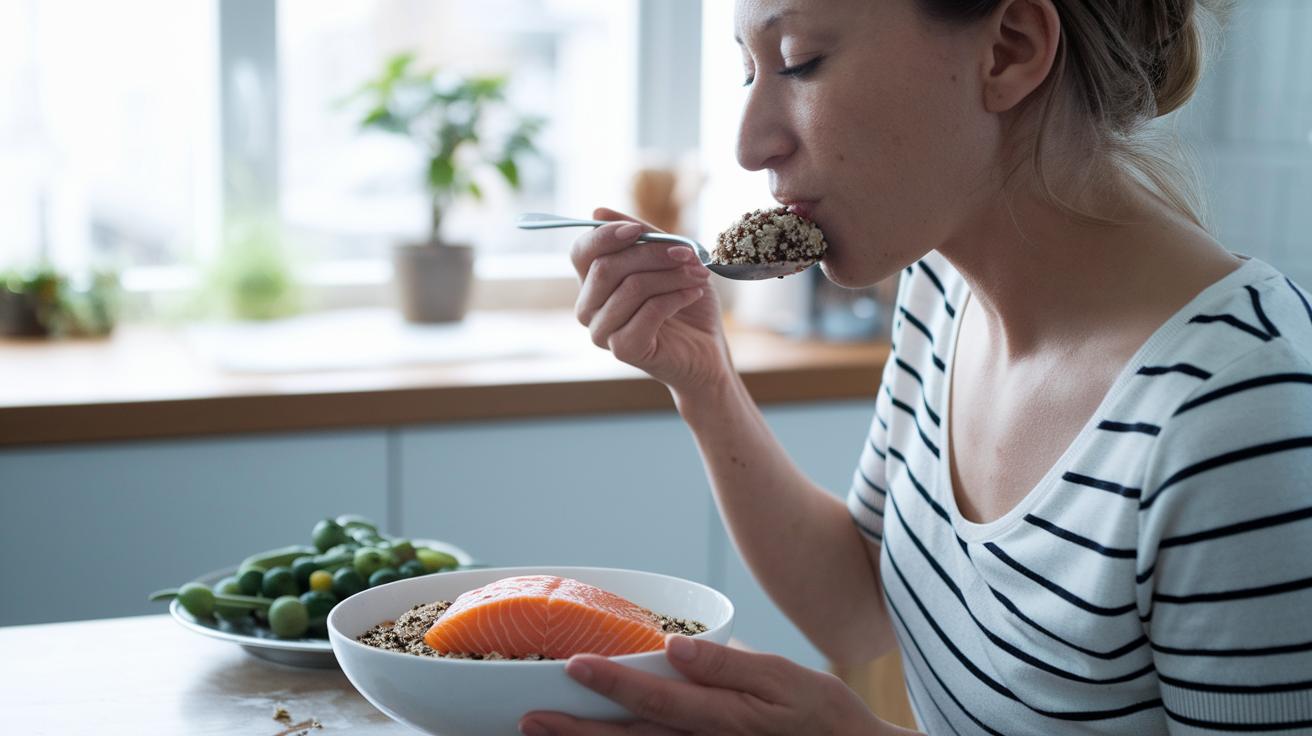
After giving birth, eating right makes a big difference. A good mix of lean protein, whole grains, and healthy fats fuels your body for healing. Think of delicious options like grilled chicken, quinoa, and avocado as power-packed helpers in your recovery.
Next, add lots of vitamins to your plate. Leafy greens, oranges, and colorful veggies give you extra calcium, iron, vitamin D, and omega-3 fatty acids, nutrients that help repair your body and boost your energy. For example, try a meal of salmon with a fresh spinach salad topped with walnuts.
Staying hydrated is also key. Drinking 8 to 10 cups of water a day helps flush out toxins and keeps you feeling renewed. You might mix in some herbal teas or flavored water to keep things interesting.
Even easy snacks can be both tasty and healing. A banana smoothie with almond milk or whole-grain toast with sliced tomatoes can help you feel supported with every bite. Remember, every meal is a little moment of self-care on your journey to recovery.
Gentle Exercise Routines in Postpartum Recovery Wellness
Take it easy at first. A simple, daily walk can get you moving without pushing your limits. A little stretch in the morning helps ease muscle tension and jump-starts your blood flow. Imagine doing soft arm circles or gentle side bends while you enjoy your coffee – it really sets a positive tone for the day.
Starting some basic pelvic floor exercises can work wonders too. Not only do these moves help build core strength, they can also ease issues like incontinence. Try doing a Kegel: squeeze, hold for a few seconds, then relax. It’s a small step that builds strength from the inside out.
If you’ve had a C-section, be extra careful. Avoid high-intensity exercises until you're fully healed, and think about chatting with a physical therapist to understand what’s safe for you. Their advice can help you find a pace that supports your unique recovery journey.
And don’t jump straight into intense workouts. Moving slowly and steadily can lift your mood and boost your circulation without overwhelming you. Embrace each small step and celebrate every little win as you regain strength over time. If you're curious about more ways to blend mindful movement into your day, check out some holistic wellness routines for both mind and body.
Mental and Emotional Wellness Tips for Postpartum Recovery
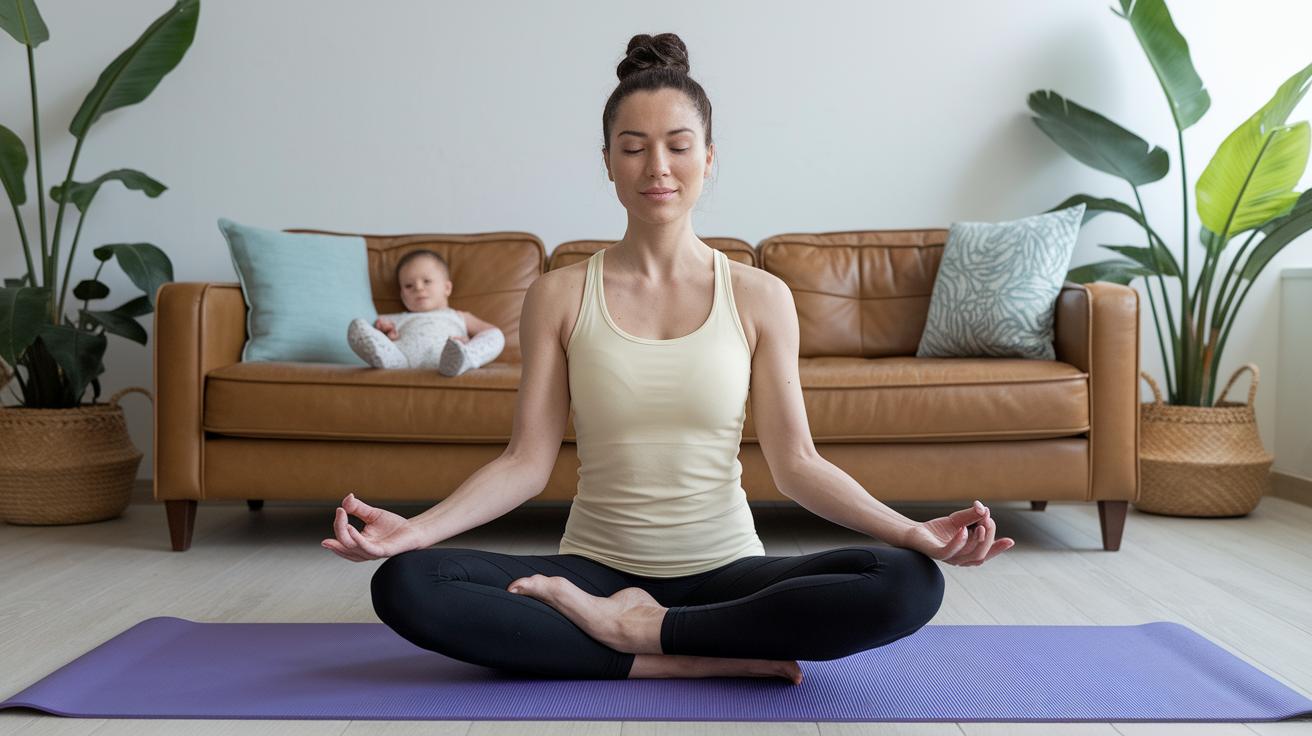
Taking care of your feelings after having a baby can start with a few simple, mindful actions. Try gentle yoga or sit quietly, jotting down your thoughts. For instance, each day write down one thing you’re grateful for. It may seem small, but it gently builds emotional strength.
Mindfulness practices can help slow racing thoughts. Take the 4-7-8 breathing method for example: breathe in slowly for 4 counts, hold your breath for 7 counts, and then exhale for 8 counts. It works like a soft reset when you need to pause and catch your breath.
Guided meditation is another friendly tool. There are short sessions out there that help clear your mind and bring calm into your day. Find a quiet spot where this practice makes you feel refreshed and positive.
Connecting with others is key, too. Peer support groups create a warm space where you can share experiences and learn from those who understand. And don’t hesitate to talk with a professional counselor if anxiety begins to feel too heavy. A good chat with a counselor can give you a clearer view of your feelings and help manage daily stresses.
Remember, it’s okay to be gentle with yourself. Taking small steps and practicing self-compassion can make a big difference as you adjust to life after childbirth.
Daily Self-Care Routines for Postpartum Recovery Wellness
After having your baby, taking a few minutes each day just for you can make a big difference. Even 10 or 15 minutes to dive into a favorite pastime like reading or doing some gentle stretching can give your day a welcome pause. It’s a simple way to refresh both your body and your mind.
Here are some quick ideas for busy moms:
- Take a short break to sip a warm cup of tea or enjoy a quiet moment with a book.
- Go for a brief walk around your home to clear your head.
- Jot down a few daily goals to keep your focus.
- Accept help from family or friends when things feel overwhelming.
Organizing your day to include small rest breaks is like hitting a reset button. A quick nap can recharge your energy, just as a chat with a friend can lift your spirits. One mom shared, "I took a 10-minute break to breathe and stretch, and it instantly made my day feel a little lighter."
Remember, caring for yourself after childbirth is all about balancing rest with the lively energy of motherhood. Each little break adds up, helping you heal emotionally and feel renewed day by day.
Building Support Networks for Postpartum Recovery Wellness

After having a baby, leaning on a caring group of family, friends, and local community groups can really make a difference. Loved ones can help with daily tasks or simply listen when emotions run high. And sometimes, chatting with other moms who truly understand your experience can feel like a breath of fresh air.
Your OB/GYN is there for you, whether in person or via video visits, to offer advice right when you need it. Plus, teams that include mental health professionals are ready to help you handle mood swings and adjust to your new routine. I remember when I first talked to a counselor, it was like a comforting hug on a tough day. Therapy and counseling can give you that safe space to unpack your feelings and ease any anxiety.
You might want to try these simple ideas:
- Join a local or online support group to swap reassuring stories.
- Ask for referrals to lactation consultants or local peer support.
- Explore resources like daily mental wellness routines for anxiety relief to get extra insights.
Building a strong support network makes self-care less lonely and more effective. Have you ever noticed how sharing even a small moment with someone can lift your spirits?
Final Words
In the action, we covered a range of self-care practices, from balanced nutrition and gentle exercise to mindful breathing and building strong support networks. Each section offered down-to-earth suggestions that make physical healing and mental balance feel totally achievable. We shared practical ideas like the 5-5-5 rule and quick “me time” routines, all designed with new mothers in mind. Embracing these wellness tips for postpartum recovery can truly brighten your path forward, making the healing process a bit lighter and a lot more hopeful.
FAQ
What are some postpartum recovery tips for new moms?
Postpartum recovery tips for new moms include rest, balanced nutrition, gentle movements, and emotional care. Establishing a routine and asking for help can make each day a bit easier.
What are things not to do after giving birth?
Things not to do after giving birth include skipping rest, overexerting yourself, or ignoring your body’s warning signs. Avoid heavy lifting and strenuous tasks while you heal.
What does postpartum care involve?
Postpartum care involves attending to physical healing, managing emotions, and gradually increasing activity safely. It means following a recovery timeline that includes rest, proper nutrition, and gentle exercise.
How long does it take for your body to go back to normal after birth?
The body typically takes about six to eight weeks to heal after birth. However, full adjustments like hormonal balance and body shape restoration may extend over several months.
What is typical in a week-by-week postpartum recovery timeline?
A week-by-week postpartum recovery timeline often shows initial physical healing in weeks one to two, emotional shifts around week three, and a follow-up checkup at six weeks as healing progresses.
What postpartum care is recommended after a C-section?
Postpartum care after a C-section focuses on gentle movements, care of incision sites, and following your doctor’s guidelines. This helps ease discomfort while supporting gradual recovery.
What postpartum care products might help with recovery?
Postpartum care products like supportive binders, nursing pillows, calming perineal wipes, and healing ointments are designed to ease discomfort and support your physical recovery after birth.
What does the 5-5-5 rule in postpartum care mean?
The 5-5-5 rule in postpartum care suggests spending five days resting in bed, five days easing back into activity, and five days gradually increasing movement to help guide early recovery.
What helps recover faster after giving birth?
Faster recovery after giving birth is helped by getting enough sleep, eating a balanced diet, gentle exercise, and practicing mindfulness. Following your care plan and self-care routines is essential for healing.
What does the 2-2-2 rule in postpartum care indicate?
The 2-2-2 rule in postpartum care typically offers guidance for gradual recovery by dividing recovery into segments of two-day periods for rest, gentle movement, and slowly reintroducing daily activities.
What are the 4 T’s of postpartum care?
The 4 T’s of postpartum care refer to taking time to rest, tending to your physical needs, tapping into support networks, and treating yourself with kindness during your recovery.