
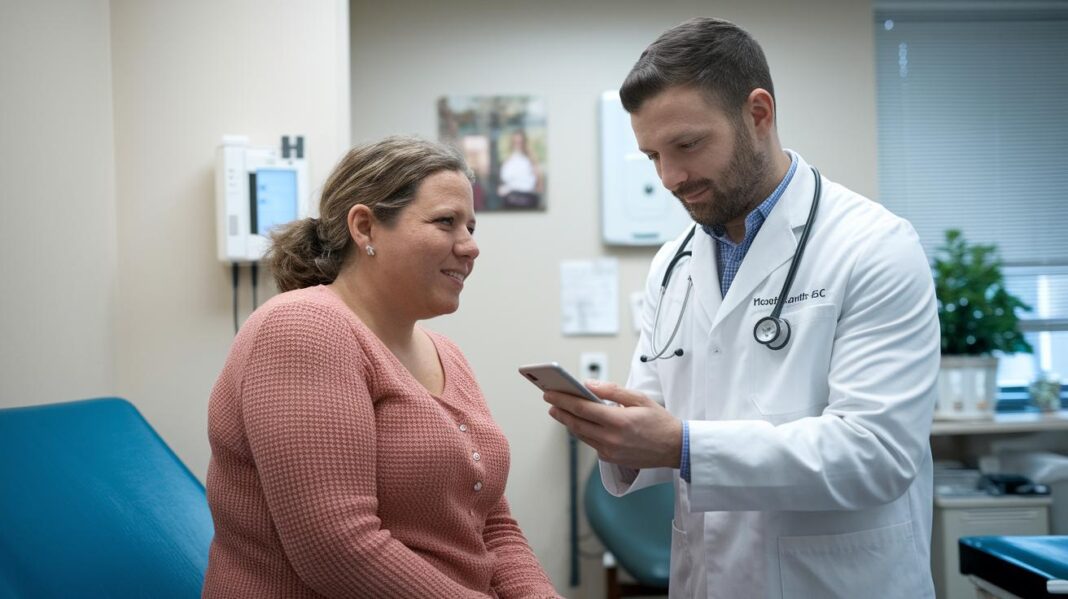

Have you ever wondered if 5G can really speed up healthcare? With almost no delay, just about 1 millisecond, and speeds up to 10 Gbps, it makes sharing health data feel almost instant.
Imagine a nurse getting patient details right away or a doctor sending a CT scan in just seconds. It’s like the technology gives a little boost to your mobile health services, making emergency care and routine checkups smoother.
Let’s take a closer look at how 5G is helping mobile health work faster and more reliably for all of us.
How 5G Elevates Mobile Health Services: Technical Metrics and Key Benefits

5G is changing mobile health care in a big way. It slashes delays so that data moves nearly instantly. Instead of waiting around for about 70 ms with 4G, 5G brings this down to just 1 ms. That speed means doctors and nurses can share important health details at the drop of a hat, perfect for monitoring patients’ vital signs or handling emergencies.
Imagine wearing a device that streams your health data continuously. With 5G, any sudden change is noticed right away, letting your care team act fast. And it’s not just for emergencies. Even routine virtual checkups become smoother because huge files like CT scans or X-rays can be sent in seconds, speeding up diagnoses and treatments.
5G also handles a lot more devices at once. While 4G supports around 10,000 gadgets per square kilometer, 5G can manage up to one million! This boost is a game changer for hospitals that use lots of sensors and monitors. From ensuring clear communication in ambulances to enabling high-quality video calls during telehealth sessions, 5G covers all bases for modern mobile health.
| Metric | 4G | 5G |
|---|---|---|
| Latency | ≈ 70 ms | ≈ 1 ms |
| Peak Speed | 100 Mbps | 10 Gbps |
| Device Density | 10k devices/km² | 1M devices/km² |
- Ultra-low delay for critical care
- Fast transfer of large medical images
- Room for many devices like wearables
- Steady network in ambulances and emergency units
- Clear video for remote health visits
- Real-time data that powers smart analysis
Real-Time 5G-Enabled Mobile Health Use Cases

Telemedicine and Virtual Consultations
5G makes video calls look and feel almost like you and your doctor are in the same room. With barely any delay and sharp, clear video, these remote sessions seldom drop or lose quality, even when they run long. Imagine chatting with your doctor over video and catching every little sign or detail. This near-instant connection lets doctors perform thorough exams without needing to be there in person and works well for regular check-ups, quick assessments, and even mental health chats.
Wireless Patient Monitoring Systems
Today, wearable or implanted sensors continuously share your vital signs so your care team can notice any changes right away. Your data is sent securely and without interruption, so gentle alerts can warn you early if something seems off. Think of someone with a long-term condition whose heart rate, blood pressure, and other readings are tracked all the time. If you want to learn more about connected health devices, you can visit https://ourmobilehealth.com?p=225. This constant flow of information helps your doctors act quickly and keeps you safe at home, which may even mean fewer trips to the hospital.
Connected Emergency Response
Picture an ambulance that uses smart technology powered by 5G to send real-time patient vitals and HD video back to the hospital. As the ambulance speeds to an emergency, doctors start assessing the patient using the live data. This fast and steady connection allows them to plan treatment before the patient even arrives. It streamlines the diagnosis process and can cut precious minutes off emergency care, making a big difference when every second counts.
Case Studies on the Impact of 5G in Mobile Health Services
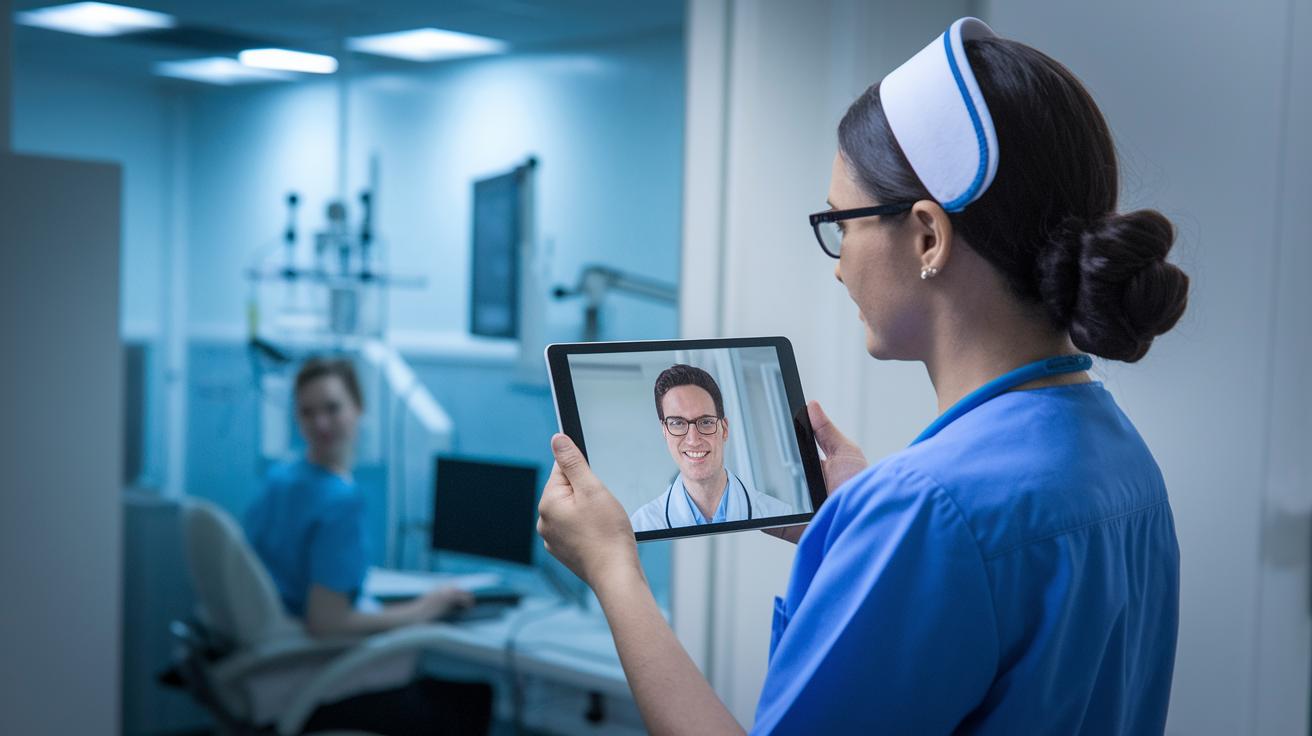
These case studies show how communities are using 5G to boost health care. They share real-life examples of new ways to let medical teams care for patients from afar. Thanks to speedy streaming and smart devices that track health (that means gadgets connected through the Internet of Things), hospitals, clinics, and emergency teams are seeing real benefits.
Local projects tell a clear story: 5G helps spread care more evenly. It not only clears up communication but also leads to noticeable gains in patient care, smoother work in clinics, and better training for medical staff. In truth, these changes are making a big difference in everyday health services.
In City A, ambulances equipped with 5G stream live vital signs directly to the emergency room. This setup drops the handoff time by about 25%, so doctors and nurses are ready for care even faster.
At Rural Clinic B, new telehealth kiosks powered by 5G are reaching more people than ever. With this setup, patient access has grown by 40%, making remote health consultations easier and more accessible.
Hospital C is also on board with 5G by using it for augmented reality training for future surgeons. Running this training on 5G cuts setup delays by 60%, helping surgeon trainees learn quickly and effectively.
Security and Compliance Challenges in 5G Mobile Health Deployments

Sending large amounts of medical data over 5G can sometimes let unwanted eyes peek in. Encryption, like using AES-256, works like a secret code that only trusted devices can read. Imagine a doctor doing a remote video call where your records are securely streamed, it’s like protecting your diary with a tough padlock. Network slicing keeps the health data in its own lane, making sure it stays separate and safer from online threats.
Network-level safeguards are key in keeping these 5G health networks safe. They make sure that streams of sensitive data don’t mix with everyday information. This setup means that even if one part of the system falters, your important health details remain protected. It lets health providers focus on care without constantly worrying about digital security, even when many devices are chatting away at once.
Rules like HIPAA and GDPR require that patient records are locked down both while stored and when traveling over the network. Health platforms must stick to these rules to truly safeguard your personal information. Picture a hospital’s secure mobile system that handles live patient data: strict standards mean every bit of data gets the same careful guarding as a family treasure. Balancing the fast, connected world of 5G with strong data protection is still a major challenge for mobile health services.
Future Trends Shaping the Role of 5G in Mobile Health Services

Imagine your health data streaming through 5G like a gentle river, while smart computers look for signs of trouble even before you notice anything wrong. AI-powered analysis takes in these non-stop feeds to give care teams a friendly heads-up about potential issues.
Picture a doctor using a smart tool to get instant advice while checking you out, almost like having an extra set of eyes that never miss a beat. Cloud and edge computing work together to bring real-time support right to where you are, making every consultation more informed.
And then there's remote surgery, studies on 5G remote robotic procedures show response times of less than a millisecond. This super-fast reaction hints at a future where surgeons might operate on patients from miles away, performing intricate procedures with incredible precision.
In short, mixing predictive diagnostics with on-the-spot tools marks the start of a digital health revolution. Soon, getting quick and effective care might feel as natural as a chat with a friend about your well-being.
Final Words
In the action, we covered how 5G makes mobile health services smarter and quicker. We talked about low latency, high speeds, and the ability to support many devices. We also looked at how telemedicine, patient monitoring, and emergency response benefit, along with real-world examples and strong data security.
These advances, thanks to the impact of 5G on mobile health services, keep us optimistic about a healthier and more connected future.
FAQ
How does research show the impact of 5G on mobile health services?
The impact of 5G on mobile health services is evident through reduced latency and high-speed data transfer. Recent research and PDFs reveal improved telehealth, faster diagnostics, and enhanced wearable monitoring for better patient care.
What are some 5G healthcare use cases?
The 5G healthcare use cases include ultra-fast telemedicine consultations with HD video, continuous streaming from wearables, and smart ambulances transmitting live vitals. These applications elevate real-time monitoring and emergency readiness.
What is the effect of the 5G network on the environment?
The effect of 5G on the environment reveals potential energy efficiency gains and reduced emissions from optimized networks. Nevertheless, the expansion of infrastructure calls for mindful resource management to minimize ecological impacts.
What are the effects of 5G on brain function?
The effects of 5G on brain function are still under review. Current studies suggest that low-power radio signals do not pose significant harm, although ongoing research is monitoring any long-term impacts.
What are the effects of 5G on birds and bees?
The effects of 5G on birds and bees are being investigated. Early observations indicate no clear harm, yet experts recommend continued research and monitoring to ensure wildlife safety as networks expand.
How does 5G in education enhance learning?
The impact of 5G in education means faster access to digital content, smoother virtual lessons, and augmented interactive learning. This enhanced connectivity supports an engaging and responsive classroom environment for students and teachers alike.