


Have you ever stopped to wonder if your telemedicine tool really meets your needs? With so many options out there, choosing one might feel like piecing together a puzzle.
Some platforms offer crystal-clear video calls and super simple scheduling reminders. Others put a big focus on keeping your data safe and making sure pricing fits your budget. Next, we take a closer look at well-known names like Teladoc Health and Doxy.me. You’ll see how each one can make everyday care feel smooth and secure.
By the end, you'll have a clearer idea of which system fits your routine best and helps you deliver care with ease.
Comparative Overview of Virtual Consultation Platforms for Telemedicine
Picking a virtual consultation platform is really about checking off a list of must-haves, like scheduling, crisp video quality during sessions, solid data security, and clear pricing plans. Providers want something that feels secure yet simple. It should grow with your needs and fit right into your existing systems. Take Teladoc Health's around-the-clock network or Doxy.me, which works right from your browser for simplicity. One easy way to see these features in action is by looking at how video consultations work in telemedicine.
Latest trends show you can't ignore both tech details and business points. Experts expect the telemedicine market to grow from $141 billion in 2024 to nearly $380 billion by 2030. That's about 17 to 18% growth each year! That means providers need to pick systems that pack powerful features while keeping costs in check. Even in the U.S., use has gone from 37% in 2021 to 30.1% in 2022. This makes stakeholders look for pricing that adapts to their setup and practice size.
| Platform | Year Launched | Free Tier | Key Features | Target Audience | Pricing Tier |
|---|---|---|---|---|---|
| Doxy.me | 2013 | Yes | Browser-based, no download | Independent practitioners | Free & Subscription |
| Teladoc Health | 2002 | No | 24/7 global network, one-off appointments | Large organizations | Subscription |
| Amwell | 2010 | No | Enterprise HD video, EHR integration | Hospitals & large practices | Custom Enterprise |
| Mend | , | No | Predictive analytics, reduces no-shows | Medium clinics | Starting at $79/month |
| VSee | , | No | Customizable kits, complex workflows support | Large healthcare orgs | Tiered pricing |
| Updox | , | No | Secure messaging, video, document sharing | Integrated communication needs | Custom pricing |
How people use these tools really depends on each platform's features and cost plan. Even if U.S. use dipped a bit from 37% to 30.1%, global interest remains strong. Providers are still balancing cost, security, and the ability to scale as they grow. With forecasts pushing the market nearly to $380 billion by 2030, it looks like the next few years in digital care will be a dynamic ride.
Feature Breakdown in Virtual Consultation Platforms for Telemedicine

Virtual consultation platforms make digital care feel simple and connected. They let you schedule appointments that sync with everyday calendars like Google and Outlook. Plus, you can have clear HD video calls, share screens, and chat securely. All this keeps conversations between doctors and patients smooth and easy.
These systems also include handy tools like e-prescribing and medication management. Reminder alerts and calendar syncing make keeping track of appointments a breeze, while AI triage bots help sort out patient issues quickly. This means that visits run smoother and feel more personal.
On top of that, these platforms offer strong analytics and mobile support. A handy analytics dashboard shows key details about each session so providers know what’s working best. And with native mobile apps on iOS and Android, staying connected is easy no matter where you are.
It’s important to pick the feature set that fits your practice. Smaller or specialty practices might just need basic scheduling and secure messaging, while larger groups could really benefit from in-depth analytics, advanced AI triage, and full mobile capabilities.
Security and Compliance Assessment in Virtual Consultation Platforms for Telemedicine
These virtual consultation tools start with top-notch security. They use strong encryptions like AES-256 for stored data and TLS 1.2 or newer to keep your information safe as it moves around. It’s like having a sturdy lock on your diary and an extra bar on the door. Multi-factor authentication and role-based permissions ensure that only the right people can see sensitive information. Sometimes, you might even get a reminder for a second code, like a quick text message check during login.
Next, these platforms really pay attention to rules and regulations. They stick to important guidelines like HIPAA to make sure your health details are handled safely, plus they include measures for SOC 2 and GDPR compliance. Whether your data stays in the U.S. or travels to global centers, you get extra flexibility based on your needs. This careful respect for the rules builds trust that your personal health information is safe and sound.
Finally, keeping track of everything is key. Detailed audit trails record every action so that any unusual activity can be spotted quickly. Business Associate Agreements (BAA) with vendors further ensure that all parties maintain high security standards. Some platforms even offer extra certifications and privacy guarantees, while others cover just the basics. This variety lets healthcare organizations pick the solution that fits them best, making sure patient privacy is always the top priority.
Pricing and Cost Comparison of Virtual Consultation Platforms for Telemedicine
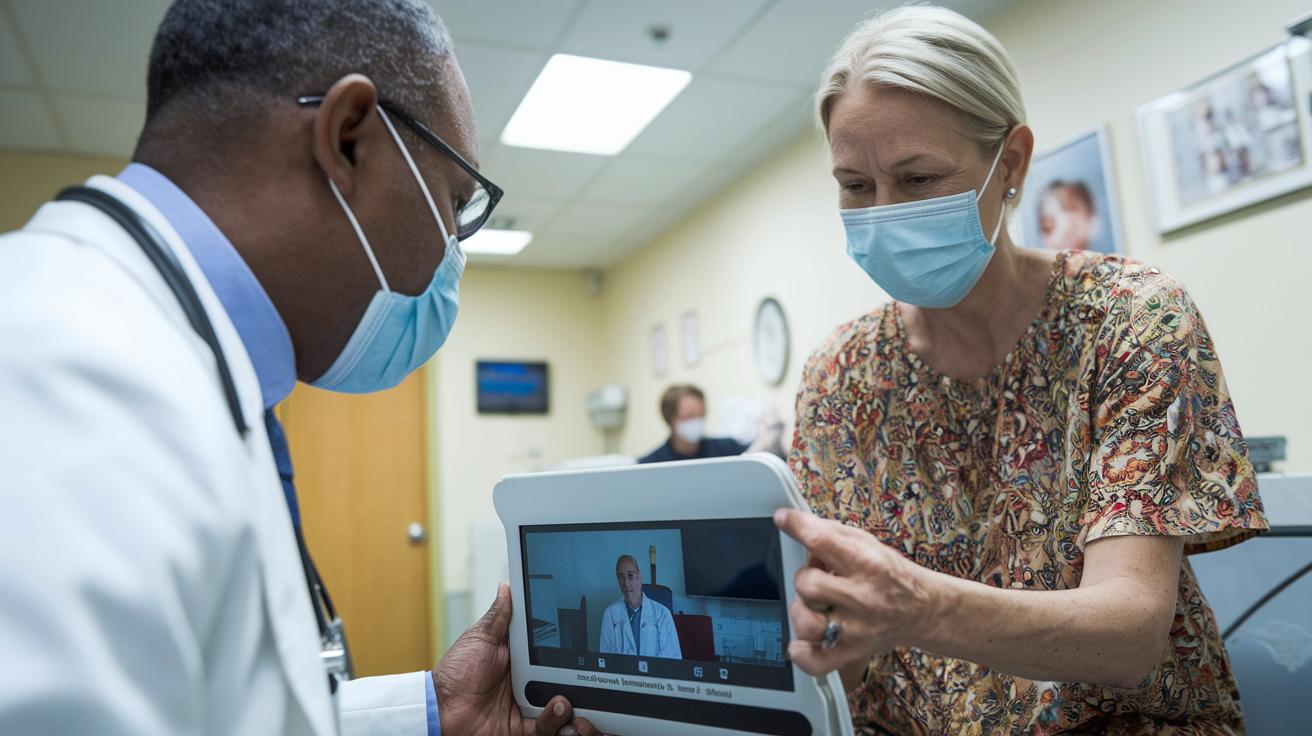
There are plenty of platforms out there to help with virtual consultations, whether you’re just starting out or running a large healthcare system. Many offer a basic free version that lets independent practitioners dip their toes in the water, while others charge per user or per appointment. And for big organizations like hospitals, custom enterprise solutions are available to suit unique needs. This variety means you can pick a cost structure that fits both your size and your budget.
| Platform | Free Tier | Monthly Fee | Pay-per-Visit | Enterprise Pricing |
|---|---|---|---|---|
| Doxy.me | Yes ($0) | $35/user (Professional); $50 (Clinic) | N/A | Subscription Options |
| Teladoc Health | No | $75/provider | Per-visit fee | Subscription Options |
| Amwell | No | , | , | Custom Enterprise Quotes |
| Mend | No | Starting at $79/month | N/A | , |
| VSee | No | $399/month | N/A | Telemedicine Kit at $199 one-time |
| Updox | No | , | , | Custom Pricing |
And remember, when you’re looking at costs over one or two years, think beyond just the monthly fees. There could be extra charges for setup and training to help your team get comfortable with a new system. Keeping an eye on these details can lead to more budget-friendly choices and ensure a smooth transition for your practice.
Usability and User Experience Evaluation for Virtual Consultation Platforms for Telemedicine
User experience on virtual consultation platforms is judged by simple, yet meaningful factors. Evaluators look at how easy the site is to use, how clear the interface appears, and how quickly help comes when issues crop up. They check ratings, support speed, and overall patient happiness to make sure both newcomers and regular users feel at ease.
Take a look at some examples. Amwell got high marks for patient satisfaction, even earning top honors from J.D. Power in 2020. Doxy.me scored a 4.7 out of 5 for ease of use, giving users a clean and smooth experience. Mend uses handy reminders that bumped up appointment attendance by 15%. VSee also impressed with a strong 4.6 out of 5 rating. And Updox stands out by offering support in about two hours, which shows a real commitment to quick fixes and a smooth journey.
Good usability helps keep patients engaged and coming back. When a platform feels simple and efficient, it builds trust and makes setting up virtual consultations feel easy. A clear design paired with prompt support not only makes the digital experience enjoyable but also encourages regular visits. In truth, this leads to better care and a more reliable experience for both providers and patients.
Integration and Scalability Analysis of Virtual Consultation Platforms for Telemedicine

Virtual consultation platforms differ in how they hook up with existing clinical systems. Many team up with trusted digital record systems like Epic and Cerner to keep all patient info in one neat spot. For example, Teladoc and Amwell work well with Epic, and Teladoc even links with Allscripts. API support, the tech tools that let different systems chat, is also a big deal. Some, like Teladoc, use FHIR-based APIs (a modern way to share data), while others, such as Mend, use REST. These features help clinicians grab patient details quickly and keep their workflow smooth.
Another key part is connecting with devices for remote monitoring. Platforms like VSee extend their capabilities by linking with wearables and IoT sensors, letting health data update automatically during a consultation. This real-time flow gives doctors a clearer picture of a patient’s condition right then and there. It’s a smart way to boost monitoring and create a better overall digital care experience.
Scalability is all about how many sessions can run at once and how flexible the hosting setup is. Many platforms support anywhere from 50 to 1,000 sessions simultaneously by using cloud services like AWS or Azure. This makes them a great match for both small practices and large healthcare organizations. Plus, these systems handle large amounts of data without slowing down, proving they’re built to manage big workloads.
Real-World Case Study Comparison of Virtual Consultation Platforms for Telemedicine
Choosing the right platform boils down to how it works in the real world. We looked at different case studies to show clear results like better appointment attendance, smooth connections with electronic health records, and happier patients who stick around longer.
Independent Clinic Case Study
At a small family clinic, they switched to Doxy.me for virtual visits. They used a simple browser-based system and saw a 30% drop in no-shows in just six months. The platform’s easy-to-use features really helped reduce missed appointments and made the daily flow smoother.
Hospital Network Case Study
A big hospital network decided to integrate Amwell with its Epic system. By doing this, they linked high-quality video calls with a complete medical record system. This smart combo led to a 40% jump in telehealth visits over one year. It goes to show that strong system integration and scalable technology can really boost virtual consultations.
Specialty Practice Case Study
A nutrition practice turned to Healthie to improve patient engagement and streamline virtual appointments. Tailored specifically for wellness providers, Healthie helped the practice achieve a 25% increase in client retention. Customized features made it easier to keep patients coming back, proving that when tech meets specific patient needs, the results are clear.
Each of these stories offers real insights. Smaller clinics cut down on no-shows, large hospital networks record dramatic increases in telehealth use, and specialty practices keep patients loyal with personalized care. Aligning a platform’s features with your unique needs is key to success.
Recommendations and Best Practices for Virtual Consultation Platforms in Telemedicine
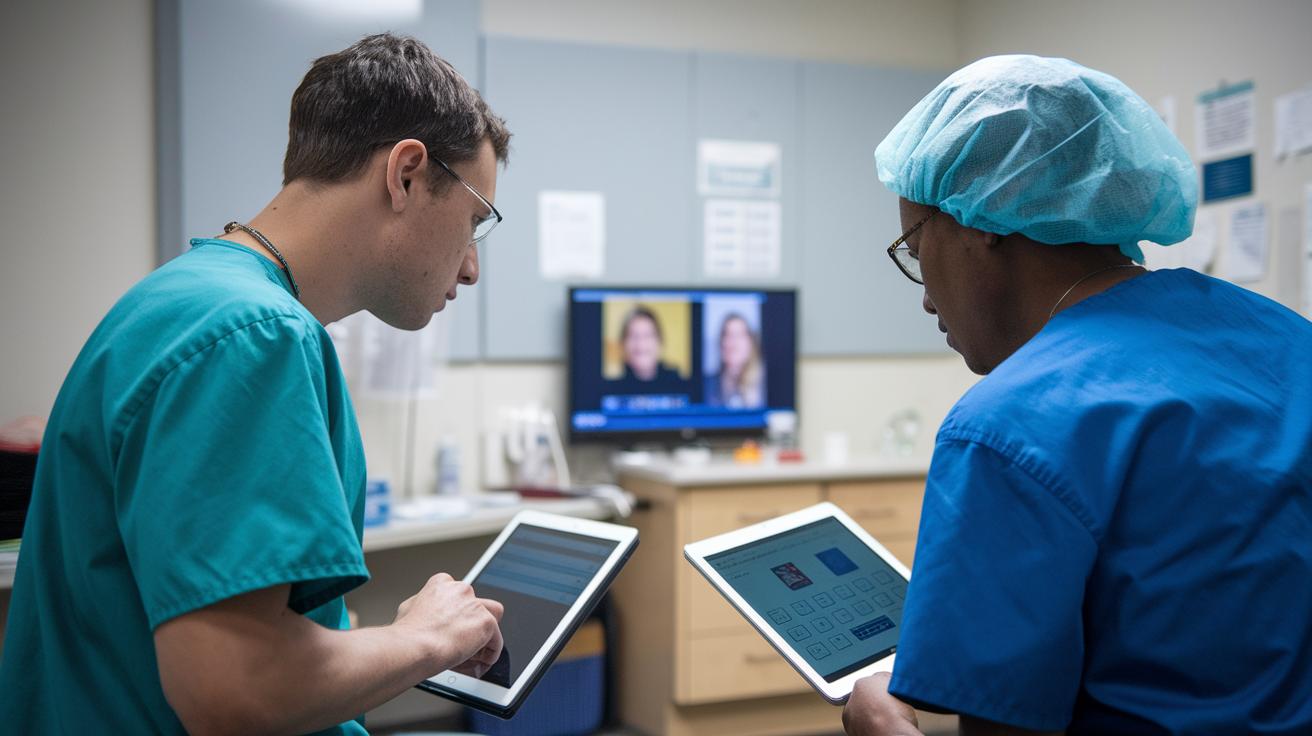
When you pick a virtual consultation platform, keep it simple and safe. Choose a system that's easy for everyone to use and can grow with your needs. It should work well on both phones and computers and protect data using strong encryption. Also, make sure the vendor is properly certified and will sign a Business Associate Agreement so you meet health rules.
One smart approach is to test the platform with a small group of 3 to 5 providers over about 8 weeks. During this time, run a brief training session for 2 to 4 weeks so your team feels comfortable with the new features. At the same time, plan to review pricing once a year to stay cost-efficient. This trial helps you see how the platform handles real patient interactions, secure video calls, and scheduling needs while keeping up with regulations.
For long-term success, keep an eye on key numbers like how many users adopt the system, how reliable it is, and how satisfied patients feel. Regularly checking these details along with the vendor's response times helps fix problems quickly. This way, your digital care setup stays smooth and dependable.
Final Words
In the action, we covered selection criteria, feature details, security safeguards, and pricing structures, offering a high-level snapshot of top virtual consultation platforms for telemedicine. The discussion also highlighted usability, integration, and case study outcomes that underline each platform’s strengths.
Ultimately, our exploration of virtual consultation platforms comparison for telemedicine leaves us feeling optimistic about using smart, mobile-first solutions to manage health effortlessly.
FAQ
What is the best telemedicine option for patients without insurance?
The best telemedicine option for patients without insurance focuses on free or low-cost care while offering ease of access, as seen with browser-based services like Doxy.me that let you consult without downloads.
What telehealth platform excels in handling prescriptions?
The telehealth platform that excels in handling prescriptions efficiently provides secure e-prescribing, digital record management, and swift access to medications—features found on platforms like Amwell that make getting prescriptions convenient.
What are the leading telemedicine companies for working and comprehensive service?
The leading telemedicine companies combine secure technology, user-friendly interfaces, and competitive work cultures. Companies like Teladoc Health, Amwell, and others are recognized for their wide-reaching networks and quality digital care services.
How do Dr on Demand, Teladoc, and Amwell compare in virtual care services?
A comparison shows that Dr on Demand offers accessible video visits, Teladoc features a large, global network, and Amwell stands out with high-definition video and integrated care solutions, giving each a unique edge.
What is considered the best telemedicine platform, and which competitor challenges Teladoc?
The best telemedicine platform depends on individual needs like ease of use, quality care, and security. Teladoc’s competition comes from platforms like Amwell and ZocDoc, which cater to varying patient preferences and service models.