


Have you ever wondered if keeping things private really makes you safe or if holding back too much leaves you feeling isolated? Sometimes, hiding details can do more than just protect your secrets, it can chip away at the trust you have in others and even affect your well-being.
Privacy means you get to choose what you share and what stays to yourself so you feel secure. By setting clear boundaries, you help build trust with those around you. On the flip side, holding onto too many hidden truths might lead to confusion and misunderstanding.
Think about it next time you decide whether to share or withhold information. It might just change the way you feel about your relationships and yourself.
secrecy vs privacy: A Clear Distinction
Privacy is about choosing to keep some personal details away from others. It lets you decide what to share and what to keep to yourself. Think of it like picking which friends get a peek into your private world. For instance, someone might keep their medical records private to feel more in control and safe.
Secrecy, on the other hand, is hiding things in a way that feels mysterious or even a bit shady. It’s like those spy tales where secrets add a bit of thrill or danger. But often, keeping secrets can weigh you down. As Carl Jung once warned, secrets can act like a slow poison, making you feel alone and blocking personal healing.
In simple terms, privacy is all about setting healthy boundaries and building trust, while secrecy can turn into a way to shut people out. So, use privacy to protect your personal space, but be aware of secrecy, which can sometimes lead to isolation or mistrust.
Secrecy vs Privacy Comparison Table: Side-by-Side Analysis

Below is a simple table that compares secrecy and privacy in five key areas. It shows how each idea manages your personal information, what drives its behavior, how people see it, how laws treat it, and the feelings that come with it. For instance, secrecy might hide details because of secret reasons, which can leave you feeling uneasy. Privacy, on the other hand, is about choosing what to share so that you feel safe and understood.
| Aspect | Secrecy | Privacy |
|---|---|---|
| Definition | Keeping information hidden for secret reasons. | Having control over your personal data by making clear choices. |
| Motivation | Driven by the pull of exclusive knowledge and hidden intent. | Guided by the need to keep your own space without judgment. |
| Social Perception | Often seen as secretive and a bit suspicious. | Considered a healthy way to set boundaries and build trust. |
| Legal Status | Strictly protected only in special cases like trade secrets. | Widely recognized and backed by privacy rights. |
| Emotional Impact | May stir up feelings like guilt or fear. | Brings comfort, security, and reassurance. |
Looking at these differences, it's clear that while both secrecy and privacy limit who can see your information, they affect your well-being in very different ways. Laws usually support privacy, letting you set your own limits without fear of harsh judgment. Meanwhile, secrecy can sometimes leave you feeling alone and disconnected. In truth, embracing privacy is a much healthier way to build supportive and secure relationships.
Historical Evolution of Secrecy and Privacy Norms
Back in ancient days, keeping secrets meant hiding important details. It was all about spies and tightly guarded guild practices. Imagine a small group sharing a secret code known only to a few trusted insiders. Meanwhile, the idea of personal privacy started in the 17th century, when people began saying, "My space is mine."
Then in 1765, William Blackstone shared a breakthrough thought by calling the home a private safe haven. This idea changed how folks saw their personal space, almost like choosing which moments to keep just for themselves. Later on, in the 20th century, laws like the U.S. Fourth Amendment put privacy rights front and center in our legal system.
Now, in the digital world, these age-old ideas are being tested again. With online chats and data sharing changing what privacy really means, we need new rules that protect our space while dealing with secret information. In truth, this journey shows how our values have shifted over time and shaped how we understand secrecy and privacy today.
Legal Frameworks: Privacy Rights vs Secrecy Regulations

Legal rules like these make it clear how we take care of privacy and secrecy. Privacy gets strong support from laws like the General Data Protection Regulation (GDPR) and the Health Insurance Portability and Accountability Act (HIPAA). These rules tell us exactly how to handle personal information. In the U.S., the right to privacy comes from the Constitution and other laws, so you have legal ways to fight back if your data is misused. When someone breaks these rules, they usually face penalties that help keep both online and offline trust intact.
Secrecy works a bit differently. It is mostly protected by trade secret laws and agreements made to keep important business information under wraps. If someone leaks a secret, the law usually offers a way to fix the problem through a civil suit or even criminal charges in certain cases. This means that while a privacy breach can affect many people, a breach of secrecy typically impacts fewer, often more corporate, details.
Below are some key legal tools that help set these rules:
| Legal Tool | Description |
|---|---|
| General Data Protection Regulation (GDPR) | Helps protect personal data in Europe |
| Health Insurance Portability and Accountability Act (HIPAA) | Sets clear rules for protecting health information in the U.S. |
| Uniform Trade Secrets Act (UTSA) | Guards against misuse of secret business information |
| Standard Non-Disclosure Agreements (NDAs) | Keep sensitive details private through agreed terms |
These rules work together to set ethical standards for sharing and protecting our personal and business information. When everyone follows these guidelines, it builds trust and makes us feel more secure in our everyday lives.
Case Studies in Relationships and Business: Applying Secrecy and Privacy
Corporate Trade Secrets
Businesses need to keep some details hidden so they can protect their new ideas. Many companies ask employees to sign agreements that stop them from spilling any secret information. For example, a tech startup might require every team member to promise that the details of their new app remain a secret. At the same time, these companies make public promises to safeguard customer data through clear privacy policies. Think of it like having a locked room for secret ideas while keeping an open door for building trust with the public. This careful balance stops sensitive information from hurting a firm’s competitive edge while making sure customers feel safe. Ever notice how secrecy built only for personal gain can slowly poison trust? When companies share what they can in a clear way, they build a stronger connection with their clients.
Marital Phone Privacy
Everyday moments can show the fine line between keeping things private and sneaking a peek. Imagine being in an elevator and one partner quickly glancing at the other’s phone before it’s hidden. It might sound like a small, curious act, but it can cross a personal boundary. In a good relationship, privacy is about respecting each other’s personal space and information. Secretly checking a partner’s phone might feel a little exciting at first but can soon break trust. It’s like a tiny breach that makes honest communication hard to keep. So, why not agree on clear rules together, like always asking before reading messages? This simple step can help turn a potential conflict into a chance to understand and respect each other even more.
Digital Era Dilemmas: Navigating Online Secrecy and Privacy
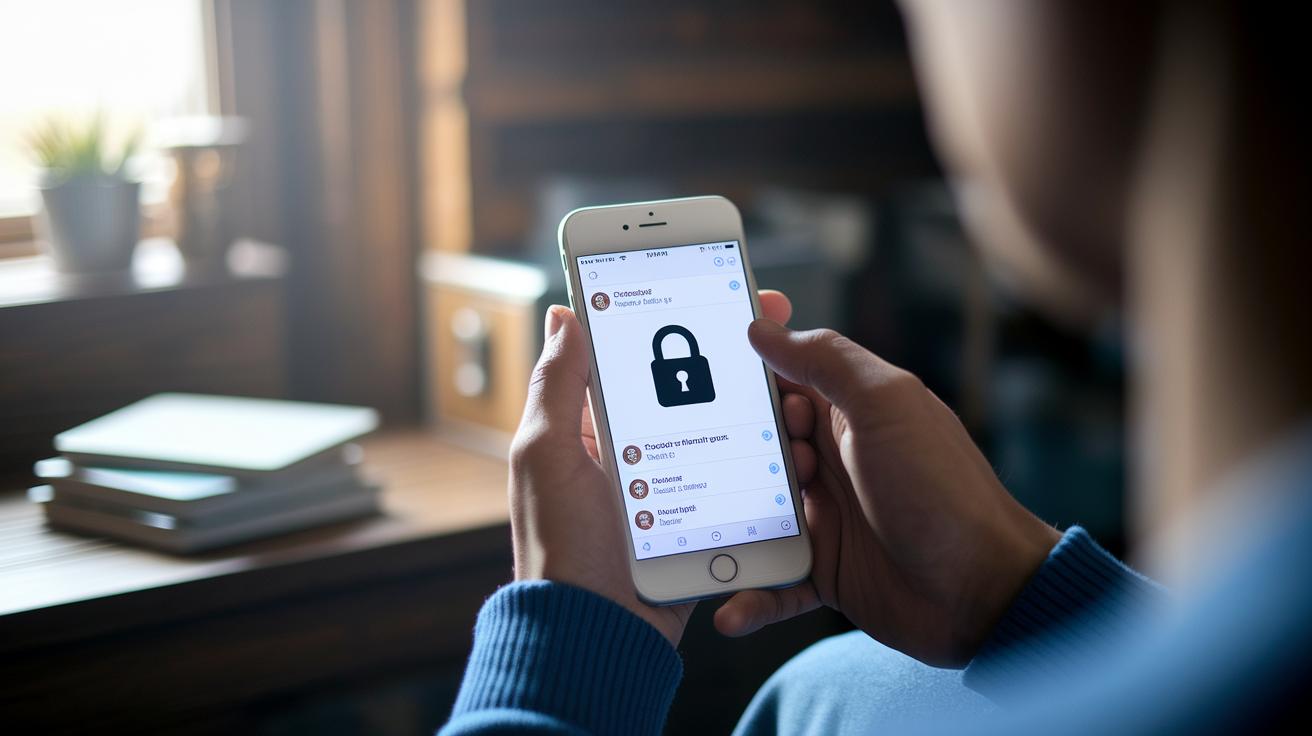
Technology connects us in amazing ways, yet it also brings tricky challenges. Sometimes, what we share online can accidentally reveal more than we intended. You might post a joyful moment only to realize later that it gave away hints about your private life.
When we talk about privacy, think of it like having a set of controls on your phone that lets you decide who sees your posts. Encryption is just a fancy way of saying your data is locked up tight. Meanwhile, secrecy can hide in private chats or secret messaging apps. Honestly, it can be a little thrilling until you find out a message didn’t vanish as promised.
Digital secrets can hurt relationships and even your reputation. This mix of excitement and risk makes it confusing to know whether you’re really keeping your space safe or just playing with hidden details. Today, issues like sneaky data brokers, weird app permissions, and digital loopholes are part of our everyday online world. It’s a delicate balance of setting clear guidelines and understanding what’s happening behind the screen.
Cultivating Transparency: Best Practices for Managing Secrecy vs Privacy
When you set clear rules for sharing personal details, you create a safe space where trust can grow. It’s like choosing who can take a little peek at your diary while keeping the rest private. Imagine sitting down with someone to decide what stories to share and what to keep just for yourself. This kind of honest conversation builds comfort and understanding.
I once read that holding onto harmful secrets can really weigh you down. Opening up about what hurts can help you start to heal. Still, keeping some things private is important too. It gives you room to process your feelings without feeling overexposed. Regular chats about how much to share, whether big life stuff or everyday moments, can make a real difference.
Think of clear rules for sharing info, whether face-to-face or online, as the traffic signs that help everyone navigate safely. Simple agreements like these foster genuine respect and honesty in any relationship.
Final Words
In the action, we broke down the concepts behind secrecy vs privacy, highlighting how privacy uses clear boundaries and secrecy can sometimes lead to hidden tensions.
We explored everything from the definitions to legal protections and everyday examples in relationships and business.
Our discussion showed that digital challenges require honesty with our personal data.
Understanding secrecy vs privacy helps promote a more trusting and secure environment.
Keep striving for transparency and balance, the path to well-being is just a tap away.
FAQ
How do secrecy and privacy differ on Reddit?
The discussion on Reddit shows that secrecy often means hiding motives, whereas privacy simply means keeping personal facts to oneself without negative intentions.
What do quotes about secrecy versus privacy say?
Many quotes suggest that secrecy carries emotional weight and potential harm, while privacy is seen as a protective choice that maintains personal boundaries and trust.
How do secrecy and privacy differ in relationships?
In relationships, secrecy involves hiding things to avoid judgment, while privacy means holding personal space and boundaries that both partners respect for healthy communication.
How are secrecy and privacy viewed in psychology?
Psychology sees secrecy as potentially damaging, sometimes described as “psychic poison,” whereas privacy is considered a natural need to protect one’s inner thoughts and feelings.
How do secrecy and privacy play out in marriage, such as with cell phone use?
In marriage, privacy is about agreeing to personal boundaries like cell phone space, while secrecy—such as concealing phone use—can erode trust and lead to conflict.
What does “secret but not private” mean?
The phrase “secret but not private” means that some information is hidden intentionally yet isn’t kept out of respect for personal boundaries—it might be shared with a select few based on choice.
Is he private or secretive?
Being private means he values personal space and careful sharing, while being secretive implies he hides information with hidden motives, impacting how others view his openness.
What is a private but not secret relationship?
A private but not secret relationship is one where partners agree to share details selectively without hiding important information, fostering trust and respect in how they communicate.
What is an example of secrecy?
One example of secrecy is when someone deliberately hides information—like a hidden agenda or undisclosed actions—from others, leading to misunderstandings and hurt feelings.