


Do you ever find your mind keeps racing even after a long day? After working hard, your body feels tired and stressed. This guide is here to help you switch off those busy thoughts and relax before bed.
Think of it as a gentle step-by-step plan to unwind. You can try simple things like mindful meditation (focusing on the now), a few calming yoga poses, or even deep breathing that helps your body settle down. Have you ever noticed how a slow, deep breath can make you feel a little lighter?
Stick with us and see how these small changes can lead to real, peaceful sleep.
Evening Wellness Tips for Relaxation: Your Ultimate Wind-Down Routine
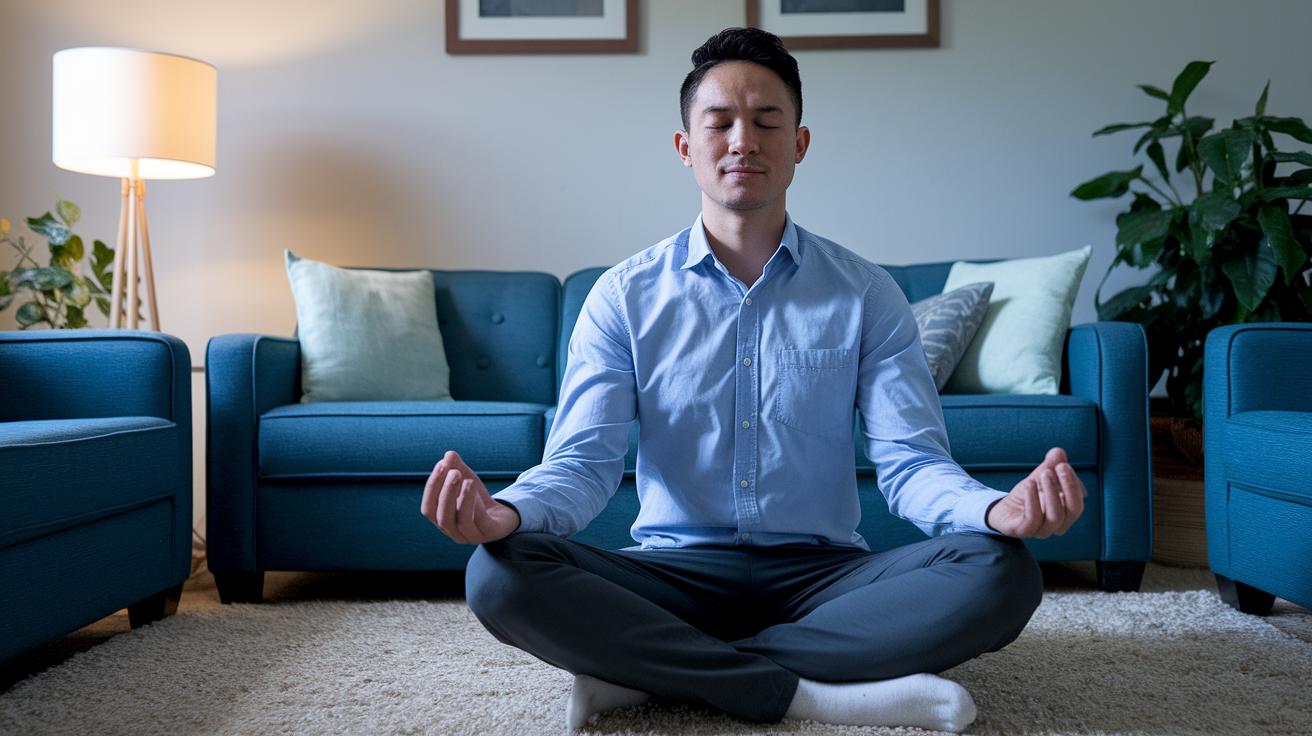
After a long day at work, our bodies can feel overwhelmed. The stress hormones, like adrenaline and cortisol, stick around and make it hard to settle down at night. Nine hours of work can leave these chemicals buzzing, so switching off your work thoughts is key for a peaceful sleep.
Try these simple steps to unwind:
- 10–15 minute meditation or body-scan: Sit quietly and check in with each part of your body. Feel the tension melt away.
- Guided imagery: Picture a calm lakeside or a quiet forest. Let the peaceful scene ease your mind.
- Gentle yoga sequence: Do a few relaxing poses like cat-cow or child’s pose. They help shift your body from work to rest.
- Mantra recitation: Repeat a gentle phrase to steer your thoughts away from stress.
- Deep breathing exercise: Take slow, deliberate breaths to signal your body that it’s time to relax and get ready for sleep.
Science tells us that relaxing can really make a difference. It helps fight off stress and even lowers symptoms like depression, pain, and high blood pressure. Plus, it works against blue light hassles from screens that can block the sleep hormone melatonin. So, give yourself a little time to wind down, it might just make all the difference.
Crafting a Serene Evening Environment

Your room can really help you relax at night. Adjusting the lights, smell, temperature, and tidiness tells your body it’s time to wind down. It’s like telling your mind, "Hey, let’s get cozy!" If you're curious for more ideas, check out our evening wellness routine for a better sleep routine.
- Lighting: Dim your lights to less than 30 lux. Soft, low light helps your body start making a sleep hormone.
- Scent: Use an aroma diffuser with a bit of lavender or chamomile oil. The gentle scent can even slow your heart rate a little.
- Temperature: Keep your room cool and comfy so you can settle in easier.
- Decluttering: Create a spot without screens and tidy up a bit. This helps cut distractions and calms your mind.
A bedroom at about 60–67°F tells your body it’s time to sleep, setting you up for a deep, restorative rest.
Evening Wellness Tips for Relaxation: Calming Restful Nights

Before you hit the hay, take a moment to settle into a quiet spot. Spend about 10–15 minutes on mindfulness; deep breathing or meditation can even drop your stress hormone by 30 percent, gently priming your body for a good night's sleep.
Deep Breathing
Sit comfortably and close your eyes. Try this simple routine:
- Breathe in slowly through your nose for around 4 seconds.
- Pause for a bit, letting your lungs fill up.
- Exhale steadily through your mouth for 4 seconds.
Picture yourself releasing a heavy load, you let go of stress and welcome calm.
Body-Scan Meditation
Find a comfy seat or lie down. Then, slowly move your awareness from head to toe over about 5 minutes:
- Start at the top of your head and move down.
- Notice any tight spots and give them permission to relax.
It’s like gently sweeping away tension, as if each muscle is softening like melting ice.
Guided Visualization
Close your eyes and imagine a safe, soothing scene:
- Picture a quiet beach with soft, rhythmic waves or a meadow with gentle, fluttering wildflowers.
- Let the cool breeze or the warm sunlight wash over you.
Imagine the soft glow of an evening sky guiding you towards tranquility. Need extra help? Audio tools like a 75-minute trial of a 3D sound journey can lead your thoughts deeper into relaxation.
Integrating Gentle Movement and Stretching for Calm

Take about 10 minutes to unwind from your busy workday with this simple stretching routine. It's like giving your body a gentle reminder that it's time to relax.
- Neck Rolls – Sit comfortably and slowly roll your head in a soft circle for about 1–2 minutes. This little move helps ease neck tension and gets your blood flowing.
- Shoulder Stretch – Stretch one arm across your chest. Use your other arm to gently press it close for 30 seconds on each side. This helps let go of any shoulder tightness.
- Cat-Cow – Move into a flow where you arch your back and then round it for about 2 minutes. This simple switch eases muscle stress and signals your body to relax.
- Hip Flexor Release – Step one foot forward and lower your back knee into a lunge for around 1 minute on each side. This stretch relieves the strain from too much sitting.
- Child’s Pose – Finally, kneel down, lower your chest toward the floor, and stretch your arms forward for 2 minutes. This position invites a deep sense of calm and comfort.
These gentle stretching moves work together to soothe your muscles and slow your heart rate, setting you up for a peaceful and restorative night's sleep.
Self-Care Rituals: Baths, Beverages, and Reading

Sometimes, taking a little break feels like the perfect reset for both body and mind. A warm bath for about 20 minutes can work wonders. Try adding 1–2 cups of Epsom salts or 3–5 drops of your favorite essential oil. It helps ease those tight muscles and even nudges your body toward sleep as your temperature rises and then cools. Here are three simple DIY bath blends to try:
- Epsom salts with a few drops of lavender oil for a calming vibe.
- Epsom salts mixed with eucalyptus and rosemary oils to help clear your thoughts.
- Epsom salts combined with chamomile essential oil and a hint of vanilla for a soothing scent.
After your bath, why not treat yourself to something warm? Enjoy a cup of chamomile or valerian tea about 30 minutes before bed. This gentle, caffeine-free drink invites relaxation with every sip.
Then, take a moment for yourself by diving into a good book. Choose a light, enjoyable fiction read, around 10 to 15 pages can do the trick. It’s a pleasant way to ease away the day’s stress and gently settle your thoughts before sleep.
Practicing Digital Disengagement Habits
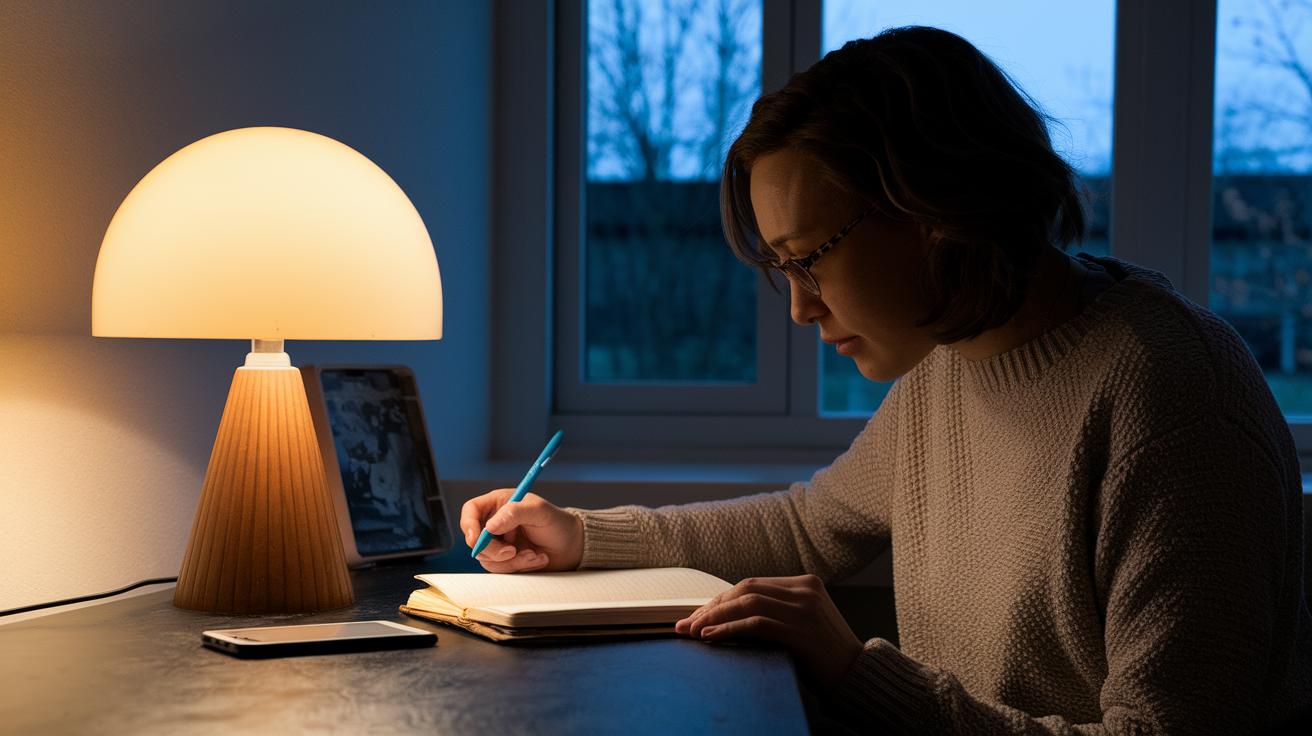
After a long day of screen time, your body might feel a little wired from all that blue light, making it hard to settle down. Turning off your gadgets a bit earlier really helps signal your body that it’s time to relax and prepare for sleep.
Try these simple tips:
- Set a shutdown alarm – This little reminder tells you when it’s time to power down and start winding down.
- Switch on night mode early – This setting tames the bright light, so your brain doesn’t get tricked into staying alert.
- Choose non-screen activities – Replace your device time with something calm, like journaling or tackling a puzzle, to let your mind gently unwind.
Did you know blue light can lower the production of melatonin (the hormone that helps you sleep) by more than 25%? Research shows that having a device curfew 30 to 60 minutes before bed can shave off about 7 minutes of the time it takes to fall asleep. Giving your eyes a break from technology can ease you into a more peaceful, restful night.
Personalizing Your Evening Wellness Tips for Relaxation

When you create a routine just for you, winding down becomes a comforting habit that feels natural. Research shows that when you personalize your nightly routine, you stick with it more often. Whether you enjoy a bit of stress-relief gaming, a moment spent journaling through art, or simply enjoying a warm cup of tea in silence, choosing what feels right for your mood can make your evenings uniquely soothing. It turns a regular habit into a personal ritual that helps quiet the day's chaos and gently prepares you for sleep.
Creating Your Checklist
- Pick one calming activity that really helps you relax.
- Consider adding a fun twist, like playing a stress-relief game or doing some art journaling, if it helps ease your tension.
- Transform your space into a cozy haven by softening the lights and clearing away clutter.
- Try writing down three things you’re grateful for each night.
- Set aside a few minutes for a creative or artistic outlet that speaks to you.
Using a simple checklist, like a daily routine template from this link, helps you track your progress. Over time, you can tweak these activities to better match your evolving needs. It’s all about making your evening wind-down not just a habit, but a reflective and restorative moment each day.
Final Words
In the action, the article explained how daily stress can build up and shared practical ways to relax. We highlighted core methods like mindfulness, gentle movement, self-care, tech shut-off, and personalization of routines. Each tip is designed to help shift your evening into a calm, restorative wind-down.
Using evening wellness tips for relaxation, you can shape your nights into a serene pause that brings refreshing mornings. Enjoy light moments and brighter days ahead.
FAQ
How to sleep better at night naturally?
Sleeping better at night naturally involves shaping a calming bedtime routine. This means cutting down on screens, practicing mindfulness or soothing stretches, and keeping a consistent sleep schedule to help signal your body it’s time to rest.
How to relax mind from stress?
Relaxing the mind from stress means practicing mindful techniques like deep breathing, gentle yoga, or guided imagery. These methods help ease tension and cue the body to shift into a calm state.
What are 10 ways to relax?
Ten ways to relax include deep breathing, meditation, gentle yoga, guided imagery, a warm bath, soothing music, reading a book, journaling thoughts, enjoying nature, and taking a digital break, all of which ease stress effectively.
What are quick relaxation techniques for anxiety?
Quick relaxation techniques for anxiety consist of short deep breathing routines, a brief body-scan meditation, or guided imagery sessions. These practices help lower stress hormones and ease anxious thoughts rapidly.
What are relaxation techniques for stress and in psychology?
Relaxation techniques for stress, often used in psychology, involve methods like mindfulness meditation, deep breathing, guided imagery, and gentle yoga. Such practices reduce anxiety, relax tense muscles, and promote overall calm.
What types of relaxation techniques PDF can I find?
A types of relaxation techniques PDF usually outlines methods like deep breathing, body-scan meditation, guided imagery, and gentle stretching. It serves as a handy reference for anyone looking to implement stress-relief routines.
How to relax my mind from overthinking?
Relaxing a mind overwhelmed by overthinking might include mindfulness practices, focusing on deep breaths, journaling thoughts, or listening to calming audio. These methods help quiet excessive mental chatter.
How do you relax in the evening?
Relaxing in the evening involves setting up a wind-down routine. This could mean dimming lights, turning off screens, taking a short meditation break, or performing a few gentle stretches to signal that it’s time to rest.
How to fully relax your body before bed?
Fully relaxing the body before bed can be achieved by combining gentle stretching, deep breathing exercises, and a warm bath or light reading session, which together ease muscle tension and prepare you for restorative sleep.
What’s the healthiest thing to do before bed?
The healthiest thing to do before bed is to build a consistent, calming routine that includes digital downtime, mindfulness activities, and relaxing rituals like a warm drink or light reading to promote deeper, more restorative sleep.