
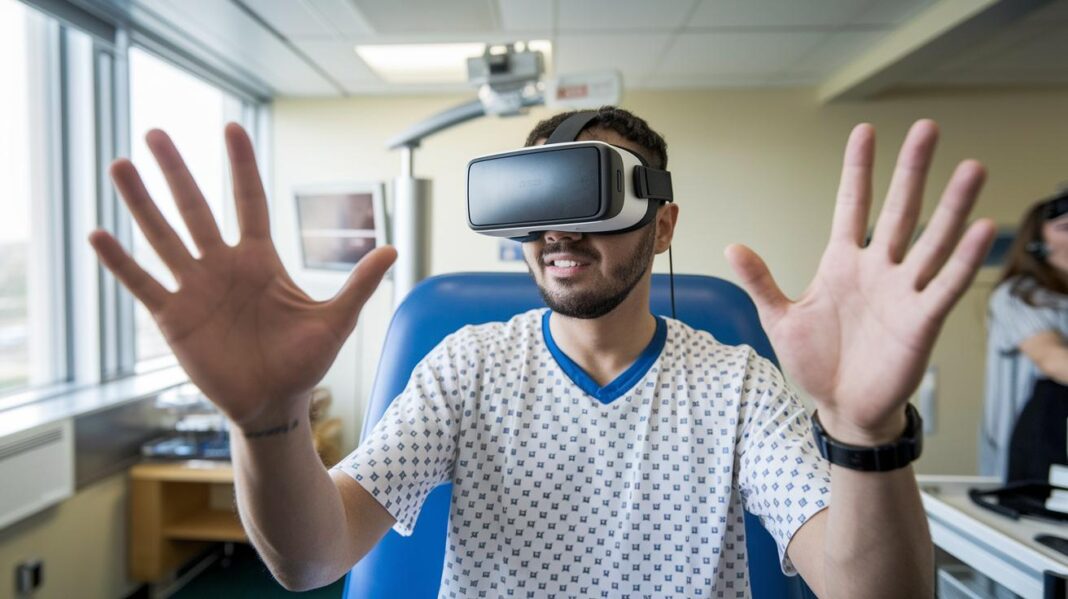

Have you ever thought that digital technology could help doctors save lives? Virtual reality in healthcare creates a hands-on practice session, almost like a mini simulation lab. Imagine every sound and light cue training professionals to move fast during emergencies.
This smart approach not only hones skills but also improves patient care. In fact, more and more patients are now choosing this modern treatment method. Curious to know how digital tools are reshaping everyday health practices? Let’s explore how this innovative method makes healthcare simpler and more engaging for everyone.
Virtual reality in healthcare boosts health outcomes
Virtual reality is changing how we look at healthcare by creating computer-made worlds that feel real. In these environments, you see, hear, and sometimes even feel details that mimic true medical scenarios. This smart approach turns everyday medical routines into engaging experiences.
Imagine a practice session where doctors work in a simulated emergency room. Every sound and light helps them perfect life-saving techniques without any real danger.
VR is useful in many ways. It helps doctors train by re-creating rare or critical cases, gives a safe space to practice surgeries, and even offers fresh ways to try therapy. Patients get more involved too, as they can explore interactive 3D models that clearly show their treatment plans.
Recent data shows VR is winning hearts. About 62% of patients prefer it over traditional care methods. Plus, 41% of Generation Z and 33% of millennials are choosing virtual consultations. This tells us that digital health care isn’t just a trend, it’s reaching even the most remote communities with quality services.
Here are some key applications:
| Application |
|---|
| Medical training simulations |
| Surgical rehearsals |
| Therapeutic interventions |
| Virtual consultations |
These advancements show how virtual reality is paving the way for more effective and patient-friendly care.
Virtual Reality in Healthcare Simulation and Medical Training

VR simulation is changing the way health professionals learn and get ready for risky situations. It gives learners a safe space to practice tough procedures without any real-world dangers. I remember a broadcast back in 2016 where a VR surgery was live-streamed in 360°. It really showed off how these digital tools can bring the latest training right into the classroom.
These digital training tools offer interactive anatomy lessons and emergency drills that mimic unusual, critical cases. In one two-week pilot study, people using these hands-on platforms improved their skills by an amazing 230% compared to older training methods. This boost not only builds their confidence but also helps them make quicker, smarter decisions when it matters most.
Healthcare simulation systems let learners safely experience rare, high-risk scenarios that rarely happen in everyday practice. As these simulations get even more realistic, they bring the stressful feel of a real clinical setting right into training sessions. For instance, VR-based credentialing platforms let trainees repeat procedures until they feel completely skilled.
Imagine practicing an emergency drill where every sound and visual detail is spot on, preparing you perfectly for unexpected real-life challenges. Such immersive training not only makes learning safer but also helps skills stick better, paving the way for better care when it really counts.
VR Surgical Simulation and Procedural Planning in Healthcare
VR surgical simulation changes how surgeons get ready for tricky procedures. It creates a detailed digital world where doctors can rehearse their operations without any risk. Picture a surgeon practicing a tough operation in a computer setting, repeating needle placements and incisions until every move feels just right. This kind of practice boosts confidence and hones skills, making each step feel a lot more secure.
Another great perk is how much money hospitals can save. Research shows that using VR can cut costs by almost a hundred dollars per patient. In one instance, a pre-surgery session with mixed reality not only shortened the time in the operating room but also made the procedure really precise.
VR lets surgeons take a full walk-through of the operation. They can review every step with live feedback, ensuring that even the tiniest details are checked. For example, by planning and practicing virtually, healthcare teams lower the chances of mistakes and get better prepared for unexpected turns during an actual surgery.
This ability to practice risky operations safely is changing the game for surgical training and pre-surgery planning all around the globe.
Virtual Reality for Patient Therapy and Rehabilitation
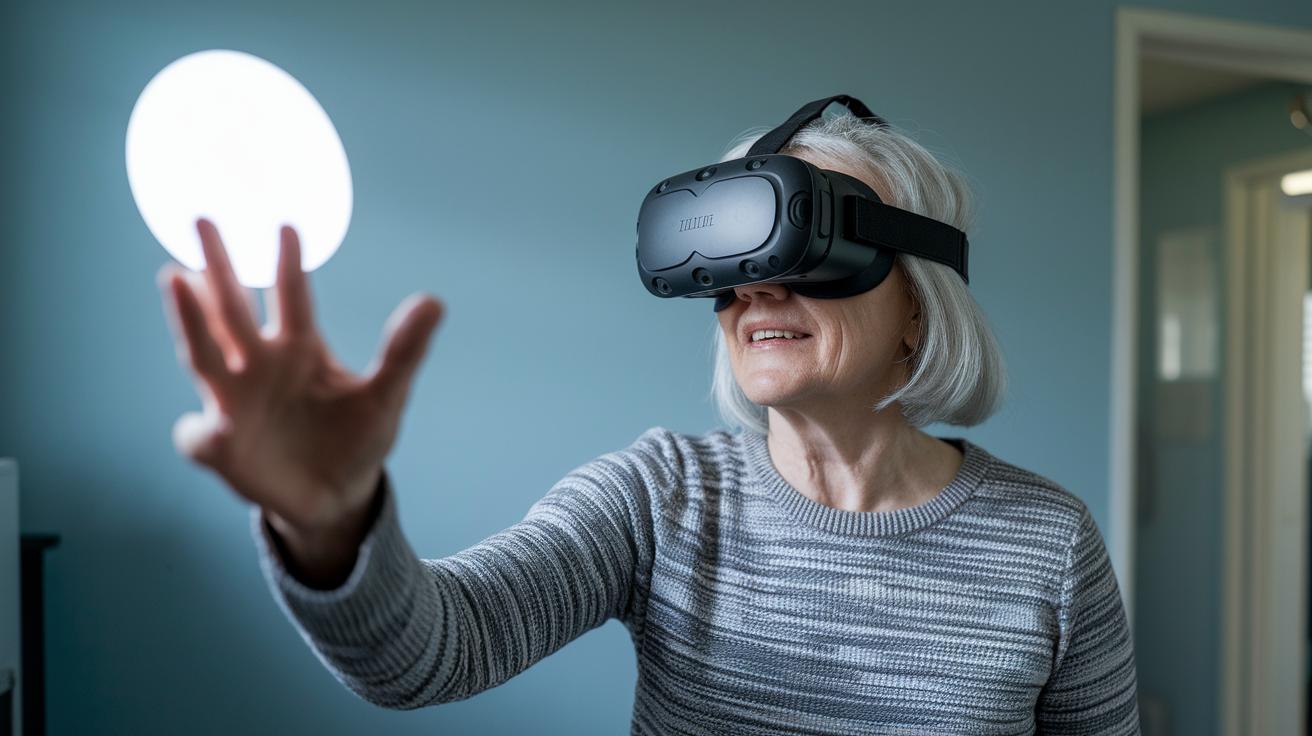
Imagine a therapy session that feels like stepping into a fun digital playground. In VR rehab, exercise becomes an interactive game that encourages movement and recovery. For instance, a stroke patient might see a floating object on the screen and reach for it as part of their workout. This playful approach helps build strength and coordination in a friendly, supportive setting.
In one study with 179 participants, nearly half of the patients using VR reported a drop in pain levels by more than 50%, compared to only about a quarter with regular care. It’s pretty amazing how a digital environment can shift focus from pain to progress.
VR also offers real-time visual feedback during exercises, almost like having a helpful coach right by your side. This gentle guidance shows patients the right way to adjust their movements over time. And for those recovering from orthopedic issues, the interactive games make repetitive exercises feel more like engaging challenges than boring routines.
Overall, this tech-driven solution not only helps cut down pain but also makes therapy sessions more dynamic and enjoyable.
Virtual Reality for Mental Health and Pain Management in Healthcare
VR Exposure Therapy, or VRET for short, helps people deal with anxiety, PTSD, and phobias by gently easing them into situations that might scare them, all within a safe, digital world. Imagine someone with a fear of heights stepping onto a virtual ledge, slowly getting used to that feeling without any real danger. Picture a soft, computer-made breeze helping melt away your tension.
VR also brings fresh ideas for managing pain. By placing patients in calm, virtual settings, it shifts their focus away from discomfort. Think of sitting on a quiet beach, with gentle waves in the background. It feels peaceful, right?
VR cognitive therapy mixes mind-soothing techniques with playful challenges that boost focus and mood. In one early test, most clinicians felt that VR could really change how care is given.
Key benefits include:
| Benefit | Description |
|---|---|
| Reduced anxiety | Slow and steady exposure helps ease fears. |
| Enhanced focus | Immersive experiences support mindfulness. |
| Better interactions | Makes patient and provider discussions smoother. |
These advancements don’t just help with symptoms; they make the whole care experience more pleasant and supportive, whether it’s mental health or pain management.
Challenges, Cost Analysis, and Market Trends for Virtual Reality in Healthcare
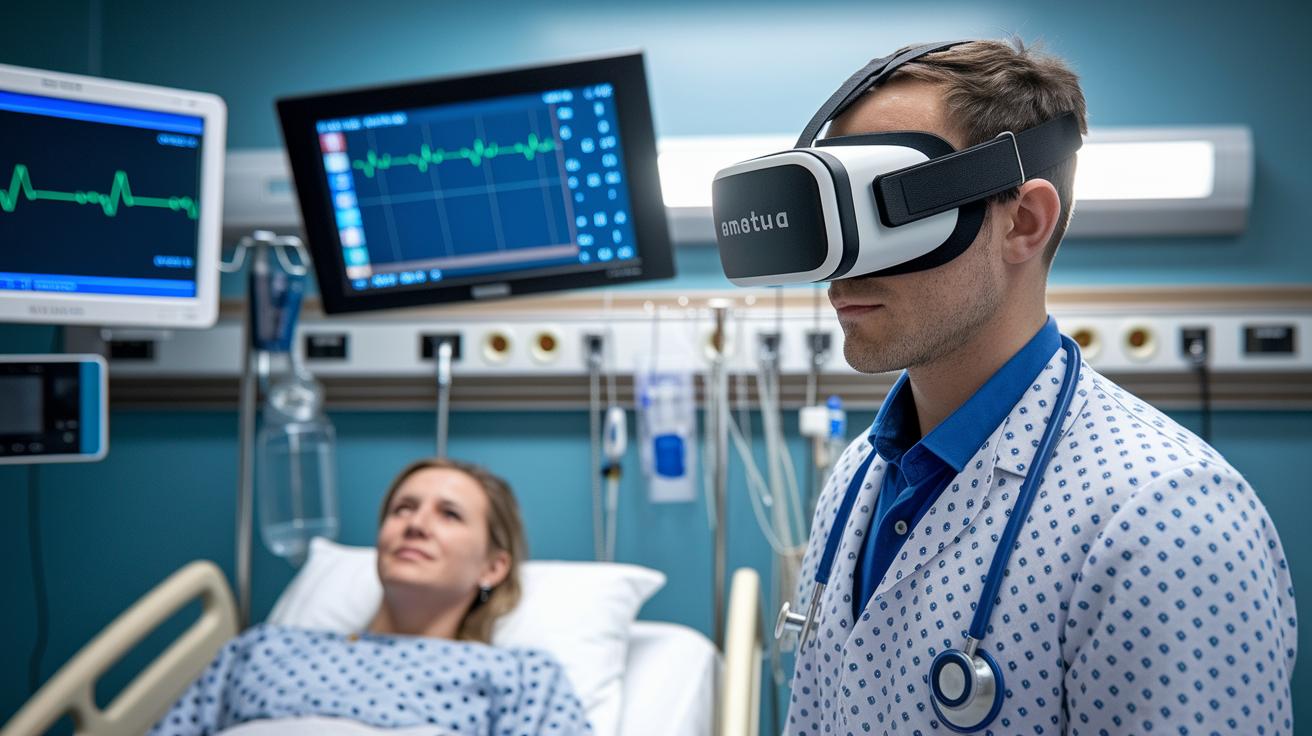
Using VR in healthcare brings some bumps along the way. Many hospitals deal with high equipment costs, the need for special training, and the challenge of fitting VR into their current routine. For example, one hospital saved nearly $100 on each patient treated with VR. That extra saving can really add up when you consider hundreds of cases.
When you look at the numbers, the benefits of VR become clear. Studies show that hospitals save about $98.49 per patient when they use VR for treatment. On the other hand, if a patient opts out of VR, the extra cost can be around $16.90 per case. This data suggests that both staff and patients need to get on board with using this new tech in healthcare.
Market trends also back up the growth of VR in medicine. Experts say that VR use in healthcare settings is expected to see big gains every year. In fact, 83% of the professionals in this field believe that VR will change the way care is given in the future. It looks like VR is not just a cool gadget, it’s becoming a crucial part of how hospitals work.
| Key Point | Details |
|---|---|
| Barriers | High equipment costs and the need for specialized training |
| Savings | About $98.49 saved per patient when VR is used |
| Industry Support | 83% of professionals foresee VR changing healthcare delivery |
These points show that while there are challenges at the start, the savings and improved efficiency from using VR make it a smart move for many hospitals. As the market grows, more institutions see VR not just as a neat tech upgrade, but as a key strategy to offer better care.
Final Words
In the action, we saw how virtual reality in healthcare transforms training, surgical planning, and patient recovery. The article broke down real-life examples, using immersive simulations for surgery practice, interactive tools in therapy, and digital health solutions that ease daily care. It painted a clear picture of cost savings and improved care quality while sharing vibrant stories of change.
These advancements are brightening the future of healthcare, making care more accessible and practically enjoyable for everyone. Keep an eye on how tech continues to bring comfort and clarity to health management.
FAQ
Virtual reality in healthcare research paper
The virtual reality in healthcare research paper examines how immersive technology enhances patient care, surgical rehearsal, and medical training by presenting detailed studies and cost-savings data for better clinical decision-making.
Virtual reality in healthcare examples
The virtual reality in healthcare examples showcase immersive training modules, surgical simulations, patient rehabilitation programs, and cognitive therapy techniques that demonstrate how VR creates safe, engaging clinical environments.
Virtual reality in healthcare pdf
The virtual reality in healthcare PDF provides comprehensive research findings and detailed reports on VR’s role in medical training, surgical planning, and therapy, offering professionals valuable insights and practical data.
Augmented reality in healthcare
The augmented reality in healthcare refers to overlaying digital content onto real-world images, aiding surgeons during operations and helping patients visualize treatment plans for improved communication and care.
Benefits of virtual reality in healthcare
The benefits of virtual reality in healthcare include enhanced simulation training, improved patient engagement, reduced surgical risks, and faster rehabilitation, leading to better outcomes and cost savings across clinical settings.
Virtual reality in healthcare training
The virtual reality in healthcare training uses computer-generated simulations to provide hands-on practice in medical procedures, boosting learner performance and ensuring safer, more informed clinical decision-making.
Virtual reality in healthcare 2022
The virtual reality in healthcare during 2022 saw increased adoption in surgical planning and patient therapy, with studies showing improved training outcomes and measurable cost savings that supported its growing integration in hospitals.
Virtual reality in healthcare articles
The virtual reality in healthcare articles provide clear explanations on topics like simulation-based training, surgical planning, and patient therapy, offering readers practical insights into both the benefits and challenges of these technologies.
How is virtual reality used in healthcare?
The virtual reality used in healthcare simulates clinical scenarios for training, aids in surgical rehearsal and planning, and offers innovative therapy and rehabilitation solutions, making care more immersive and interactive for patients.
What are the problems with VR in healthcare?
The problems with VR in healthcare often include high equipment costs, the need for specialized training, and integration challenges into existing workflows, along with occasional user discomfort from prolonged use.
Is virtual reality therapy FDA approved?
The virtual reality therapy is FDA approved for certain conditions, such as exposure therapy for anxiety and PTSD, following strict testing to maintain safety standards and improve patient treatment outcomes.
What do doctors say about VR?
The virtual reality is praised by doctors for enhancing surgical simulation, improving medical training, and supporting patient rehabilitation, with many noting its potential to reduce risks and boost overall care quality.