


Ever think chatting with your doctor could be as easy as texting a friend? Video visits are turning that idea into reality. Smart innovations, like computer-driven tips (that’s when tech helps with suggestions) and live updates from your wearables, make these sessions quick and friendly.
Big names in health care are proving that virtual visits can feel just as personal as sitting in an office, without those long waits. In this post, we dive into the top trends in video consult technology and explain how they’re making health care feel more accessible for everyone.
Key Developments Shaping Video Consultation Technology in Digital Health

By 2025, chatting with your doctor over video is as normal as texting a friend. It’s like getting a quick piece of advice without the hassle of waiting rooms or driving around. Big names such as Salesforce HealthCloud, LifeScience Cloud, DocMorris, Shop Apotheke, and Doctolib are making these virtual visits feel just as warm and real as face-to-face talks.
When you hop on a video consult, smart tools work quietly in the background. AI and large language models lend a hand by suggesting real-time diagnostic ideas during your chat. In January 2025, a new electronic patient record started rolling out in some areas. This tool helps different health teams share safe, up-to-date information. Plus, wearable sensors and other smart devices keep sending in essential health updates so doctors can act fast.
Here are some key factors driving this change:
| What It Brings | Why It Matters |
|---|---|
| Stronger bonds between patients and doctors | Makes virtual care personal and trustworthy |
| AI-powered help with diagnosis | Quickly refines symptom checks for faster care |
| Instant, secure data sharing | Enables smooth teamwork among care providers |
| Continuous updates from wearables | Provides vital health details in real time |
The healthcare world is also shifting toward greener practices and a true focus on what patients need. Long waits and endless red tape are becoming a thing of the past. With smarter video technology in play, digital health is moving toward a system that is quick, caring, and truly responsive.
Security and Compliance Trends in Video Consultation Technology

Modern telehealth platforms now include secure streaming sessions. They use encryption methods like TLS 1.3 (a way to keep your data safe) for every conversation. They also use end-to-end encryption and multi-factor authentication to protect your information. Plus, these services offer free business associate agreements that meet rules like HIPAA, GDPR, and ISO 27001. Really, it’s amazing that over 95% of platforms now secure every interaction.
These systems go through regular security audits and tests. Encrypted meeting apps protect data both when it’s stored and while it’s in transit. This means that patient information is safe whether it’s sitting on a server or part of a live session. Providers often update their security systems to stick to strict rules.
Every upgrade is made to keep your care private and professional. If you're curious about the details behind these safety features, check out Best Practices for Secure Video Consultation in Telemedicine and HIPAA Compliant Video Consultation Platforms. They explain how encryption and authentication are evolving to fit our needs.
Integration and Interoperability of Video Consultation Platforms

Video consultation platforms are now teaming up with hospital systems to create a smoother, connected care experience. In January 2025, select regions began using electronic patient records that let teams share your health details instantly. With FHIR-based APIs (simple tools that help different computer systems chat), these platforms can directly link with electronic health records, lab results, and pharmacy records. So when you join a video call, your doctor might see your latest test results and know your current medication history right away.
Cloud-powered services also play a big part by securely tying different organizations together. Data flows smoothly and stays fresh, kind of like how a clear photo gives you a good snapshot of your health. Plus, special analytics tools record details like call duration, drop-off moments, and vital-sign trends. These numbers help care providers check the quality of their service and adjust things to better support you.
Here's a simple overview:
| Key Feature | Impact on Care |
|---|---|
| Real-Time Data Exchange | Improves teamwork in making care decisions |
| Integrated Clinical Systems | Makes care coordination easier |
Cloud services and interlinked data systems make virtual consultations feel natural, responsive, and perfectly in tune with your needs.
AI-Powered Virtual Assessments in Video Consultation Platforms
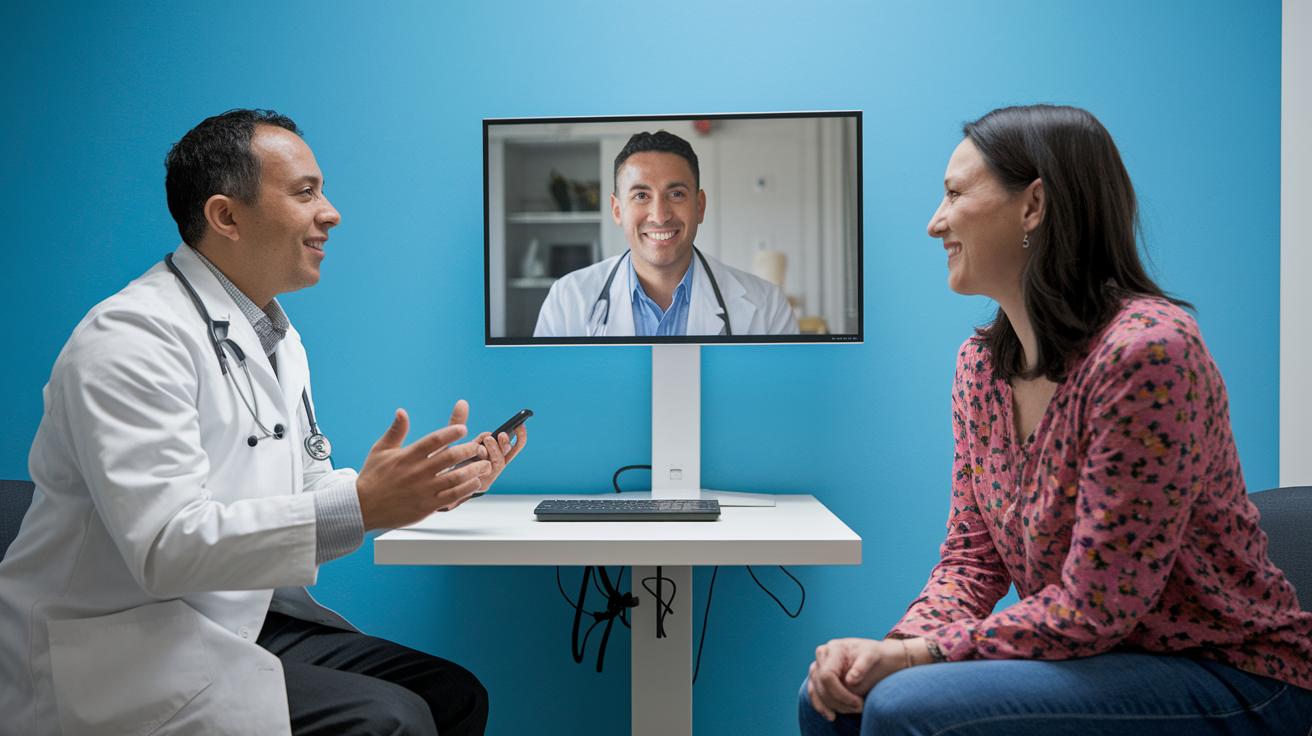
In video calls, smart AI tools help doctors by offering real-time tips. They use today's language models to sort through patient details as the conversation unfolds. Some early studies even show that these tools can boost a doctor’s confidence in their diagnosis by almost 15%. It really makes the digital visit feel as complete as meeting face-to-face.
Real-Time AI Symptom Analysis
During your call, these tools scan for subtle health signals. They might pick up on tiny changes in your voice or the way your face moves. It’s almost like having an extra pair of caring eyes and ears in the room. One moment, the app alerts the doctor about an increased blink rate, and the next, they can focus in to see what’s happening.
Automated Diagnostic Simulations
Imagine a tool that simulates test results right there during your appointment. That’s what these AI models do, they virtually “read” snapshots of your symptoms, almost like a mini assistant whispering recommendations for additional tests. This smart support not only speeds up decisions but also gives doctors an added boost of confidence when planning your next steps.
Pre-Visit Data Triage
Before you even join a call, automated systems review information from your questionnaires and wearable devices. Think of it like a quick health check that gathers your medical history, vital signs, and previous notes. By the time your doctor sees you, they have a neat summary of your current state, which helps make care faster and more spot-on.
Wearable and IoT Integration in Video Consultation Services
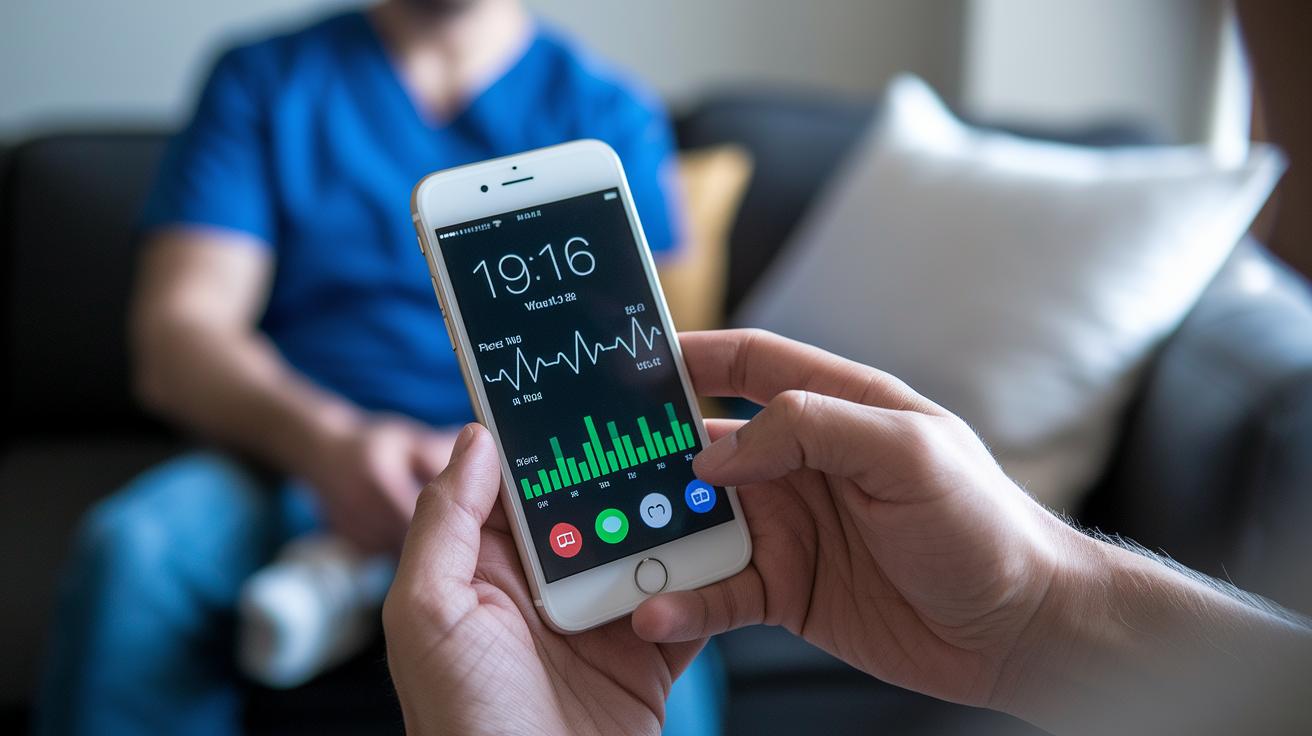
During video visits, wearable sensors and IoT devices work hard to stream your vital health numbers, like heart rate, blood oxygen, and even glucose levels, directly to your doctor. They link up with video platforms so that while you relax at home, your consultation benefits from up-to-the-minute information. Imagine your wearable tracking your SpO2 levels and instantly sharing that secure data with your provider as a built-in safety net.
Cloud tools then jump in to check these numbers and send an alert if anything goes off track. In early trials, mixing this kind of remote monitoring with video check-ups helped cut hospital readmissions by almost 20%. And remote therapy systems use these IoT signals to fine-tune your care plan between visits. It’s like having a caring health partner by your side, always ready to signal when a change is needed.
User Experience Innovations in Video Consultation Tools

Video call platforms for health are getting cool upgrades that make chats with your doctor feel as easy as texting a buddy. Now, starting a session takes just one click, so you don’t have to jump through extra links. These tools come loaded with helpful features like built-in consent forms, symptom checkers that adapt as you type, and digital whiteboards you can use right on the call. It’s like having a handy health toolkit right in the conversation.
Next, the experience stays smooth whether you’re on iOS, Android, or even on a web browser. Designers have made these systems really simple to use so that you spend less time wrestling with your phone and more time talking about your health. And with everything, chat, voice, video, and secure message sharing, integrated into one spot, every interaction feels connected and easy.
- Interactive tools include built-in consent forms and symptom checkers
- Smooth, consistent use across all devices
- All-in-one communication merging chat, voice, video, and secure messages
Regulatory and Policy Evolution Impacting Video Consultation Technology

Lately, changes in regulations have not only meant companies must follow new rules, they're sparking fresh ideas in video consultations. Companies are rethinking how they use digital tools when new guidelines push them to upgrade systems. For example, when a rule change meant a system update, tech teams started using stronger encryption. This simple upgrade made chats more secure and made users feel safer. I mean, when a startup added a secure data exchange after updated FHIR standards, it opened the door for smoother and safer interactions with patients.
Instead of just listing well-known rules like HIPAA, GDPR, or ISO 27001, the real story is how these guidelines are laying the groundwork for bigger changes. Next, an industry summit in San Diego (Nov 11–13, 2025) will bring everyone together to talk about how these new regulations can steer technology improvements and boost digital health practices.
Here’s a quick look at how policy changes help drive technology enhancements:
| Regulatory Framework | Technical Impact |
|---|---|
| HIPAA, GDPR, ISO 27001 | Encourage regular security updates and strong privacy practices |
| Electronic Patient Record (ePA) | Promote real-time, law-abiding record sharing |
| FHIR and HL7 | Boost system communication and teamwork between different platforms |
Future Video Consultation Technology Trends and Predictions in Digital Health

Video calls are changing the game in digital health. More people are turning to virtual visits that give them mental support and a smooth, reliable experience. Picture a video chat that feels as warm and personal as meeting face-to-face, every interaction is designed with your well-being in mind.
Designers are starting to focus on saving energy and smart resource use. For example, a system might automatically use less power during quiet hours. This not only cuts costs but also helps take care of our environment.
New trends are putting patients at the heart of everything. With clear, easy-to-use screens and live messaging, sharing your concerns becomes simple and direct. These digital tools are also helping rural and underserved clinics bring quality care to more people.
Future systems are being built to grow as needed, combining smart design with breakthrough remote tech. In truth, upcoming video consultations promise to be more efficient, accessible, and engaging, making quality care feel just a tap away.
Final Words
In the action, this article breaks down key elements shaping our future in digital health. It covers exciting innovations in video consultations, data security safeguards, seamless integration with health systems, AI-supported diagnostics, and smart wearable technologies. Each section shows how these advances work together to improve access and streamline care. Embracing video consultation technology trends in digital health can truly transform everyday healthcare interactions. The road ahead feels promising, and these breakthroughs signal a brighter, more connected future for everyone.
FAQ
How does telemedicine impact healthcare?
The telemedicine impact on healthcare is improving patient access, reducing wait times, and boosting care delivery through remote consultations and digital chronic-disease monitoring.
What capabilities do telehealth platforms offer?
The telehealth platforms offer video consultations, AI-powered diagnostic support, secure data exchange, and integration with digital patient records to make care more responsive.
What are the benefits of telemedicine in healthcare?
The telemedicine benefits in healthcare include increased access to care, cost savings, improved diagnostic accuracy with AI support, and smoother interaction between patients and clinicians.
What barriers are associated with telehealth?
The telehealth challenges include longer wait times, bureaucratic processes, and resource limitations, though modern video technologies are addressing efficiency and accessibility issues.
How is telehealth evolving by 2025?
The telehealth evolution by 2025 features standard video consultations, real-time electronic patient records, integrated wearable sensor data, and improved care coordination across platforms.