
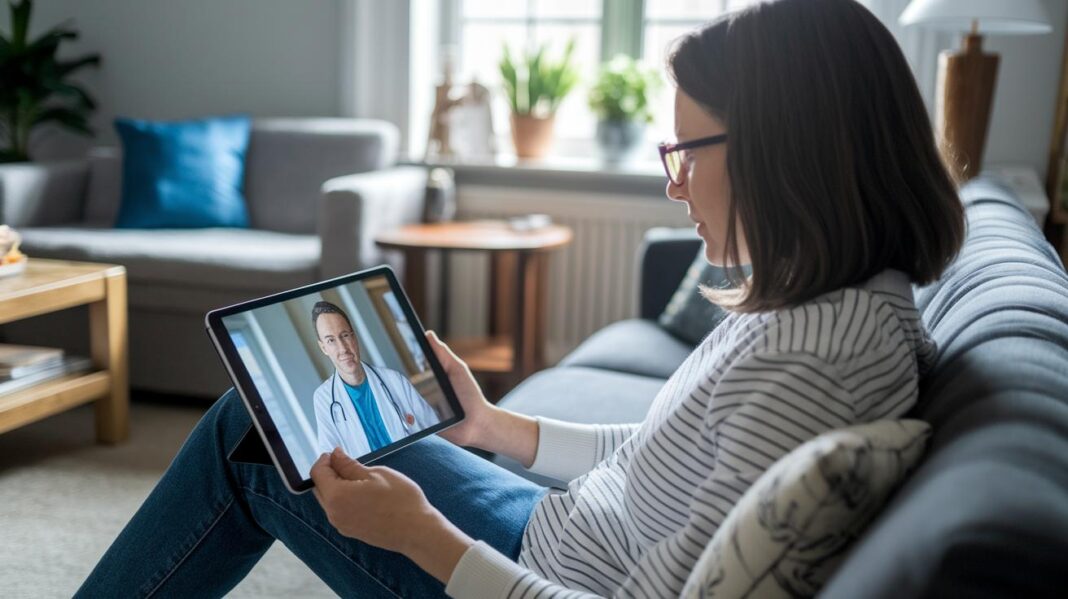

Have you ever wondered if a quick video call could help you recover faster after leaving the hospital? Picture your doctor checking in from your cozy home, explaining care instructions in a way that feels clear and personal.
This video visit links you to a caring team who gently monitors your health right from their screens. It lets you catch little concerns early and may even cut down on extra trips to the doctor.
It’s a fresh, modern take on care that makes your recovery feel smoother and safer.
Video consultation for follow-up after hospital discharge: an overview
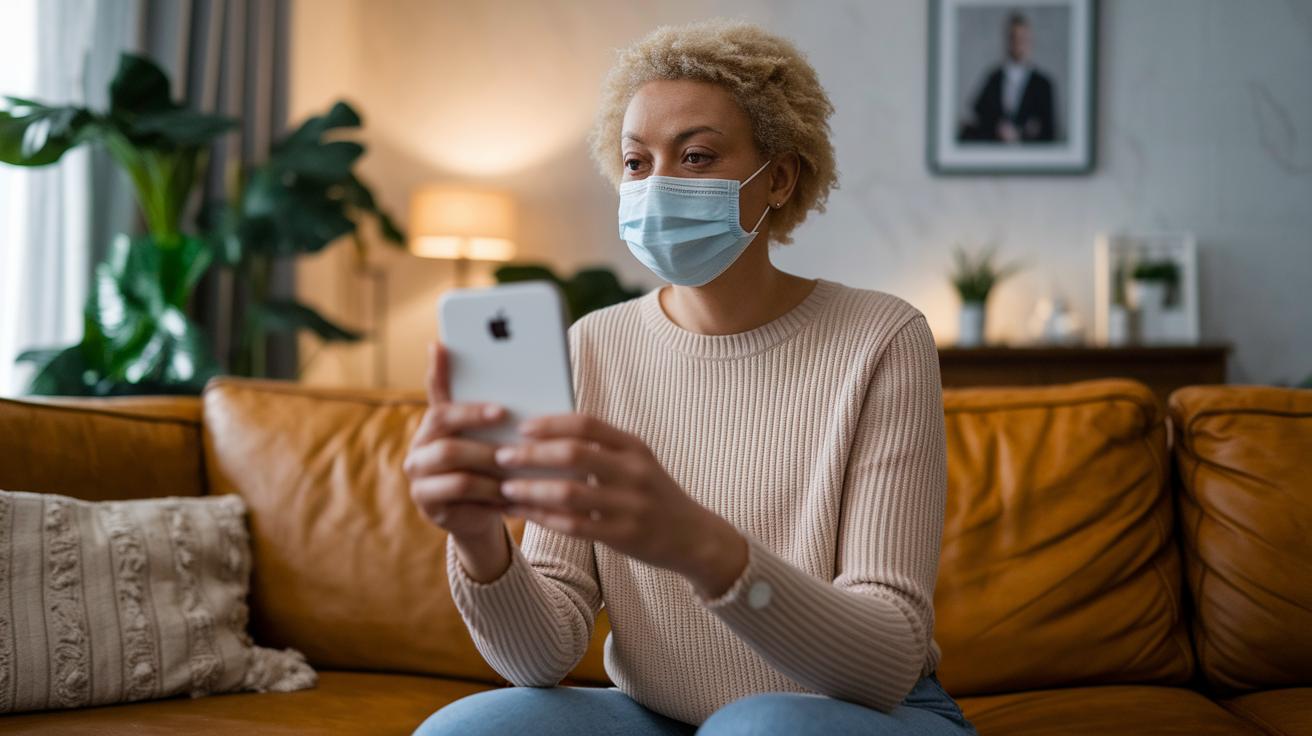
Video consultation helps discharged patients stay connected with their care team right at home. Platforms like BlueEye Virtual Ward and Pulsara PATIENT make it really simple to set up a follow-up visit. Imagine joining a friendly video chat after leaving the hospital, while a lightweight wearable camera quietly picks up on any small health changes, much like a nurse watching your heartbeat in real time.
This way of meeting online lets doctors, emergency centers, and local health partners work together smoothly. Early touchpoints with programs like Mobile Integrated Health and Community Paramedicine mean care teams can tackle issues before they grow worse, which may help cut down on hospital readmissions. And if you live in a place with few in-person services, video calls can bring care straight to you.
Plus, it can save you money by reducing extra hospital visits. Secure, high-speed connections ensure your check-ups are reliable, so you can easily check out more about how video consultations work for telemedicine on our resource page. All in all, this mix of smart technology and timely care helps you stick to discharge instructions and enjoy a smoother, safer recovery.
Key benefits of video consultation for post-discharge follow-up
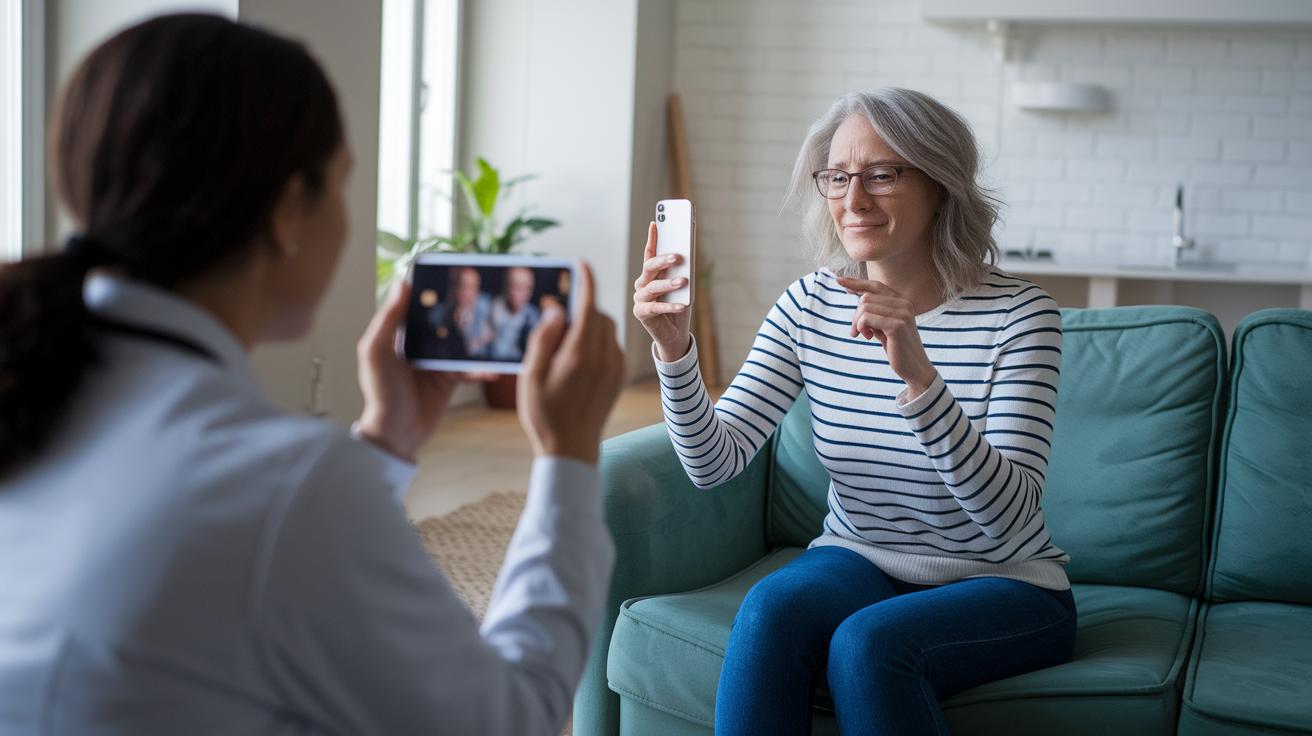
Video calls after leaving the hospital offer real benefits that make care simple and clear. They break down tricky discharge instructions into friendly, easy-to-understand chats. One patient said, "I now feel more confident managing my medications after my video call." This extra help makes following the plan easier, even if written instructions are tough to follow.
Regular online check-ins help you get care without the hassle of travel. Many folks find it hard to visit a clinic often, but a quick video session brings your doctor right to you. This easy access lowers barriers and keeps an eye on your health so any issues can be sorted out fast.
Video follow-ups can also save money by spotting problems early, which may keep you from having to go back to the hospital. With clear, high-quality video, there’s less chance to mix up details that might happen with paper instructions. Plus, doctors chatting with other doctors on video can help catch errors early, especially for vulnerable patients like infants who have been in intensive care. This smart approach helps avoid extra emergency visits and cuts down on costs.
Telehealth is flexible, letting your care team adjust check-ups as your needs change. They can update your care plan on the fly, which helps you recover more quickly. In truth, this method means fewer complications, a smoother recovery, and savings for everyone involved.
Technical requirements for video consultation after hospital discharge
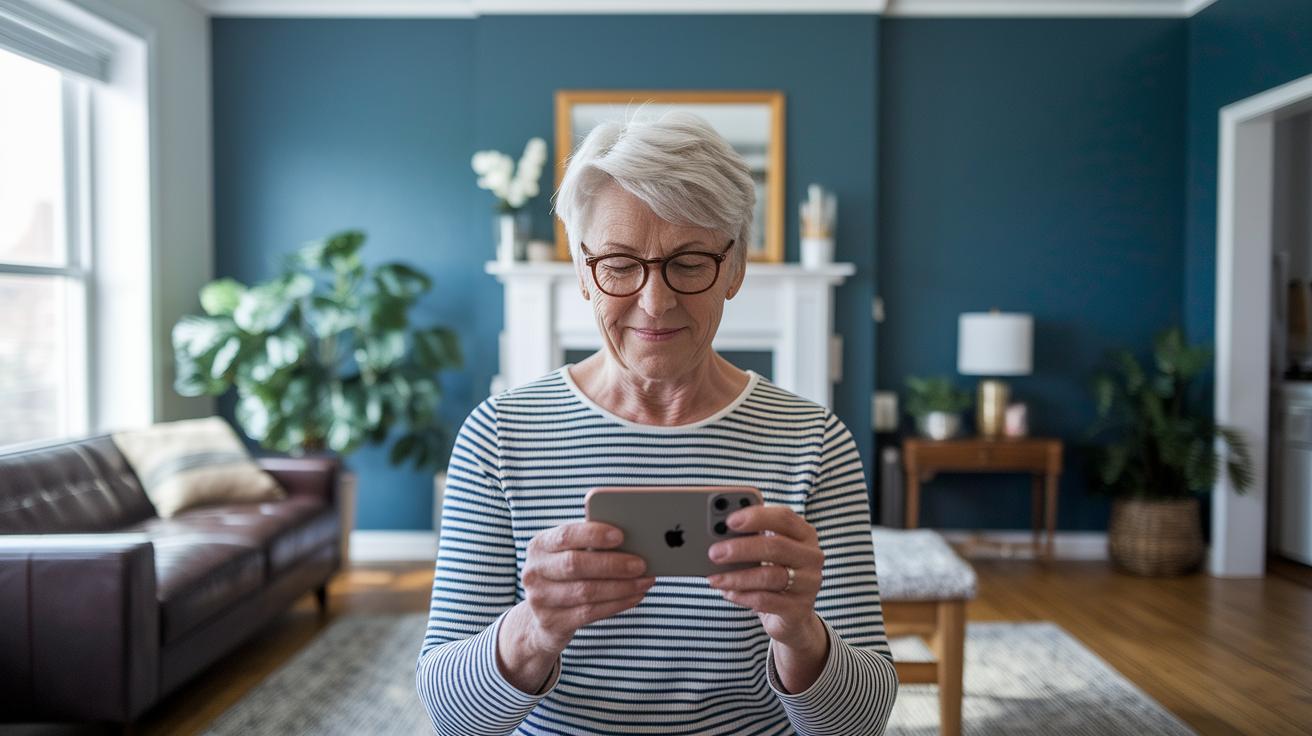
Getting a smooth video consultation after hospital discharge depends on a few simple tech basics. Think of it like setting up your favorite app, you need a strong, steady connection so everything works just right. High-speed broadband is key to clear streaming and good performance.
You’ll want a device with a high-res camera (at least 720p) and clear audio. Before your call, try a quick self-check of your camera and mic settings. This little step can really help avoid any annoying interruptions.
Using a telehealth platform that follows HIPAA rules is also important to keep your information safe. Platforms such as Pulsara PATIENT and BlueEye Clinic are built to protect your privacy while making your consultation as smooth as chatting with a friend. They even sync with electronic health records, which means all your notes are taken care of without extra hassle.
New tech is making things even better. Innovations like 6G-PATH and wearable cameras that connect to the Internet of Things help capture your health data in real time, almost like having a mini, personal health hub. Automated appointment reminders can also make sure you never miss a session. And, just like having an umbrella handy on a rainy day, having backup connectivity and reliable tech support can save the day if your main connection slips up.
Best practices for conducting video consultation follow-up after discharge
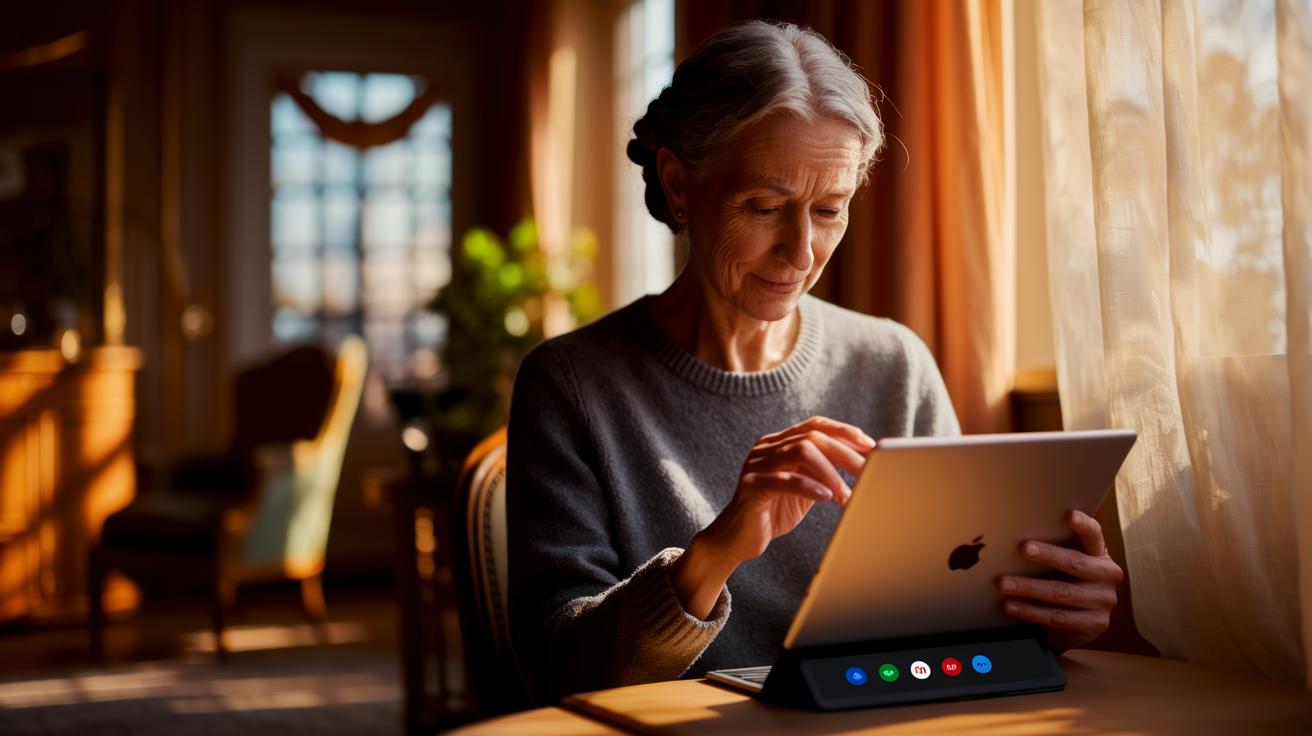
When you're setting up a video call after hospital discharge, start by giving patients simple, step-by-step setup instructions. A quick test call ahead of time can ease any nerves. For example, a guide might say, "First, open the app; then, check your video and sound settings; and finally, join the call." This helps everyone feel ready and at ease.
Make sure you're in a quiet, well-lit, and private space when you begin each call. At the start of the session, take a minute to verify who you're speaking with by asking, "Can you please confirm your full name and birth date?" This short check helps ensure you're speaking with the right person.
Next, keep your conversation organized with a clear visit checklist. This guide might cover key points like reviewing medications, checking on symptoms, and updating care plans. Jotting down notes in the electronic health record as you go along ensures that nothing important gets missed. Research even shows that video consultations can keep patients just as satisfied as in-person visits while cutting down on no-shows. And, of course, a secure connection is a must to keep all information safe.
Finally, plan follow-up calls according to each patient’s needs, whether that's in a few days or a few weeks. This personalized timing ensures patients get the right support when they need it.
- Provide clear setup instructions
- Confirm the patient's identity
- Follow a structured checklist
- Record details during the call
- Schedule follow-ups based on need
Case studies of video consultation reducing readmissions after discharge
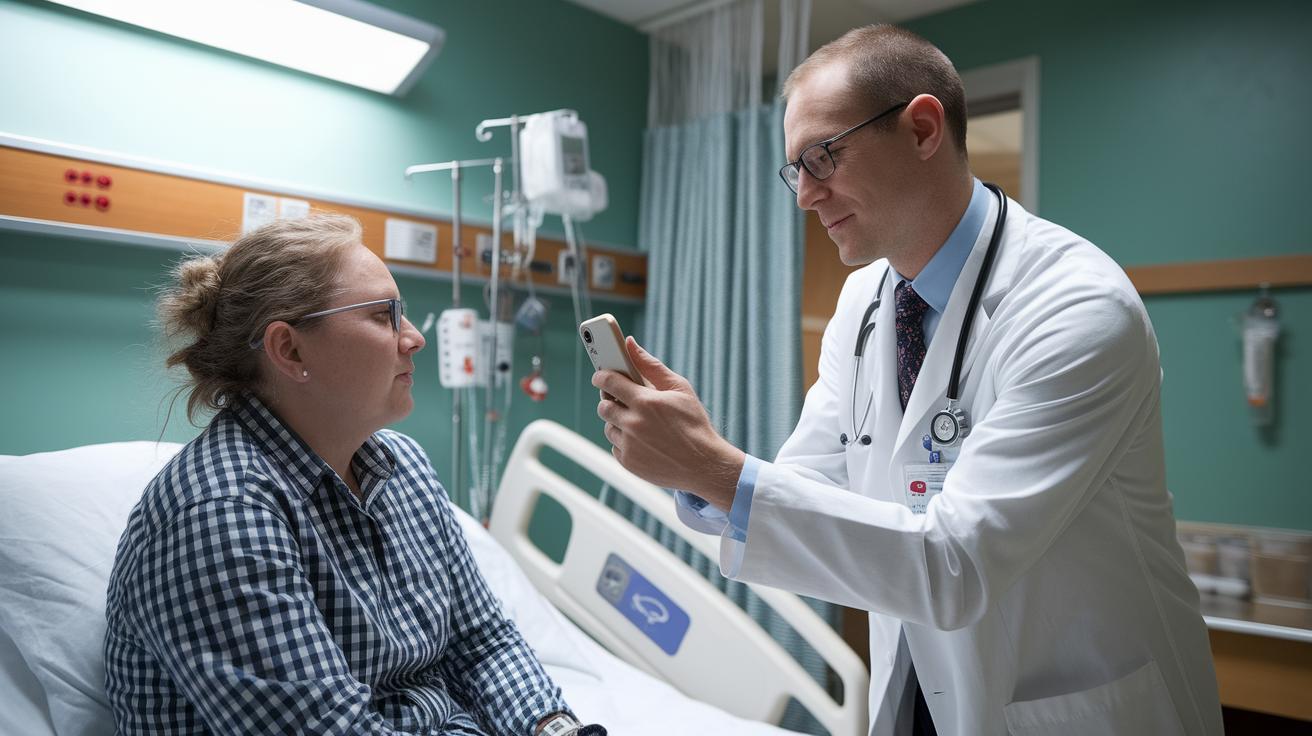
At St. Bernards Medical Center, they saw amazing changes when they started using Pulsara video calls. One report mentioned that these calls cut the time to treat strokes nearly in half, down to a record 18 minutes. This faster decision-making helps patients recover quicker and lowers the risk of complications.
Meanwhile, in Colorado Springs, the new Pulsara PATIENT tool made scheduling follow-up appointments a breeze after patients left the hospital. Digital check-ins allowed patients to connect with their care teams easily, cutting down delays and making sure care happens on time.
They also mixed in Mobile Integrated Health and Community Paramedicine programs to keep an eye on patients at home. By spotting issues early and stepping in quickly when health started to slip, these programs played a big role in lowering readmission rates and making recoveries safer.
- Streamlined scheduling with Pulsara PATIENT
- Shorter treatment times at St. Bernards Medical Center
- Extra EMS support through MIH and CP programs
All these examples show real improvements in patient care. Video consultations not only speed up treatments but also help keep patients from needing another hospital visit.
Regulatory and compliance considerations for video consultation after discharge
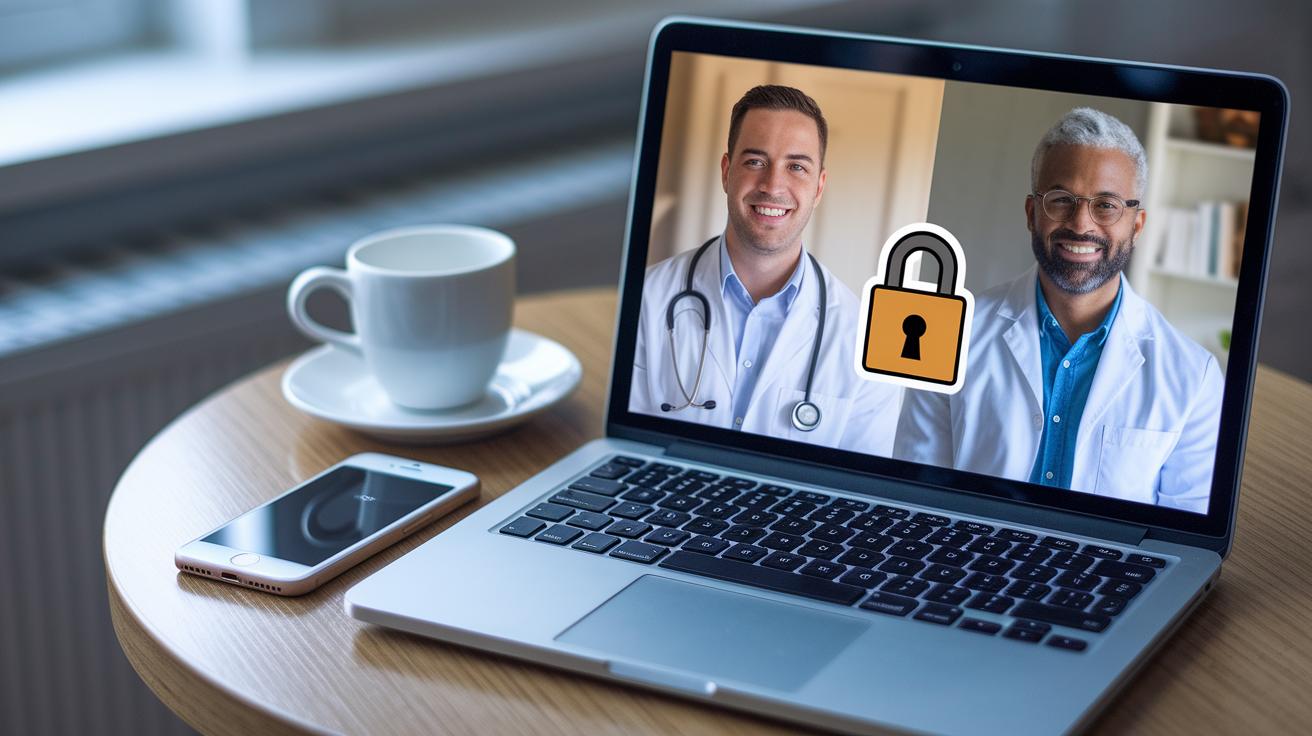
When you follow up with a video call after discharge, keeping your personal data safe is the top priority. Providers stick to clear privacy and security rules to ensure that every video session keeps patient information secure.
To meet HIPAA guidelines, video platforms must use strong security features like encryption (which scrambles your data so only authorized eyes see it) and maintain logs of who accesses or changes the data. Providers also need to follow state rules about telehealth licenses and reimbursement, so they check regularly to make sure everything lines up with local regulations.
Recording patient consent and noting every detail of a visit, as CMS guidelines require, is another must. During COVID-19, some of these rules were relaxed to help more people access telehealth. But many of those changes are only temporary. That’s why it’s important to keep up with the latest state and federal policies. And for care that crosses borders, frameworks like European Data Spaces offer extra guidelines on managing data safely.
Here’s a simple breakdown:
| Requirement | Description |
|---|---|
| HIPAA Compliance | Use encryption and maintain logs to keep patient data secure |
| State Licensure | Meet local telehealth licensing and reimbursement rules |
| Documenting Consent | Record patient consent and full visit details as per CMS guidelines |
| Evolving Policies | Stay updated on changing federal, state, and international guidelines |
Final Words
In the action, we explored how video consultation for follow-up after hospital discharge can improve care by connecting patients with clinicians in real time. We touched on benefits like lower readmission rates, necessary tech requirements, and practical ways to hold effective digital check-ups. Real-life examples showed clear improvements and positive shifts in patient outcomes. This approach not only makes healthcare more secure and efficient but also brings genuine comfort and support. Embrace the change and look forward to easier, more accessible care.
FAQ
Frequently Asked Questions
What are telehealth and remote patient monitoring?
Telehealth and remote patient monitoring work together to connect patients with clinicians through secure video consultations and monitoring devices. They help track health from home and quickly address any concerns.
What does research reveal about remote patient monitoring, its data, and clinical outcomes?
Studies indicate remote patient monitoring collects valuable data and improves clinical outcomes. Research from sources like NCBI shows that monitoring systems support timely care and reduce complications.
How does telehealth improve patient safety?
Telehealth improves patient safety by offering secure, timely check-ins and reducing errors from manual paper records. It also facilitates direct communication that helps catch issues early in high-risk patients.
How do video consultations help reduce 30-day readmissions?
Video consultations support post-discharge recovery by maintaining regular check-ins and ensuring early intervention. This continuous care helps decrease complications and trim hospital readmission rates within 30 days.
What comprises follow-up care after hospital discharge?
Follow-up care after discharge includes scheduled video consultations, symptom checks, and medication reviews. This care ensures patients understand their discharge instructions and stay on track with their recovery.
Why do doctors conduct video visits?
Doctors use video visits to provide safe, accessible follow-up care. These visits let them check progress, address early concerns, and offer immediate support, especially when in-person appointments are challenging.
What telehealth appointment details must be documented in the patient record?
All video consultations, including progress reviews, medication changes, and care plan discussions, must be carefully documented in the patient record for ongoing care management.
What is the 7-day follow-up after discharge?
The 7-day follow-up is an early post-discharge check-up, often done via video call or phone, focused on reviewing recovery progress and addressing any concerns to prevent further complications.