
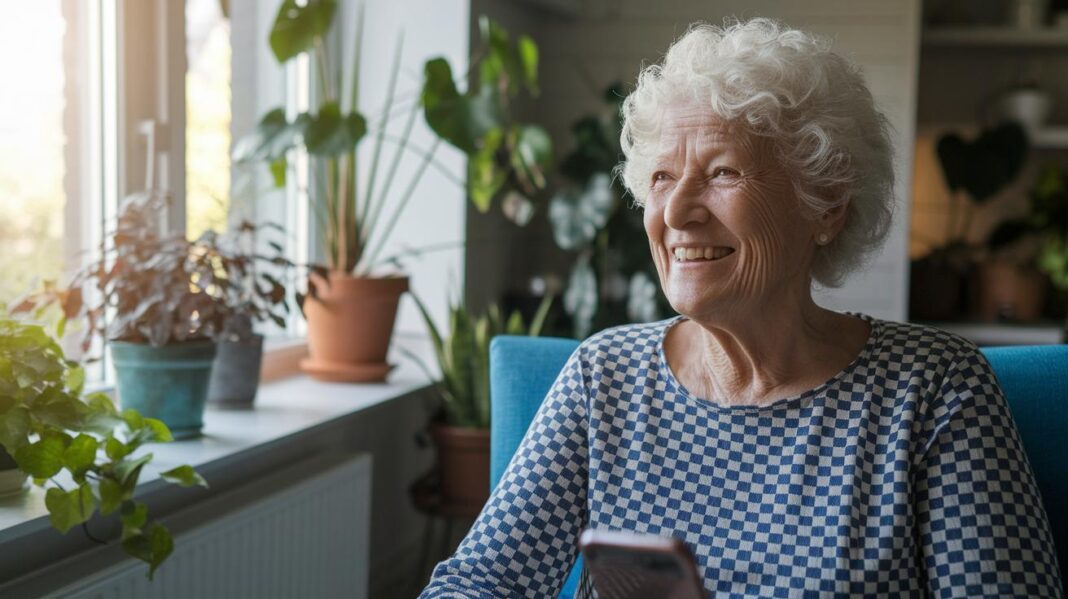

Have you ever thought that a few small changes could make you feel better every day? Imagine sitting in your favorite chair, feeling the gentle warmth of sunlight while simple habits help you stay active and enjoy nutritious meals.
This guide is full of easy ideas to help you feel steadier and happier. It shows you how a well-organized space, a balanced daily routine, and staying connected to others can give your day a gentle uplift.
Ever notice how even a tiny change in your routine can lift your mood? Keep reading to discover simple tips that can brighten your everyday life.
Quick Guide to Simple Wellness Tips for Seniors
- Make your space cozy: Set up supportive chairs and keep walkways clear. For instance, place your favorite chair by a sunny window so you can enjoy natural light every morning.
- Stick to a routine: Eat meals and do activities at regular times. This helps keep your day steady and balanced.
- Enjoy a healthy diet with enough protein: Include lean meats, beans, or tofu in your meals. Think of each meal as a little boost for your strength.
- Get 150 minutes of moderate activity each week: Whether it’s a short walk or gentle exercises, staying active can really help.
- Stay connected: Regular calls or meet-ups with friends lift your spirits and support mental well-being.
- Practice relaxation: Take a few calm moments each day to lower anxiety and feel more at ease.
- Keep your mind busy: Enjoy puzzles, reading, or learning something new to stay sharp.
- Bring a touch of nature indoors: Even a few plants or pictures of nature can brighten your mood.
- Prioritize good sleep: Aim for 7 to 9 hours each night by creating a calm, inviting bedroom.
- Maintain regular health check-ups: Routine screenings and doctor visits are key parts of staying healthy.
Simple Nutrition and Meal Planning for Senior Wellness

Eating well doesn't have to be a chore. A balanced diet means mixing different foods to help keep your joints strong, boost your energy, and support overall health. It might surprise you that many older adults struggle to get enough protein, 50% of women and 30% of men aged 71 and older aren't getting what they need. Adding lean proteins like chicken, fish, beans, or tofu to your meals makes a big difference. Plus, tossing in extra fiber, vitamins, and foods that naturally fight inflammation can help keep your body steady and strong.
Meal planning can feel like setting out ingredients for your favorite recipe. First, think about filling your plate with whole grains, fresh fruits, and vegetables every day. Then, remember that staying hydrated is key. Drinking enough water not only keeps your body balanced but also gives you a natural energy boost.
Curious about enjoying even more benefits from a balanced diet? You might check out this link for tips on healthy eating to lower cholesterol: healthy eating to lower cholesterol. This approach helps your heart stay in good shape while giving you the essential nutrients you need.
Below is an easy reference table to guide your meal planning:
| Nutrient | Recommended Daily Amount | Food Sources |
|---|---|---|
| Protein | Varies, aim for lean sources | Poultry, fish, tofu |
| Fiber | 25-30g | Whole grains, veggies, fruits |
| Calcium | 1,000-1,200mg | Dairy, leafy greens, fortified foods |
| Vitamin D | 600-800IU | Fatty fish, fortified milk, sunlight |
| Healthy Fats | Moderate amounts | Avocados, nuts, olive oil |
Easy Exercise Guidance for Seniors’ Mobility
Staying active is key to keeping your body strong. Aim for 150 minutes of gentle exercise each week. This means taking a slow walk around your neighborhood or doing a few stretches here and there. It’s a simple way to improve your heart health and lower the risk of chronic problems.
Moving at your own pace can be both fun and safe. Try doing chair-based leg lifts or simple balance exercises to boost your stability. Feel that soft stretch as you move from one exercise to the next. Low-impact aerobics are another great choice, they raise your heart rate without stressing your joints. If you’re curious, you can check out some easy routines for beginners at this resource.
Keeping a steady exercise schedule is important too. Set aside a little time each day for a walk or some light stretches at home. A daily reminder, whether it’s a note or a small alert, can help you keep on track. Over time, these little moves turn into a healthy habit that makes you feel more mobile and secure.
Mindful Stress Management Techniques for Seniors
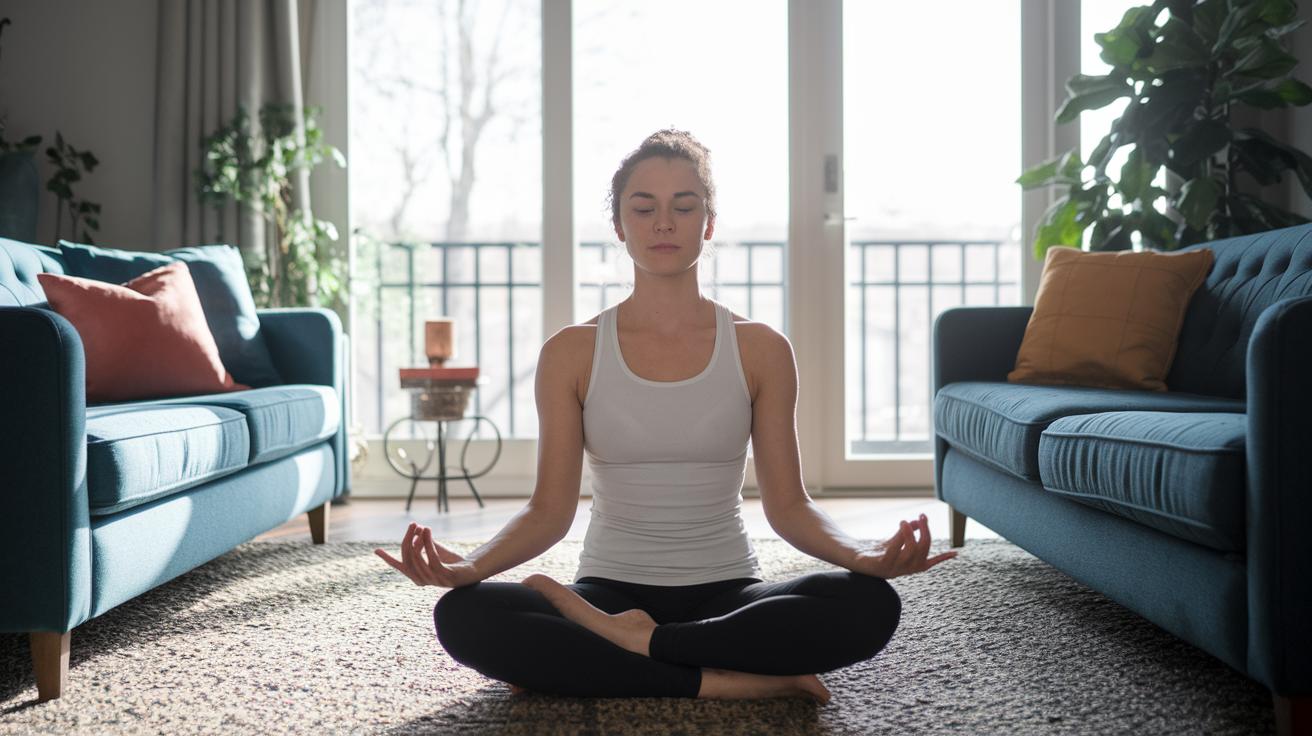
Mindfulness can really turn a busy day into a calm, centered one. Even a short burst, say, five minutes of slow, deep breathing, guided imagery, or a little meditation, can help lower blood pressure and ease anxiety. Just imagine closing your eyes, feeling the steady rhythm of your breath, and watching your thoughts float by like soft clouds. It’s a simple routine that can boost your sleep, support your immune system, and lessen those nagging aches. If you want to start, you could check out some mindfulness meditation tips to guide you.
Adding a bit of mindfulness to your day can be as easy as pausing before a meal or taking a quiet moment while waiting for your favorite TV show to begin. Picture taking a few minutes at home just to focus on your breathing. This simple pause is a reminder to be present, even on busy days. Over time, these little moments of calm can build a steady sense of well-being and brighten your entire day.
Healthy Sleep Habits to Boost Senior Wellness
Creating the right sleep space is a simple way to help you sleep better. Did you know that people 65 and older usually need about 7 to 9 hours of sleep each night? Setting a regular bedtime signals your body that it's time to wind down. A cool, dark room acts like a gentle nudge saying, "Hey, time for sleep." Cutting back on caffeine later in the day and steering clear of screens in the evening can really make a difference. Imagine the soft glow of a bedside lamp replacing bright, harsh lights, creating a quiet haven just for you.
Before you hit the hay, try a calming routine that eases both your mind and body. Maybe indulge in a bit of light reading or some gentle stretches to melt away the day's tension. Picture yourself unwinding slowly as the night unfolds around you. These small bedtime habits help guide you from wakefulness to a restful sleep. Stick with them night after night, and you might soon find that sleep comes naturally, nurturing your well-being day after day.
Social Engagement and Cognitive Stimulation for Senior Health
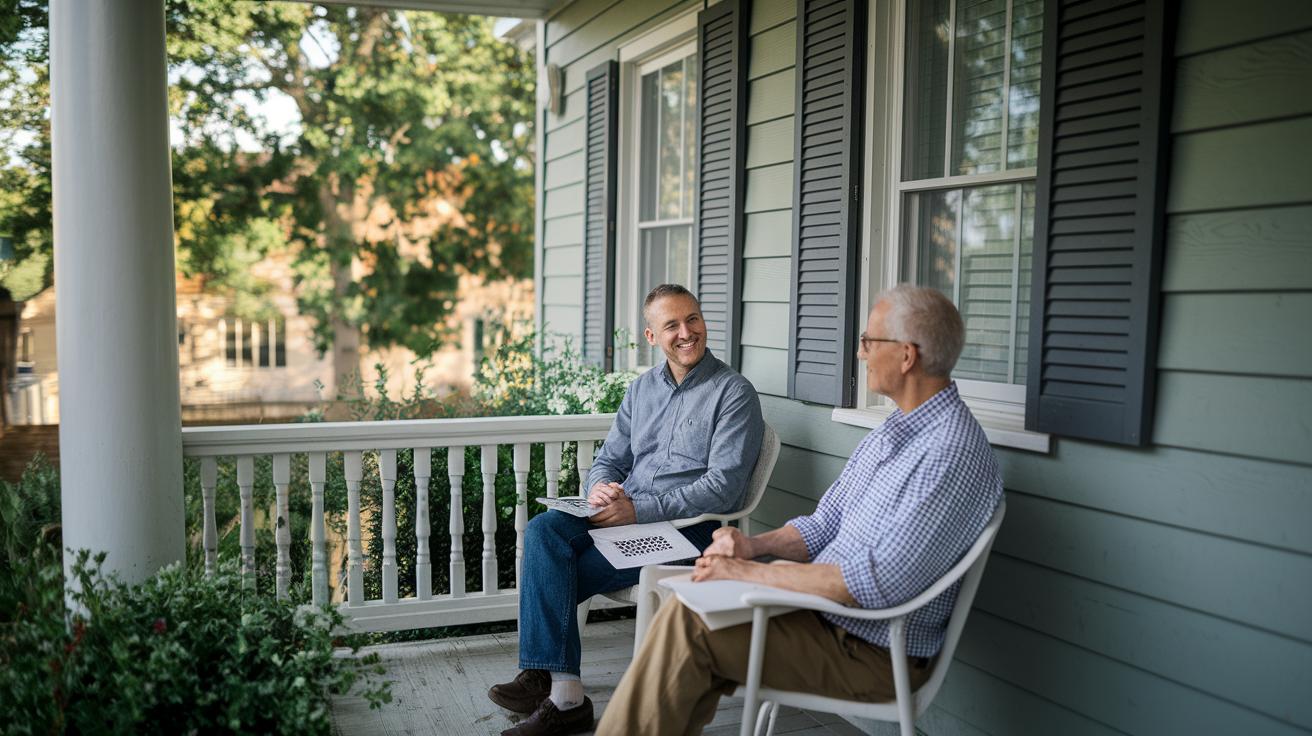
Keeping in touch with friends or neighbors can really brighten your day and help you stay well. A quick phone call or a friendly hello when you see someone can lift your spirits, lower the chances of heart troubles, and even ease anxiety. It’s amazing how a brief chat or visit reminds you that you are an important part of a caring community.
Giving your brain a little workout matters too. Enjoy a puzzle, dive into a good book, or try a new craft project. Each of these simple activities fires up your creativity and keeps your mind active. Think about the joy you feel when you finish a crossword or add a new detail to your art project. These moments of achievement help keep your brain strong.
And on days when you feel like staying indoors, consider joining a small group or club. Whether it’s a local book club or a group that gathers for gardening therapy, these activities mix social connection with mental exercise in a delightful way. For more ideas, check out budget-friendly wellness routines at home that are easy on the wallet. Every smile shared or engaging conversation is a gentle reminder that togetherness nurtures both body and mind.
Preventive Care and Safe Daily Routines for Aging Adults
Taking charge of your health is about more than just regular doctor visits, it's also about creating a safe and comfortable home environment. Sadly, less than half of people aged 65 and older keep up with all the recommended checkups. That’s why scheduling regular screenings for blood pressure, cholesterol, and bone strength is so important. A wellness planner can be a handy tool for keeping track of these appointments so nothing slips through the cracks. By setting aside time for these checkups, you might catch issues early and feel more confident tackling them before they turn into bigger problems. This proactive habit not only helps you stay independent but also boosts your overall well-being.
Small changes at home can work wonders too. Consider adding grab bars where needed, laying down non-slip rugs, and brightening up dim areas, simple tweaks that can really lower your risk of falls or injuries. These updates help create a secure space and encourage safer daily routines. By combining regular health checkups with home improvements, you build a strong foundation for a healthy, active lifestyle. It’s all about staying on top of your health while enjoying the freedom to move around safely each day.
Final Words
In the action of embracing everyday health, we covered a range of practical steps, from creating a cozy home and establishing routines to enjoying gentle exercise and mindful stress relief. Each tip is designed to help you make thoughtful changes and feel a little brighter every day. Remember, these simple wellness tips for seniors are here to guide you toward a healthier lifestyle while keeping things clear and approachable. Every step you take today brings you closer to feeling your best tomorrow.
FAQ
Q: What are some key tips for healthy aging for seniors?
A: The healthy aging advice involves creating a safe living space, sticking to daily routines with exercise and mental activities, enjoying a balanced diet, staying socially active, and using mindfulness to manage stress.
Q: What are the 7 dimensions of wellness for seniors?
A: The seven dimensions of wellness encompass physical health, emotional balance, intellectual growth, social connections, spiritual fulfillment, environmental factors, and occupational satisfaction, offering a well-rounded approach to senior health.
Q: What should a 70-year-old be doing every day?
A: Daily routines for a 70-year-old might include moderate physical activity, a balanced meal plan, engaging mental exercises, social interactions, mindfulness practices, and enough sleep to support overall well-being.
Q: What is the number one fruit that seniors should eat every day?
A: The number one fruit isn’t set in stone; many recommend fiber-packed options like apples, which provide essential vitamins and support digestion for maintaining seniors’ nutritional needs.
Q: What are the three basic needs of an older person?
A: The three basic needs for older adults include maintaining physical health, nurturing emotional and social connections, and having a secure, comfortable living environment that supports daily life.