


Have you ever wondered if your online doctor visit is truly private? Video calls with your doctor share sensitive details, and that information deserves extra care, like guarding a treasured secret in a locked drawer. It might surprise you that just a few simple steps can really make a difference. In this guide, I'll share down-to-earth tips to help keep your medical information safe from prying eyes. So, let’s dive into some easy ways to protect what matters most during your next video appointment.
Key Privacy Tips for Secure Video Consultation in Telehealth

Telehealth connects patients and providers through video calls, which makes keeping your private information safe more important than ever. Each call can share sensitive health details, known as electronic protected health information (ePHI, which means your private health data stored electronically). Even small security changes can go a long way in keeping that data secure, as recommended by the US Department of Health & Human Services.
Your privacy is more than a box to check off, it’s about making sure everyone in the session feels protected. Using secure practices helps lower the risk of bad actors getting unauthorized access or causing a data breach. It’s like locking your door at night; a few simple steps can really help you sleep better knowing your data is safe.
Here are some simple steps to follow:
- Verify that your telehealth platform meets HIPAA compliant online visit standards.
- Choose strong, memorable passwords and think about changing them regularly.
- Hold your video sessions in a private space to avoid interruptions.
- Confirm the identities of all participants before you start each session.
- Check your device settings and limit permissions to only what is necessary.
- Activate automatic logout or timeout features when you are inactive.
- Review and update your security settings often to keep up with new privacy guidelines.
Encryption Strategies for Video Consultation Privacy in Telehealth
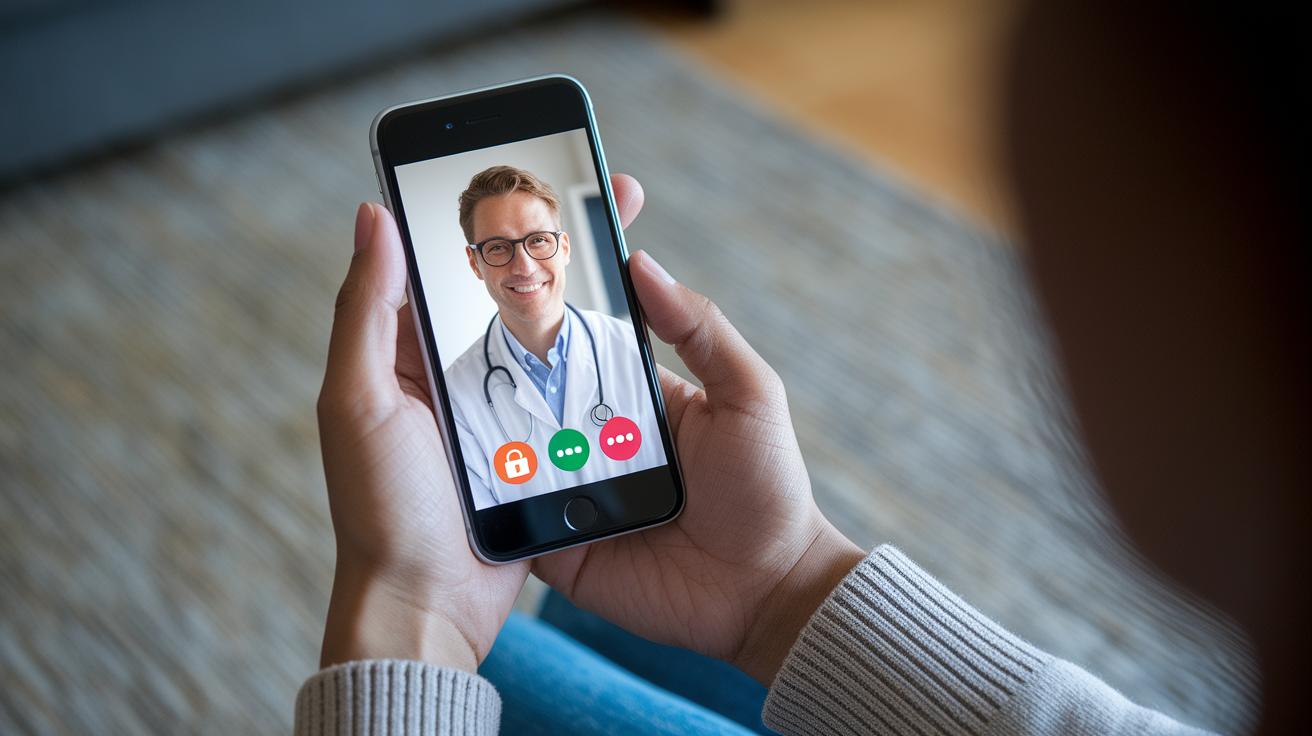
When you're on a video call with your doctor, strong encryption is key to keeping your private health details safe. Many telehealth systems use end-to-end encryption, which means your data is scrambled from the moment it leaves your device until it reaches the other side. They also use techniques like Transport Layer Security, a method that protects data as it travels, and add encryption right on your device. This combo makes sure your health information stays secure during the call.
Both patients and providers should know that not every encryption method is built the same. Many telehealth platforms let you adjust their settings so you get the right level of protection. It’s smart to check that your chosen service meets current industry standards and has features to block unwanted access. These simple steps help everyone feel confident about the privacy of their online visits.
End-to-End Encryption
End-to-end encryption means your data is locked from the moment it leaves your device until it safely reaches its destination, stopping any sneaky third parties from peeking in. Always opt for platforms that stick to trusted industry standards.
Secure Software Providers
Choose telehealth services that regularly invite outside experts to review their encryption measures and share the results. This open approach builds trust in the system’s ability to guard your information.
Authentication Protocols for Telehealth Video Consultation Privacy
Telehealth video calls need careful security measures to protect everyone's privacy. A strong password is the first step. Mix upper and lower case letters with numbers and symbols. And don't forget to change your password often to reduce risks if it ever gets compromised. This routine follows U.S. HHS guidelines and makes your digital meeting safe from the start.
Multi-factor authentication makes things even more secure. It adds an extra check beyond just your password, using something like SMS codes, authenticator apps, or hardware tokens. This way, even if someone gets hold of your password, only you can access your session. It really builds trust in preserving the privacy of your telehealth session.
Finally, features like role-based access controls, clear activity logs, and automatic timeouts add extra layers of safety. They assign the right permissions to everyone and sign users out after a period of inactivity. Platforms with these robust protections, including HIPAA-approved systems, help providers manage access while keeping sensitive health information secure.
Secure Technology Setup for Video Consultation Privacy in Telehealth
Using public Wi-Fi for your video calls can be risky. Public connections may let sneaky eyes intercept your data. Instead, try using an encrypted network or a VPN (a tool that scrambles your data, making it hard for others to read it). It’s a simple step that protects your sensitive health information and gives both patients and providers peace of mind.
Your device is like the front door to your personal health data. Regular updates for your operating system and apps patch up vulnerabilities, keeping cyber threats at bay. Also, using trusted antivirus software and checking for updates on your webcam and headset are great ways to strengthen your device’s defenses. These routine steps make sure your telehealth sessions stay private and secure.
When choosing a telehealth platform, look for one that meets HIPAA requirements. Find vendors who perform regular security checks and have strong audit processes. Platforms that work closely with both clinical and IT teams show they take digital communication seriously. Verifying these security protocols reassures everyone that their virtual care is managed with safety at its core.
Compliance and Policy Guidelines for Telehealth Video Consultation Privacy

Meeting today’s legal rules is key for keeping patient information safe during telehealth visits. Providers need to follow HIPAA, HITECH, and state laws so that sensitive data (known as ePHI, or electronic personal health information) stays protected. It’s all about using strong encryption and data security methods that even shape future funding based on the 2023 cybersecurity benchmarks.
Following these rules not only saves patient info but also builds trust with regulators. Regular updates and internal reviews help create a secure digital space. Next, have a look at this table that outlines three important mandates for digital care:
| Regulation | Key Requirement | Deadline |
|---|---|---|
| HIPAA | Encrypted ePHI transmission | Ongoing compliance |
| HITECH | Audit trails and breach notifications | As incidents occur |
| 2023 Fed Cyber Standards | Network and platform security | 2023 funding requirement |
Keeping up with audits and compliance checks also cuts down on privacy risks in telehealth consultations.
Staying on top of new policies helps bridge the gap between tech and regulations. Regular staff training and quick policy reviews spot any gaps early. By committing to ongoing improvement, telehealth services can offer secure online visits without compromising patient trust.
When organizations stick to these guidelines, they show clear and honest practices that lay the groundwork for lasting digital health security. Every day, this dedication makes a world of difference.
Patient and Provider Privacy Awareness for Telehealth Video Consultations

When you join a video call with your doctor, taking steps to protect your privacy is really important. Try holding your session in a quiet room where you won’t be disturbed. Use your mute button when you're not talking and maybe even put on a simple headset so your chat stays between you and your provider. Also, check your camera settings so only what’s needed is shown, and make sure nothing personal is in the background. These little actions go a long way in keeping your private details safe.
On the provider side, making sure the consultation space feels secure is also key. A neat, professional-looking background with clear signs that the session is private helps signal trust to everyone in the call. Providers should keep an eye out during the call for any unexpected noises or faces that don’t belong. This kind of careful watching helps catch problems early and keeps the conversation secure. It builds a sense of safety and trust, so both you and your provider feel confident.
- Check your camera angle so only the needed area is visible.
- Use noise-cancelling headsets to lower background sounds.
- Lock the door to keep your space private.
- Make sure you know who is on the call before you start.
- Log out right after the session to keep your access safe.
Monitoring and Auditing for Video Consultation Privacy in Telehealth

Automated session-logging tools work non-stop to capture key details about your telehealth sessions. They record useful info like timestamps, user IDs, and access attempts, creating an easy trail to follow if anything seems off. Real-time alerts also help by flagging unusual access or activity as it happens. This proactive style lets tech teams catch problems right away so they can fix issues before any harm is done.
Regular checks and clear records are just as important. Built-in logging features feed into incident response plans, making it simpler to investigate and contain any privacy issues that come up. On top of that, regular security reviews, think of routine vulnerability scans and policy audits, add another layer of protection to keep video consultations secure.
Session Logging
It’s best to record details like timestamps, user IDs, and access attempts so you can quickly spot anything unusual.
Incident Response Planning
Set up clear steps to look into, contain, and report any potential privacy breaches without delay.
Periodic Security Reviews
Keep regular vulnerability scans and policy audits on schedule to ensure you stay compliant and your sessions remain safe.
Final Words
In the action, we highlighted key measures for secure video consultations in telehealth. We broke down steps like using robust passwords, verifying identities, and setting up encryption while stressing the importance of both patient and provider practices.
We explored practical advice on creating safe digital health interactions and maintaining audit trails. Embrace these privacy tips for video consultation in telehealth and feel confident moving forward with secure, accessible care every day.
FAQ
Privacy tips for video consultation in telehealth pdf
The privacy tips for video consultation in telehealth pdf recommend using strong passwords, secure platforms, and private settings. These measures help protect personal health information during digital consultations.
Privacy tips for video consultation in telehealth covid 19
The privacy tips for video consultation in telehealth covid 19 point to secure settings like robust passwords and private spaces. These guidelines help keep patient data safe during virtual appointments.
Privacy and security concerns in telehealth
The privacy and security concerns in telehealth emphasize risks to electronic health records. Practical steps include using encryption, multi-factor authentication, and verifying user identities to maintain data integrity.
Telehealth security and privacy
The telehealth security and privacy guidelines advise using encrypted platforms and strict access controls. Following these tips reduces risks, ensuring both provider and patient information remains confidential.
What is remote monitoring in telehealth
The concept of remote monitoring in telehealth involves digitally tracking health information outside regular care settings. It uses secure systems to collect and share data, making health management more accessible.
Privacy and security risk factors related to telehealth services a systematic review
The systematic review of privacy and security risk factors in telehealth services highlights potential vulnerabilities like weak encryption and access issues. Adopting robust security measures is key to protecting patient data.
HIPAA and Telehealth
The HIPAA and telehealth discussion centers on strict guidelines to protect patient data. Telehealth platforms follow HIPAA by using encrypted transmissions, role-based access, and regular audits to keep information secure.
Telehealth and patient safety
The conversation about telehealth and patient safety links secure digital practices with better care. Using encryption, multi-factor authentication, and secure technology setups are essential for protecting both sensitive information and patient well-being.