
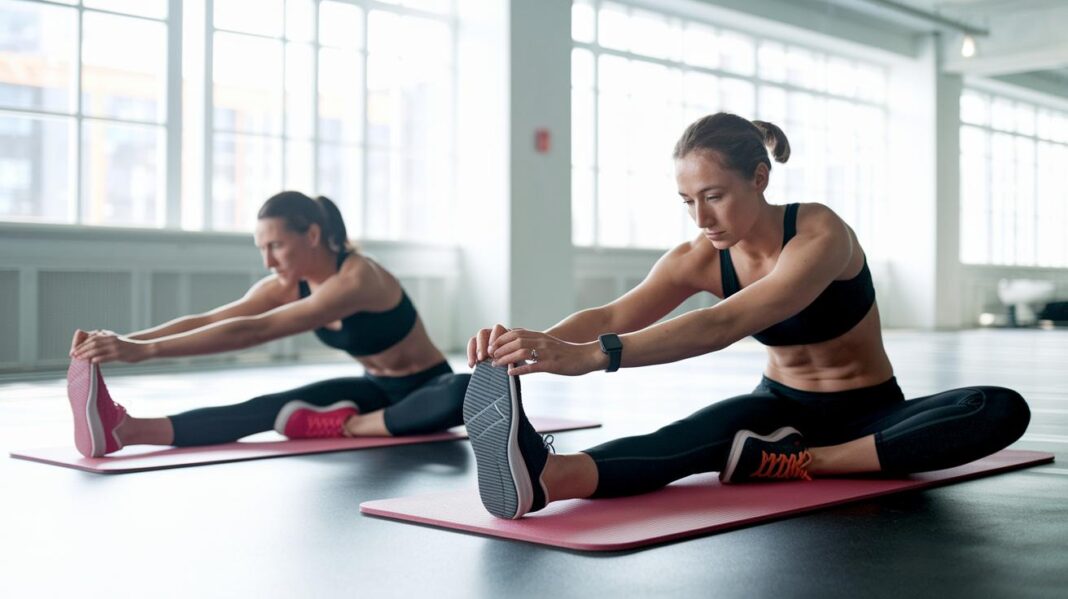

Ever get stuck in a fitness rut, even after spending hours at the gym? Small changes can bring a burst of energy and boost your overall well-being. Imagine taking a quick 20-minute walk at lunch or swapping your chair for a standing desk for a few hours.
In this post, we share three easy tips you can fit into your day to help you feel energized and stronger. Curious how these little shifts can brighten your mood and lift your fitness? Read on to see how simple changes can make a big difference.
Fundamental Physical Wellness Strategies to Boost Fitness
You don’t need long gym hours to feel great. Instead, try mixing simple active habits into your day. For example, switching to a standing desk halfway through work helps burn extra calories and eases neck and shoulder tension. It’s a small change that can make a big difference in your overall well-being.
Take a 15- to 20-minute walk during lunch. A short stroll adds steps to your day and lets you enjoy being outdoors. Next, consider taking a longer route to your usual spot. Imagine choosing a scenic, winding street instead of a direct path, the extra steps build endurance and improve posture, one stride at a time.
Keep workout gear visible at home. Lay out a yoga mat, some light weights, or resistance bands where you can see them. This simple trick can spark impromptu exercise sessions during your day. Even household chores like sweeping, vacuuming, or gardening count as activity, helping to strengthen your core and keep you moving.
Physical Wellness Through Cardiovascular and Aerobic Conditioning

A heart-healthy plan can be as simple as taking a brisk 30-minute walk most days. You can even break it up into smaller segments, like a handy 15- to 20-minute stroll during lunch, to keep your body active. Imagine stretching your route a little more each time; those extra steps can boost both your endurance and energy.
Mixing in intervals is another great idea. For instance, try a pattern of 1 minute of jogging followed by 2 minutes of walking. This simple switch helps get your heart pumping higher and builds up your stamina bit by bit, giving your body that refreshing kick it needs throughout the day.
Before you dive into your workout, spend a few minutes on dynamic warm-ups, think leg swings or arm circles. Checking out some online warm-up exercises can be a good starting point. Warming up properly means every step and jog feels smoother and more natural.
Whether you pick a steady walk or mix in some intervals, every bit of movement adds up. Small, regular sessions can really make a big difference when it comes to strengthening your heart and boosting your overall energy.
Building Strength and Endurance: Physical Wellness Workouts
Resistance training is a great way to boost your energy, stamina, and even your mood. It feels like giving your body a little nudge to get moving. Try mixing in bodyweight exercises with light weights, think 5-lb dumbbells or resistance bands, to build strength all over.
Imagine doing a circuit where you spend 30 seconds on squats, then 30 seconds doing lunges, and finish off with 30 seconds of push-ups. Take a short, 15-second break between each move. It’s simple and really works multiple muscle groups at once.
Set up your routine as a small circuit of three to four exercises. Work each move for about 30 to 45 seconds, then take a quick rest. This keeps your heart jumping while you build strength, even if you're just at home, maybe while dinner cooks or during a brief break.
And remember, everyday activities like vacuuming or gardening can double as mini workouts. They get your muscles moving and build endurance without you even noticing. Every little effort counts, and soon you'll notice a boost in your agility, balance, and overall performance.
Boosting Flexibility and Recovery for Physical Wellness
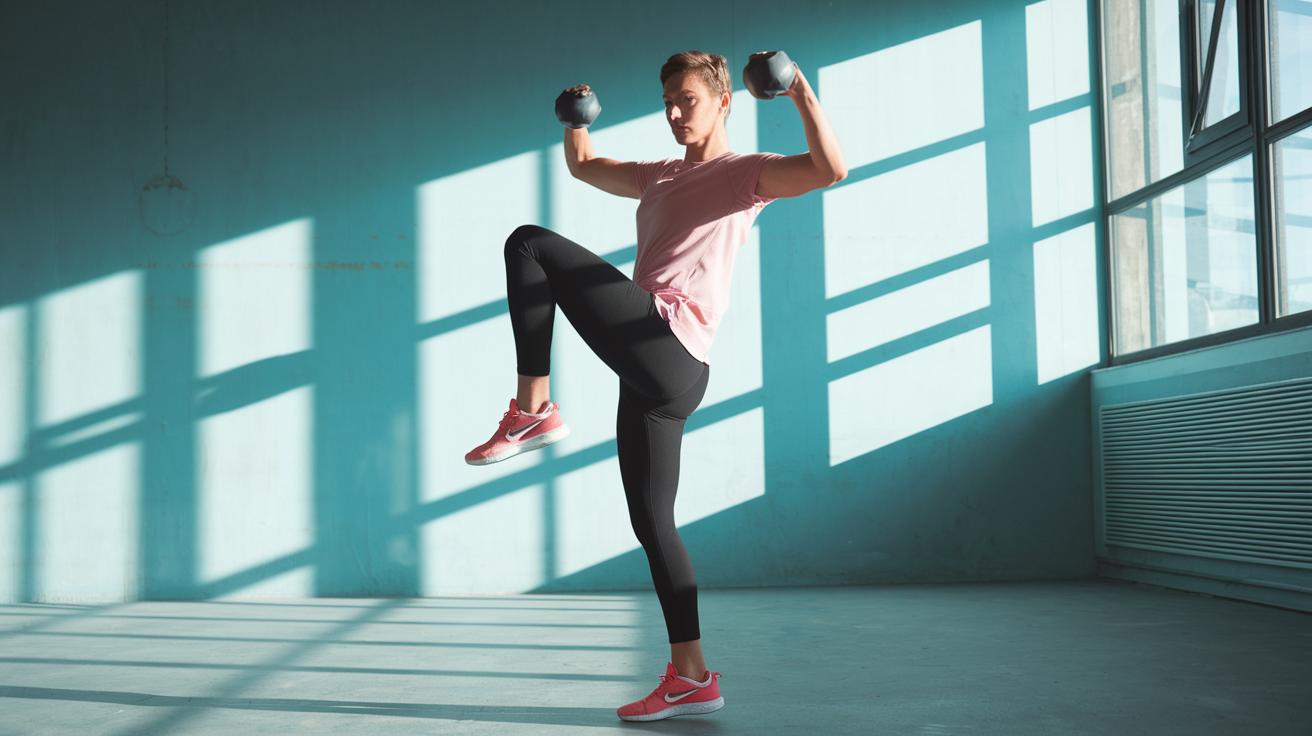
Before you work out, give your muscles a little wake-up call with some dynamic stretches. Try simple moves like leg swings or arm circles for about 30 seconds each. These fun, easy exercises help get blood flowing and make your body ready for the workout ahead. Think of it as a quick warmup that smooths out every step you take later.
After exercising, take a few moments to gently stretch each major muscle group. Hold each stretch for 20 to 30 seconds. For instance, after a brisk walk, you might lean against a wall and stretch your quads until you feel the tension slowly fade away. This calm, relaxing cooldown can ease stiffness and help your muscles recover.
Lastly, try foam rolling to keep your muscles happy. Roll slowly over your calves, quads, and back to ease away any tight spots. This simple technique not only helps you recover better but also gets you ready for your next bout of activity. It’s like giving your body a little massage to keep it performing its best.
Nutrition and Hydration Fundamentals for Physical Wellness
Start your day by filling your plate with a rainbow of fruits, veggies, and whole grains. These foods not only help lessen the chance of chronic illnesses but also lift your mood. Eating every 3 to 4 hours can keep your energy steady throughout the day. For example, you might enjoy a bowl of mixed berries with whole-grain cereal after your morning workout or a fresh salad with leafy greens and lean protein at lunch.
Adding lean protein like chicken or beans supports your muscles after exercise. Mixing plant and animal proteins can make your meals feel satisfying and varied. Think of each meal as a small moment to care for yourself. Try keeping an eye on portion sizes and practicing mindful eating, maybe pause before that extra serving and ask yourself, “Am I really hungry?”
Staying hydrated is just as important. Aim to drink 8 to 10 cups of water each day. Water helps regulate your body temperature, lubricate your joints, and keep your metabolism moving. Having a water bottle nearby during workouts can gently remind you to sip throughout the day, keeping you both refreshed and alert.
These simple tweaks in meal planning and hydration can boost your overall health. Enjoy making meals that satisfy both your hunger and your senses, and remember that every little step is a way to show your body some love.
Lifestyle Habits for Sustained Physical Wellness

Getting enough sleep is super important to help your body repair itself and keep your defenses strong. Aim for 7 to 9 hours each night so your cells can refresh and you wake up ready to take on the day. A cozy room with gentle, dim lights and a calming routine before bed, like reading a favorite book, can help you drift into a deep, peaceful sleep.
Reducing stress is a big part of feeling good over the long run. Try simple mindfulness or breathing exercises when you feel the pressure building up. Even pausing for a minute or two to focus on your breath can clear your mind. Imagine taking a short mindful break right after finishing a busy task, it might feel like a quick reset that makes tough moments a bit easier.
A neat trick for keeping new habits is to link them with routines you already do. For example, you might do a few stretches or a couple of push-ups right after you sip your morning coffee or brush your teeth. This small habit can build momentum without feeling like extra work.
- Write down your progress in a journal every day.
- Track your sleep and exercise habits using a daily log.
- Share your small wins with a friend or family member.
You can even use a progress tracking tool like the fitness tracker app to log your activity and rest. This way, you get to see how little changes add up over time.
Lastly, leaning on friends, family, or community groups can make this journey feel a lot less lonely. Sharing your ups and downs not only keeps you accountable but also brings a sense of connection to your daily routine.
Final Words
In the action, we've explored small steps that make a big impact on physical wellness. We covered routines that mix home workout ideas, sustainable exercise regimens, and outdoor activity suggestions to boost both heart rate and strength. We also touched on stretches and cool downs that keep you feeling fluid and fresh. Balanced nutrition and proper sleep round out our discussion. All these physical wellness tips for fitness make it simple to add intentional movement to everyday life. Keep embracing practical steps and enjoy the positive results on your health.
FAQ
Frequently Asked Questions
What are some practical daily fitness tips and trends from recent years?
Daily fitness tips include simple movement habits such as short walks, active chores, and using home workout gear. These strategies make exercise accessible and easy to incorporate into everyday routines.
What are the 5 best ways to improve physical fitness?
The 5 best ways to improve fitness include regular movement throughout the day, balanced resistance and cardio workouts, proper warm-ups, a nutritious diet, and ensuring adequate rest and recovery.
What moderate exercise examples are recommended and how do they vary by age?
Moderate exercises include brisk walking, cycling, and light resistance training. Age-related recommendations suggest adjusting intensity, duration, and rest to match individual fitness levels and physical abilities.
What body fitness tips are available for females?
Female fitness tips focus on balanced workouts incorporating strength, cardio, and flexibility. Emphasizing ergonomic movements, a nutritious diet, and manageable routines supports overall health and the unique strength needs of women.
What is the 3 3 3 rule for working out?
The 3 3 3 rule means performing three sets of three exercises with manageable reps in each set. It encourages balanced movement, promotes muscle endurance, and is easy to integrate into short workout sessions.
What is the 4 8 12 rule in workouts?
The 4 8 12 rule refers to starting with four basic exercises, progressing to eight by increasing intensity, and finishing with twelve reps per exercise. This structured approach helps build strength and maintain a steady workout progression.
What does the 70/30 rule in the gym mean?
The 70/30 rule means spending 70 percent of your workout on moderate-intensity activities and 30 percent on high-intensity bursts. This balance is designed to optimize fat burning while boosting overall endurance and heart health.