


Ever thought your everyday diagnostic tool could work smarter instead of harder? Mobile diagnostic devices are giving both service centers and individual users a boost. They log live data, check sensors, and show error readings clearly.
These tools are easy to use, fast, and don’t cost a fortune. In this post, we look at five top tools to help you find the best mix of affordability and performance. Ready to discover how the right mobile tech can light up your work?
Mobile Diagnostic Tools and Technology: Feature Comparison of Leading Devices
Mobile diagnostic tools are chosen mainly for their cost. Providers need devices that cost around $100 to $500 and come with handy features. These include live data logging, sensor calibration, and error code interpretation. Such features boost productivity and help service centers and workshops speed up their work.
Manufacturers are in a race to offer the best portable diagnostic tools. One device might show real-time sensor data, while another offers a user-friendly app for Android and iOS. Each tool is built to fit different needs, from busy service centers to a quick check for individual users. Next, see a comparison of five top devices:
| Device Name | Connectivity | Platform Support | Price Range | Key Features |
|---|---|---|---|---|
| ScanMaster Pro | Bluetooth | Android, iOS | $120–$250 | Live data logging, error code interpretation |
| AutoDiag Elite | Wi-Fi, Bluetooth | Android, iOS | $300–$500 | Sensor calibration, diagnostic reporting |
| MobileCheck 360 | USB, Bluetooth | Windows, Android | $100–$200 | Comprehensive scans, real-time analysis |
| DiagTech Lite | Bluetooth | Android, iOS | $150–$300 | Error code readout, basic calibration |
| SmartScan X | Wi-Fi | Android, iOS, Windows | $250–$400 | Advanced diagnostics, customizable test routines |
There are advantages and drawbacks with these tools. On the plus side, they offer competitive pricing, multiple connectivity options, reliable live data, solid error interpretation, and work across many platforms. On the downside, calibration precision can vary, some models may not be compatible with all vehicles, software may prove tricky at times, and the user interface can look a bit different from one device to the next.
Mobile Diagnostic Tools and Technology: Evolution from Manual Checks to Automated Platforms

Not long ago, car diagnostics meant doing everything by hand. Back then, a technician would use a careful eye and basic code readers to check a car’s health. On May 7, 2025, experts pointed out that we’ve come such a long way, from simple visual scans to fully automated systems that speed up work and cut down errors. In the old days, techs had to patiently run full vehicle scans and check hidden parts, a job that needed both skill and time.
As cars became more advanced, people realized a more systematic approach was needed. Then, third-party diagnostic software came along to connect different parts of a car, making those old manual routines less common. Soon, automated systems took charge, making it easier and quicker to spot issues with far fewer hands-on checks.
Key milestones in this journey include:
| Step | Description |
|---|---|
| 1 | Manual visual inspections based on a technician’s expertise |
| 2 | Introduction of basic code readers for spotting key faults |
| 3 | Use of third-party software for systematic vehicle assessments |
| 4 | Shift to automated platforms that reduce manual checks |
| 5 | Inclusion of wireless data streaming and smart interfaces for live analysis |
With these changes, workshops can skip repetitive tasks and focus on quality care. Automated diagnostics now deliver faster, more precise results, making routine checks smoother in busy service centers. Isn’t it amazing how technology can transform the way we care for our vehicles?
Mobile Diagnostic Tools and Technology: Handheld Engine Analysis and Wireless Auto Scanning
Today’s handheld scanners are a game changer for checking engine health. They connect without wires using Bluetooth or Wi-Fi (a way to send data without cables), so you get live sensor readings on your Android or iOS devices. Data comes in fast, almost like getting a quick text message, allowing technicians to see how a vehicle is doing in nearly real time. These tools also read fault codes to spot hidden issues quickly, letting you jump in for repairs right away. Plus, you can set up to 10 test routines to match a car’s specific needs, which makes the whole process both smart and flexible.
These gadgets cut out the long waits tied to older methods. With wireless connections, there’s no need for bulky cables or stuck-in-one-place equipment. This freedom means that technicians can check on more vehicles without wasting time. For example, a speedy scan on a busy service day might flag a small misfire or a sensor that is starting to act up before it turns into a major, expensive problem.
Common use cases include:
- Fast checks for engine misfires
- Live monitoring of emission systems
- Quick detection of sensor failures
- Customized test routines for each vehicle’s needs
- Pre-trip inspections for commercial vehicles
- Remote troubleshooting during on-site service visits
Mobile Diagnostic Tools and Technology: Smartphone Integration and Cloud-Based Interfaces

Smartphone diagnostic apps now connect easily with your vehicle through Bluetooth APIs, meaning your phone can chat straight with the car’s engine control unit (its little brain). Data zips in seconds, and a cloud-based system logs any errors automatically. This quick info flow helps technicians zero in on issues fast, cutting down repair times and keeping downtime to a minimum.
One cool benefit is remote troubleshooting. Imagine checking your car’s health without stepping into the shop. I remember one busy technician who spotted a tricky engine glitch right from his phone. The app synced the data instantly with his workshop system so he could adjust appointments on the fly.
Here’s a simple 3-step way to get started:
- Turn on Bluetooth on your smartphone and connect to the car’s ECU.
- Open the diagnostic app and pick the cloud reporting option to log errors.
- Follow the prompts to sync the data with your workshop management system.
This setup gives you immediate access to key vehicle information. The cloud neatly organizes the details, making remote fixes easier than ever. With fast error detection and streamlined data sharing, technicians spend less time doing manual checks and more time delivering top-notch service. Plus, this smart integration boosts confidence in solving issues quickly, lighting the path toward a smoother, more connected diagnostic process.
Mobile Diagnostic Tools and Technology: Real-Time Performance Evaluation and Remote Monitoring
Telematics-based monitoring is a real game changer. It’s like having a health check-up for your car every single second. You get constant updates that make it feel like your vehicle has its own heartbeat monitor. This helps service centers catch little hiccups before they turn into big problems.
Thanks to this constant flow of information, technicians get instant alerts when something seems off. For example, if the engine temperature suddenly shoots up or the battery starts to drop unexpectedly, you’re alerted right away. That quick response helps keep vehicles running safely and smoothly, whether you’re managing a fleet or working in a busy workshop. Plus, automatic error logging captures every detail as it happens, giving you a clear timeline to work from.
Key Health Metrics Tracked:
| Metric | Description |
|---|---|
| Coolant Temperature Spikes | Catches overheating early on |
| Battery Voltage Drops | Prevents sudden power failures |
| Emission Fault Alerts | Keeps the vehicle within environmental standards |
| Continuous Engine Data | Provides ongoing insight into overall performance |
By relying on these real-time updates, workshops and fleet managers can plan ahead rather than waiting for a breakdown. It gives them a live picture of a vehicle’s health, which means less downtime and smoother operations. In truth, this modern approach not only boosts efficiency but also enhances safety, showing how smart technology is transforming vehicle diagnostics every day.
Mobile Diagnostic Tools and Technology: Pricing, Compatibility, and Selection Guidelines
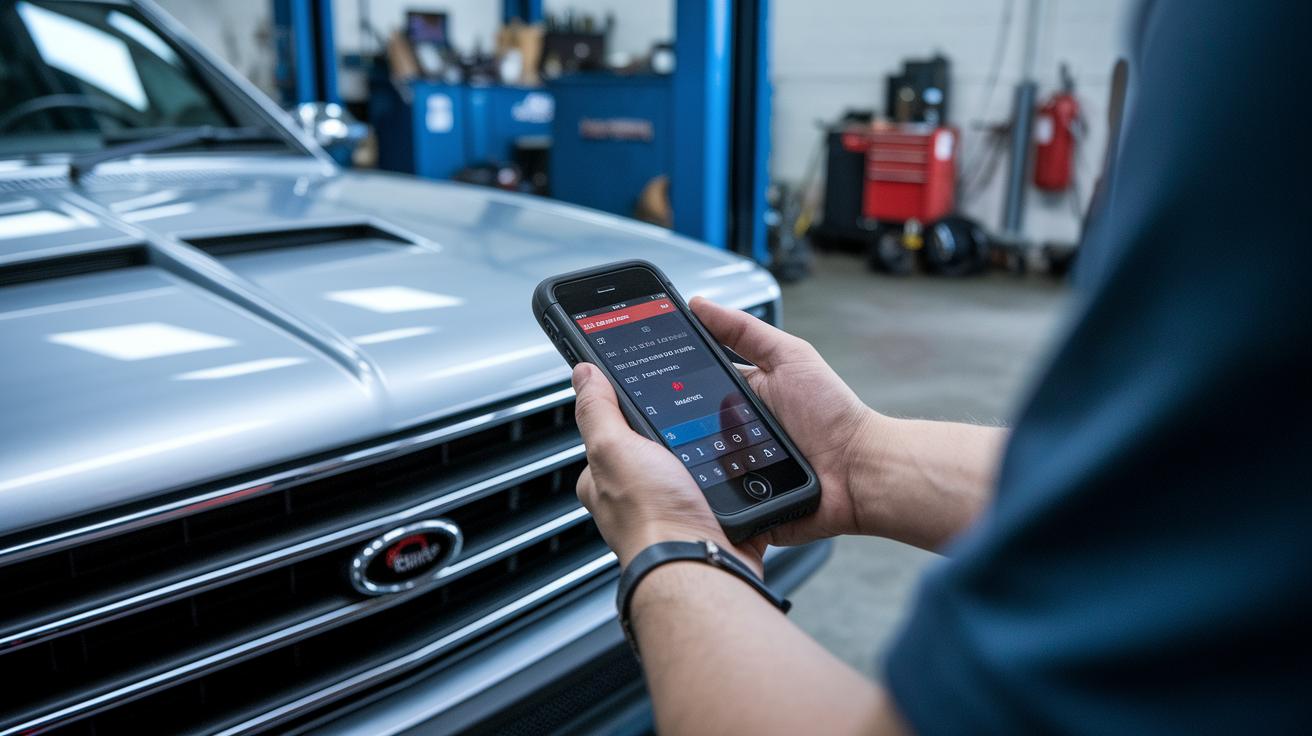
When you're picking a tool to check your car's health, it's good to think about your budget and your car's needs. You can find simple devices around $30 that show basic error codes, or you might spend up to $1,000 for professional kits that work with many car brands. If you're watching your spending, a DIY auto tester could be perfect for spotting small issues like sensor glitches or error signals. These tools are designed for quick at-home fixes.
If you need more features, a pricier kit can add extra functions like data logging. In other words, it keeps track of your car's performance over time. And if your car or repair shop deals with several models, it's important that the tool works with different manufacturer systems. This way, whether your vehicle is a common model or something unique, the tool will capture all the error codes and record data accurately.
Taking these points into account will help you choose a diagnostic tool that fits both your budget and technical needs. Next, check out this list to see if a tool is right for you:
- Make sure it supports the manufacturer systems you need.
- Check that it works with your car models.
- Look for both error code reading and data logging features.
- Compare its price with your budget.
- Confirm it’s simple enough to use at home.
Mobile Diagnostic Tools and Technology: Future Trends in AI-Driven and Cloud-Interfaced Diagnostics
Imagine your car giving you a friendly heads up before any issues occur. In the near future, mobile diagnostic tools will use smart AI and machine learning (tech that helps computers learn from data) to spot problems early. This means a technician can step in before a tiny glitch turns into a big headache.
Next, picture a system where your workshop can tap into live data from anywhere. Cloud-based setups will let you perform remote tests and check your vehicle’s stats in real time. It’s like having a constant, gentle reminder that everything is running smoothly.
Here are some trends you can look forward to:
| Trend | Description |
|---|---|
| AI Alerts | Smart models that predict issues before they cause trouble. |
| Remote Monitoring | Cloud systems that provide real-time vehicle data from anywhere. |
| OEM Integration | Smoother links with original equipment systems for instant diagnostics. |
| Next-Gen Scanners | Improved tools that boost accuracy and cut downtime. |
These advances promise a shift from reactive repairs to proactive care. It’s almost like having a trusted friend who keeps a constant eye on your car, ensuring smoother rides and fewer unexpected stops along the way.
Final Words
In the action, our discussion took you through a sneak peek at mobile diagnostic tools and technology. We looked at how these tools compare, marking the shift from manual checks to automated systems with smartphone and cloud smart setups. Each section showed clear details on pricing, compatibility, and even future trends powered by AI and remote monitoring. The blog offered relatable insights that match a busy lifestyle while keeping health and auto care simple. Enjoy using these tools to streamline your workflow and keep everything running smoothly.
FAQ
What are portable diagnostic devices and how are they used in healthcare?
Portable diagnostic devices in healthcare are small tools that quickly assess health conditions. They check vital signs, run simple tests, and help doctors make immediate decisions in various settings.
What portable medical devices are available on the market?
A range of portable medical devices includes heart rate monitors, handheld EKG machines, mobile ultrasound scanners, and compact diagnostic kits, all designed to deliver fast and easy health assessments.
What phone diagnostic software can be used on a PC?
Phone diagnostic software for PC, including free versions for Android, helps scan your device, check performance, and resolve issues by connecting your mobile to your computer, making troubleshooting simple.
What new medical diagnostic devices are emerging?
New medical diagnostic devices are combining modern technology with smart sensors and cloud features to provide more accurate tests, faster results, and the ability to monitor health remotely.
What is M360 Diagnostics?
M360 Diagnostics is a specialized tool known for its thorough scanning and user-friendly interface that quickly identifies issues, helping professionals and users pinpoint problems efficiently.
What is the best phone diagnostic tool?
The best phone diagnostic tool features a blend of ease of use and robust scanning capability; it quickly identifies system issues and offers clear recommendations to keep your device running smoothly.
What are some examples of diagnostic technology?
Examples of diagnostic technology include handheld scanners, automated code readers, real-time monitoring systems, and smartphone apps that check and report performance issues in a clear, timely manner.
Why does my phone keep showing “T-Mobile diagnostics keeps stopping”?
The message indicates a software glitch in the T-Mobile diagnostics app. It might need an update, a cache clear, or a reinstall to fix the error and restore normal functionality.
What is the most basic diagnostic tool that technicians use?
The most basic diagnostic tool used by technicians is the code reader, which retrieves error codes from systems, offering an immediate look into possible issues that might need attention.