


Ever wonder how easy it is to get expert care these days? With video calls, you can chat face-to-face with a doctor right from your phone or computer. It’s like a visit to the clinic, without the long drive.
Even if you live far from a hospital, quality advice is just a click away. This simple tech removes old roadblocks and speeds up the process. In truth, you get the help you need when you need it, in a way that feels both smooth and caring.
Improving Specialist Access with Video Consultation

Video consultations let you connect with specialists using devices you already have, like your phone, tablet, or computer. It’s pretty cool because even if you live far away or in a place with fewer options, you can still talk directly with a specialist in real time. Imagine not having to drive long distances just to get a second opinion.
It also helps smooth out the whole process. When your regular doctor needs quick advice from a specialist, a secure video link gets everyone talking fast. This means referrals happen quicker and care feels more coordinated and timely. Isn’t it great when things work out more efficiently for you?
Here are some of the benefits you can look forward to:
- Reduced travel time
- Quicker referrals
- Improved continuity
- Lower costs
- Enhanced convenience
- Higher patient satisfaction
By cutting down on the need to physically visit a clinic, video consultations help clear away many of the hassles of traditional specialist visits. The setup is so convenient that you can easily fit a quick check-in into your daily routine, and your healthcare team gets the timely support they need. It all adds up to a smoother, more accessible way to receive quality care.
Telemedicine Advancements Driving Video Consultation for Specialist Care

Video calls and remote check-ups are changing the way our doctors work together. With a simple phone or computer, expert care comes closer to you. They share your health details safely, which helps speed up both the diagnosis and treatment. And if your regular doctor needs a second opinion, connecting with a specialist is much faster now. It really feels like having a specialist right by your side.
| Technology | Primary Function | Access Benefit |
|---|---|---|
| Video Consultation | Talk live with a specialist | Quick diagnosis |
| Remote Monitoring | Track health all the time | Better, early care |
| Patient Portals | Secure access to your records | Smoother care links |
When these key tools join forces, doctors can simplify their work and make sure every patient gets expert care in time. They follow clear, step-by-step routines to cut down wait times for referrals or extra opinions. Thanks to this smart setup, care feels more natural, connected, and safe every single day.
Streamlining Specialist Scheduling via Video Consultation Platforms

Modern telehealth platforms come with handy scheduling tools that make booking appointments a breeze. Patients can check simple self-service calendars to find a time that works with their daily routine. Automated referral tools quickly pair clinical needs with the right specialist, guiding you to expert help in real time.
Electronic health records update all your details automatically, which keeps your care smooth and connected. Friendly reminders via SMS and email help cut no-show rates by almost 30 percent, ensuring that appointments stay on track.
Behind the scenes, this digital system reduces waiting times and makes the journey from booking to meeting a specialist much smoother. You can easily reschedule or cancel if plans change, while providers enjoy a steady stream of appointments. In short, this efficient set-up makes scheduling more accurate and helps everyone get the care they need right away.
Evidence-Based Patient Outcomes from Specialist Video Consultations

Studies show that talking to specialists over video can cut care costs by up to 25% and boost patient happiness by 20 to 30%. For example, people in rural areas now spend much less time traveling, up to 80% less. Even patients with long-term illnesses are doing better; diabetic patients, for instance, have seen a small drop of 0.5% in their HbA1c levels. These facts prove that virtual visits make care easier to reach and more suited to each person’s needs.
| Benefit |
|---|
| Cost savings |
| Satisfaction gains |
| Travel reduction |
| Clinical improvements |
| No-show decline |
The findings show that video visits not only make it easier to see a specialist but also bring clear benefits. Yet, it’s good to remember that virtual check-ups aren’t perfect. Because some physical exams can’t be done remotely, a few issues might slip by. Still, by lowering wait times and breaking down geography barriers, these digital appointments keep proving their worth in making care more accessible. Balancing these pluses with a nod to their limits is key for providers who want to improve care in our ever-connected world.
Technical Requirements and Best Practices for Video-Based Specialist Consultations
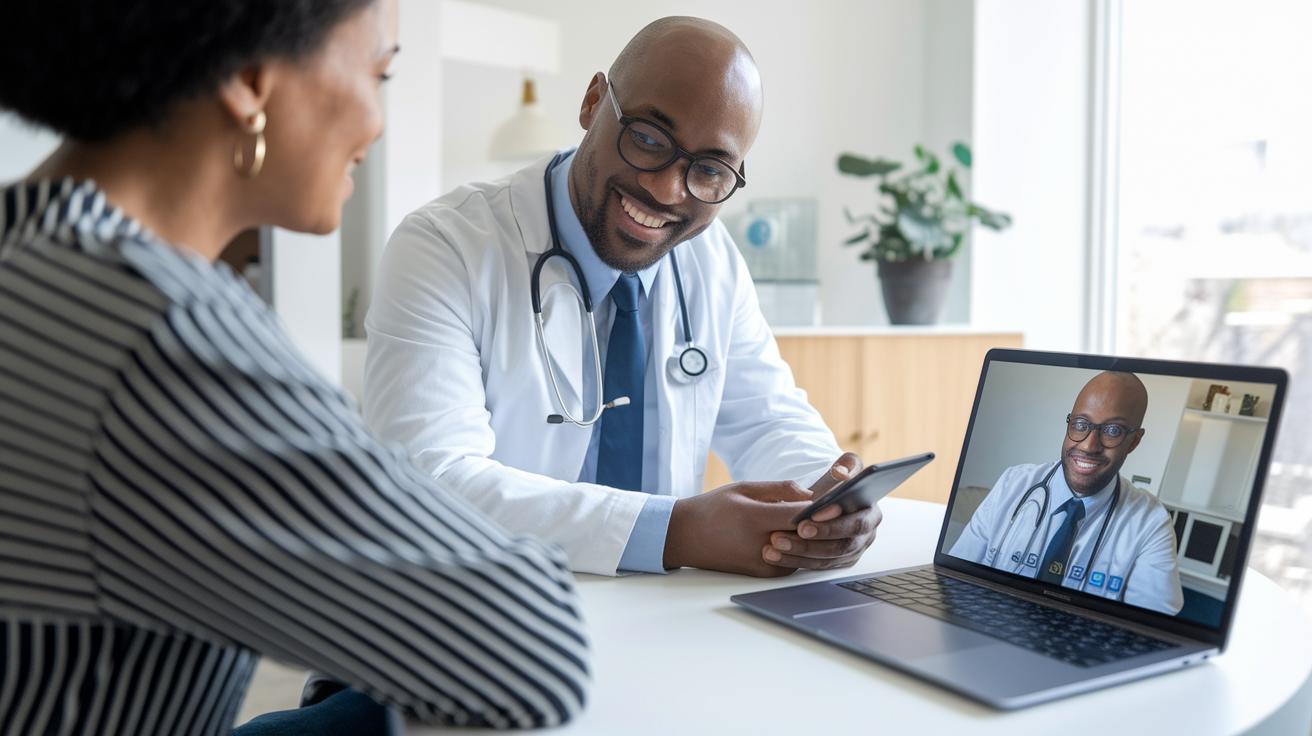
Reliable video consultations need solid tech and clear steps to work well. When specialists use video platforms, everything has to run smoothly to make sure you see and hear every detail clearly. Plus, keeping patient information safe is a must. With good connectivity and strong data protection, you can feel secure and connected during every consultation.
Connectivity and Bandwidth Requirements
A strong internet connection is key. For smooth video chats, providers should aim for at least a 5 Mbps speed for both uploads and downloads. This helps avoid choppy video or spotty sound. Using HD-capable webcams and clear microphones makes it feel like the specialist is right there with you. Regular network checks and trusted internet service providers cut down on glitches, ensuring conversations flow without interruption.
Platform Security and Compliance
Patient data protection comes first. Video systems should use end-to-end encryption that meets HIPAA rules, which means everything stays private. Secure logins, ideally with multi-factor authentication, make sure only the right people access sensitive details. Data must be stored securely with encryption to prevent breaches. And having IT support ready to fix any connection issues builds trust in the platform. Meeting these tech needs helps ensure a safe, steady connection for digital care.
Case Studies: Transforming Specialist Care with Video Consultations

In Montana’s tele-oncology program, patients used to wait a long time and referrals were slow. Cancer patients, for example, had to wait up to four weeks for a specialist's advice. But things changed when doctors started using video calls to connect with remote experts. Now, instead of waiting weeks, they get help in just two days. Imagine a busy clinic where a doctor quickly taps a video link and gets expert advice in less than a day. This real-time connection not only speeds up care but also eases patient worries and helps with faster treatment decisions.
A similar change happened with a rural pediatric cardiology service. Families once had to travel about 120 miles for special heart check-ups for their children. With virtual visits, the average travel dropped to only 25 miles per appointment. Local clinics teamed up with specialists using digital setups, and care coordination improved by 40%. This meant families got better, well-coordinated advice without the long drive. Isn’t it amazing how a simple video call can make a big difference?
Future Directions: Emerging Video Consultation Innovations for Specialist Care

New telehealth projects are making it easier and quicker to reach specialist care. Imagine a friendly AI triage helper that spots urgent issues during video calls. It looks at patient details in real time so that doctors and nurses can see who needs help sooner.
Augmented reality is joining the team, too. With AR tools, a specialist can guide you or another clinician through basic checks during a remote exam. It feels like mixing a hands-on visit with the comfort of home.
Wearable devices are changing the game as well. Smart gadgets send live health data straight into video calls. This steady stream of updates helps doctors tweak treatment plans on the fly, especially for people managing long-term conditions.
Then there’s 5G, which brings super-fast connections with less than 100ms delay. This quick link makes video appointments smoother and lets health experts chat almost instantly. All these new trends are set to grow telehealth services, cut down waiting times, and bring expert care to even the most remote places.
Final Words
In the action, the blog walked through digital health benefits, exploring how video consultations break distance barriers and make expert care easier to reach. It highlighted telehealth tools, scheduling ease, and real patient outcomes with measurable improvements.
The post also discussed new technology trends and technical tips that show how video consultation improves access to specialist care. Everything ties together to show a future where convenient, secure care is always within reach. Here’s to a positive step toward better health management!
FAQ
What is telehealth in healthcare?
The definition of telehealth means using digital tools like smartphones, tablets, or computers to connect patients with healthcare providers from a distance. It offers convenient virtual consultations and remote care management.
What is the impact of telemedicine on healthcare?
The impact of telemedicine is seen in quicker referrals, reduced travel burdens, and improved patient engagement. It integrates remote monitoring and secure communication to boost overall care quality.
How does telehealth increase access to healthcare?
Telehealth increases access by letting patients consult providers remotely. It breaks down distance barriers so those in rural or underserved areas can reach specialists more easily and receive faster medical guidance.
How can telehealth improve continuity of care?
Telehealth improves continuity of care by providing real-time communication between patients, generalists, and specialists. This approach helps maintain seamless care transitions through virtual follow-ups and secure data sharing.
How is telehealth used in specialty practices?
Telehealth in specialty practices uses video consultations and remote monitoring to connect patients with expert care. It offers direct, secure interactions that reduce the need for long travels and speed up access to specialized treatments.
How might medical video conferencing contribute to medicine?
Medical video conferencing contributes by enabling real-time discussions between experts, leading to faster diagnoses and more efficient care. It reduces patient travel limits and strengthens clinical teamwork.
How does telehealth enhance interprofessional collaboration?
Telehealth enhances interprofessional collaboration by linking different care providers through secure, live video sessions. This approach supports coordinated decision-making and faster referral systems, boosting patient care outcomes.