
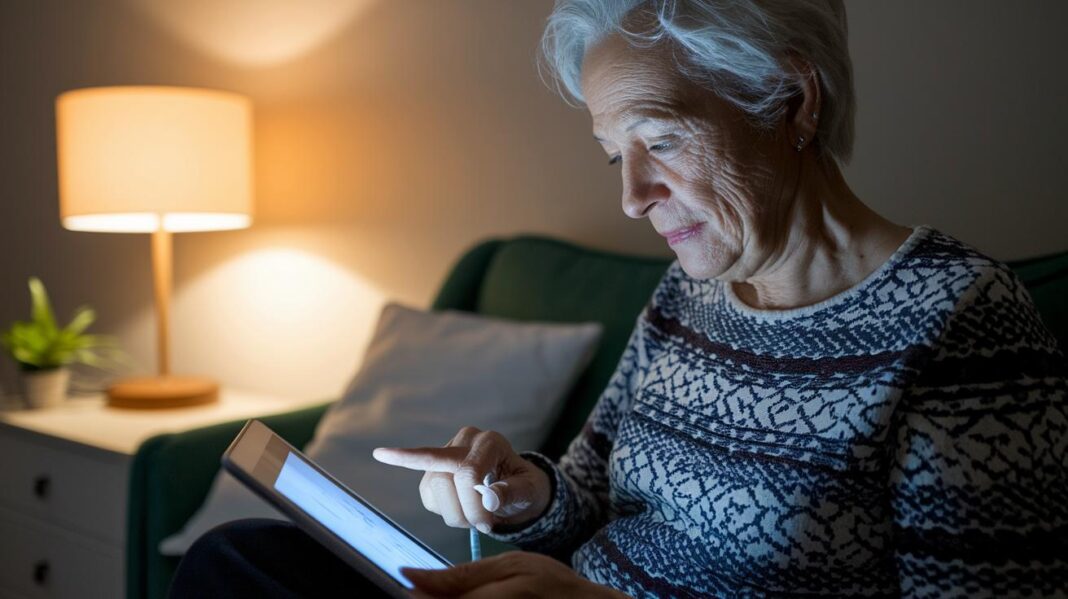

Have you ever thought your phone could help you manage a long-term illness? Today, smart devices offer tools that keep an eye on your heart rate, set up online doctor visits, and safely store your medical history.
Nearly 60% of U.S. adults deal with chronic conditions. For many, these simple tools make everyday challenges a bit easier to handle. They don’t just save time; they help you feel more connected to the care you need.
Imagine getting a gentle reminder from your phone or easily checking your health updates whenever you want. It’s like having a supportive friend who’s always there to help you take charge of your wellness.
Digital health innovations in chronic disease management

Many adults in the United States live with long-lasting health conditions. In fact, 6 out of 10 have at least one, and 4 out of 10 deal with two or more. Conditions like diabetes, high blood pressure, and heart problems require constant care. It really makes you think about the everyday challenges so many face, and why tracking chronic care is so important today.
Digital tools are changing the way we care for these conditions. Imagine using a mobile app that sets up your online doctor visits, so you don’t need to travel far. Or picture a smartwatch that gives you real-time updates on your health. Then there are systems that gather all your medical history in one secure place. All of these tools work together, making it easier for people to stay connected with their care.
These innovations help keep patients engaged and can even lower healthcare costs. When you get alerts about your health right away and your doctor sees your complete picture through remote monitoring, adjustments happen quickly. This means better treatment adherence and fewer unnecessary clinic trips, all while keeping you supported every step of the way.
Telemedicine platforms in chronic disease management
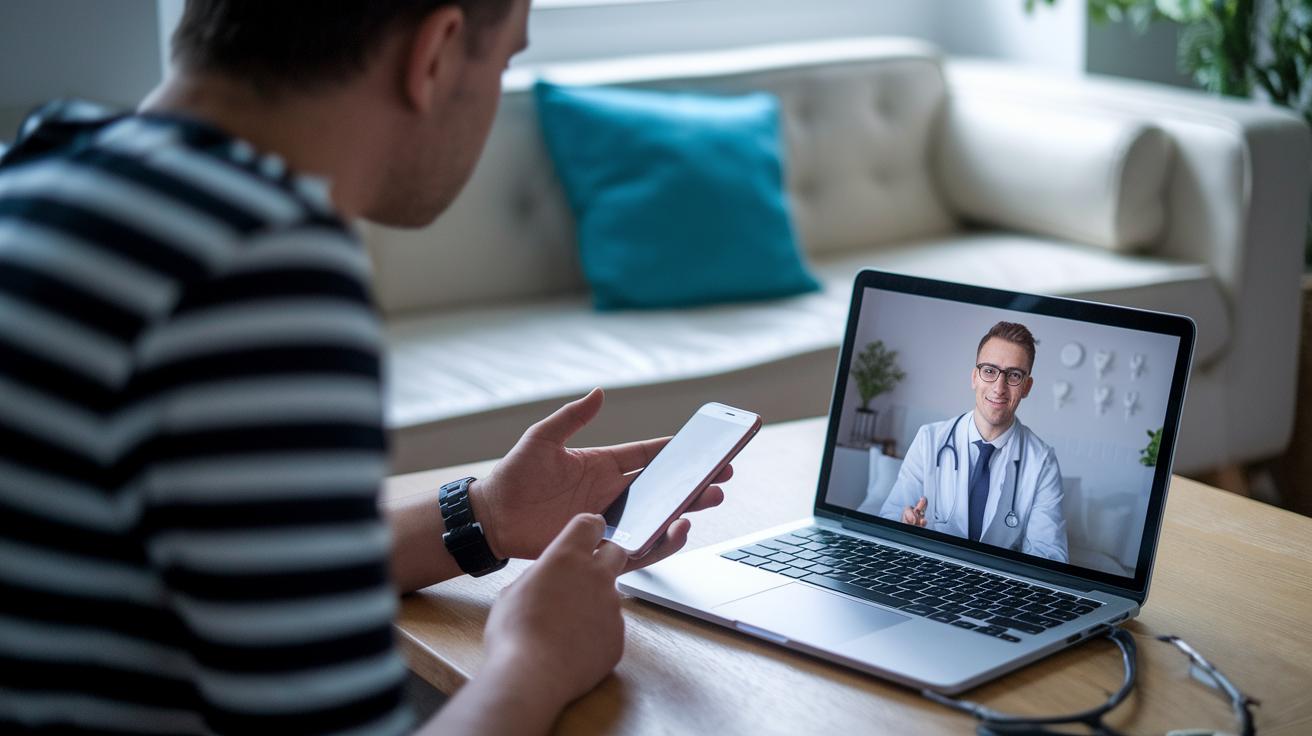
Telemedicine platforms are changing how people handle ongoing health issues by letting them access care without leaving home. They make it simple to set up virtual appointments so that patients can speak with their care teams easily, a real win for those who can't always travel.
Video calls have become a real game changer. They help cut down on long trips, especially for folks living far from clinics. Plus, with digital billing for prescriptions, the whole process feels smoother. When virtual check-ups work together with digital systems, they fill in gaps in care and serve as a friendly alternative to old-school in-person visits.
Here are some clear benefits of using telemedicine platforms:
- More ways to get care, no matter where you are.
- Better chances to stick to your medication routine with regular follow-ups.
- Lower costs because you avoid extra trips.
- Quick help in tough moments with real-time monitoring.
- Happier patients who enjoy the ease and convenience of digital care.
Mixing telemedicine with in-person visits makes chronic care management even better. Doctors can use video calls to check on your progress and then invite you for a face-to-face visit when needed. This blend of remote and hands-on care keeps things consistent, reduces travel, and cuts costs. It’s really amazing how these platforms can raise the overall quality of patient care.
Remote patient monitoring and wearables for chronic disease management
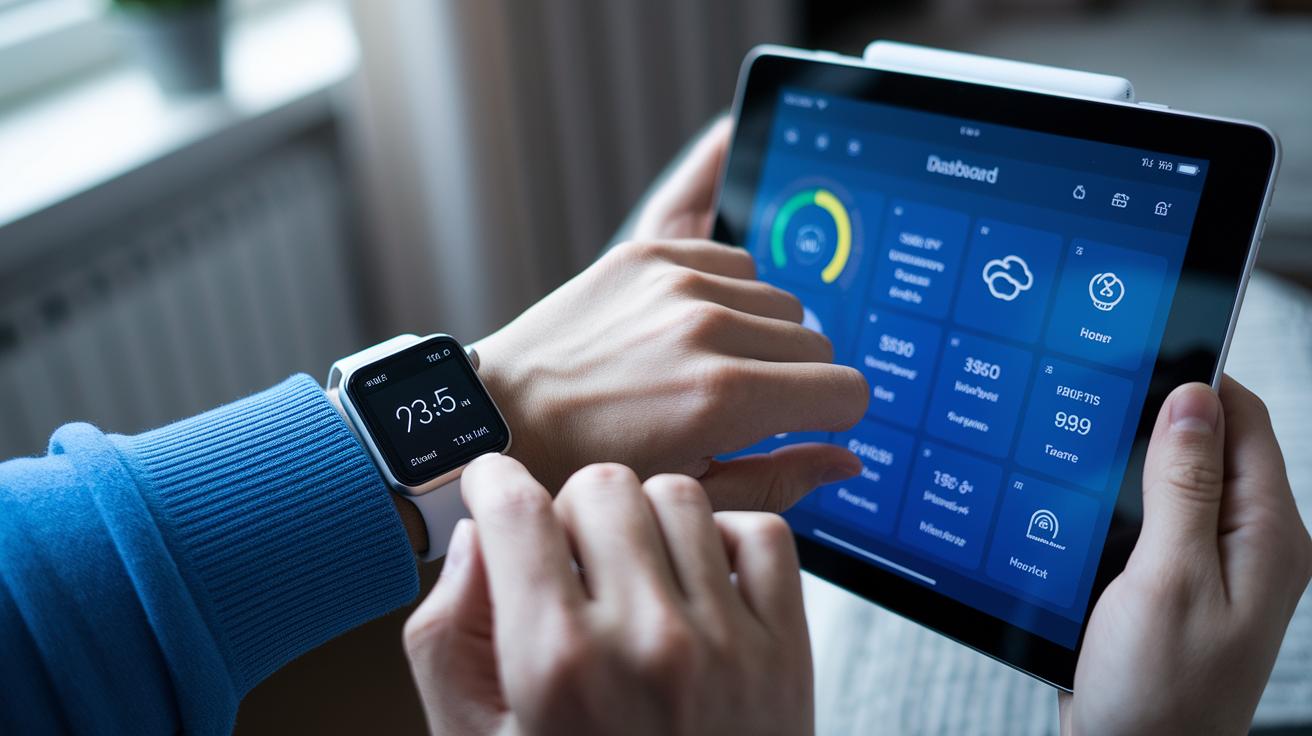
Remote patient monitoring uses handy wearable devices like smartwatches, smart scales, and fitness bands to keep an eye on your health every day. They track important signs like heart rate and weight, filling in the gaps between doctor visits. Even small changes are noticed, giving both you and your healthcare team a clearer look at how you're doing.
Data from these gadgets flows directly into care systems that check readings in real time. When something seems off, alerts pop up through push notifications, texts, or emails. It’s like having a caring health buddy by your side. This connection even boosts your access to helpful tips and coaching, studies suggest that about 80% of users stick with these digital tips when they’re involved.
For you, it means fewer sudden trips to the emergency room and smoother handling of long-term conditions. For doctors, it means faster alerts and treatments that stick. Research shows these wearable devices really make a difference by making everyday health management more hands-on and proactive.
Mobile health applications enhancing chronic disease management
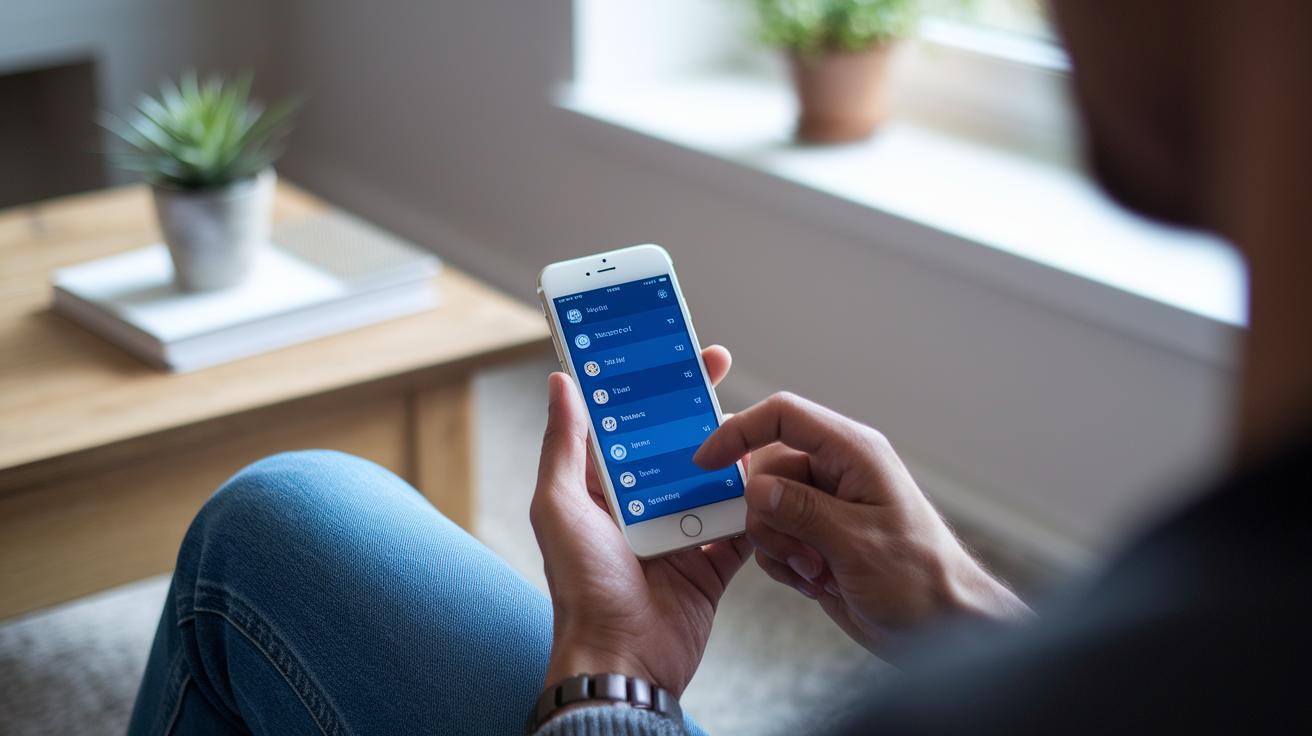
Mobile health apps make managing chronic conditions simpler. They come with everyday tools like digital diaries that help you keep track of sleep, meals, water intake, and weight goals. It’s a bit like getting a soft buzz on your phone saying, "Hey, don't forget your water today." This gentle nudge helps you record your daily habits so you can handle your condition better.
These apps also have smart ways to keep you involved. They send friendly reminders through push notifications, texts, or emails, it's like having a caring friend checking in on you. Imagine getting a quick note in the middle of your busy day that says, "Remember to check your blood sugar!" That kind of support, along with community features, makes it easy to stay on track with your care plan.
Some digital monitoring tools even go further by tracking how you feel every day. They take the information you provide, like when your numbers change, and use it to give you advice that fits your unique needs. If your usual patterns shift, the app will flag it so you can get help right away. This quick feedback means your health care stays tuned in to what matters most: you.
AI and data-driven solutions for chronic disease management
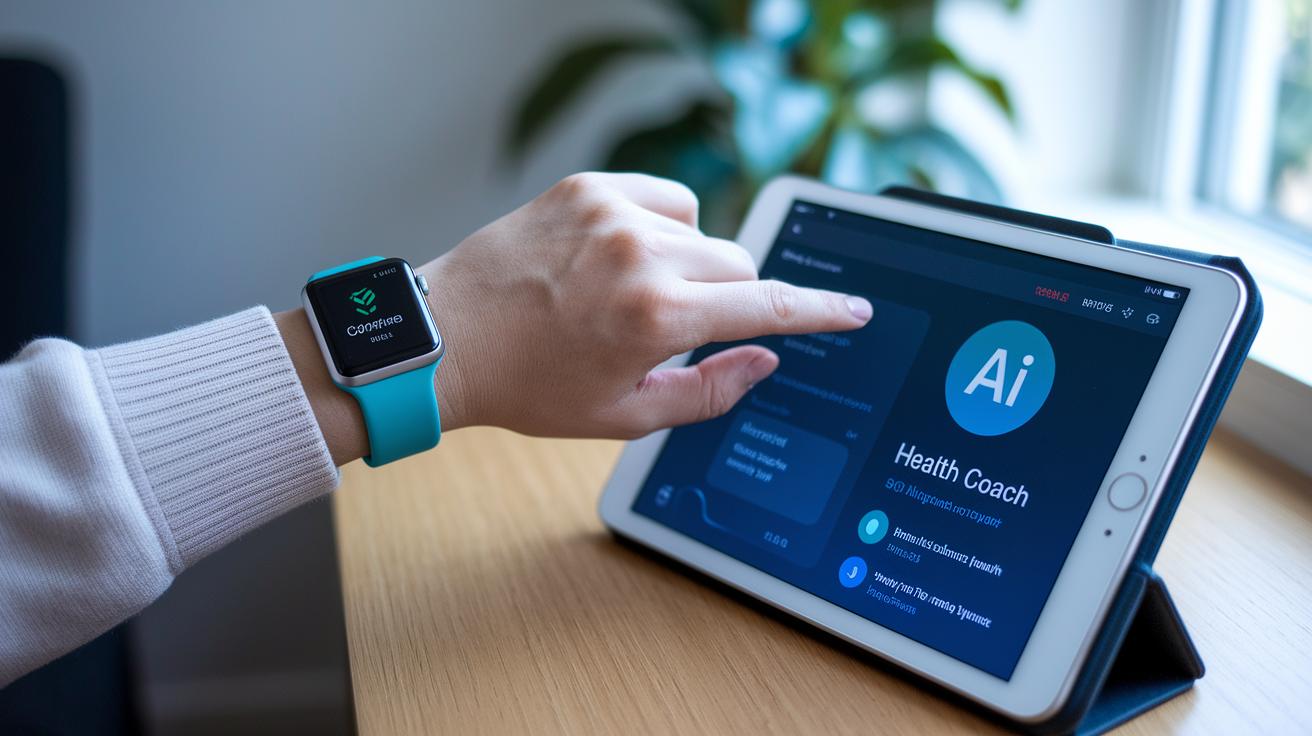
Imagine a tool that brings together smart technology and everyday care to manage chronic diseases. This platform uses friendly AI that watches for early changes in your health by studying patterns in biomarkers. It also has a built-in coach that sends reminders and advice right when you need them. The system gathers information from devices you might wear at home and your own reports. This way, even small shifts in your health get noticed before they become a bigger headache. Plus, new blockchain ideas keep all your data safe while making sure your care team can get to it easily.
Another neat feature is an AI tool that listens to every patient call. It makes sure records meet important health guidelines without piling work on busy care teams. This tool helps create complete health records from every conversation, setting the stage for accurate histories. Then, smart analytics look at both sensor readings and your own updates. They pinpoint any care gaps and even suggest treatments tailored just for you. Altogether, these smart methods make chronic disease care more proactive, efficient, and all about you.
| AI Application | Impact |
|---|---|
| Predictive Biomarker Analysis | Earlier risk identification |
| Call-Screening AI | Improved documentation & CMS compliance |
| Care-Gap Analytics | Automated treatment recommendations |
Implementation and security in health tech for chronic disease management
Health tech tools have to follow strict rules to keep patient information safe. They stick to standards like HIPAA, GCP, ISO27001, and GDPR, think of it as having a strong lock on your most private health details. This careful work helps patients feel secure about everything from their digital medical records to lab reports.
Bringing tech into everyday care means linking systems like electronic health records, devices, and billing. Cloud systems now gather EHRs and lab results in one spot so that everyone on the care team can easily work together. For example, digital prescriptions not only help keep track of medicine but also smooth out the insurance process. Meanwhile, patient portals are built to be safe and easy to use, creating a space that supports both providers and patients alike.
There are still bumps along the road when it comes to making sure all these systems connect well and that patients feel comfortable using the new tools. One big challenge is ensuring that different systems can share information seamlessly, while also making sure the technology works well in real-life settings. To tackle these issues, teams use clear testing methods, design user-friendly tools, and offer ongoing training for both health professionals and patients. These steps help integrate new devices and improve overall care for chronic conditions.
Final Words
In the action, our exploration walked through digital transformations in chronic care. We looked at telemedicine, remote monitoring, mobile apps, and AI tools that make chronic care management simpler and safer.
Each section showed how technology brings real-life benefits like easier access to experts, fewer hospital visits, and reliable health insights. Health tech for chronic disease management helps make everyday care more efficient and warm.
There's a bright path ahead for accessible, smart healthcare.