

Ever wonder if your personal info is really secure? You might recall a time when your data moved around without your say-so. Now, the Data Privacy Act puts you in charge. It mixes older rules with new ones to make sure your records stay safe and your rights are clear.
This act lets you see and manage your own data. It changes how companies handle your details and creates a safer digital space for you. Imagine having a simple way to check on your information anytime you want.
Data Privacy Act: Empowering Secure Rights
The Data Privacy Act brings together many federal privacy laws into one simple set of rules. It builds on the 1974 Privacy Act, which made it clear that your personal information cannot be shared without your written permission. Back then, you gained the right to view and correct your own records. Later laws, like HIPAA (which keeps your health details safe) and GLBA (which protects your sensitive bank data), added extra layers of care. Even COPPA, from 1998, reminds us that extra care is needed when collecting data from kids under 13, it requires a parent’s approval.
Then, newer laws like the CCPA from 2018 and the CPRA starting in 2023 give you even more control. These let you see what data is collected about you, ask for it to be deleted, or opt out of its sale. States like Virginia and Colorado have their own rules too, making sure businesses protect your personal information with clear steps.
This set of rules, detailed in our data privacy laws guidelines, is made to protect you while telling companies exactly what they need to do. It covers everything from looking at your data to deleting it, making sure that companies always get your clear permission first. In truth, this legal framework works for both businesses and consumers, ensuring that your data is safely managed and that your rights stay protected.
Evolution of the Data Privacy Act: Key Milestones from 1974 to 2023

Over the years, U.S. privacy laws have steadily grown tougher and more protective. Every law built on the one before it, making sure your records are kept safe and your rights are respected. Let’s take a friendly walk through the important dates that have shaped our current data privacy rules.
- 1974: The Privacy Act first put forward the idea that you have the right to control your own data.
- 1996: HIPAA set out simple rules for handling personal health details, so your medical information stays private.
- 1998: GLBA made sure banks and similar institutions have to guard your sensitive financial data.
- 1998: COPPA stepped in to protect children’s information by ensuring that parents keep an eye on what data is shared.
- 2018: CCPA gave you new rights to see, manage, and take charge of your personal information.
- 2020: CPRA, which kicked in on January 1, 2023, expanded these rights and set more rules for businesses.
- 2023: Texas TDPSA brought in fresh guidelines to further secure your records.
- 2024: Oregon OCPA and Montana MTCDPA rolled out extra state-specific rules to keep your data safe.
Looking back, you can see the clear trend of our privacy laws becoming stronger over time. Each step helped to build a safer framework, making it easier to protect your records in our digital world. Isn’t it reassuring to know that these laws are always evolving to keep up with today's challenges?
Core Provisions of the Data Privacy Act: Rights, Obligations, and Enforcement
The Data Privacy Act makes sure your personal information is handled with care. Companies must ask you clearly if they can use your data, much like your phone asking, "Do you consent?" No information is used unless you say yes.
Under this act, you get real control over your information. You can check your records and fix any mistakes, ask for your data to be erased, or even get a copy in a neat, portable format. Plus, you can tell companies not to sell your data, and your decision won’t influence the service you receive. Companies are also required to explain in plain language what information they collect.
On the business side, companies have some big responsibilities. They need to display clear privacy notices and follow strong security standards. If data involves children, companies must get parental permission before collecting it. And if something goes wrong, a data breach, for example, they must alert the right authorities quickly, similar to the 72-hour rule you might have heard about.
State attorneys general keep an eye on things and can hand out fines up to $7,500 per violation. This helps ensure that companies follow the rules and treat your data with the respect it deserves.
| Provision | Description | Relevant Act |
|---|---|---|
| Access Rights | Lets you view and update your personal records. | CCPA/CPRA (Sections 1798.100–105) |
| Deletion Rights | Lets you request that your data be removed. | CCPA/CPRA (Sections 1798.105–115) |
| Portability | Allows you to get your data in a transferable format. | CCPA/CPRA (Section 1798.110) |
| Opt-Out Rights | Gives you the choice to refuse the sale of your information. | CCPA/CPRA (Section 1798.120) |
| Nondiscrimination | Ensures you won’t be treated unfairly for managing your rights. | CCPA/CPRA (Section 1798.125) |
Comparing the Data Privacy Act with Global Data Protection Regulations
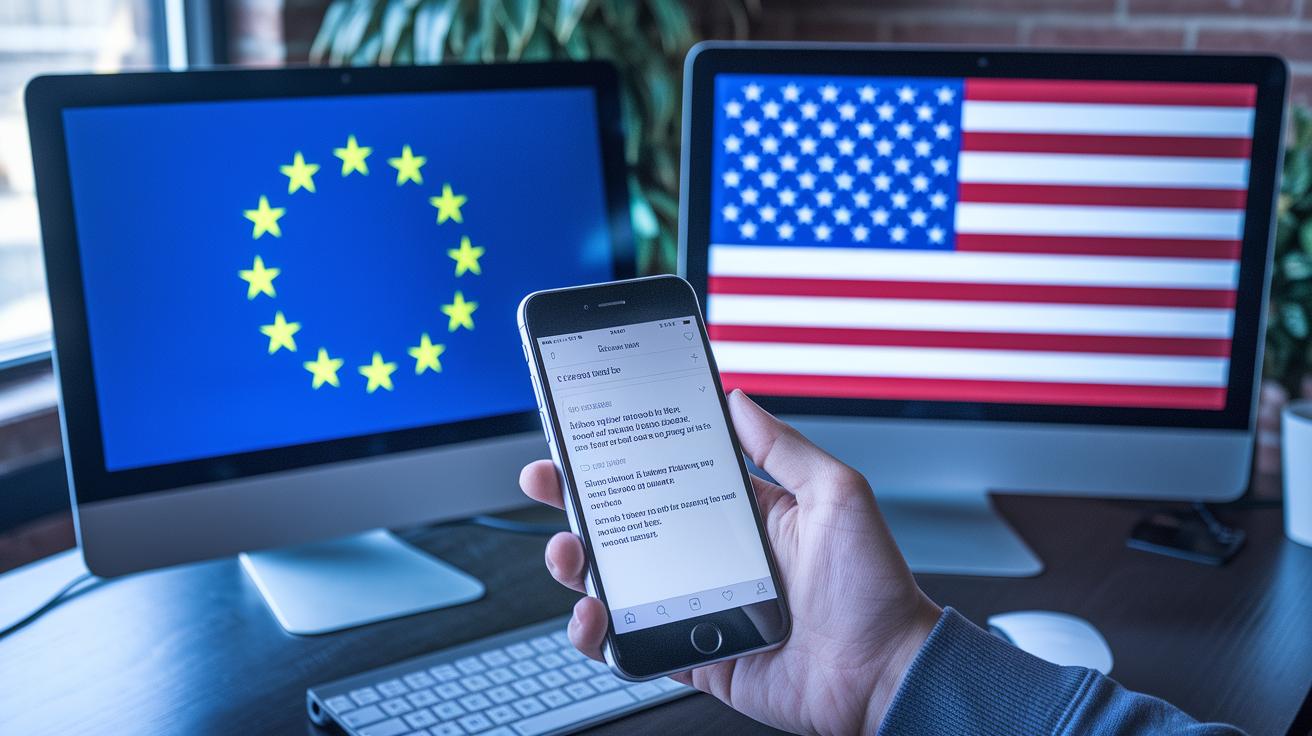
The U.S. Data Privacy Act and the GDPR share many ideas while keeping their own unique twist on protecting personal data. The GDPR is famous around the world. It sets big rules and even fines companies up to €20 million or 4% of their global sales if they slip up. It makes sure data is gathered only with clear permission and requires companies to report any problems in just 72 hours. Plus, it gives people the right to see, delete, or move their data, much like the U.S. law. This mix of careful rules helps build trust. For more details, check out what some say about EU data privacy laws.
The EU-U.S. Data Privacy Framework came after the old Privacy Shield was retired. It was built to smooth out data sharing between Europe and the U.S. The framework sets up clear guidelines so that data transfers remain secure and consumers' rights are respected on both sides of the ocean. It aligns standards between the two regions, giving businesses a straightforward rulebook for following the law. As concerns about data protection grow, both the U.S. act and EU rules keep learning from each other. This ongoing dialogue helps boost trust and makes sure every digital move is accountable.
Implementing the Data Privacy Act: Compliance Strategies and Best Practices
Start by taking a good look at all your data. Go through every file, database, and system that holds personal information. This gives you a clear map of where your data is and helps you spot risks and improvements along the way.
Next, build privacy into your systems right from the start. Think of it like setting up strong locks on your doors when you move into a new home. For example, a health provider could update its patient system to ask real-time questions like "Do you agree to our use of your data?" This kind of question makes sure customers understand and approve how their information is used.
Another smart move is to use modern consent management tools. These tools take care of things like automation for data requests and help you keep track of all your digital checklists. They can really simplify how you handle any data issues. It also helps to train your team on what to do during a data breach, from notifications to documenting each step. This way, everyone knows how to protect data and keep risks low.
Other useful steps include using custom compliance templates tailored to your business needs and updating them often. For example:
| Step | Action |
|---|---|
| 1 | Complete thorough audits to find gaps. |
| 2 | Document every process clearly. |
| 3 | Hold regular training sessions on privacy and breach response. |
By working on these strategies, you build a safer and more compliant digital space. In truth, you also keep consumer rights strong under the Data Privacy Act.
Future Trends: Emerging Developments under the Data Privacy Act

Laws and technology are joining forces to change data privacy as we know it. A potential federal ADPPA may not have passed yet because of the 2022 midterms, but it points to a future where rules become clearer and easier to follow for everyone.
Across the world, there are more than 130 privacy laws already in effect. Think about proposals like the New York Privacy Act that add even more energy to the mix. Companies are feeling the heat to set up smart systems that handle things like removing personal details, keeping only the data needed, and sharing information securely across borders.
Technology is also stepping up. New rules on AI, coming with the AI Act, will show companies how to look after data more carefully. This change is a win for consumers because it makes sure their rights are front and center. In truth, these shifts are building a stronger, worldwide shield to protect personal information.
Businesses and developers should get ready for more openness and tougher checks. Simple step-by-step tips on evaluating risks and planning ahead will guide organizations through these new rules. By doing so, they can blend legal needs with smart, ethical practices and move toward a brighter future in data care.
Final Words
In the action, this discussion walked through key milestones and clear steps that shape our modern health care framework. We explored how core provisions and global comparisons show the evolving nature of the data privacy act, keeping user rights at the forefront. The guidance on risk assessments and consent management offers a straightforward path for businesses and individuals alike. It feels good knowing there are practical ways to stay secure and informed as the rules evolve. Stay confident and ready for the positive shifts ahead.
FAQ
What is the Data Privacy Act?
The Data Privacy Act means laws that protect personal information by setting clear rules on its collection, use, and sharing. These rules give individuals rights and specify business responsibilities.
What are the three types of information in the Data Privacy Act?
The three types of information refer to personal data that identifies an individual, sensitive data which requires extra protection, and privileged data that is legally safeguarded from unauthorized disclosure.
What is RA 10173 Data Privacy Act?
RA 10173 is a law from the Philippines that protects personal information. It sets rules for collecting, processing, and protecting data, ensuring individuals have control over their own information.
What is the US Data Privacy Act?
The US Data Privacy Act means regulations that secure personal data by requiring clear consent, detailed privacy notices, and secure practices from both public and private institutions.
What is the Texas Data Privacy and Security Act (TDPSA) and its 2025 update?
The Texas Data Privacy and Security Act means state rules to protect consumer data, outlining strict compliance measures. The 2025 update adds further protections and clarifies the responsibilities of organizations handling data.
Where can I find the Texas Data Privacy and Security Act pdf?
The Texas Data Privacy and Security Act pdf is available on official state government websites and reputable legal resource portals, offering full details on compliance guidelines and regulatory requirements.