


Have you ever imagined that a simple app might completely change how you take care of your health? Mobile health apps work with devices like smartwatches and fitness bands so you can see your current health stats in real time. They even help you connect with your care team for quick advice without the long waits. With live tracking and safe messaging, getting care becomes faster and easier. It's pretty amazing how one little tool can save you time, money and make you feel better overall.
How Mobile Apps Drive Benefits of Remote Monitoring
Mobile health apps are changing the game by quickly linking patients with their care teams. They let you tap into your health records and see your data as it happens, right from your smartphone or tablet. Plus, they team up with wearables like smartwatches and fitness bands to fill in the gaps in your medical history and keep an eye on your health throughout the day.
Instant messaging and video calls make it easy to talk to your doctor without long waits. That means faster care when you need it most. Automated reminders for meds, appointments, and refills also help you stick to your treatment plan without any extra hassle.
These apps not only bring convenience but also keep your info safe with strict data rules (like HIPAA standards). This builds trust for both patients and providers. In fact, smoother communication and quick access to updates can boost efficiency and even save up to $300 billion each year by cutting down costs and resource use.
The quick and simple design of mobile monitoring tools helps healthcare pros act fast, work together better, and support better health outcomes for everyone. It's pretty amazing how a smart little app can make such a big difference in our day-to-day health care.
Enhancing Data Collection with Remote Monitoring Mobile Apps
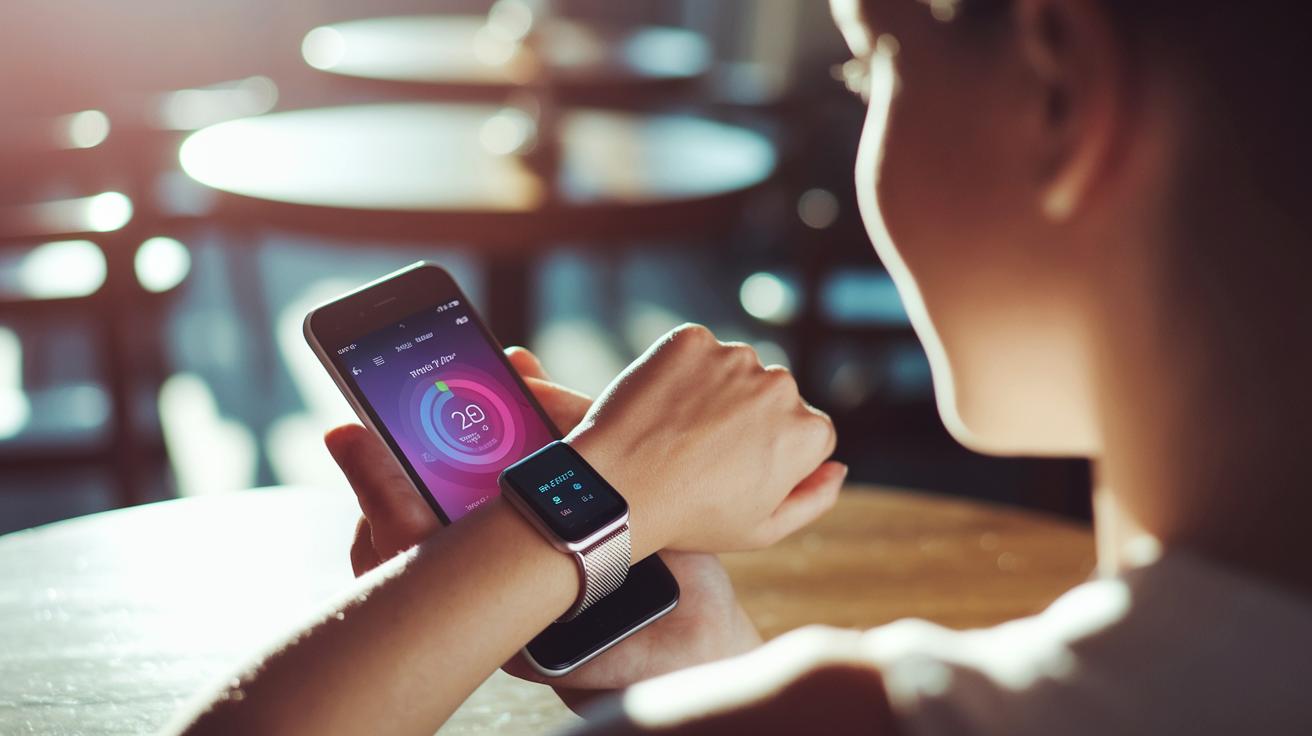
Mobile apps are changing the way we gather health information. They connect directly with wearables and everyday health gadgets so your data flows seamlessly. These apps collect real-time info from devices like glucose meters, pulse oximeters, and blood pressure cuffs. Imagine getting a constant snapshot of your vital signs without any extra work. This steady flow of details helps your doctor see your past health history and live data at once, cutting down on manual entries and reducing mistakes.
Here's a quick look at some devices and what they track:
| Device | What It Tracks |
|---|---|
| Smartwatches and fitness trackers | Activity, sleep, heart rate |
| Glucose meters | Blood sugar readings |
| Blood pressure cuffs | Systolic/diastolic measurements |
| Pulse oximeters | Oxygen saturation |
| Implantable biometric sensors | Continuous ECG and respiratory rate |
Your wearables sync automatically with the app, keeping your health records fresh and updated. With this kind of continuous monitoring, your clinician gets a clearer picture of your everyday wellness. The steady data stream helps them adjust treatments on the fly, especially for managing long-term conditions. In simple terms, these mobile health apps make sure your care can truly keep up with your life.
Real-Time Alerts and Notifications in Mobile Remote Monitoring
Mobile remote monitoring apps act as a friendly safety net for your health. They send out automated alerts when your vital signs show a sudden change. This way, both you and your healthcare provider are in the loop right away. And with quick messaging and even video check-ins, you get speedy assessments to cut down on any risks.
Imagine getting a gentle buzz on your phone when something needs your attention. Here are some alerts you might see:
- When your vital signs hit a critical limit
- A nudge for upcoming prescription refills or dosage reminders
- A heads-up for scheduled appointments or follow-ups
- A warning when unusual data pops up
These smart alerts keep everyone connected by sending instant texts and push notifications. This means your doctor gets early warnings and can jump into action quickly. At the same time, you feel more confident in taking care of your own health, knowing help is just a tap away.
Cost Savings from Remote Monitoring Through Mobile Apps
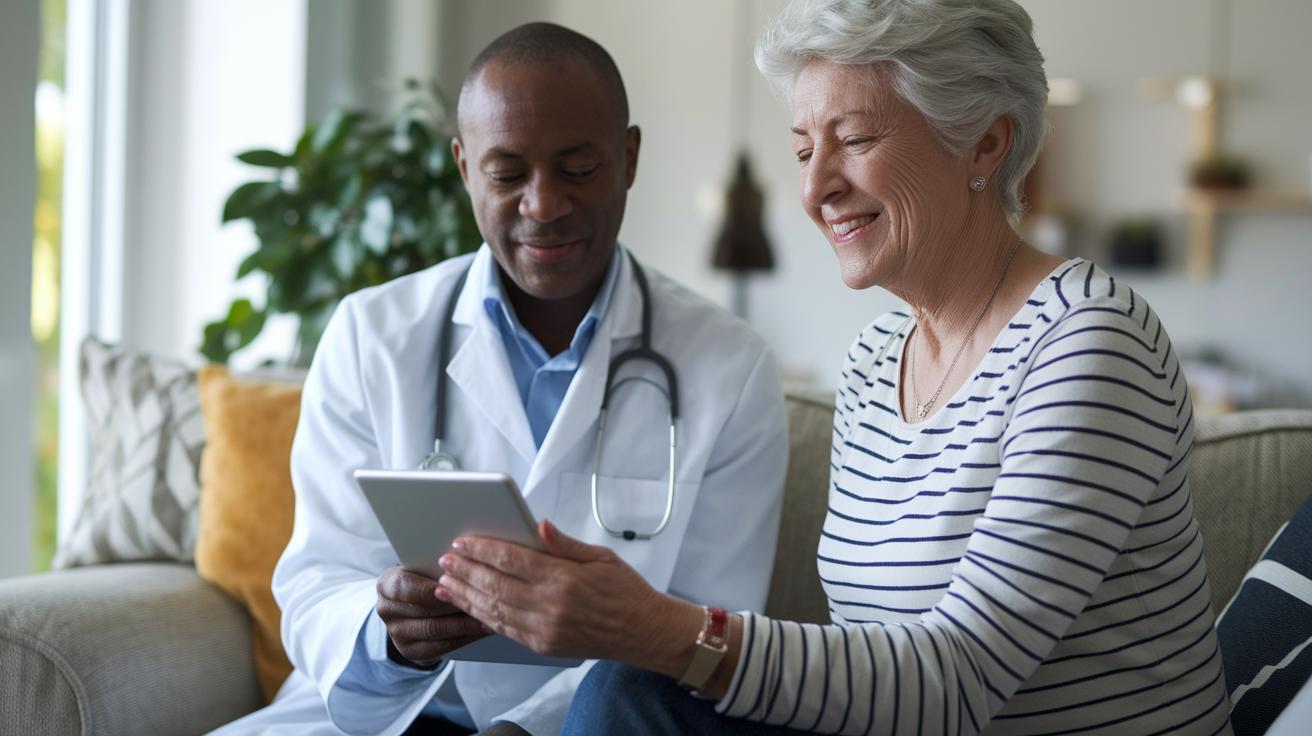
Mobile remote monitoring apps make healthcare more affordable. They cut down on lengthy hospital stays and unplanned visits, which helps both patients and providers save money. It’s like a smart way to stretch every dollar a little further.
These apps reduce the need for in-person appointments, freeing doctors up to focus on patients who really need extra care. And with remote consultations, you can check in with your doctor without the hassle of long trips or crowded waiting rooms.
One remote chronic care program even avoided $2.3 million in extra costs over just one year. With updates in telehealth rules and fewer penalties, these savings show just how much of a difference mobile monitoring can make.
In short, using these apps streamlines care and lightens financial loads. It’s a win-win for everyone and a real step forward for a smarter, more efficient healthcare system.
Expanding Care Access and Patient Engagement via Mobile Remote Monitoring
Mobile remote monitoring tools help open up care for patients by letting specialists connect with you, even from far away. For folks with serious or end-of-life conditions, it means getting a caring doctor’s advice right at home. Think of a gentle conversation where a specialist might say, "I see you're feeling some discomfort. Let’s adjust your pain plan right away."
This one-on-one help gives you quick, expert advice without you having to leave your home. It adds a comforting, personal touch that goes well beyond the usual monitoring, making sure you feel supported every step of the way.
Integrating Wearables and IoT for Advanced Remote Monitoring
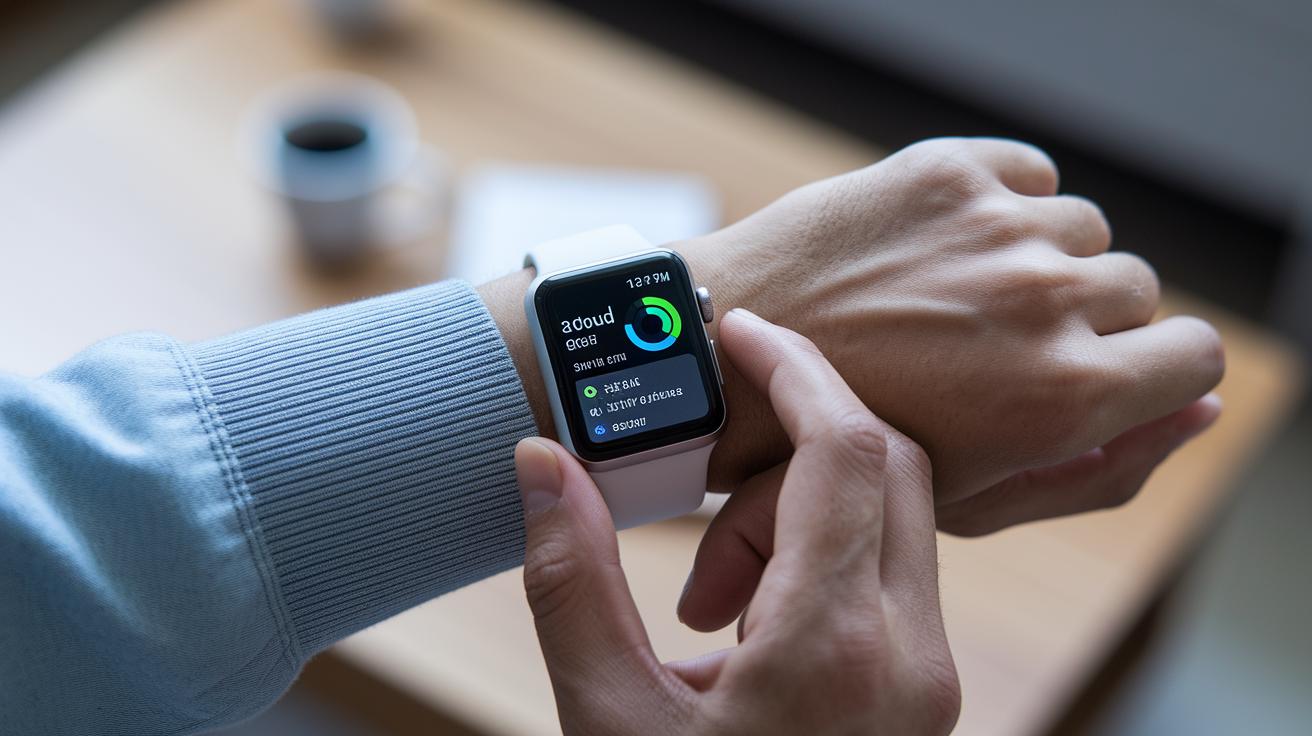
Advanced remote monitoring isn’t just about basic wearable data anymore. Now, it brings in special IoT sensors and reliable cloud-based tools that work together to track your health in real time. Think about a system that not only syncs with smartwatches and fitness bands but also checks fixed sensors like room temperature or air quality. This means patients with conditions like asthma or COPD can get help right when it's needed.
For example, imagine an app that gently buzzes your phone when a sensor detects a sudden drop in air quality, giving clinicians a heads-up for someone struggling with breathing issues.
The setup makes sure you get:
- Real-time data exchange that works better than just traditional wearables.
- Scalable models that can support large networks of healthcare providers.
- Round-the-clock tech help to fix problems fast.
| Feature | Advanced Benefit |
|---|---|
| IoT Device Integration | Smooth connection of both fixed and mobile sensors |
| SaaS Scalability | Easily expands to support many provider networks |
| 24/7 Tech Support | Any issues get help immediately, day or night |
Mobile diagnostic apps add even more value. Picture an app that alerts a clinician when a sudden environmental change is detected, prompting quick action. This kind of smart, connected system strengthens decision making while making operations more efficient and secure.
Final Words
In the action, mobile apps clearly transform the way we keep track of our health by providing real-time updates, secure data access, and proactive notifications to both patients and providers. They integrate data from wearables, streamline care delivery, and help reduce costs by minimizing in-person visits. These apps also make healthcare more connected and convenient by ensuring experts are just a tap away. The benefits of remote monitoring through mobile apps give us more power to take charge of our wellbeing every day.
FAQ
Q: What are the benefits of remote patient monitoring?
A: The remote patient monitoring system offers continuous tracking of health data, fast alerts for out-of-range metrics, better chronic care management, reduced medical errors, and potential cost savings with timely interventions.
Q: How does remote patient monitoring work?
A: Remote patient monitoring works by using mobile apps that collect data from connected devices, like wearables and sensors, and then send real-time information to health professionals for quick action when needed.
Q: What are some disadvantages of remote patient monitoring?
A: Remote patient monitoring can face challenges such as dependence on digital technology, occasional connectivity issues, and a learning curve for users who are less familiar with mobile health solutions.
Q: What is a remote patient monitoring project?
A: A remote patient monitoring project refers to an organized effort to implement a system using mobile apps and connected devices to track patient health data and deliver prompt care interventions outside traditional clinical settings.
Q: Where can I find studies on remote patient monitoring?
A: Research on remote patient monitoring is available on trusted sources like Google Scholar and PubMed, where you can read detailed clinical evaluations and evidence on its effectiveness.
Q: What conditions benefit from remote patient monitoring?
A: Chronic conditions such as diabetes, heart disease, and respiratory issues benefit greatly from RPM by allowing consistent tracking, early detection of changes, and faster interventions to better manage the condition.
Q: How do mobile apps enhance remote patient monitoring?
A: Mobile apps boost remote patient monitoring by enabling real-time health tracking, sending instant alerts, reducing manual data entry errors, and facilitating direct communication between patients and care providers.
Q: How can I personally benefit from using a mobile monitoring platform?
A: Using a mobile monitoring platform gives you quick access to your health data, personalized reminders for medications and appointments, secure data transmission, and improved coordination with your health team.