
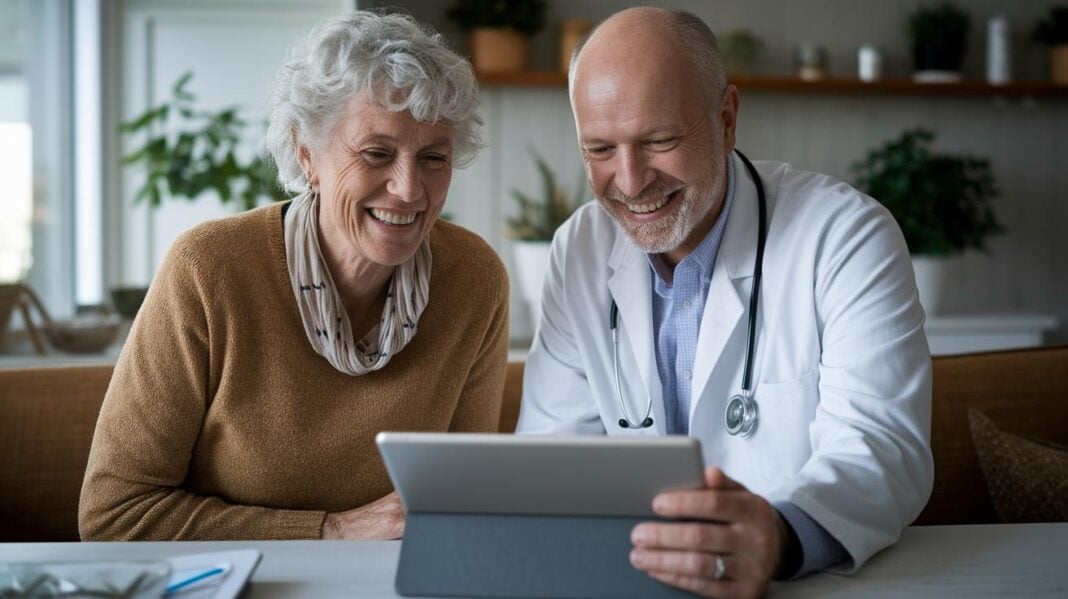

Ever thought a video call might change the way you get care? Video visits let you chat face-to-face with your doctor from home, so you can skip the long drive and the crowded waiting room.
They also help you save money by cutting down on travel and extra fees. It’s like tapping a simple button to get the care you need right away. And because these calls speed up treatment while easing the workload at busy clinics, more people can enjoy quality care.
Isn’t it cool how modern tech makes staying healthy so easy?
Core Benefits of Video Consultation in Healthcare
Video visits have really changed the game when it comes to getting health care. They cut out the hassle of long drives and lower the risks of getting exposed to illnesses, a need that became super clear during COVID. By chatting live with your doctor from wherever you are, you skip the clinic commute and help reduce overall strain on health services.
With these video calls, setting up an appointment is super simple. One-click links on apps like Zoom, WhatsApp, or FaceTime connect you instantly. You save on facility rent and travel costs, which means less money out of your pocket compared to traditional visits. Even sessions like physiotherapy can be just as helpful over video as they are in person. Curious to see how it all works? Check out more details on telemedicine.
- They cut out long trips and make health care easier to access.
- They lower travel and facility costs, which saves you money.
- One-click links mean you can book an appointment in a snap.
- Live conversations help you connect effectively with your provider.
- Even treatments like physiotherapy can work well over video.
Overall, video consultations not only speed up care but also make it more affordable. This smart approach helps both patients and clinics by reducing extra expenses and keeping care prompt and top quality. Isn't it nice when technology makes staying healthy this easy?
Expanding Patient Access Through Video Consultation

Many rural communities often struggle with a shortage of specialists and long travel times. Video consultations bridge that gap by linking patients with experts quickly, without the need for lengthy drives. One rural clinic in Nebraska even saw diagnosis times speed up by 30% after starting these sessions.
One patient dealing with chronic pain said, "My remote physiotherapy session felt almost as effective as an in-person visit." This example shows how video sessions can deliver high-quality care while tackling common rural challenges like few local services and mobility issues.
Today’s mobile health apps adapt to spotty network conditions in remote areas. They offer one-click connections and handy scheduling options so help is always available when needed. In one small town, flexible booking features helped reduce wait times despite occasional internet hiccups.
Time and Cost Efficiency of Video Consultations in Healthcare
Video visits mean you don’t have to drive, so everyone saves time. Instead of battling traffic, you log in from the comfort of your home. Automated reminders and one-click links help cut down on missed appointments. Ever notice how a simple text alert can make your day easier?
When hospitals spend less on facilities and staff, they can focus more on patient care. In fact, booking a video session with a tap can really lower extra costs. This way, more money goes into caring for you and less into overhead.
Doctors can check in on you in real time with a quick video call. This means you’re not left waiting and you get faster help. A short call might even set you on the right path to feeling better in just a few minutes.
Video Consultation Benefits for Chronic Disease Management
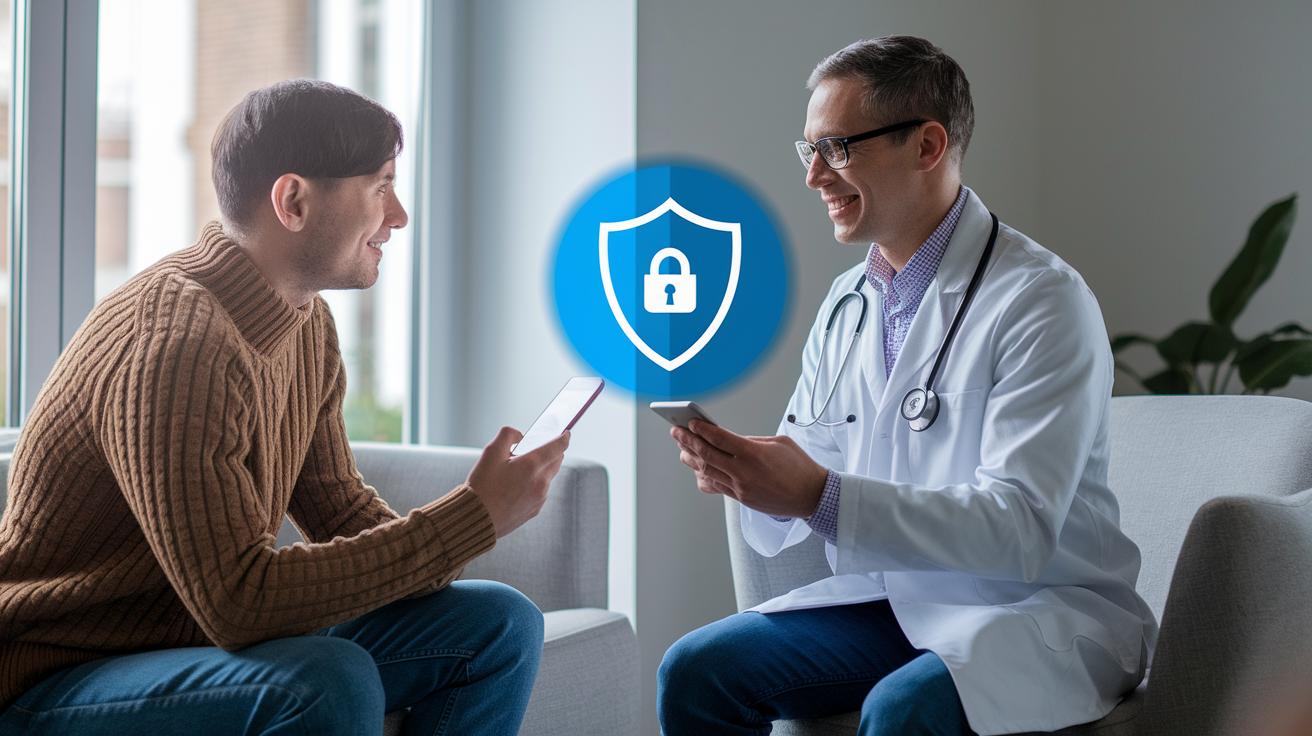
Video visits let people with chronic conditions get care without the hassle of a long trip. They make it simple to have regular check-ups, review medications, and learn how to handle your everyday health needs. One patient even said, "My remote physiotherapy session felt just as good as an in-person visit. I skipped a long drive and still got the help I needed." This way, it’s easier to follow treatment plans even when life gets busy.
Online video follow-ups also help build a strong bond between patients and their doctors. Seeing each other makes conversations clear and builds trust, which is key to staying on track with your care. And when doctors see you face-to-face, they can catch small changes early and adjust your treatment quickly, helping you feel supported and well.
Secure and Compliant Video Consultations in Healthcare
When it comes to digital health, keeping your information private is key. Video consults start with patient permission and follow clear e-health rules every step of the way. Healthcare providers stick closely to HIPAA (that's the set of rules that protects your personal health information) so you always know your details are safe.
Data protection in online care means using strong encryption, think of it as a secret code for your information, and reliable logins. The team gets hands-on training to spot and fix any security flaws during a call. Next, if you're looking for more tips on keeping your virtual care private, check out secure video consultation best practices in telemedicine. These steps aren't just about ticking boxes; they create a digital space where you feel at ease sharing your health concerns.
On top of that, tools like HIPAA-compliant email add another layer of security. This safe route lets health professionals send lab results, appointment details, and medical records without any risk to your data. By mixing encrypted video sessions with secure messaging, clinics cover all bases for telemedicine, protecting every part of your conversation.
Technical Barriers and Solutions in Video Consultations
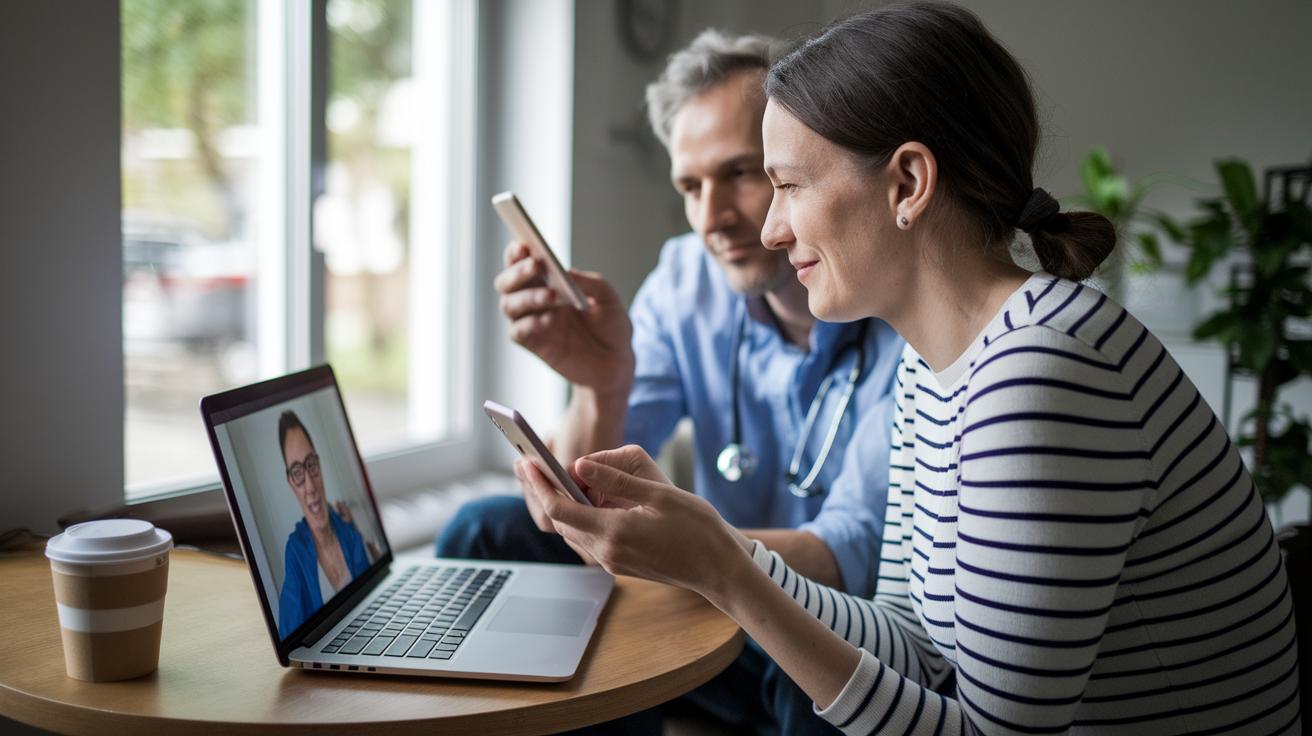
Many patients feel left out when they don't have a strong internet connection, the right devices, or the know-how to use video call tools. Some find apps like Zoom, WhatsApp, or FaceTime tricky, which can make a video visit feel rough. For example, doing a detailed check like looking at a patient’s swallowing may be much harder on video.
Patients and providers face extra challenges when devices and digital skills differ. Without a bit of training or easy access to tech help, video consultations can feel a bit intimidating. Simple fixes such as quick start guides or community tech sessions can really boost confidence and make the digital tools feel friendlier.
Using a standard telemedicine platform really makes a difference. When patients and staff get proper training on a well-known, easy-to-use app, virtual visits run much smoother. With steady tech support and clear instructions, remote care becomes welcoming and efficient for everyone.
Future Outlook: Innovations in Video Consultation for Healthcare
Forbes predicts telehealth could hit around $559.52 billion by 2028, mostly thanks to the boost in video call features. Today, video calls are the go-to method for real-time chats between patients and doctors, making health advice feel closer and more efficient.
Tech like secure messaging, digital monitoring tools (which help track your health remotely), and smart analytics using computer learning are stepping into the spotlight. These new features help doctors deliver care that feels just right for you, all while keeping you updated instantly.
New platforms are tackling old challenges by making systems work better together, easier to use, and more secure. They mix the benefits of video chats with smart gadgets that keep an eye on your health and send quick alerts when needed.
As these telemedicine tools evolve, both patients and health professionals can look forward to a smoother, more supportive experience. Innovation keeps nudging us toward better health outcomes, day in and day out.
Final Words
In the action, this post explored how video consultations boost care access through quick appointments, lower travel costs, improved chronic care, and secure data handling. It also touched on overcoming technical challenges and the exciting future of digital health.
• Easier access
• Quick scheduling
• Cost savings
• Secure interactions
• Future-focused care
Overall, what are the benefits of video consultation in healthcare? They offer a clear, reliable path toward a healthier, more connected life.
FAQ
What are the key benefits of telehealth for patients and providers?
The benefits of telehealth for patients and providers include improved access, cost savings, and quicker care. Virtual consultations reduce travel needs and exposure risks while allowing care to reach underserved communities.
How does telemedicine impact healthcare?
Telemedicine impacts healthcare by lowering costs and enhancing treatment speed. It improves patient outcomes through remote assessments and follow-up care, making services more convenient and accessible for everyone.
What is telemedicine and how is it used in healthcare today?
Telemedicine means delivering care through video consulting and digital tools. Recent articles show its growing use in safely managing patient needs, reducing in-office visits, and keeping both patients and providers connected.
What are the advantages and disadvantages of telemedicine?
Telemedicine’s advantages include easier access, cost reduction, and efficient scheduling. Disadvantages cover occasional technical issues and limits for certain exams, but ongoing support and clear protocols help manage these challenges.
What are the benefits of a video consultation?
A video consultation offers ready access to health advice, saves time and money, and allows quick initial assessments. Patients easily join sessions via smartphone, ensuring real-time care without lengthy travel.
How does medical video conferencing contribute to medicine and how does a video consultation work?
Medical video conferencing contributes by streamlining patient assessments and follow-up care. A video consultation works when a patient clicks a secure link to connect with a doctor for an immediate, efficient health discussion.