


Ever think about how one security slip-up can change the rules? A recent leak revealed private records and showed us just where our defenses were missing the mark. When hackers get in, they uncover weak spots that many never even noticed. So, officials are stepping in and updating the policies to keep our important data safe. In this post, we’ll walk you through what happened and how quick action sparked a new approach to security, making our digital world a little safer for everyone.
Snapshot of Recent Government Data Breaches
Looking at the big picture is important because it cuts through technical details and shows us the key events that shape how government agencies protect sensitive information. When we review these incidents, we can see where the weak spots are and what needs extra attention. This clear snapshot helps everyone understand cyber threats without getting lost in complex jargon. For example, imagine a rundown that shares not only how many records were exposed but also the different tricks attackers used.
Government breaches happen in many ways. They might exploit a flaw in a third-party service or use leaked login details from a former employee. This brief review is a handy guide for agencies to compare their security measures and response plans. It paints a picture of risks from federal to local levels, reminding us that no system is totally safe. Next, check out four notable cases:
| Agency/Entity | Date | Records Exposed | Breach Cause |
|---|---|---|---|
| U.S. Department of the Treasury | Dec 30, 2024 | Unclassified documents & workstations | State-sponsored actor via BeyondTrust vulnerability |
| U.S. State Government Agency | Unknown | Internal network access details | Leaked former-employee credentials used for VPN access |
| NSW Dept. of Communities and Justice | Mar 2025 | At least 9,000 court documents | Unauthorized access to online court registry |
| National Public Data | Apr 2024 | Nearly 3 billion records | Exposure via breach in background check system |
This rundown shows that the ways attacks happen and the amount of data compromised can vary a lot. It gently reminds us that we all must stay on our toes with smart, layered security strategies.
Root Causes of Government Data Breaches
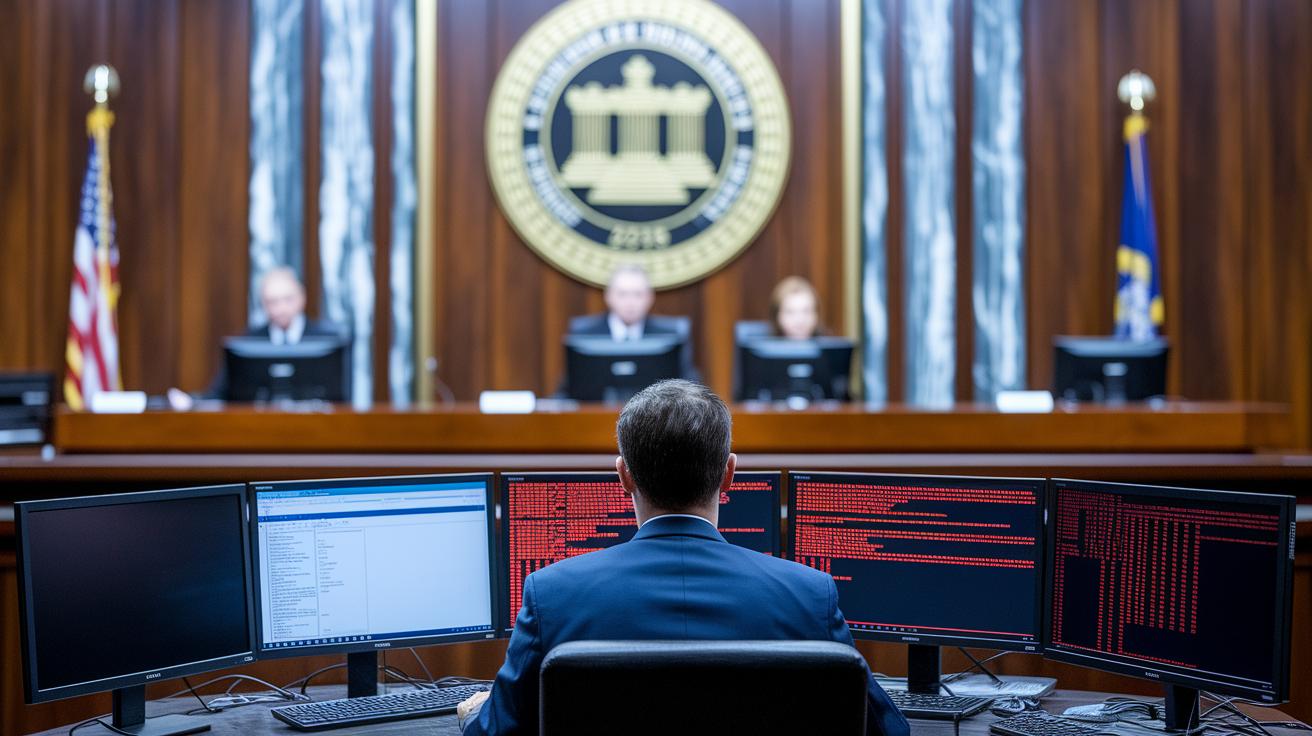
Public agencies are under constant cyber threats, and each attack reveals weak spots in their defenses. Think about examples like the BeyondTrust flaw, leaked administrator details, and unauthorized access to court records. These cases teach us important lessons.
One key takeaway is the risk from using third-party software. Attackers can slip in through common issues in these services. Next, managing login details is often a problem. Outdated rules sometimes let ex-employees keep access they shouldn't have. Also, old or lax controls allow sensitive data to be accessed easily, just as seen with online court registries.
These problems aren’t just isolated mistakes; they show a bigger picture. We need to update how agencies check and work with vendors, how they remove access when someone leaves, and how they protect sensitive records. Starting with a careful review of vendor checks and user removals can really boost security. Addressing these steps builds a stronger shield against future breaches.
Consequences of Data Breaches in Government Agencies
In 2023, the White House FISMA Annual Report recorded 11 big incidents using the NCISS system. Agencies now spot threats faster thanks to better SOC detection and more automation. This uptick might seem worrisome, but it also shows that our monitoring is on point. With these improvements, agencies are finding weaknesses quicker while also uncovering leaks of private information.
Breaches hit consumers hard. Many people affected by the National Public Data incident were not told about it, leaving them open to identity theft and shaking public trust. In fact, some legal cases have started because agencies didn’t send breach notifications on time. This has made it clear that government groups need to boost their security measures and remind us to check our credit and bank accounts regularly.
Case Studies of High-Profile Government Data Breaches

The government systems we trust to keep our data safe sometimes show weaknesses. These stories teach us important lessons about strengthening our defenses, even if the details have been discussed before.
U.S. Department of the Treasury Breach
On December 30, 2024, a state actor found a flaw in a common third-party service. This allowed them remote access to workstations and documents that were not classified. It only takes one small weak point for a big problem to occur.
Example: Imagine a technician sees a small glitch and says, "That tiny red flag led to a full review that stopped more data from leaking."
State Government Agency Intrusion
Attackers got administrator usernames and passwords that were once forgotten. These leaked credentials let them jump over VPN protections because the old authentication system was not updated. This shows how dangerous it can be to let old access rights linger.
Example: Picture an office where someone still uses long-forgotten login details – "A forgotten password opened the door for a chain of attacks."
New South Wales Court Registry Breach
In March 2025, attackers found an unknown way to break into the NSW court registry. They accessed nearly 9,000 court documents. This incident reminds us that even systems built for secure recordkeeping can be at risk if new threats are ignored.
Example: Think of a secure vault left slightly open – "An unexpected method made it possible for attackers to access highly confidential documents."
National Public Data Breach
In April 2024, a background check system lost almost 3 billion U.S. records. The breach happened because of problems with getting proper consent and slow alerts. This event has led many to rethink how data is managed and how quickly people are informed about a breach.
Example: Visualize a moment when delayed alerts leave millions exposed – "Seconds matter when so many records are at risk."
Governmental Protocols and Regulatory Responses to Data Breaches
FISMA rules have pushed agencies to completely rework their security efforts. They now use sharper SOC alerts, smarter automation, and fresh tracking methods. Officials keep a closer watch on their systems so that as soon as something seems off, they act right away. This quick-response setup shows their commitment to finding and fixing weak spots fast, keeping important data secure.
Next, the NCISS scoring system helps decide the seriousness of each breach. Government teams sort these issues by risk, from mild to severe, and adjust their response plans based on the level of danger. Clear reporting rules make sure every incident gets the right attention, guiding teams to handle issues and alert the proper people without delay.
State laws also require agencies to let people know if their data might be at risk, and they must do it quickly. Not following this rule can bring heavy fines under today’s data privacy laws. These laws promote openness and make sure agencies are held accountable. In short, missing these steps opens the door to big penalties and more oversight.
New policy changes are coming soon. Regulators are busy updating rules to allow ongoing monitoring and easier tracking of incidents. These updates aim to help agencies react faster to new threats and streamline the way they notify everyone, keeping public information safe and ensuring accountability.
Strategies to Prevent Future Government Data Breaches

Agencies can boost their security by using simple technical methods. For example, multi-factor authentication means you prove who you are in more than one way before logging in. Strong encryption acts like a digital shield so that even if a hacker slips in, the data stays safe. Regularly updating software fixes weak spots, much like tightening a loose bolt on a secure vault. Together, these measures build a digital wall that is really tough for intruders to overcome.
Procedural steps are just as important. Agencies should routinely check and remove old credentials that no longer need access. It’s also smart to review vendor risks so that any outside partners follow secure practices. Regular staff drills let everyone practice their response, almost like running a rehearsal. This clear, organized plan helps each team member know what to do if a breach occurs, keeping damage to a minimum.
Next, using risk-management frameworks across all departments helps highlight vulnerabilities and smooth out response strategies. Regular risk assessments show where outdated practices might hide problems and reveal where investments in better automation tools and staff training are needed. When every department works together, a strong safety net is built, making it much easier to keep important data secure.
Emerging Trends in Public Sector Cybersecurity
Technology is changing fast, and public agencies are catching on. They now use smart, AI-powered threat analysis to keep an eye out for anything unusual. This means clever computer programs help spot trouble before it grows. Plus, many agencies now use a zero trust system that checks every access request, no matter where it comes from. Cloud security tools and round-the-clock monitoring make sure even remotely stored data stays safe. Imagine a system that learns from every attempt to breach it and gets stronger every day.
Agencies are also taking a hard look at risks from their big, tangled supply chains. They’re working to share important threat alerts between different departments and even across various government bodies. When everyone talks and shares, spotting a weak point in one area can prevent bigger problems in another. This teamwork and new approach show that public entities are ready to tackle cyber threats head-on, adapting and growing more resilient every day.
Final Words
In the action of this blog, we broke down recent events, from major government data breach cases to how federal and local agencies manage risks. We touched on common attack methods, case studies, and the practical steps agencies can use to guard against future incidents.
The discussion also highlighted emerging trends and smart defense strategies. It’s reassuring to see how clear, proactive measures and fresh tech can support safe, efficient digital healthcare and secure public systems. Stay optimistic and informed as we all move toward a safer digital future.
FAQ
What notable U.S. government data breaches have occurred recently?
The question about recent U.S breaches is answered by noting events such as the Treasury breach in December 2024, a state agency VPN breach, and the National Public Data breach in April 2024. These cases show gaps in government security.
What examples show the scope of massive data breaches today?
This question highlights cases like the National Public Data breach that affected nearly 272 million individuals, clearly demonstrating the large scale and wide-reaching impact of these incidents.
How can I check if my SSN or personal data was breached?
You are directed to trusted monitoring sites like HaveIBeenPwned, where you can search various databases to see if your information appears in any known breaches.
Has the IRS experienced a data breach recently?
There are no confirmed reports of the IRS being breached recently, so it is best to keep an eye on official IRS notices for any updates.
How much compensation might one get after a data breach?
Compensation levels vary based on legal cases, the extent of the breach, and proven damages, which means awards differ widely by situation.