


Ever thought a few small changes might help keep your heart strong all day? Imagine your heart as a hardworking engine that deserves a bit of extra care. Even little habits like choosing a fresh snack, taking a brisk walk, or pausing for a quiet moment can ease its work and make you feel better.
In this post, we share simple tips on healthy eating, gentle movement, managing stress, staying hydrated, and getting enough sleep. Each step is a small boost that adds up to a happier, healthier heart. Isn’t it amazing how a few tweaks can deliver big benefits?
Essential Heart Wellness Tips for Daily Cardiovascular Health
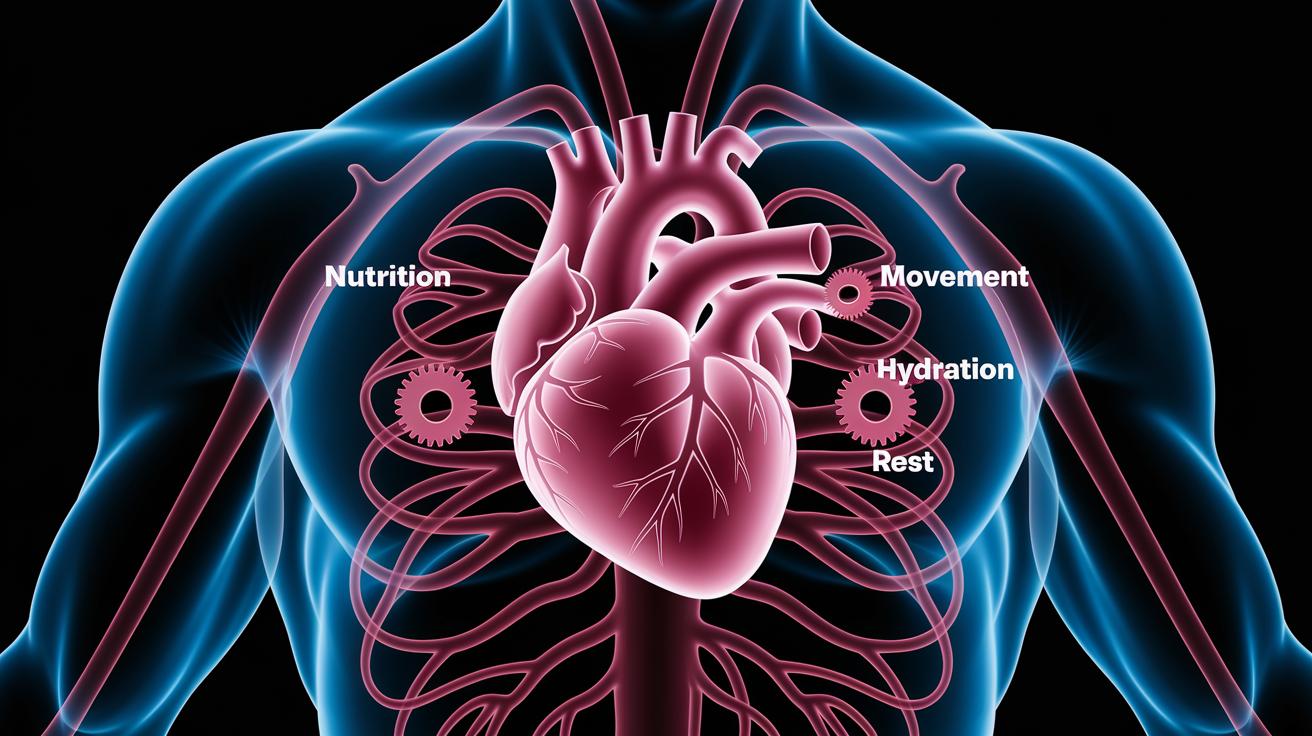
Your heart is an amazing pump that moves about 2,000 gallons of blood every day. Treat it like a well-loved engine; when you lighten the load, it keeps working smoothly for longer. Even small changes, like taking it easy on busy days, can help your heart stay strong.
When you think about daily wellness, focus on five key areas: nutrition, movement, stress, hydration, and rest. Eating fresh, plant-based foods gives your body the right kind of fuel, and a brisk walk works wonders for getting moving. Managing stress helps keep your pulse steady, staying hydrated eases blood flow, and a good rest gives your heart time to recover.
Little adjustments add up over time. For example, swap out a sugary snack for a piece of fruit, take a short walk after meals, or set aside a few minutes to relax. Every small step makes your heart a bit healthier, so you can feel your best every day.
Heart-Healthy Dietary Guidelines and Meal Planning
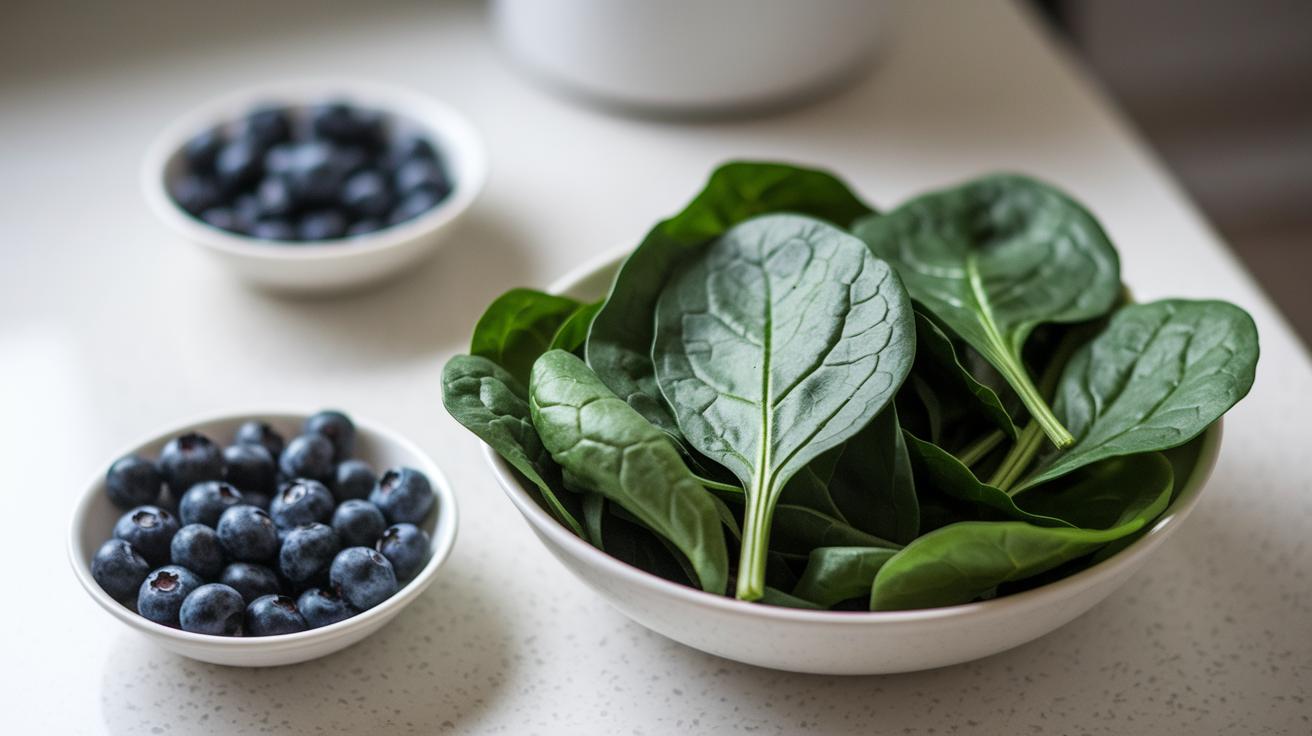
Good nutrition is key to a strong heart. It gives you energy, helps your blood flow smoothly, and eases your heart’s work. When you choose good foods, you can keep cholesterol and blood pressure in check while still enjoying mealtime. Adding wholesome ingredients to your recipes sets the stage for a healthier heart and a brighter day.
Fruits and Vegetables for Heart Health
Colorful fruits like blueberries and leafy greens such as spinach are packed with antioxidants that help lower the risk of heart issues. You can enjoy spinach fresh in a salad or lightly sautéed with garlic and onions for extra flavor. Try to eat several servings every day. For example, mix a handful of blueberries into your morning yogurt and enjoy that sweet burst as it cares for your heart.
Whole Grains and Fiber
Whole grains like quick oats and quinoa are great sources of fiber. They help manage cholesterol and give you energy that lasts throughout the day. Plus, they’re simple to prepare for breakfast or lunch. It’s like giving your heart a steady, nourishing beat.
Lean Protein Choices
Foods like fish, beans, and chicken provide lean protein that supports muscle repair without too much saturated fat. Keeping your portions moderate is a smart way to maintain muscle strength and good heart function.
Liquid Plant Oils over Saturated Fats
Avocado oil and walnut oil are excellent choices because they have healthy fats that help reduce bad cholesterol. A light drizzle over your dishes can be all it takes to make your meal more heart-friendly.
Low-Sodium Seasoning Techniques
Instead of loading on salt, try using dried or fresh herbs, spices, or a splash of citrus zest to boost natural flavors. This easy change helps support a healthy blood pressure.
| Meal | Key Ingredients | Heart Health Benefit |
|---|---|---|
| Breakfast | Quick oats, blueberries, avocado oil | Fiber, antioxidants, healthy fats |
| Lunch | Spinach salad, quinoa, lean protein | Antioxidants, cholesterol control, muscle support |
| Dinner | Vegetable stir-fry, legumes, walnut oil | Vitamins, protein, LDL reduction |
Strategies for Blood Pressure Balance and Cholesterol Control

Regular visits to your doctor can be a real lifesaver. They help you see how your blood pressure and cholesterol are doing over time. This way, you can spot any shifts early on without letting worry pile up.
Staying well-hydrated is another simple trick. When you drink enough water, like having a glass with every meal, it keeps your blood flowing smoothly and helps your heart work with less effort. It’s almost like giving your body a little, refreshing boost throughout the day.
What you eat matters a lot too. Adding foods rich in omega-3 fatty acids, such as nuts and seeds, can help lower the bad cholesterol. And why not toss in some berries or other antioxidant-packed fruits? These ingredients act like tiny helpers, keeping harmful build-ups in check while supporting your heart.
Combine these habits, a balanced diet, regular doctor visits, and hydration, and you build a strong foundation for steady blood pressure and healthy cholesterol. It’s all about those small, daily steps that add up to a healthier life.
Effective Cardiac Exercise Routines to Boost Heart Strength

When planning your weekly cardio sessions, try setting simple, clear goals. Aim for about 150 minutes of moderate activity each week, or break it up into 15- to 20-minute bursts every day. A brisk walk around the block or a quick bike ride can do wonders for your heart. These short, focused sessions keep your blood moving and ease your heart's work, all while boosting your energy and balancing your day.
Mixing up your exercises can make your routine even more fun. Start with a steady, brisk walk to get your blood flowing, then add some cycling intervals that push your pace a bit. You might enjoy a gentle yoga routine for calm and improved circulation. Light resistance exercises help build muscle strength, and a bit of dynamic stretching keeps you flexible. Setting small, easy-to-track goals keeps you motivated, with every step, stretch, and pedal moving you toward a healthier heart.
Stress Reduction and Sleep Improvement for Heart Wellness

Stress can really weigh on your heart. When you're under constant stress, your body releases more cortisol, and your heart ends up working harder than it should. Simple practices like guided breathing or mindful meditation can help ease this load. Think of these techniques as turning down a noisy room, small, calming steps that let your heart relax.
A steady sleep routine is just as important for your heart. When you line up your sleep with your body's natural rhythm, you might find you sleep more soundly, and even your blood pressure gets a break. Try setting a regular bedtime and winding down with gentle stretches or a quiet mindfulness moment. Building these habits not only soothes stress but also supports a daily routine that keeps your heart happier over time.
Final Words
In the action of lightening your heart’s load, small yet steady changes in diet, movement, stress relief, hydration, and sleep can make a big difference.
We explored heart-safe meal ideas, practical exercise routines, and mindful tips to keep daily care simple and relatable.
Keep applying these wellness tips for heart health, and enjoy every step toward a secure, vibrant future.
FAQ
What are some effective ways to keep your heart healthy?
The question about keeping your heart healthy highlights practical tips like a balanced diet, regular physical activity, stress management, proper hydration, and good sleep habits. Small daily improvements add up over time.
What are steady rules or habits for a healthy heart?
The question about heart habits stresses establishing routines such as regular exercise, nutritious meals, stress relief, adequate sleep, and scheduled checkups. These consistent practices help maintain a strong, healthy heart.
How can one improve heart health quickly, over 30 days, and naturally?
The question on quick, 30-day, and natural heart improvement suggests boosting exercise, choosing wholesome foods, managing stress, staying hydrated, and getting proper sleep to support your heart’s function.
What can be done in seconds to prevent or stop a heart attack?
The question on immediate heart attack tactics explains that there isn’t a guaranteed 7-second trick. Responding swiftly by calling 911 at the first signs is crucial while waiting for emergency help.
How can plaque in the heart be reversed?
The question on reversing heart plaque means adopting a heart-friendly lifestyle through a fiber-rich diet, regular physical activity, and following medical advice, which gradually may help improve blood flow and reduce blockages.
What should be avoided when managing heart problems?
The question about avoiding risks with heart issues advises steering clear of high-sodium foods, excessive stress, inactivity, and smoking, as these choices may reduce strain on your heart and support overall wellness.