


Ever thought a video call might help you heal faster? Post-surgery video visits might seem simple, but they let you check in with your doctor in a whole new way. Imagine chatting face-to-face about your progress, all from the comfort of your home.
This approach makes it easy to get quick appointments and catch any concerns early. It also keeps you relaxed during your recovery. In truth, modern technology is here to support you when you need it most.
How Video Consultation Works for Post-Surgery Follow-Up Care
Using video calls for follow-up care after surgery makes it easy for you to chat with your doctor without ever having to leave home. With telehealth, you can have face-to-face video sessions, quick check-ins about your recovery, and even send secure messages, all from the comfort of your living room. It’s like making a regular video call but with a focus on keeping an eye on your healing progress.
Scheduling is a breeze. First, you pick a time that works for you, and then your doctor sets up the call on a familiar platform you might already use for video chats. During the call, your provider goes over a simple list of symptoms, checks on your medication, and talks through any concerns you might have after surgery. This clear process helps spot potential issues early, which gives you both peace of mind about your recovery.
Here are a few reasons why this method works so well:
- Easy appointment setup that fits right into your busy day
- Less travel time means you stay comfy at home
- Lower costs since there’s no extra administration or facility fees
- Better engagement using digital checklists and timely reminders
- Early identification of issues to help prevent additional hospital visits
- Quick access to specialist advice when you need it
In truth, using telehealth for your post-surgery care is more than just a quick check-up. It becomes a solid support system that ensures you get personalized care exactly when you need it, easing your transition back to daily life.
Setting Up Video Consultations for Post-Surgery Follow-Up
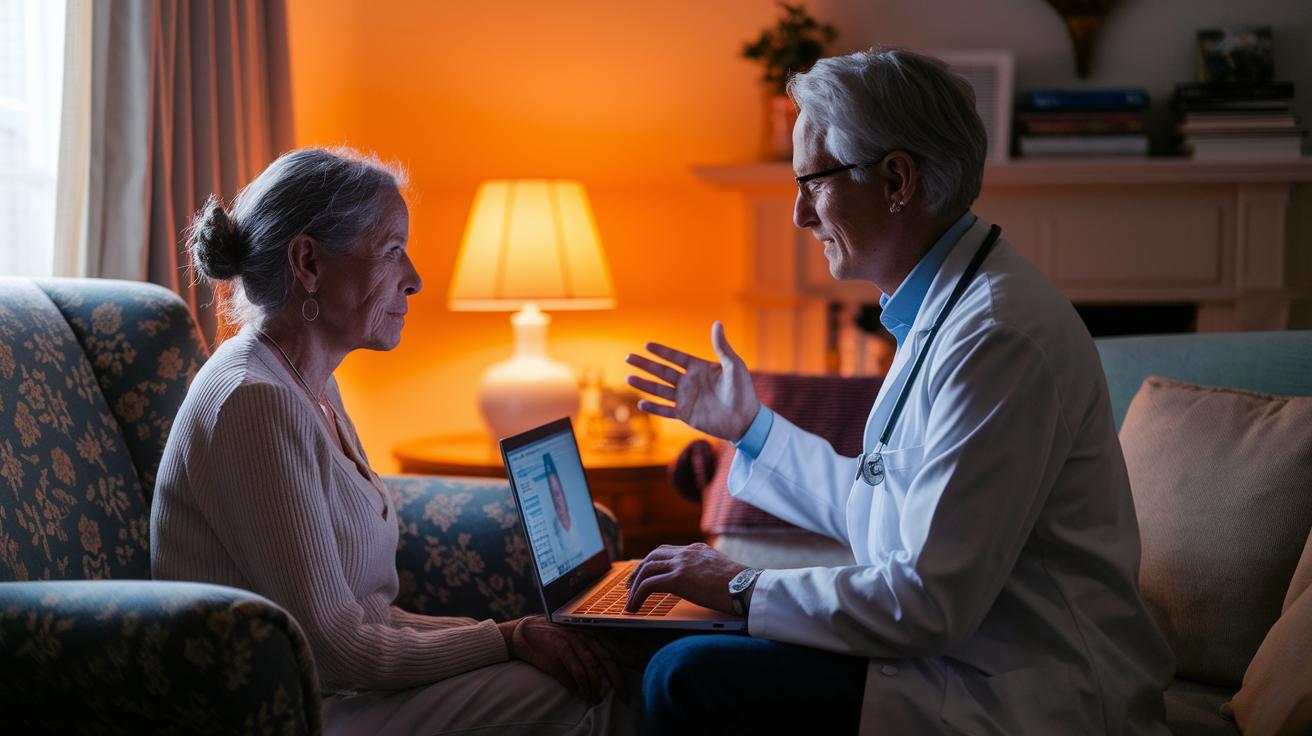
Before your appointment, make sure you’ve got a working smartphone, tablet, or computer and a steady internet connection. Log in to your Patient Portal and pick a quick 15-minute follow-up session through Michigan Medicine’s Surgery eClinics. The portal works much like Skype or FaceTime, guiding you step-by-step to book your telemedicine checkup. It supports follow-ups for areas like gastroenterology, urology, and general surgery, and early reports say everything runs smoothly with no major post-surgery issues.
Next, get your space ready for the video call. Check your camera and software to be sure you can see and hear clearly. Set your camera at eye level and pick a spot that’s well lit with few distractions. This makes your online post-surgery session feel almost like an in-person visit, so you can focus on your recovery without any hassle.
Ensuring Privacy and Security in Post-Surgery Video Consultations
Video consultations for follow-up care after surgery take place on HIPAA-approved platforms that keep your health information safe. These systems stick to strict rules and federal privacy laws to make sure your personal details stay private. This careful approach builds trust and ensures that your digital aftercare is both secure and effective.
Every video call is protected by end-to-end encryption and secure messaging channels, which work like locks on your conversation. The software is designed to block any data breaches and gives you a clear view of your post-op digital health reviews. Plus, the low start-up costs mean these systems are easy to access while still offering robust protection for online surgical aftercare.
Patients and providers share the responsibility for keeping information safe. That means using unique passwords, updating software regularly, and joining video consultations through secure networks. Sticking to these practices is key for smooth remote post-op checkups and overall digital care tracking, ensuring that every follow-up session is secure and trustworthy.
Evidence and Outcomes from Video Consultations in Post-Surgery Care

Recent systematic reviews show that using video calls for post-surgery follow-up care can bring real benefits. Many patients save a lot of travel time and end up missing fewer workdays because they can do their check-ups online. For example, more than 95% of urology patients have told us they are very happy with these digital recovery sessions. Plus, with remote monitoring (keeping track of your health from afar), any signs of complications can be spotted early. Doctors have seen that these virtual visits are safe, and in early groups, no extra surgeries were needed. In truth, this evidence makes a strong case that video check-ups can provide efficient care while keeping patient safety in focus.
| Patient Group | Key Outcome |
|---|---|
| Urology Patients | Satisfaction Rate: 95%+ |
| General Surgery | Time Savings: Fewer workdays missed |
| Mixed Post-Surgery Cohorts | Readmission Reduction: Fewer hospital revisits |
These results show that virtual check-ups aren’t just a convenient option, they actually help patients recover better. The digital recovery sessions are more than a time-saver; they allow health professionals to respond quickly when something is off, reducing stress for everyone. And, as more data backs this method, video consultations are becoming a smart, patient-friendly standard in post-surgery care.
Overcoming Challenges in Post-Surgery Video Consultations
Not every patient has a dependable smart device or feels at ease with technology. A lot of people simply don’t have the tools they need for good post-op digital check-ups. This can make remote follow-up care tough right from the beginning. Sometimes, a new digital setup can feel really overwhelming, slowing down the process of getting the care that helps with recovery.
Recovering from surgery can be a lot, especially when fatigue, pain, or stress gets in the way. When you’re already feeling the strain, joining a video consultation might seem like just one more thing to worry about. This can mean missing out on appointments or not getting quick updates on how things are healing, which kind of takes away from the benefits of digital aftercare.
Online exams can only do so much too. Without a hands-on look at a surgical wound, it’s easy to miss early signs of problems. To deal with this, doctors often ask patients for clear photos or to keep a simple log of symptoms. Sometimes, mixing a video call with occasional in-person visits turns out to be the smartest way to track recovery properly.
Future Directions in Video Consultation for Post-Surgery Care

The future of video consultations after surgery looks very promising, thanks to wearable sensors and connected health devices. Clinics are finding that the start-up costs are low, which means this digital recovery system can grow quickly. Picture this: a device that sends live health updates to your doctor all day long. It feels like a gentle tap reminding you that your healing is on track.
New smart systems that check your symptoms and improved insurance policies will make these remote visits even better. As technology advances, doctors may soon spot issues before they fully develop, allowing them to act fast. With these integrated remote care tools, your follow-up care becomes more personal and timely. In truth, post-surgery care is stepping into a new, patient-friendly era.
Final Words
In the action, the article showcased how video consultation works for post-surgery follow-up care and the many benefits it offers. The discussion covered setting up secure video appointments, practical preparation tips, and the overall positive outcomes for patients.
It's clear that using video consultation for post-surgery follow-up care brings convenience, early intervention, and enhanced recovery. The innovative approach leaves readers with a feeling of empowerment and optimism for accessible health management.
FAQ
How does telehealth improve surgical practice and data exchange?
The telehealth approach improves surgical practice by enabling remote consultations and sharing clinical data securely. It helps surgeons communicate clearly with patients and manage care effectively without needing an in-person meeting.
What does a follow-up consultation after surgery involve?
The follow-up consultation after surgery involves reviewing your recovery, checking pain and wound condition, and discussing any concerns. This session, often held via video call, helps adjust care plans and monitor progress.
What are the 5 P’s of postoperative care?
The 5 P’s of postoperative care include pain, pulse, pallor, paresthesia, and paralysis. These factors help healthcare providers quickly spot recovery issues and address any complications that might arise.
What are the downsides of virtual appointments?
The virtual appointments can limit physical exams, present technical issues, and sometimes miss subtle signs of complications. These factors may make it challenging to capture a complete picture of your recovery.
What are the guidelines for post-op monitoring?
The guidelines for post-op monitoring recommend secure video consultations, regular symptom assessments, and strict privacy measures. Following these steps helps catch potential problems early and keeps recovery on track.