


Have you ever wondered if a video call could feel as comforting as a face-to-face visit with your doctor? New tools let your smartwatch send your health data in real time, and follow-up chats can feel surprisingly personal. Still, nothing matches the warmth of an in-person exam when you need a thorough check-up. In this piece, we explore whether video appointments can truly serve as a real alternative and why a mix of both might be the best way to stay healthy.
Comparing Video Consultations and In-Person Visits in Healthcare
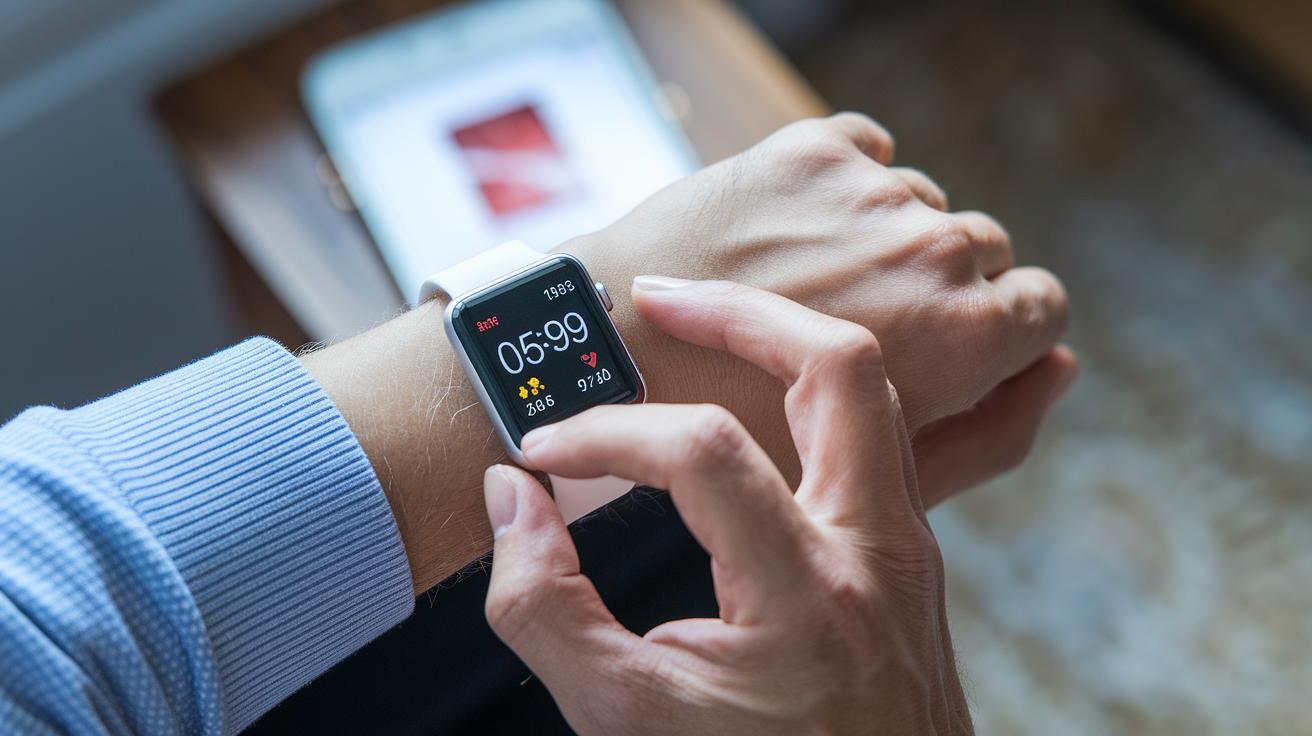
Video appointments let you connect with your doctor quickly from the comfort of your home. Imagine chatting with your physician while your wearable, like a smartwatch, sends live readings such as blood pressure and heart rate. It feels simple and convenient, especially for older adults, folks with chronic health issues, or people who travel a lot. Your doctor can easily check on medications, look over any side effects, and keep an eye on your vital signs, almost like a friendly follow-up call. And when it comes to mental health, video chats help therapists offer advice and boost your overall well-being.
On the other hand, sometimes you really need that personal touch. Face-to-face visits are key when you need a hands-on exam, such as for wound care, checking a bump, or testing reflexes. A video call might show you have a rash, but nothing beats an in-person check where a doctor can carefully look and feel to build trust and clear up any concerns. Plus, in emergencies like a heart attack or severe injury, getting help in person is vital.
Remote monitoring devices can send important data to your doctor during video visits, making virtual care a useful addition to regular check-ups. Still, they work best when they back up rather than replace a full, in-person exam.
Key Benefits of Video Consultations in Healthcare
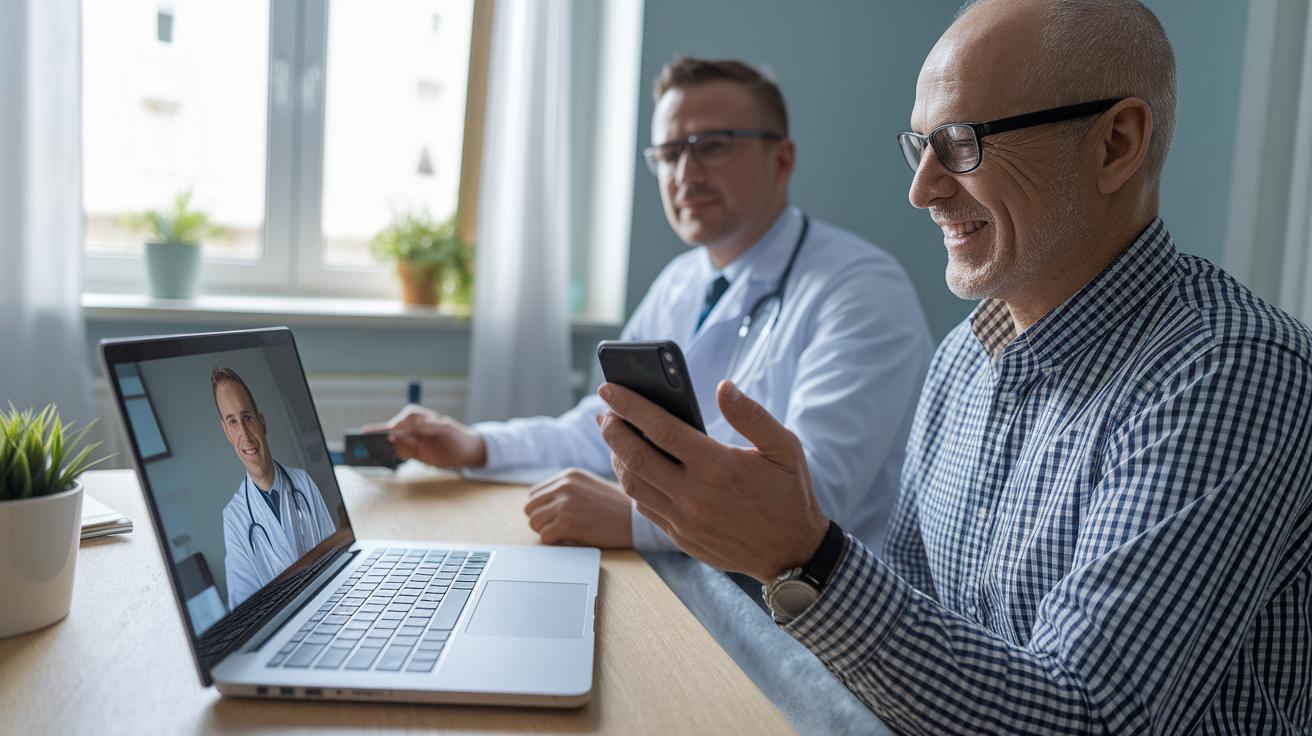
Video visits do more than help with ongoing conditions. They also make care easier after surgery and in areas where doctors are hard to reach. One patient said, "I felt cared for even from afar during my recovery, which made a big difference."
Doctors can now check your medications live and keep an eye on your health in real time. They also follow up with you in a way that fits your personal needs. In fact, a recent survey found that 82% of users felt happier and got quicker help with small concerns.
Benefits of video visits include:
- Easier access for follow-ups and long-term care
- Better support for mental health
- Faster, safer medication checks
- Quick wellness visits to help prevent issues
- Less time and money spent on travel
Limitations of Relying Solely on Video Consultations

Video visits are super convenient, but they aren’t the same as meeting your doctor in person. They can’t perform a full, hands-on exam. Imagine trying to check a small bump or watch how you walk using only a screen. If an emergency like a heart attack or a serious injury happens, you need quick, physical help that a video call just can't provide.
Also, video calls often miss the little body language cues that help build trust, kind of like trying to guess someone’s mood over the phone. And if your internet is spotty or your device isn’t up to par, it can interrupt your care and make the whole check-up feel less effective.
Ideal Use Cases and Hybrid Care Models Combining Video Consultations with In-Person Visits

Video calls work great for quick follow-ups, checking on chronic conditions, chatting about mental health, reviewing meds, and doing regular wellness checks. They offer a simple way to keep in touch with your doctor between visits. You might say, “I updated my doctor on my blood pressure readings from home even before my in-person appointment.” Pretty neat, right?
Seeing your doctor in person still shines when you need a solid diagnosis, complex treatment, or a detailed physical check. Tasks like assessing your mobility or checking home safety make much more sense with a clinician in the room.
Mixing these two methods gives you the best of both worlds. It keeps your treatment plan on track and builds trust with your care team.
Key benefits of this mix include:
- Regular virtual check-ins that help follow your treatment plan.
- Appointment systems that connect online and in-person visits.
- Fewer travel and schedule worries, making it easier to stick with your plans.
- Better engagement through a sense of continuous, connected care.
Smart scheduling tools blend both methods seamlessly. This helps ensure you get ongoing care, supporting better health outcomes and making sure everyone gets the attention they truly need.
Technological Advancements Enhancing Video Consultations Effectiveness

New encryption methods now use quantum-resistant codes to safeguard your data against even the most advanced breaches. Imagine a lock that keeps rearranging its numbers on its own, some systems use adaptive ciphers that adjust as new threats pop up. Meanwhile, AI now checks imaging data and medical scans during video visits, catching details beyond basic symptom reviews to give doctors a richer view of your health.
Medical devices are starting to share data more smoothly. Think of wearables, home monitors, and clinical equipment all working together to create a clear picture of your well-being. Soon enough, these tools might even connect with your smart home system and alert your doctor if something unusual happens with your vital signs.
These technological strides mean that video consultations are more than just a handy option, they add layers of insight and security to every session. In truth, remote care is evolving into a more supportive, personalized experience for everyone.
Regulatory, Privacy, and Safety Considerations for Video Consultations
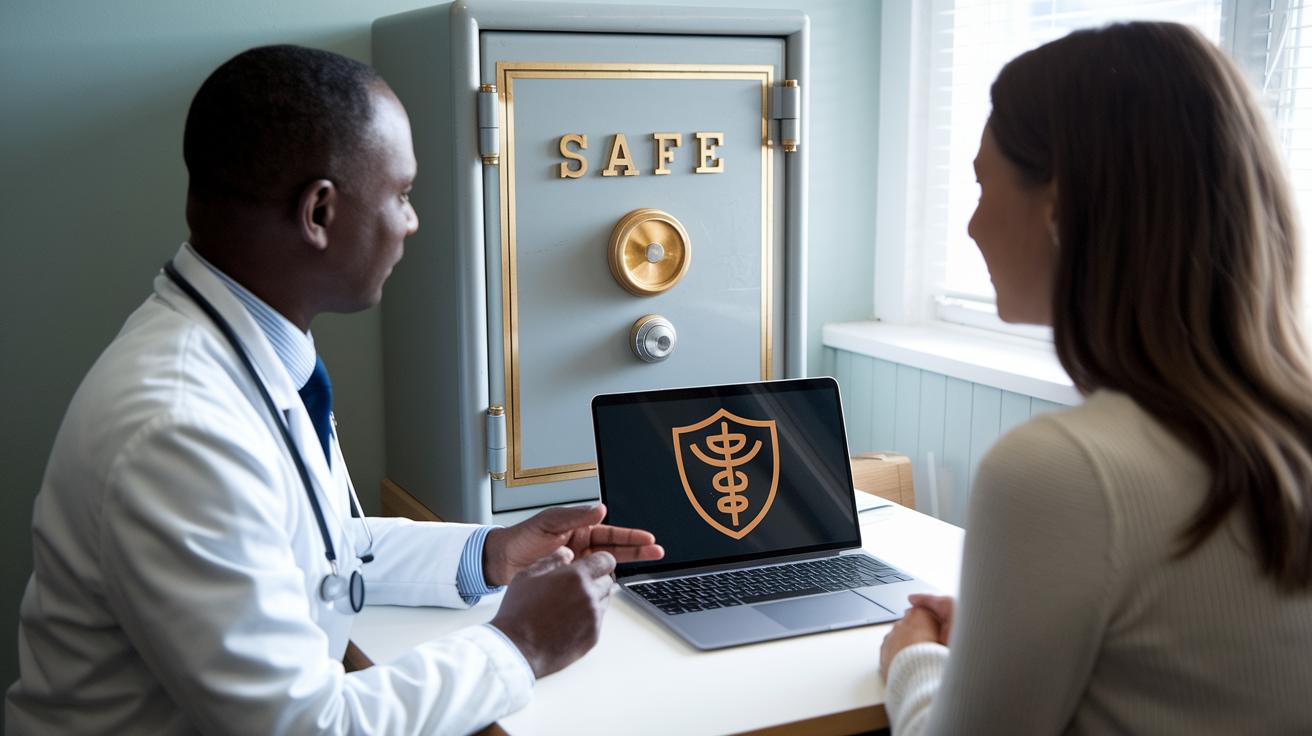
Telehealth platforms follow strict rules to keep your health information safe. They stick to HIPAA guidelines, which means they use secure methods like end-to-end encryption and safe data storage to protect your details during every session. Picture your doctor accessing your records from a locked, constantly changing safe, this is similar to how end-to-end encryption works. They also follow GDPR rules when needed.
They add extra layers of security by confirming patient identity and setting up role-based access controls. Only approved team members can see sensitive information, and each access is recorded in audit logs. This makes it easier to spot anything unusual.
Clear emergency plans are in place for those moments when a video call quickly turns into urgent care. Simple documentation and follow-up steps help keep everything organized, ensuring your care stays consistent and complete.
A lot of telehealth services now use expert guidelines to shape their procedures. If you’re curious, you can check out providers listed as HIPAA compliant here: HIPAA compliant video consultation platforms.
This blend of regular security audits and smart, automatic compliance creates a balanced system that supports ethical care and keeps virtual visits secure.
Final Words
In the action, we examined how video consultations and face-to-face visits offer unique strengths in healthcare. We highlighted the benefits of quick follow-ups, mental health support, and medication reviews, while noting limitations in physical exams and urgent care responses. We also explored how hybrid care models blend virtual check-ins with in-person visits for more personalized results. With ongoing tech improvements, the question remains: can video consultations replace in-person visits in healthcare? The future looks promising as we continue to work toward easier, secure, and effective health management.
FAQ
What is telehealth?
Telehealth refers to receiving health care via video chats or phone calls, which means you can connect with your doctor from home without the need to travel to an office.
How has telehealth impacted healthcare and patient outcomes?
Telehealth has boosted access to routine care and chronic disease monitoring, enhancing patient outcomes through easier follow-ups and supportive mental health services, even though some situations still require hands-on examinations.
What benefits did telehealth offer during COVID?
Telehealth reduced exposure risk during COVID by keeping patients safely connected with their providers, ensuring continuous care while easing pressure on health facilities.
How effective are virtual appointments compared to in-person visits?
Virtual appointments work well for routine follow-ups and minor evaluations, yet in-person visits are better suited for comprehensive exams, emergencies, and when a more personal connection is needed.
When is telemedicine preferred over in-person visits?
Telemedicine is preferred for regular check-ups, minor symptoms, and medication reviews, but hands-on assessments and serious conditions are best managed with in-person care.
Which telehealth format can substitute for face-to-face visits?
Video consultations are a strong substitute for in-person visits when it comes to managing routine care and chronic conditions, offering a convenient and effective alternative for many patients.
What benefits does telemedicine offer patients?
Telemedicine cuts down travel time and costs, boosts appointment adherence, and broadens access to health care, especially for those living far from medical centers or with mobility limits.