


Ever think your food could be the spark that brightens your day? Sometimes, our usual diets feel dull and repetitive. But a little change, like choosing whole grains over refined ones, might be just what you need.
Imagine starting your morning with a slice of creamy avocado toast or a hearty scramble that fills you with energy. This post shares simple ideas to add both flavor and fuel to every meal. Next, you might just find your day feeling a bit more vibrant and full of life.
Actionable Wellness Tips for Healthy Eating: Radiant Life Achieved
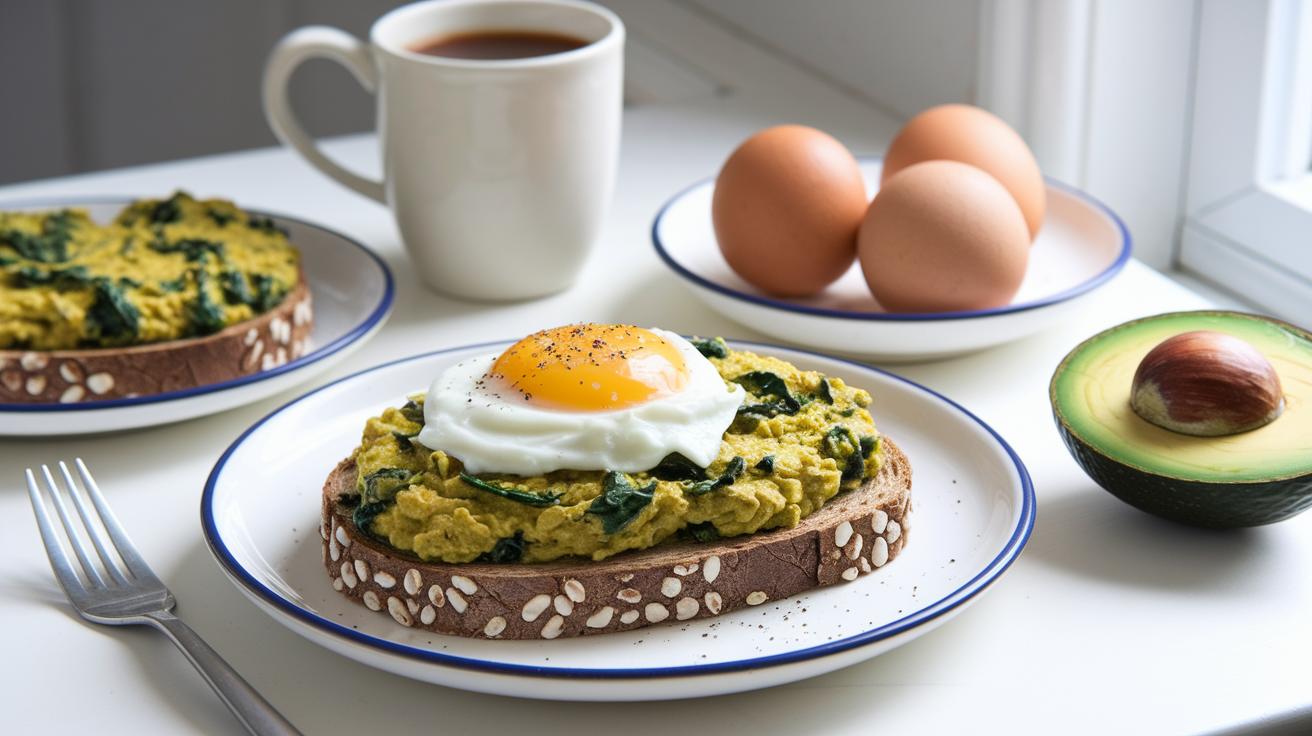
Begin by swapping out refined grains for whole ones. Instead of white bread or regular pasta, opt for whole wheat versions that come with extra fiber and nutrients. For example, imagine toasting a slice of whole grain bread, topping it with creamy avocado, and enjoying that fresh burst of flavor to kickstart your day.
Next, try boosting your protein by adding smart choices like Greek yogurt and eggs. These simple options help keep your muscles strong and your energy up. How about mixing eggs with a handful of spinach for a cheerful scramble that leaves you feeling ready to take on the day?
Also, steer away from foods advertised as “diet” items that might be hiding extra calories. Instead, pick foods that are naturally nutritious and really fuel your body. When you find yourself craving a satisfying crunch, reach for a small handful of unsalted nuts rather than processed chips or low-fat snacks that might not keep you full.
Make cooking at home a regular habit. Experimenting in your kitchen not only lets you control every ingredient, but it can also be a fun creative outlet. Why not try a new recipe each week? Imagine the thrill of discovering a unique taste that turns a normal dinner into something unexpectedly delightful.
- Swap refined grains for whole grains.
- Add protein-rich options like Greek yogurt and eggs.
- Avoid misleading “diet” foods that hide extra calories.
- Cook at home more often by exploring one new recipe each week.
- Choose naturally nutritious, unprocessed ingredients to fuel your body.
By making these changes, you’re taking a simple, balanced approach to eating, one that can light up your life with energy, flavor, and lasting wellness.
Mindful Meal Planning for Healthy Eating and Wellness
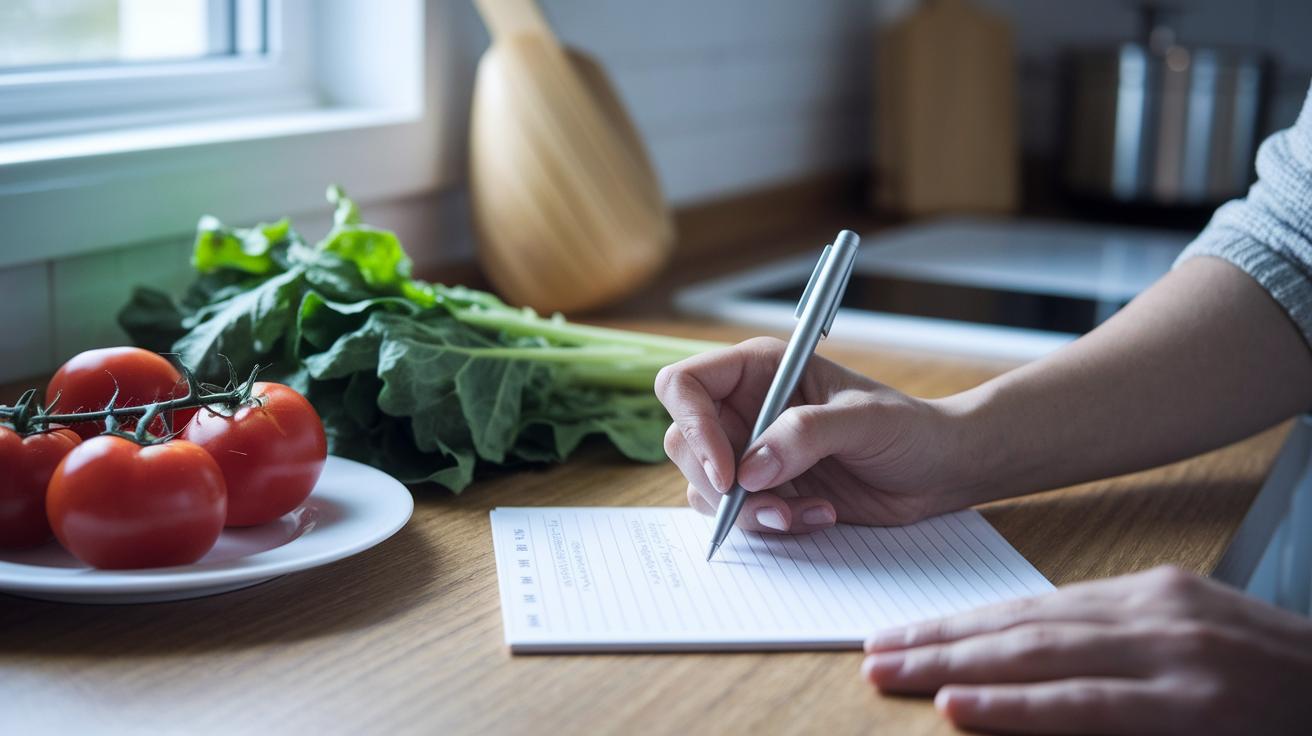
When you plan your meals ahead, every bite really matters. With a simple list in hand, you can easily choose fresh, seasonal items and skip those unplanned purchases. Picture yourself scribbling down your shopping list before you head out, making sure you grab crisp greens, lean proteins, and other wholesome foods that brighten every plate.
Start your meal with a generous serving of greens. Maybe kick things off with a crisp salad that wakes up your taste buds before you dig into a heartier dish. A neat trick is to use a smaller plate, which helps control portions naturally. Think about how the vivid red of tomatoes mixes with bright green spinach, each bite inviting you to savor slowly.
Next, swap out sugary drinks for water or a bit of sparkling water. Imagine that gentle fizz highlighting your meal’s flavors while keeping unwanted calories in check.
- Write a clear grocery list to keep your choices simple.
- Pick seasonal produce for fresh, natural energy.
- Use a smaller plate to help with portion control.
- Enjoy water or sparkling water with every meal.
This down-to-earth way of planning meals weaves healthy habits right into your daily routine, helping you feel good inside and live a life full of energy.
Portion Control Techniques for Wellness and Healthy Eating

Take your time with each bite and enjoy what you're eating. Research shows it takes about 20 minutes for your brain to feel full, so try setting down your fork between bites. Imagine a soft, gentle chime that reminds you to savor each flavor and texture.
Using simple visual cues can help you guess the right portions without any fancy tricks. Your palm can serve as a handy guide for protein, and a cupped hand works well for carbohydrates. Picture yourself placing your hand near your meal, keeping everything nicely balanced.
Here are some tips to help you eat mindfully:
- Focus on one bite at a time and turn off distractions.
- Use your hand as a natural measuring tool.
- Pause after each bite to let your body feel satisfied.
- Notice how the taste and texture gradually change as you chew.
- Compare your portions to everyday objects for a clear idea of size.
| Technique | Example |
|---|---|
| Pausing Between Bites | Set your utensil down and take a quiet moment, like waiting for a soft bell to ring. |
| Hand Portion Guide | Use your palm to estimate a serving of protein in your meal. |
| Visual Estimation | Compare your scraps of food to everyday items for easy portion control. |
Healthy Cooking Techniques to Support Healthy Eating
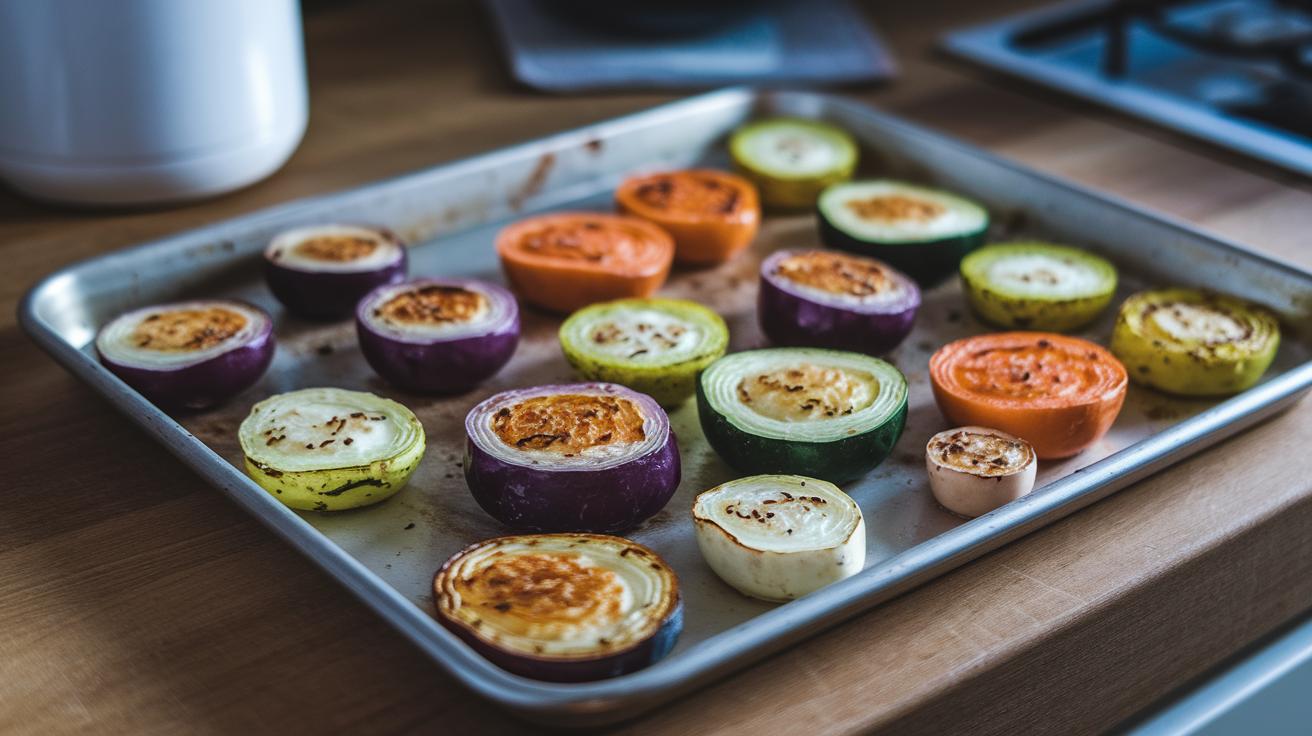
Baking and roasting let your food shine by keeping its natural taste without the extra fat you get when frying. Imagine a tray of bright vegetables slowly roasting in your oven, their edges just turning a soft brown as a warm, inviting aroma fills your kitchen. Instead of deep-frying, try baking a potato with a bit of olive oil and a sprinkle of your favorite herbs. It gives you a satisfying crunch with a soft, steamy inside, almost like a cozy meal made just for you.
Using heart-healthy oils, like olive oil, can boost both flavor and nutrition. Instead of heavy frying, brush a little olive oil over your veggies before baking, and see how their natural sweetness pops up. Picture drizzling a bit of extra-virgin olive oil on a fresh salad, where it perfectly pairs with crisp greens and a touch of tangy lemon juice.
Home-cooked meals allow you to choose every ingredient and have fun being creative in the kitchen. One-pot recipes are a great way to keep your cooking simple and cleanup easy. For example, throw in lean proteins like chicken, whole grains, and a mix of colorful vegetables in one pot. Let them simmer together into a hearty stew that feels like a warm, comforting hug for your body.
Instead of regular French fries, try baked potato wedges that are lighter and more nutritious. Think about biting into a perfectly baked potato with a slightly crisp skin and a soft, fluffy inside, served with a zesty yogurt dip for extra flavor. Adding things like berries and leafy greens into your everyday recipes can boost both the taste and the health benefits of your meals.
Give these techniques a try. Baking, roasting, and one-pot meals can transform your cooking into something that not only delights your taste buds but also supports a healthier lifestyle.
Hydration and Nutrient Timing in Healthy Eating

Water is a true friend to your body. When you keep up with water throughout the day, your body works better. Instead of grabbing a soda or a sweet drink, try water or even sparkling water with a hint of fizz. Picture yourself enjoying a cool, refreshing sip that awakens your senses. And yes, a little black coffee now and then can warm you up without any extra sugars.
Eating with a clear plan not only takes care of your body but also gives you a boost of energy. Imagine starting your day with a protein-packed breakfast, like creamy Greek yogurt paired with fresh fruit or fluffy scrambled eggs with spinach. Think of it as telling your body, "Hey, it's time to get moving!" Begin with a solid protein, add a bit of whole grains, and finish with a bright, crisp fruit or veggie that lights up your plate.
Timing your meals can make a big difference too. When you spread out your meals, your energy stays more even, and those sudden hunger pangs can be kept at bay. Try pairing each meal with a glass of water, and you might find that this mindful habit really transforms how you feel all day.
Nutrient-Dense Snacks and Simple Recipes for Healthy Eating
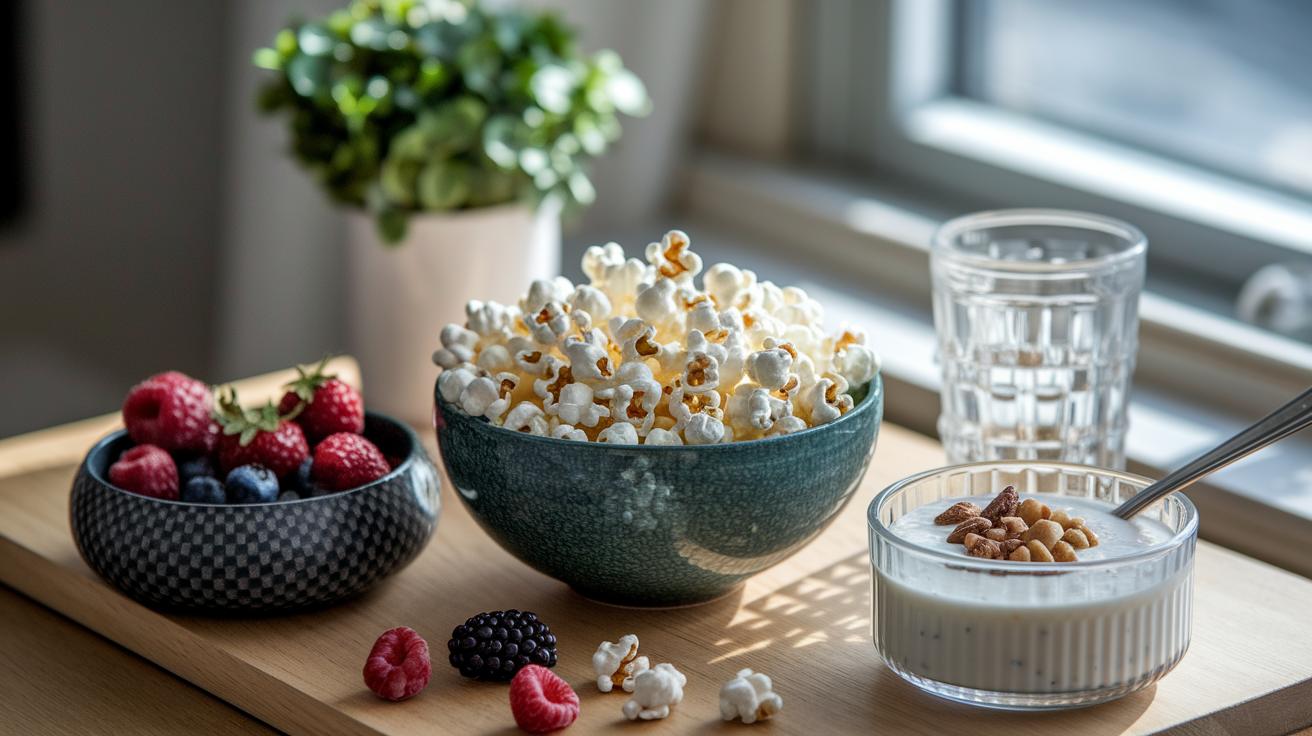
Ever notice how a simple snack can brighten your day? Instead of reaching for greasy chips, try a bowl of air-popped popcorn. This light, crunchy treat packs plenty of fiber without weighing you down.
Next, for a naturally sweet boost, go for fresh berries. Imagine biting into a handful of juicy strawberries or blueberries, their natural tang and sweetness are sure to delight your taste buds.
On those busy afternoons when you're on the go, a small cup of creamy Greek yogurt topped with unsalted nuts can be a lifesaver. It gives you both protein and healthy fats, easing hunger without any extra additives.
For refreshment, consider whole fruits over juices. An apple or crisp pear can be eaten slowly, letting you savor every bite and all its benefits, with fewer calories and more natural fiber.
And if it's a burst of energy you need, whip up a quick superfood smoothie. Blend berries with fresh spinach and a splash of water for a drink that feels like a burst of refreshing energy.
| Quick Tip | Your Snack Swap |
|---|---|
| Crunch Time | Air-popped popcorn vs. greasy chips |
| Sweet Choice | Fresh berries vs. dried fruits |
| Energy Boost | Greek yogurt or unsalted nuts |
| Fiber Fix | Whole fruits vs. fruit juices |
Budget-Friendly and Sustainable Practices for Healthy Eating

A smart grocery list helps you dodge those impulse buys that can sneak up on your budget. Before you head to the store, jot down what you really need. This little habit keeps you focused on seasonal treats like crisp apples, juicy tomatoes, and hearty greens that not only taste great but also pack a nutritional punch.
Cooking in batches is a simple trick to save both time and money. When you make extra servings, you're set for those hectic days when cooking from scratch seems impossible. For example, whip up a big pot of vegetable stew or toss together a healthy grain bowl that you can portion out for later meals. This practice helps cut down on waste and keeps those quick, processed options from tempting you.
Mindful meal planning means setting up routines that support both your health and your wallet. By planning weekly menus and sticking to your list, you steer clear of spontaneous splurges. In doing so, you're not only embracing a clean eating method but also proving that eating well can be both sustainable and budget-friendly.
Final Words
In the action, this article has shown clear, everyday ideas to support healthy eating. We explored simple food swaps, mindful meal planning, practical portion control, and creative cooking techniques that make nutrition feel reachable. You learned how hydration and well-timed meals add an extra boost, too. Every tip is designed to help you feel more in control of your health. Remember to put these wellness tips for healthy eating into practice and savor each step toward a positive, nourished life.
FAQ
How to eat healthy food everyday?
Eating healthy every day means planning meals with whole grains, lean proteins, fruits, and vegetables while reducing processed foods and cooking at home more often to boost overall well-being.
What are some healthy eating habits and tips?
Healthy eating habits include planning meals ahead, using smaller plates for portion control, starting meals with greens, and trying at least one new, wholesome recipe each week to support lasting wellness.
What are the benefits of healthy eating?
Healthy eating benefits include increased energy, improved heart health, stable moods, better digestion, and a strengthened immune system, all contributing to overall physical and mental well-being.
How can I plan a healthy diet?
A healthy diet plan combines balanced meals, mindful portion control, nutrient-timing, proper hydration, and grocery lists to guide seasonal, home-cooked meals that save money and fit your lifestyle.
What is the 3 3 3 rule eating?
The 3 3 3 rule eating suggests including three components at each meal—lean protein, whole grains, and fruits or vegetables—to ensure a balanced mix of vital nutrients throughout the day.
What is the 5 2 1 0 rule?
The 5 2 1 0 rule means enjoying five servings of fruits and vegetables, limiting two types of processed foods, having one healthy treat, and aiming for zero sugary drinks every day to support balanced nutrition.