


Have you ever wondered if your room might be off-limits when someone knocks at your door? Imagine a stranger wandering through your space without a clear reason.
The Fourth Amendment makes sure that police need a strong reason and proper legal backing before searching your home. This blog explains how these rules help keep our families, friends, and personal treasures safe from prying eyes. Let's take a closer look at how your rights are protected every day.
Defining Fourth Amendment Protection Against Unreasonable Search and Seizure
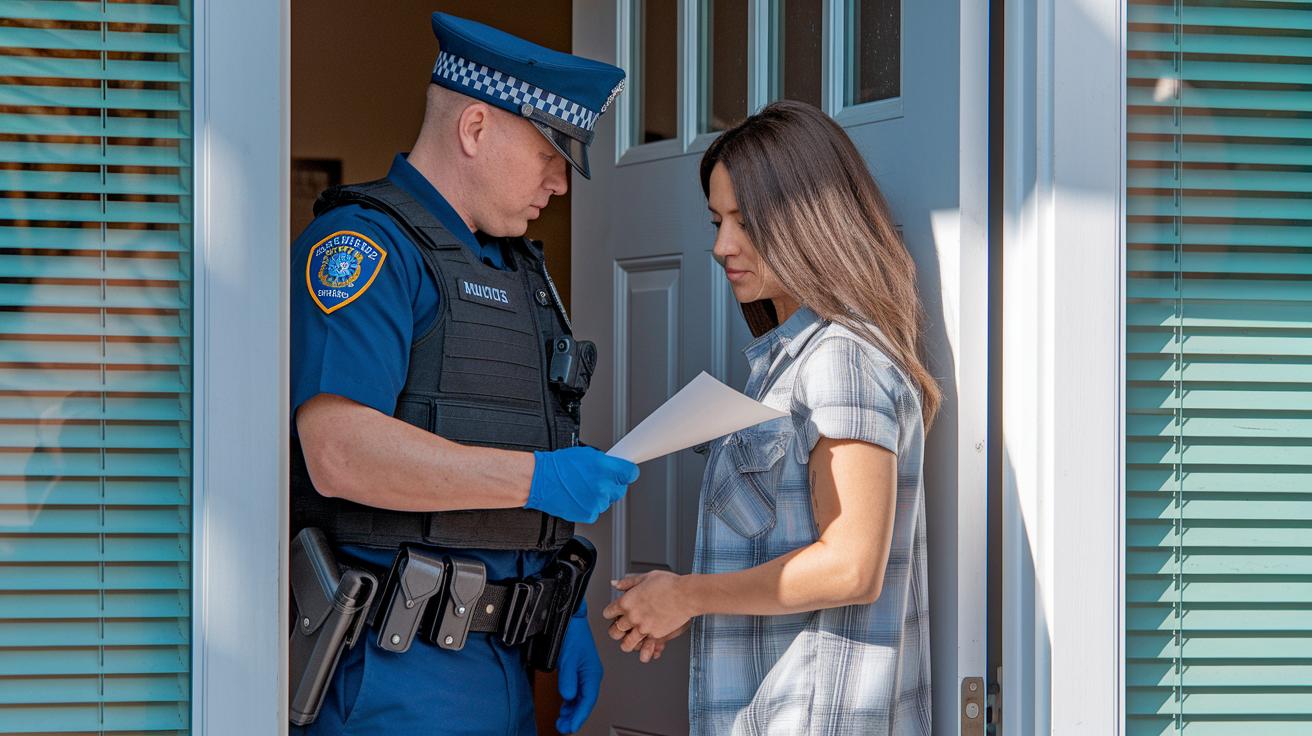
The Fourth Amendment gives us a legal safety net by saying that any search or seizure by the government must be reasonable and backed by proper authority. This means officers must have a warrant, our permission, or a good reason (probable cause) to act. Warrants should clearly show which areas can be searched and what can be taken, and if they don’t, the search might not be allowed.
Every search has to stick to the rules laid out in the warrant. When officers go beyond those rules, it can break your Fourth Amendment rights. Imagine waking up and finding your personal things rifled through without any proper legal paper, it really shows why this protection is important. The Fourth Amendment helps keep our personal and business privacy safe by making sure the rules are followed.
A clear set of guidelines builds trust in law enforcement and keeps the constitutional promise of privacy strong for everyone.
Historical Development of Protection Against Unreasonable Search and Seizure
English Common Law Precedents
Long ago, English common law set the stage for the privacy we value today. Back then, judges made sure that officials couldn't use general warrants or writs of assistance to snoop through personal belongings without a clear reason. It was like agreeing on personal space in a busy room. People believed they deserved some privacy, even when those in power had the means to search.
Adoption into U.S. Constitution
In 1791, the Founding Fathers brought these ideas into the U.S. Constitution with the Fourth Amendment. They wanted to keep government intrusions off our backs, protecting both individuals and businesses from random searches. This rule stops officials from prying around without good cause. Early interpretations focused on keeping people safe and protecting their stuff, a principle that still shapes our laws today. Next, this journey from old law to a constitutional right shows a long-standing promise to safeguard our personal space.
Legal Standards and Exceptions for Protection Against Unreasonable Search and Seizure
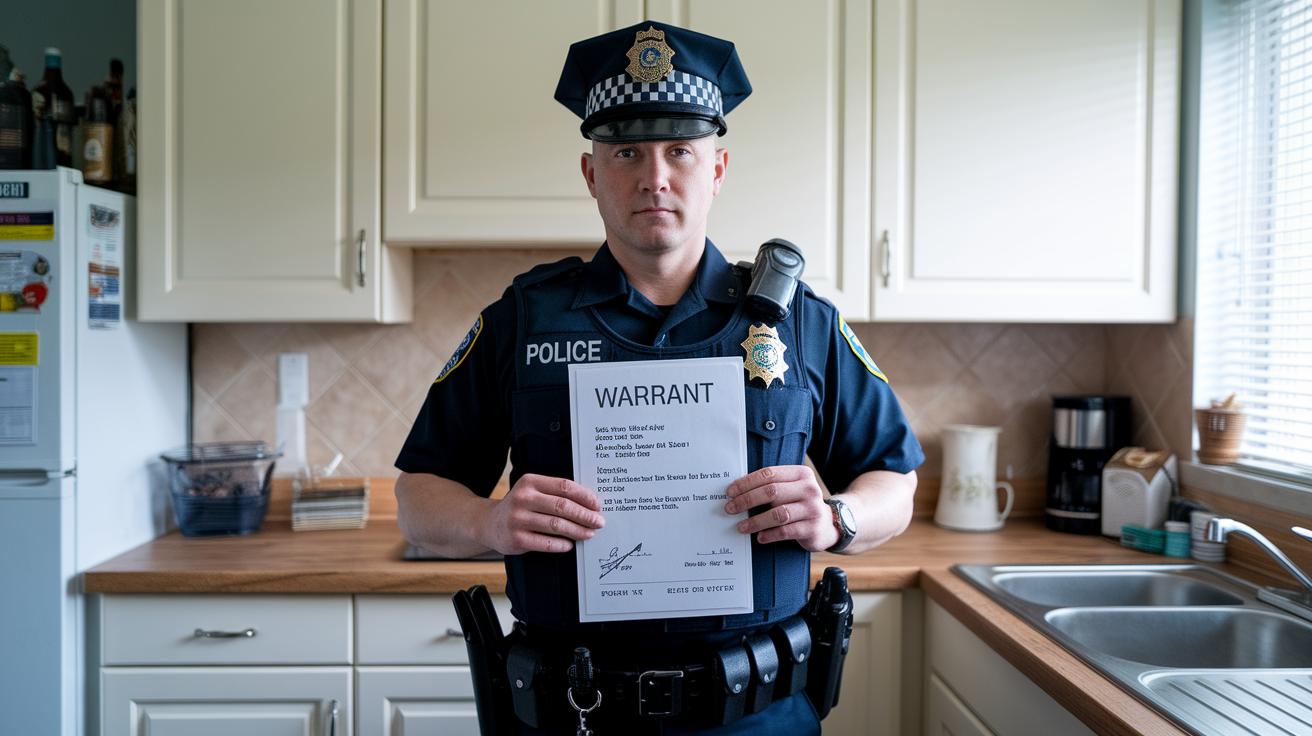
Police need to stick to clear rules when they search or take items. At the heart of these rules is getting a warrant. A warrant comes into play when officers have a good reason to act. Basically, they receive written permission when they can show a solid reason, backed by a promise or oath, to search a specific spot or seize certain items. The warrant must be very clear, listing exactly where to search and what to grab. Think of it like this: an officer is only allowed to check the kitchen cabinets because the warrant specifically says so.
Still, sometimes the rules let officers work without a warrant. You might ask, "Can a search happen without one?" Yes, but only when clear exceptions apply. These special cases help keep our rights safe while giving law enforcement the room they need to act fast. Common exceptions include:
- Consent searches
- Plain view rule
- Exigent circumstances (emergencies)
- Searches incident to arrest
- Automobile exception
Every exception comes with its own checks. For example, a consent search only works if someone clearly agrees to it, imagine a friendly nod during a quick chat about privacy. Then, there’s the plain view rule. This lets officers take items they plainly see, much like noticing an open window without needing extra permission. Exigent circumstances cover emergencies when waiting for a warrant might endanger safety or let important evidence vanish.
Overall, these rules are meant to protect our rights while giving the police the flexibility to act in urgent situations. The goal is to balance the need for a warrant with the reality that emergencies sometimes require quick decisions under clear exceptions.
Judicial Review and Landmark Cases Shaping Protection Against Unreasonable Search and Seizure
The Supreme Court has helped keep our rights safe during searches. In 1967, Katz v. United States set a rule: if you expect privacy in a space that society sees as private, the law should protect you. This simple two-step test still guides us today.
Back in 1961, Mapp v. Ohio made it clear that evidence found by ignoring constitutional safeguards cannot be used in court. In plain terms, if the police break the rules while searching, what they find won't count. This rule stops illegal searches in their tracks.
Then came Terry v. Ohio in 1968. This case introduced a stop-and-frisk idea that lets police hold someone briefly to check for danger if a quick decision is needed. It walks the line between effective investigation and the protection of privacy. And remember, if any extra evidence comes from a broken rule, it gets tossed out too, just like we say, "fruit of the poisonous tree" isn’t allowed.
| Case | Year | Principle |
|---|---|---|
| Katz v. U.S. | 1967 | Reasonable expectation of privacy |
| Mapp v. Ohio | 1961 | Exclusionary rule applied to states |
| Terry v. Ohio | 1968 | Stop-and-frisk test |
Each ruling has strengthened how courts review searches, showing that law enforcement and individual rights can work together. These decisions continue to shape what privacy rights mean and remind us that the government must stick to the rules.
Together, these landmark cases form the backbone of our legal standards. They help keep a close eye on protecting personal rights while ensuring public safety, and they remind us that careful oversight is always key.
Practical Implications of Protection Against Unreasonable Search and Seizure for Individuals and Businesses
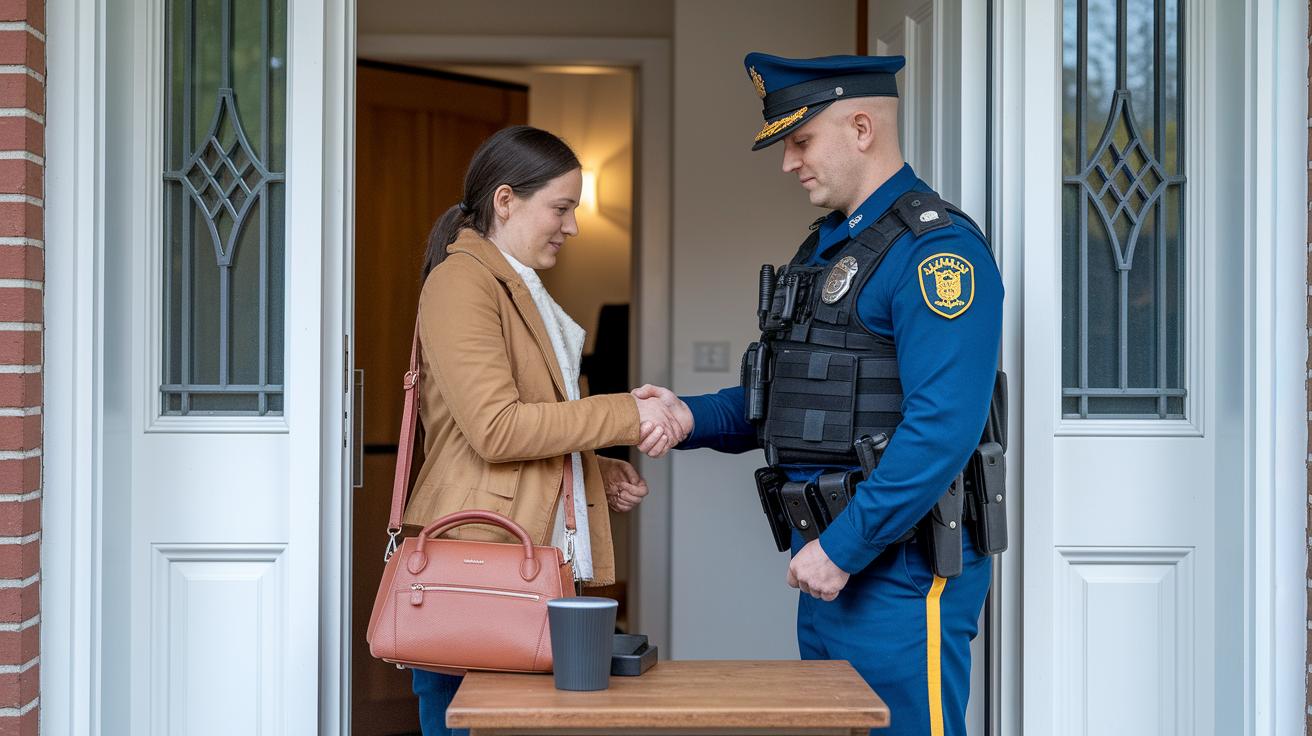
When an officer asks for a look at your stuff without a clear reason, you have the right to ask why a warrant isn’t used. It’s like having a personal guard for your everyday privacy. Imagine someone trying to search your purse without proper proof, you can simply ask, "Can you explain why a warrant isn’t needed?" This small step can stop unwarranted searches and help keep your essentials safe.
Businesses have their own set of challenges too. Companies must follow the law while also protecting confidential details and trade secrets. Knowing your rights in criminal justice gives business owners a solid shield against searches that could risk their important data. Think of a small business owner asked to show their secure server room; understanding legal boundaries can stop a search from overreaching and guard sensitive records.
Learning about these protections is key, especially when facing serious legal issues like drug or weapons charges. Being well-informed makes it easier for both individuals and companies to handle encounters with law enforcement confidently. Isn’t it reassuring to know you can stand up for your rights and keep your personal space safe?
Remedies for Violations of Protection Against Unreasonable Search and Seizure

If a search doesn't follow the rules, you have ways to challenge the evidence. The exclusion rule kicks in, making sure that any evidence gathered illegally, not even evidence that comes indirectly, can't be used in court. It’s a bit like a disappearing trick; if something isn’t supposed to be there, it just isn’t allowed.
You can ask a judge to knock that evidence out of the trial by filing a motion. This gives the court a chance to see if your rights got violated. And if you think a search went too far, this plan might even lead to motions before the trial that drop the charges altogether.
There’s also the option of seeking civil remedies, which means you could file a lawsuit for damages if your rights were trampled. Sometimes, if the evidence was gathered the wrong way, courts may decide to drop the charges too.
- Filing motions to suppress evidence
- Using pre-trial motions to challenge illegal searches
- Seeking civil remedies for any constitutional violations
These legal defenses are powerful tools to stop search abuses and to protect your rights under the law.
Digital Challenges to Protection Against Unreasonable Search and Seizure

Today, our personal info is everywhere, in our cell phones, email accounts, and cloud storage, and it really needs strong protection. You might recall the Supreme Court case Riley v. California from 2014, which made it clear that police must get a warrant before searching a cell phone during an arrest. This decision is a big deal because it carries our Fourth Amendment rights into the digital world.
Law enforcement faces real challenges as they try to gather digital evidence. When an officer looks through messages stored in the cloud, it can feel almost like rifling through personal letters. Honestly, that raises a lot of questions about privacy. It shows us why better electronic data protection is so important, to stop intrusive searches from happening without proper legal steps.
Debates keep rolling about finding the right legal balance for digital evidence. Many say that we need a fair mix of technology and privacy so our civil liberties stay safe while investigations still get the info they need. Experts point to clear guidelines, like those found in the "Data Privacy Laws," as a model for these policies. In truth, lawmakers and tech experts are working on updated rules to ease digital investigation challenges and keep our digital lives secure.
Reform and Future Directions for Protection Against Unreasonable Search and Seizure

Some new suggestions aim to reduce improper civil asset forfeiture and set up clear systems to track warrants. Picture a handy checklist on your phone showing every step of a search. This makes it easier to know how and why a search happens. More careful review of these searches helps keep everyone’s personal space safe.
Community groups and legal experts are urging changes to laws to meet the challenges of today’s technology. They want law enforcement actions to be more closely watched and held accountable. People are asking how we can keep both our safety and our personal freedom. These ideas work to update our legal rules so they keep up with new technology while protecting our rights.
Final Words
In the action, we explored the history and evolution of protection against unreasonable search and seizure. We looked at how the Founding Fathers set the stage with legal standards and landmark cases, while also examining digital challenges and current reform debates.
These insights show how this protection continues to shape our rights in both physical and virtual spaces. It's reassuring to know that clear limits and legal remedies foster a secure and informed approach to privacy.
FAQ
What do the 5th Amendment and its rights protect?
The 5th Amendment protects you from self-incrimination and double jeopardy, and it guarantees due process. It does not extend to preventing unreasonable searches and seizures.
What does the 4th Amendment protect and why is it important?
The 4th Amendment protects your privacy by requiring searches and seizures to be reasonable and backed by a valid warrant or probable cause. This safeguard is key to limiting government intrusion.
What are some examples and violations of the 4th Amendment?
The 4th Amendment is violated when searches occur without proper legal backing, such as warrantless home searches or unauthorized electronic data checks, showing clear breaches of your constitutional rights.
What are the key protections and exceptions under the 4th Amendment?
The 4th Amendment mandates specific warrant requirements and protects against overreach. Exceptions include consent searches, the plain view doctrine, and exigent circumstances that allow warrantless actions in emergencies.
What actions can violate 4th Amendment rights?
Violations occur when authorities perform searches without warrant approval, lack probable cause, or exceed the search’s scope, effectively breaching the legal limits meant to secure your privacy.
What does the 6th Amendment guarantee?
The 6th Amendment guarantees a speedy public trial, the right to an impartial jury, and access to legal representation, ensuring fair treatment throughout criminal proceedings.