


Have you ever thought that a video call with your doctor could help you manage your chronic condition better? Video visits let you get care from your own living room, without the hassle of a commute. Your doctor can check your health numbers and make quick adjustments to your care plan, saving you time and money.
Many people find that this flexible approach fits easily into a busy life. In our fast-paced world, video calls offer a smart way to keep up with your ongoing care and stay connected with a caring expert.
Key Advantages of Video Consultations for Managing Chronic Diseases
Video consultations make it easy to get care at home, so even if you're far from a specialist or live in a less developed area, you can still get advice. They let your doctor check in on your medications, adjust your routine when needed, and send gentle reminders to help avoid mistakes. Plus, connected devices share real-time stats like your blood pressure and heart rate, so any changes can be spotted early, letting your doctor step in before things worsen. One study even found that these virtual visits can cut travel time by nearly 90%, saving you money on gas and parking, every bit helps when you're managing long-term care.
Patients enjoy how flexible virtual visits can be. They can drop in for unscheduled check-ups and use available educational resources to take charge of managing their conditions. It’s simple to book an appointment for today or tomorrow, which means you can fit healthcare into your busy day without wasting time on long trips. And when a team of specialists is involved, video consultations help everyone stay connected and coordinate your care smoothly.
Here are some top benefits of using video consultations for managing chronic diseases:
- Better access to far-off specialists
- Instant symptom tracking so doctors can spot problems early
- Automatic help to stick with your medication schedule
- Less time and money spent on travel
- More active involvement in your care thanks to handy tools
- Smooth, coordinated care from all your health providers
- Overall boost to your health and well-being
Expanding Access and Scheduling Convenience with Video Consultations
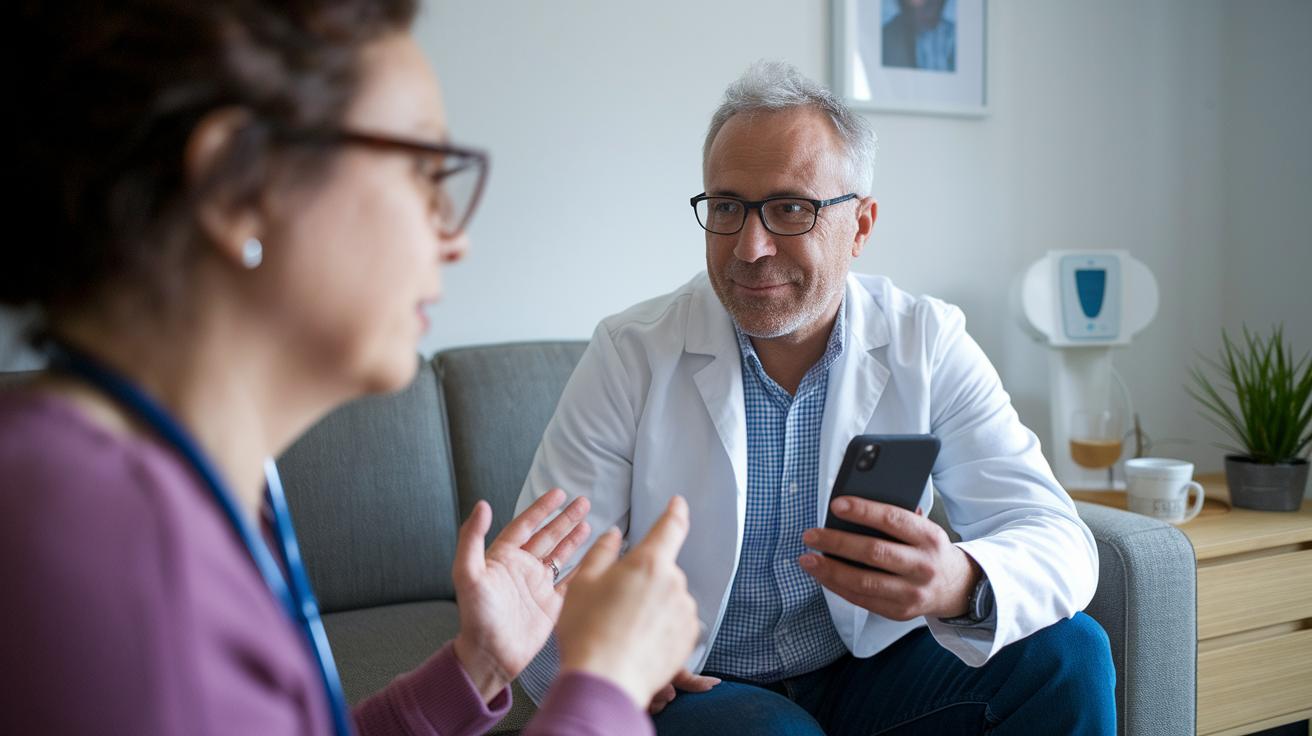
Patients can now chat with specialists face-to-face, no matter how far apart they live. This easy setup lets you book appointments for check-ins and refills on the same day or next day, it fits right into your busy day.
One study found that when care flows naturally into your routine, follow-ups jump by 60%. Imagine booking a quick appointment during a work break instead of stressing about long travels or waiting in a crowded clinic.
In short, video visits make keeping up with chronic care simpler and less stressful. They help you stick to your treatment plan without extra hassle.
Real-Time Remote Patient Monitoring for Proactive Disease Control
Real-time remote patient monitoring devices keep an eye on vital signs like blood pressure, blood sugar, and oxygen levels all in one smooth flow. You know, these devices make it easy for video check-ins to spot any unusual numbers right away. For instance, if your blood pressure suddenly jumps, your provider might get an alert and quickly reach out to you. One study on hypertension in 2024 even showed a 15% drop in systolic blood pressure when connected monitoring complemented in-office visits. Imagine the peace of mind knowing something is always watching out for you.
Early detection really matters. When these devices notice a problem, emergency visits can fall by up to 25%. This means fewer hospital trips and more time to focus on everyday life. Patients feel more secure having their health monitored all the time, which supports better management of chronic conditions right from home.
| Monitoring Parameter | Core Benefit |
|---|---|
| Blood Pressure | Instant alerts for high readings |
| Glucose Levels | Helps avoid low or high blood sugar episodes |
| Oxygen Saturation | Shows when quick help for breathing issues is needed |
This ongoing flow of health data helps guide quick, confident decisions during video consultations, making care more effective and your well-being a top priority.
Optimizing Medication Management Through Virtual Follow-Ups
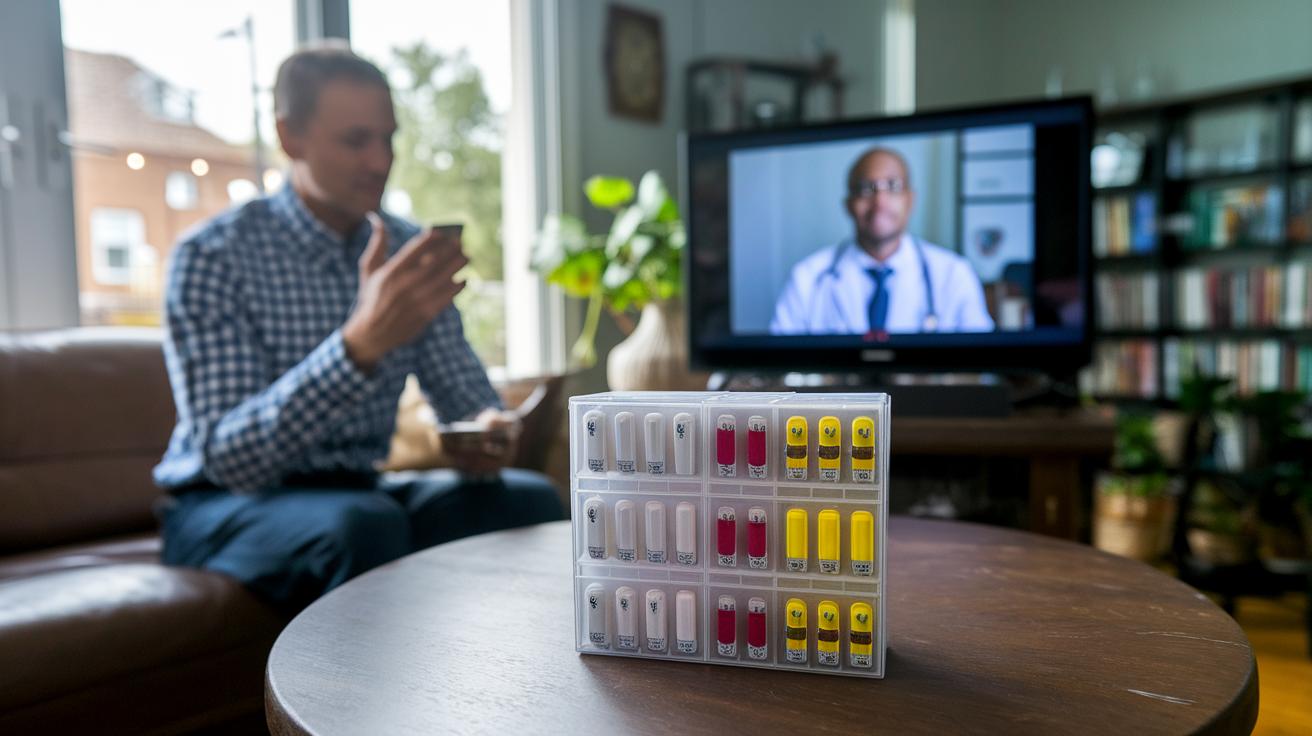
Video consultations are changing the way healthcare teams manage medications. With electronic care management, your doctor can check your pill counts over video and adjust prescriptions instantly. This means any problems with your meds can be seen right away instead of waiting for an in-person visit.
App reminders help a lot too. They cut missed doses by 40% by giving you a little nudge when it's time to take your medicine. It’s like having a caring friend remind you to keep on track with your treatment.
Doctors also set up video check-ins to chat about any side effects you might feel. These conversations let them fine-tune your medications quickly. In doing so, you build a clear line of communication that keeps your treatment plan running smoothly, making your care feel both responsive and personal.
Strengthening Care Coordination and Continuity in Remote Chronic Care
Video chats and digital platforms bring together your primary doctor and specialists by connecting your electronic health records. Everyone gets to see the same information during each visit. This smooth sharing keeps your treatment on track, cuts out mix-ups, and saves you from repeated tests. And with secure video follow-ups, your care team can check on you without always needing in-person visits.
Using digital tools, teams from nutrition, physical therapy, and mental health can join together in real time to update your care plan. Because everyone stays in sync, any change in your condition is dealt with right away. This means your chronic care adjusts as your needs change. In fact, remote care really boosts efficiency and keeps your treatment running smoothly. Check out the differences here: video consultation vs in-person doctor visits.
These online sessions build a team approach where every provider helps support your overall well-being. With shared records and secure video follow-ups, your care plan stays consistent from every angle. This system makes managing chronic conditions easier through clear, ongoing communication and timely treatment tweaks, ultimately helping you maintain a great quality of life.
Achieving Cost Savings and Minimizing Travel for Chronic Care Patients

Have you ever noticed how a simple video visit can make your day easier? Instead of driving to the clinic, you can connect with your doctor online. This means you skip travel time, dodge parking fees, and avoid losing a chunk of your work day. Many patients end up saving about $50 with each appointment. For someone who needs regular check-ins to manage a chronic condition, that saving really adds up.
Choosing a video consultation means you're not battling traffic or scrambling for parking. Plus, fewer trips mean less spending on gas and public transport. This not only saves you money but also makes it easier to stick to your treatment plan without feeling overwhelmed by extra costs.
And it’s not just you who benefits. Clinics see a drop in costs too. With virtual appointments, there’s no need to get rooms ready, which means less money spent on cleaning and preparation. Some health systems even report a 20% decrease in readmission costs when they switch from in-person visits to video check-ins. It’s a win-win for both patients and providers.
| Benefit | Detail |
|---|---|
| Cost Savings | Save around $50 per visit |
| Lower Readmission Costs | Up to a 20% reduction |
| Reduced Overhead | Less money spent on exam-room upkeep |
Boosting Patient Engagement and Quality of Life Through Virtual Care
Personalized virtual care makes managing chronic disease feel easier and more supportive. In your video sessions, you’ll discover built-in lessons on nutrition, exercise, and recognizing symptoms. For example, a session might guide you through simple exercises to boost your energy or walk you step by step through smart meal choices.
Did you know unscheduled drop-in video chats can boost engagement by 30%? Imagine quickly connecting with a healthcare provider during a busy day when a question about your condition suddenly pops up. This flexibility not only eases your worries but also lets your care plan adjust in real time.
Patients with mobility challenges often say that at-home virtual care makes them feel much happier. In fact, 85% report high satisfaction with virtual appointments compared to just 60% for in-person visits. This approach cuts out the stress of traveling and long waits, giving you care right in your own, comfortable space.
It’s not just about physical health, either. Remote mental health check-ins can help manage the stress and anxiety that often come with chronic illness. This extra support boosts your overall well-being and encourages you to take control of your health.
- Video sessions offer clear, engaging lessons on lifestyle changes
- Quick drop-in chats improve real-time problem-solving
- At-home care increases satisfaction and reduces daily hassles
- Virtual mental health support nurtures emotional balance
Ensuring Security and Privacy in Video Consultations for Chronic Care

Video visits for chronic care are built with your privacy at heart. They use strong encryption, which means only you and your trusted care team can see your health details. Plus, a simple multi-factor check makes sure it's really you every time you log in.
These services stick to HIPAA rules by following both federal and state privacy guidelines. Every login and data check is tracked so any odd behavior gets noticed fast. This helps keep your care secure and reliable.
Regular updates protect the platform from new cyber threats, letting you focus on your well-being without worry. Think of it as having a watchful digital helper by your side when you chat with your healthcare provider. When you choose a video consultation, you can feel safe knowing your privacy is protected at every turn.
Future Outlook: Innovations Driving Chronic Disease Video Care
Technology in chronic care is moving fast and changing the way we get help. AI tools that sort and prioritize patients will soon make video visits even more personal and timely. This means that urgent care needs can be spotted quickly, ensuring that help reaches those who need it most.
Wearable devices are teaming up with video calls to provide richer, real-time health details. Imagine your smartwatch quietly sharing your health stats during a call, letting your doctor see changes as they happen. This smart mix of tools helps catch potential issues early and makes care more responsive.
Looking ahead, experts predict that by 2025, video visits for chronic disease will jump by 30%. This rise comes from a wave of digital changes in healthcare and the growing ability of different systems to work together. As more devices talk to each other, video consultations will only get better and more efficient.
These advances show us a future where technology and healthcare blend naturally. With each new innovation, remote care becomes easier and friendlier, a handy tool that helps you manage chronic conditions comfortably at home. AI, wearables, and better system links all hint at a brighter, more connected future in chronic disease care.
Final Words
In the action, we explored how video consultations offer clear benefits for chronic disease management. The blog highlighted improved specialist access, real-time monitoring, streamlined medication assessments, and reduced travel costs. It also showed how digital solutions boost patient engagement and security. Altogether, these insights illustrate the significant advantages of video consultation for chronic disease management, making healthcare simpler and more effective. We believe this approach leads to better well-being and a brighter, healthier future.
FAQ
Q: How does telehealth improve chronic disease management among vulnerable populations?
A: Telehealth improves chronic disease management by providing timely virtual care, real-time monitoring, and access to specialists. This makes it easier for vulnerable groups to get the customized care they need, no matter where they live.
Q: What benefits do telehealth services offer healthcare providers?
A: Telehealth helps providers track medications, adjust treatments on the spot, and work seamlessly with other specialists. It streamlines care coordination and leads to improved patient outcomes while saving time and reducing costs.
Q: How does telemedicine impact overall healthcare?
A: Telemedicine impacts healthcare by reducing travel time, cutting costs, and enabling continuous remote monitoring. This results in better patient satisfaction and improved treatment adherence across diverse healthcare settings.
Q: What are the pros and cons of telemedicine?
A: Telemedicine offers real-time monitoring, cost savings, and accessible consultations, while challenges like technology access and reliance on secure platforms can arise. Balancing these factors leads to effective, patient-centered care.
Q: How does telehealth improve the continuity of care?
A: Telehealth improves care continuity by offering flexible scheduling, same- or next-day consultations, and seamless sharing of medical records between primary and specialist care, ensuring patients receive consistent and timely attention.
Q: What are the benefits of telehealth for patients with chronic disease?
A: Telehealth benefits chronic disease patients by reducing travel burdens, providing remote specialist access, sending automated medication reminders, and facilitating quick check-ins. This boosts self-management and overall quality of life.
Q: How does telehealth benefit patients living close to healthcare facilities?
A: Telehealth benefits nearby patients by cutting down waiting times and in-person visits while offering convenient follow-ups and self-care education. This enhances their overall care experience and maintains health without extra hassle.