


Ever wonder if your online secrets are safe? Data privacy works like a secret code that scrambles your messages so only you can read them. When you share information on the internet, it becomes extra important to have strong guards. Today, we take a closer look at how smart tools and clear rules join forces to protect both your personal and business data. Past mistakes have taught us to stay careful, and we’ll show you some easy tips to boost your data security.
How Data Privacy Protection Shields Personal and Business Information

Data privacy protection uses smart technology and clear rules to keep personal and business information safe. Around the world, regions like the EU, the United States, and Canada have stepped up with stronger standards so our online lives feel more secure. For instance, using HTTPS encryption acts like a secret code that scrambles our messages as they travel between computers. Yet, information stored on devices or in cloud servers can sometimes be left unprotected, which means the wrong person might see it.
Here's a surprising fact: in 2024, 68% of security issues happened because people made mistakes. This shows just how important regular staff training and firm policies are for keeping data safe. Remember the €1.2 billion fine on Meta in 2023? That really pushed companies to take these matters seriously. Legal frameworks like GDPR also ensure that everyone has the right to see, change, or erase their data when needed.
To create strong digital shields, organizations should focus on these five key steps:
- Encrypt data both when it’s moving and when it’s stored
- Use multi-factor authentication (where you need more than just a password) and role-based access controls
- Provide ongoing training for staff on proper data handling
- Apply strict rules for data minimization and classification
- Keep up with regulatory standards and have a clear plan for responding to incidents
By blending modern tech safeguards with regular training and straightforward policies, we create an environment where personal and business information remains safe against new and evolving risks.
Data Privacy Protection: Elevate Your Data Security

Data privacy protection relies on straightforward rules to keep your personal and business information safe while keeping digital records secret. It all begins with data discovery, which means taking stock of every piece of information and sorting it to see how data moves within an organization. It’s a bit like checking that you have every tool in the kit before starting a new project.
At the heart of protecting your data is confidentiality. Companies decide clearly who can see, use, and manage information with digital confidentiality practices. Encryption works like a strong lock on a safe, whether it’s symmetric, asymmetric, or end-to-end, it scrambles data so that it stays unreadable to anyone who shouldn’t see it. Imagine encrypting your sensitive files so that they turn into a jumble of characters, keeping them secure from prying eyes.
Automated Data Loss Prevention tools boost security by spotting unusual activity and blocking unwanted access. Meanwhile, data anonymization takes out any personal details while leaving the information useful. And snapshot-based recovery with replication means you can quickly roll back if something unexpected happens.
All these steps, discovering your data, keeping it confidential, encrypting it, anonymizing it, and being ready to recover quickly, come together to create a strong system that cares for every important piece of information.
Navigating Legal Standards for Data Privacy Protection
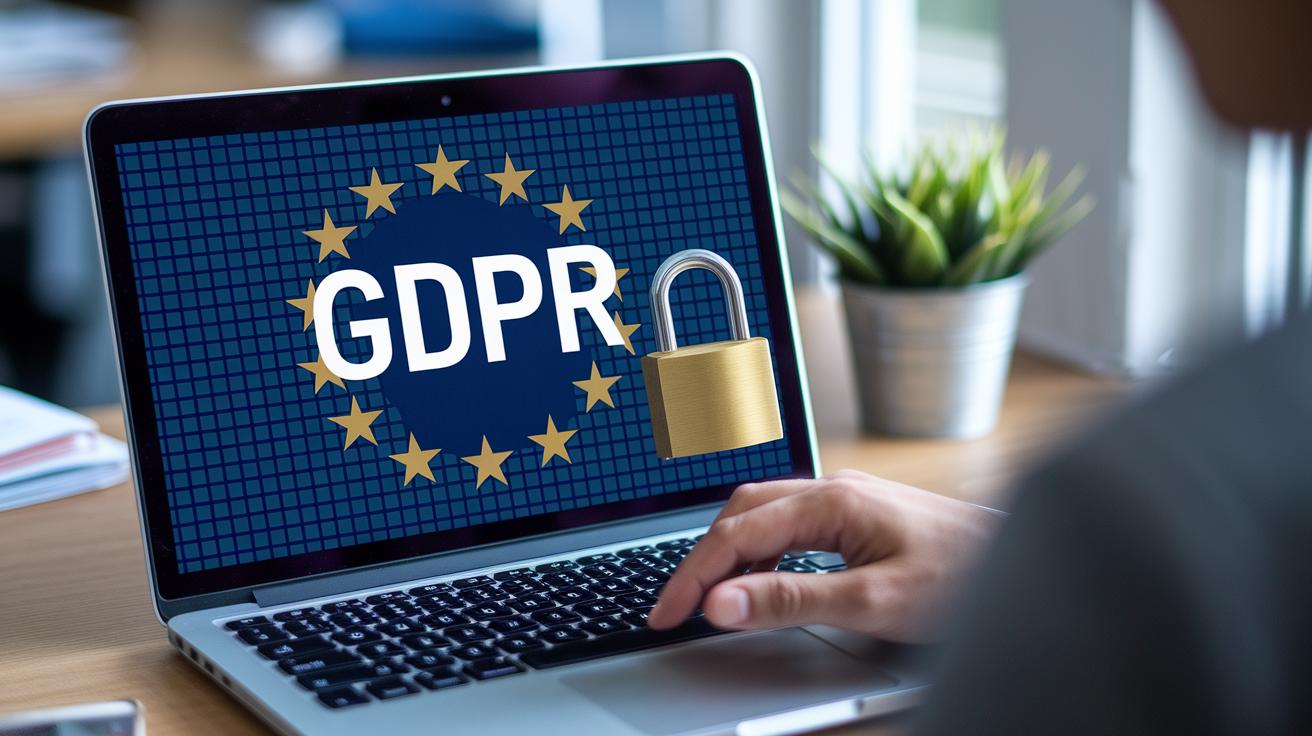
Laws around the world guide companies on how to protect our private information. One major rule is the EU's General Data Protection Regulation, or GDPR. It lets people see, change, or even remove their data. And it isn't just a gentle suggestion, a company like Meta once faced a fine of €1.2 billion for not keeping data safe.
GDPR sets clear and simple rules. It gives people rights over their own information and tells companies the legal reasons they must use when handling personal data. When companies ignore these rules, the penalties can be huge. Really, it shows that data protection is a serious matter.
In the U.S., there’s HIPAA to protect our health records. HIPAA makes sure health details are kept safe by using methods like encryption and regular risk checks. It even requires companies to alert you if there’s ever a breach. This way, your private health information stays secure, and you know what’s happening with it.
Internationally, new rules are popping up fast. For example, Canada and updated U.S. guidelines now mean companies must be extra careful when sharing data across borders. These rules stress the need for quick alerts and solid security measures. In truth, keeping data safe is a goal everyone shares.
| Regulation | Jurisdiction | Key Provisions | Potential Penalties |
|---|---|---|---|
| GDPR | EU | Rights for individuals, legal reasons for data use | Heavy fines (like €1.2 billion) |
| HIPAA | US | Encryption, breach alerts, regular security checks | Big financial penalties |
| CCPA | US (California) | Consumer rights, clear data use information | Serious fines per violation |
Implementing Cybersecurity Strategies for Robust Data Privacy Protection

When we send data online, we use HTTPS encryption, it’s like putting a letter in an envelope to keep your information safe. Firewalls serve as our front-line protectors. They watch your network traffic and look for odd behaviors to catch any threats. For example, firewalls decide which apps can connect to your network.
Another key part is strong authentication. By using extra checks like multi-factor authentication and role-based access, only the right people get in. It’s like a high-security building where every door needs its own special key. These measures help stop unwanted access to sensitive areas.
We also count on endpoint protection to keep your devices safe. This includes antivirus software that scans every file, patch management that fixes issues quickly, and careful device setups. Data Loss Prevention tools add another layer of security by blocking leaks and even starting fixes automatically when a risk shows up.
To top it off, we make sure old data is erased securely, with methods like overwriting or even physically destroying storage. And if anything goes wrong, a strong disaster recovery plan is ready. With business impact analysis and regular tests, it keeps everything running smoothly and restores systems fast.
Cultivating a Culture of Data Privacy Protection Through Training and Awareness

Since 68% of data breaches in 2024 happened because of simple human mistakes, training your team is key. Regular sessions help everyone understand why keeping personal information safe matters and show them how to spot risks, even when a sneaky email tries to trick them.
Privacy lessons are like friendly reminders that each one of us plays a part in protecting customer information. With clear, hands-on activities, abstract rules turn into everyday practices. And when companies set up strict controls so only the right people see sensitive data, they add another layer of safety.
Each January 28, Data Privacy Day gives companies a nudge to review their training and look over their data files. Companies are encouraged to only collect what they really need and to explain their privacy rules in plain, simple language. Regular workshops and open talks help everyone think first about privacy, making the whole team better at keeping data secure.
Emerging Trends and Future Directions in Data Privacy Protection

Digital privacy is always changing as companies work hard to stay ahead of new risks. Many organizations now mix local rules with cloud policies so you can easily move your data while keeping control over it. Mobile protection is getting better, too, thanks to updates that focus on device-specific risks. Ransomware still gives many a headache, and so businesses are getting proactive, using offline backups and other measures to keep key data safe.
Across borders, new privacy laws and global rules are shaping how data is handled. Firms are finding ways to blend on-site practices with cloud storage while carefully watching rules for data moving between countries. Automated tools now keep an updated list of sensitive information wherever it might be stored. And with new tech in play, companies are designing apps with privacy built in right from the start.
There are improvements in storage systems as well. Some advanced models manage huge amounts of data and can quickly back up files, up to 18 TB per hour with the right setup. This focus on building strong privacy frameworks is helping organizations plan smartly for the future with better strategies and technology. These trends not only boost our current data defenses but also open the door to even more secure and flexible ways to manage information in the years ahead.
Evaluating and Auditing Data Privacy Protection Measures

Organizations can boost their data protection by regularly checking and testing every security measure. They use risk management frameworks to plan detailed risk and privacy checks that help spot any gaps in the system. These simple tests point out vulnerabilities and guide improvements to the overall plan. Plus, audits on data integrity ensure that sensitive information stays unchanged, creating a trusting and clear work environment.
Audit trails record every time data is accessed or changed. This clear record makes it easier to figure out what happened if something goes wrong. Regular security reviews look at things like firewall settings, updates, and access logs to make sure each defense is doing its job. Business impact checks even steer disaster recovery testing, so operations can bounce back quickly when needed.
Compliance checks add another helpful layer by confirming that all standards, like GDPR or HIPAA, are being met. Using these step-by-step practices, organizations can quickly spot potential breaches and manage incidents before they turn into bigger issues. Digital forensic methods are built into the process, ensuring teams are ready to investigate carefully. Altogether, these reviews and audits build a strong system to keep sensitive data safe and meet all the necessary rules.
Final Words
In the action of protecting our sensitive details, we explored how using encryption, clear access controls, and regular staff training builds a solid defense. We broke down both legal standards and technical steps that help keep personal and business information secure. From data discovery to audit trails, every piece fits into a broader plan for data privacy protection. Our guide shows that a mix of smart technology and simple human awareness can make digital healthcare both safe and accessible. Keep moving forward with confidence, your safety is always in focus.
FAQ
What is data privacy and protection?
The phrase data privacy and protection means using practices and legal rules to manage personal and business information safely, preventing unauthorized access and ensuring compliance with laws like GDPR.
What are some examples or cases of data privacy protection?
Data privacy protection examples include encrypting data, using multi-factor authentication, and training staff. Notable cases show companies facing heavy fines when they fail to secure sensitive information.
What is data protection?
Data protection means putting measures in place—like encryption and access controls—to keep sensitive information safe from loss, theft, or misuse.
How can data privacy be protected?
Data privacy is safeguarded by encrypting communications, limiting who can access data, training employees regularly, and following legal standards that reduce risks posed by human errors.
What are the three types of data protection and the seven data protections?
Data protection typically covers technical, administrative, and physical measures. In a broader view, the seven protections might include encryption, strict access controls, staff training, data minimization, regular audits, incident response planning, and secure storage.